REVIEW · AMSTERDAM
Amsterdam: Windmill, Cheese, and Countryside E-Bike Tour
Book on GetYourGuide →Operated by AmsterBike · Bookable on GetYourGuide
Windmills and cheese feel different when you bike to them. This 4-hour e-bike ride cuts past the usual Amsterdam crowd and drops you into Waterland polders with stops in villages like Broek in Waterland and Monnickendam, plus a visit to a traditional cheese farm for tastings. I especially liked the easy, car-light cycling thanks to the e-bike, and the hands-on cheese visit where you can sample as much as you like; it’s one of those tours where the food part doesn’t feel like an afterthought. One consideration: if you go self-guided, expect the route to occasionally change due to road works, so you may need to adapt in the moment.
You can do it with a live English guide or on your own with an app route, which is a nice fit if you want either structure or freedom. From the start point at Piet Heinkade 25, the day tees up with an Amsterdam shoreline ferry ride and quick orientation sights like A’DAM Tower and the Eye area, then shifts into flat countryside where dikes and pumping stations shape how the land survives. You’ll finish back where you started, with windmill and cheese memories stuck to your camera roll (and your taste buds).
In This Review
- Quick hits
- Getting Out of Amsterdam: Ferry, Views, Then Instant Quiet
- The D’Admiraal Windmill Stop: Practical, Photoable, and Actually Worth It
- Broek in Waterland: Where the Polders Feel Like a Time Machine
- Monnickendam, Katwoude, and Zunderdorp: Canals and Old Farms on One Easy Loop
- The Fishing Village Moment: Everyday Dutch Life, Not Just Pastoral Postcards
- Inside the Cheese Farm: Tastings, Milk Work, and the Real Reason This Tour Exists
- E-Bikes for Real People: How Hard Is It, and Where to Watch Out?
- Price and Value: What $43 Covers (and Why It Feels Fair)
- Practical Tips You’ll Be Glad You Follow
- Who Should Book This Tour?
- Should You Book This E-Bike and Cheese Tour?
- FAQ
- How long is the Amsterdam Windmill, Cheese, and Countryside E-Bike Tour?
- Is it guided or can I go self-guided?
- Where does the tour start and end?
- What’s included in the price?
- What do I need to bring?
- What type of biking skill level is required?
- Is there a height requirement for the e-bike?
- Are there food stops included?
- How big is the group?
- Can the tour be canceled due to weather?
Quick hits
- Ferry-to-countryside start with Amsterdam views like A’DAM Tower before the ride turns pastoral
- Waterland village loop through Broek in Waterland, Monnickendam, Katwoude, Zunderdorp, and more
- A real windmill visit early on, not just a quick drive-by photo stop
- Traditional cheese farm + tastings where you can try multiple cheeses
- Small group feel (up to 15) with live guides offered in English
Getting Out of Amsterdam: Ferry, Views, Then Instant Quiet
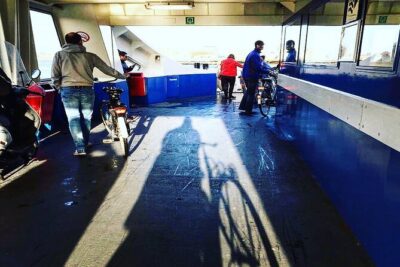
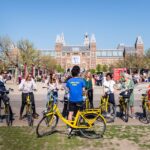
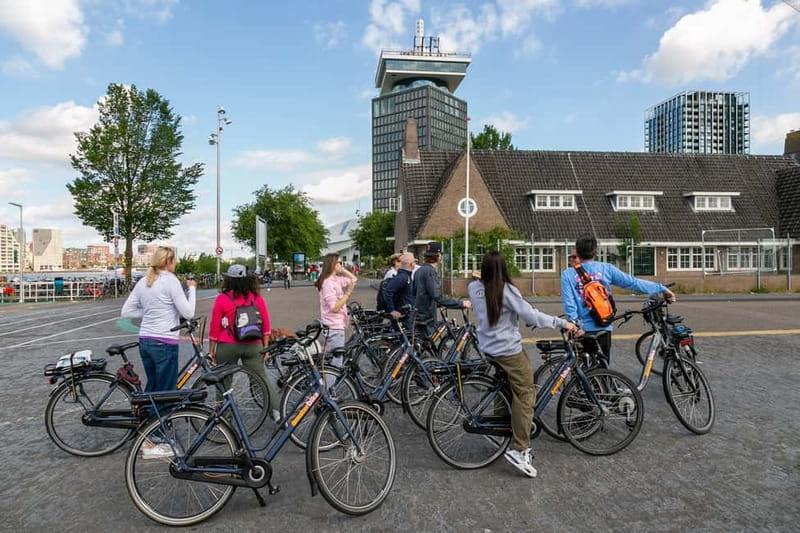
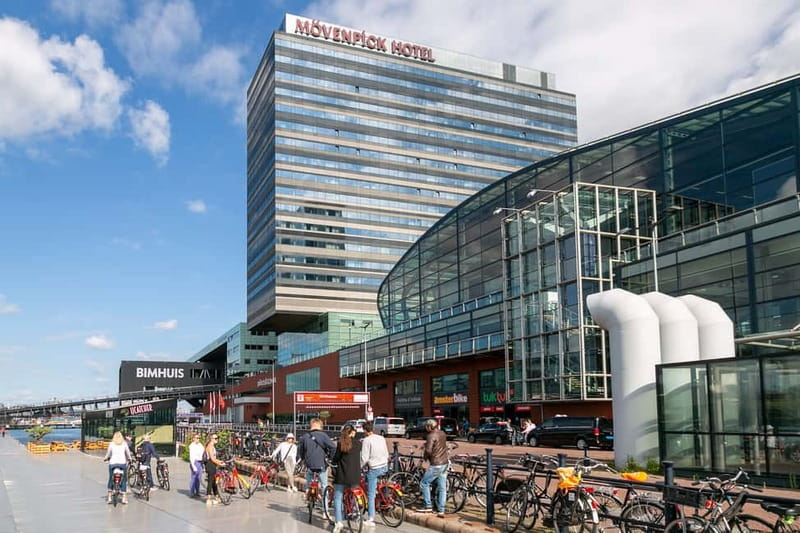
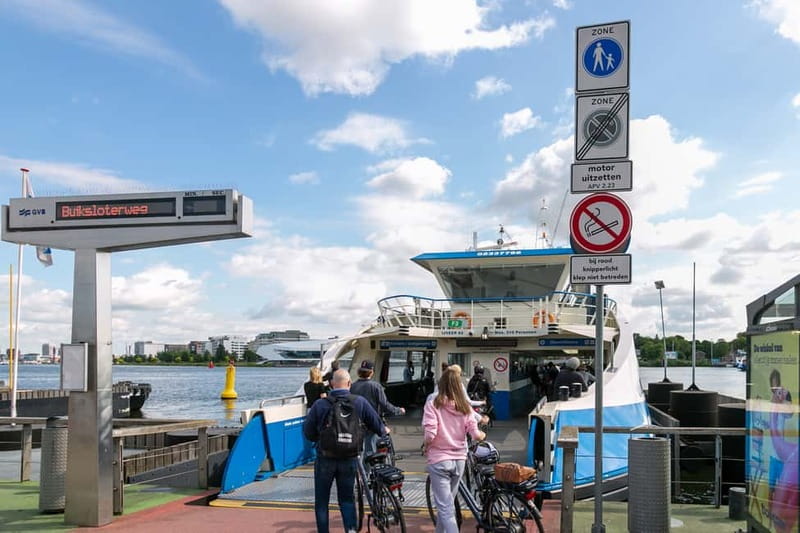
The tour begins at Piet Heinkade 25, right by the Amsterdam waterfront. The first move is a ferry ride across to the north side, which is more than a transit trick—it’s the moment the day starts to feel like a proper trip instead of a city outing.
You’ll get a short look at key Amsterdam landmarks along the way, including the A’DAM Tower area, and you also pass the Eye Film Museum region. It’s a light orientation that helps you understand where you are before the route heads out into older, low-lying areas around the city.
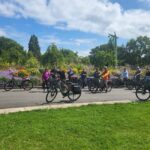
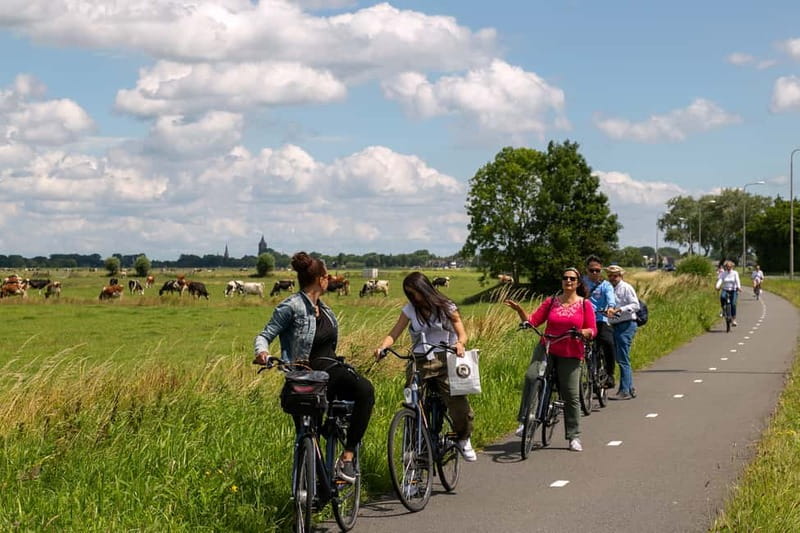
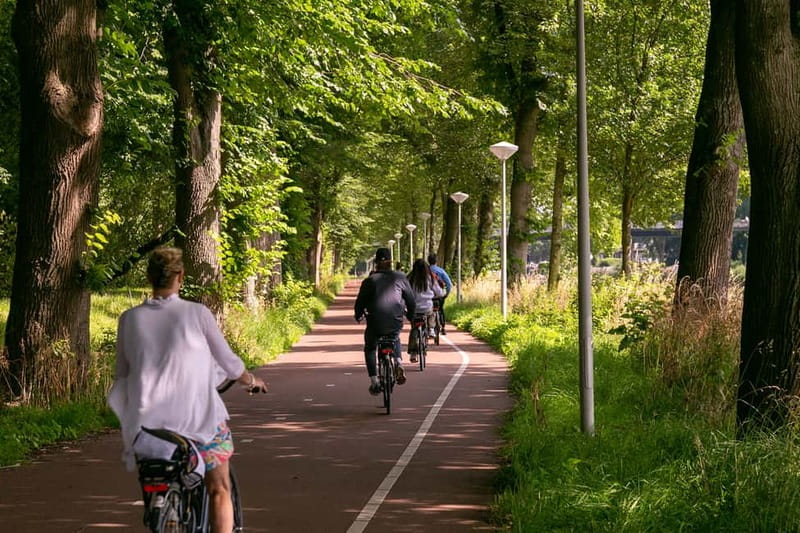
Then the pacing eases. Once you start cycling through Waterland, the terrain stays flat, and you get that classic Dutch rhythm: canals, narrow bridges, and straight lines of dikes and fields. This is where the e-bike shines, because it lets you keep your energy for stops and photos instead of white-knuckling your way through hills.
You can also read our reviews of more cycling tours in Amsterdam

The D’Admiraal Windmill Stop: Practical, Photoable, and Actually Worth It
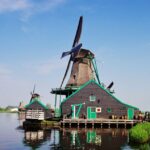
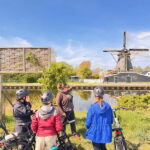
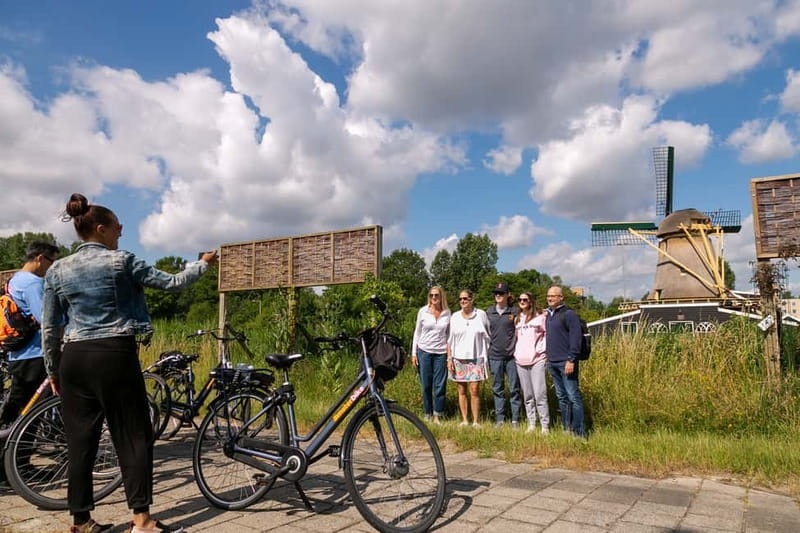
Early in the ride, you’ll visit D’Admiraal Windmill. People love this stop because it’s not just a background landmark—you get guided time to look closely and understand why windmills mattered in a water-managed country like the Netherlands.
If you’re the type who likes knowing what you’re photographing, you’ll appreciate the guide angle here. Even if you just want the picture, the timing helps: you see it while you’re still fresh, so it feels like a highlight instead of a random detour.
One thing to watch: if you’re self-guided and you’re slow to settle into the ride, you can miss the moment. A couple of people have noted that they expected more windmill stops but found just the one, so treat this as your windmill chapter and plan around it.
Broek in Waterland: Where the Polders Feel Like a Time Machine
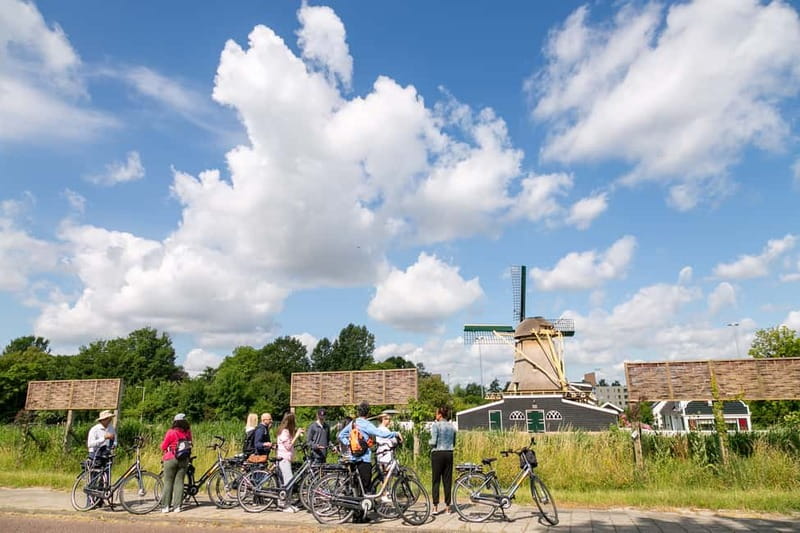
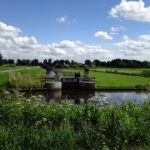
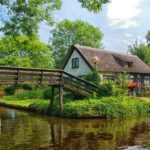
Broek in Waterland is the kind of place that makes you slow down without meaning to. It’s a protected area shaped by thousands of years of water management, with dikes and pumping stations helping keep the land usable. When you cycle through, you can feel how the region keeps its identity—calm lanes, waterways, and farm structures that look functional, not staged.
You’ll have a short guided stop here (or time on your own, depending on your option). This is where the tour’s “culture” side works best, because it’s not a museum lecture. It’s a living landscape of farms and waterways, and the guide helps you connect what you’re seeing to how people adapted to living under sea level.
I love this stop because it’s easy to understand. You don’t need a Dutch history degree to grasp the idea: control water, protect land, build communities that last. It’s the kind of perspective that makes the rest of the ride more interesting.
Monnickendam, Katwoude, and Zunderdorp: Canals and Old Farms on One Easy Loop
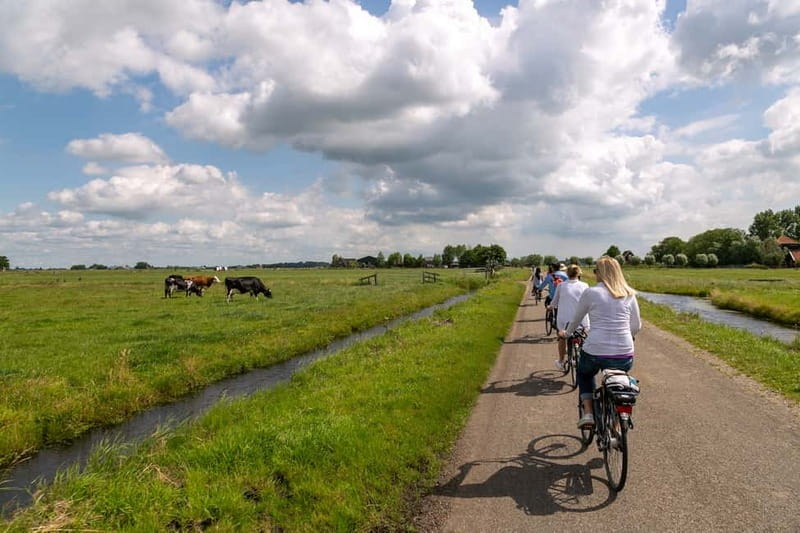
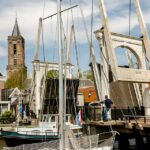
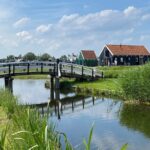
After Broek, the tour moves through a string of smaller places—Monnickendam, Katwoude, and Zunderdorp are key stops. These villages don’t feel like one big “city-lite” blur. Instead, each has its own canal angles, bridge moments, and farm scenery that you can actually enjoy from the saddle.
Monnickendam gets you a quick dose of a traditional harbor-town vibe. Katwoude adds a slightly different countryside feel—more quiet lanes and the sense that you’ve slipped out of the main Amsterdam orbit without needing a long train ride.
Zunderdorp is another good example of why biking works here. When you’re moving, you can read the area: where people connect by water, how the farmland sits beside the homes, and how often you’re crossing small bridges that break up long straight stretches.
The tour keeps these stops tight so you’re not just standing around. Even with short guided windows, you get enough time to look, listen, and reset your camera instead of rushing every five minutes.
The Fishing Village Moment: Everyday Dutch Life, Not Just Pastoral Postcards
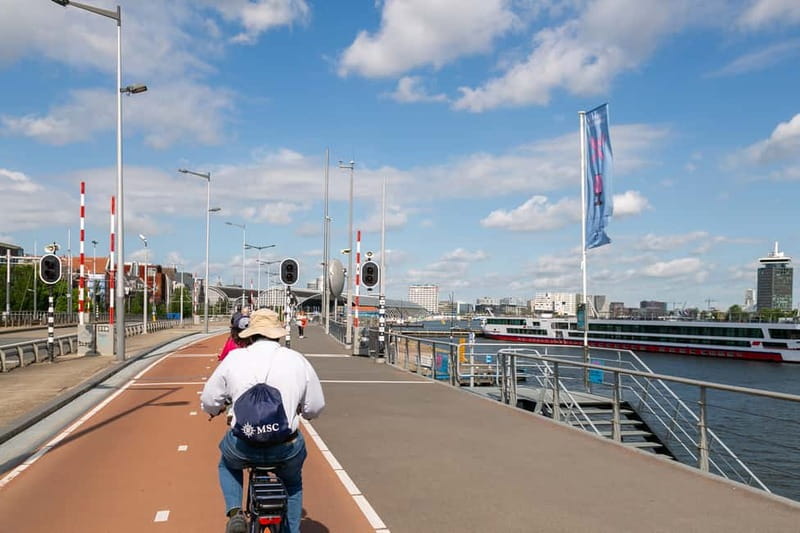
Towards the later part of the route, you’ll reach a fishing village stop, again with guided time built in. The goal here isn’t dramatic scenery—it’s the everyday Dutch working-water relationship.
This is where the day’s tone balances. Earlier you’ve had windmill interest and village charm; now you see more of the practical life side of the region. You’ll pass canals and get more views where boats and water management feel like neighbors, not background elements.
You may see farm animals along the way too, depending on route timing and the season. People have specifically called out adorable cows and the calm way the area shows up in spring- and summer-weather light.
If the day turns wet, you’ll still have the same core experience: water, villages, and cheese. Just pack for weather and expect slower comfort if the paths are slick.
You can also read our reviews of more tours and experiences in Amsterdam
Inside the Cheese Farm: Tastings, Milk Work, and the Real Reason This Tour Exists
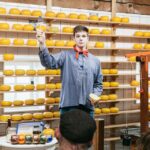
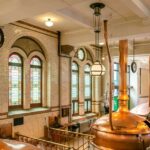
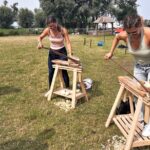
The cheese farm visit is the reason many people book this tour, and it delivers. You’ll go to a traditional dairy operation where you learn how cheese is made from scratch, then sample cheeses as you like.
This is a hands-on kind of stop, even if you’re not working the equipment. You’re in the right place to connect the dots between what cows produce, what the milk process does, and why Dutch cheese tastes the way it does. Guides often explain how the process works and why certain methods became standard exports.
A couple of details are worth calling out because they make the visit feel more vivid: some groups note that mechanization of milk harvesting is visible, and some also mention an extra clog demo as part of the fun. You shouldn’t count on every add-on, but the farm experience itself is consistently centered on real production plus tasting.
Practical tip: pace your samples. It’s easy to get excited and overdo it early in the stop, then feel heavy on the ride back. If you want to keep your energy for the final stretch, try a small tasting progression—light to stronger flavors—so you enjoy it instead of just stuffing your face.
E-Bikes for Real People: How Hard Is It, and Where to Watch Out?
Even though it’s called an e-bike tour, you still pedal. The big win is that the assist makes the countryside ride feel doable for a wide range of fitness levels.
Groups have reported varied total distances, with rides commonly in the 25–40 km range depending on the exact route and detours. That’s the sweet spot for a half-day: long enough to feel like you left Amsterdam for good, not so long that you’re cooked by the time you hit the cheese counter.
Seat comfort can be the weak link. Some people specifically mentioned that the seats aren’t the most comfortable and suggested more breaks would help on the return ride. The good news is the route includes enough stops that you can reset your legs, and the flat terrain keeps things more comfortable than you’d expect.
One more practical reality: you’ll be outside. Come prepared for the weather. It can rain, and while the tour may pause if conditions get heavy, you’re still riding outdoors through canals and open areas.
Price and Value: What $43 Covers (and Why It Feels Fair)
At around $43 per person for a roughly four-hour experience, the value comes from three things you actually use: the e-bike (with helmet), the structured stops, and the cheese farm entry with tastings.
If you choose the live guide option, you’re also paying for interpretation—how to understand what you’re seeing in Waterland and why windmills and polders matter. That guide time turns the ride from pretty exercise into a story you can remember.
Small group size (limited to 15) is also part of the value. It keeps the pacing human. You’re not squeezed into a giant line, and you’re more likely to get help if you need it—like when you’re learning the e-bike basics at the start.
And if you prefer self-guided, you still get a built-in route with an app. That’s ideal if you want autonomy but don’t want to assemble a bike itinerary yourself on unfamiliar roads.
If you’re deciding purely on cost: it’s not a cheap Amsterdam add-on. But compared to paying for transport out to the countryside plus bike rental plus a planned food experience, it often feels like the simpler math.
Practical Tips You’ll Be Glad You Follow
Bring a reusable water bottle. That one detail matters because you’ll be outside and cycling between stops.
Also, plan your timing around comfort. The tour includes a lot of switching between riding and stopping, and the e-bike helps, but you’ll still feel the ride in your lower back and saddle area if you’re sensitive.
If you’re self-guided, keep a little flexibility in your brain. Road works can create detours, and the route app might not always match what you see on the ground. One of the best ways to handle this is to stay calm, follow signage, and remember the goal isn’t perfection—it’s still Waterland villages, windmill scenery, and cheese.
Height matters too: e-bikes aren’t suitable for people under 160 cm. If you’re close to that threshold, confirm fit before you go, because an e-bike that’s too small turns a fun ride into a frustrating one fast.
Who Should Book This Tour?
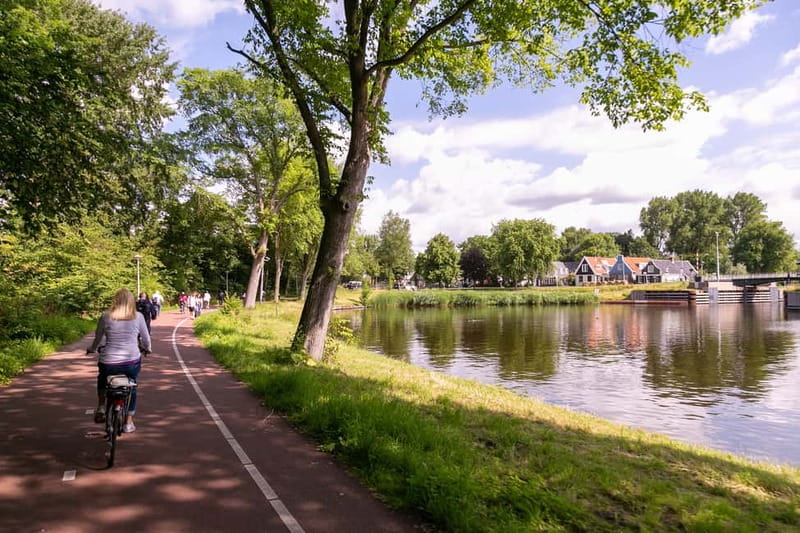
I’d put this tour on your shortlist if you want a break from central Amsterdam without giving up the “I’m seeing real places” feeling. It’s great for couples, friends, and solo travelers who like bikes, food, and short stops that don’t require you to sit through long indoor visits.
It’s also a strong pick if you don’t have a lot of cycling confidence. The e-bike makes it easier, and the route is built around frequent stops and village traffic that’s generally manageable.
Skip it if you can’t ride a bike at all, because you’ll still be spending meaningful time cycling between stops.
Should You Book This E-Bike and Cheese Tour?
Yes—if you want countryside without the hassle. The combination of ferry-to-countryside pacing, windmill viewing, and a proper cheese farm stop with tasting makes it feel like a complete day experience, not just a “bike rental with a snack.”
Book it especially if you like the idea of Waterland’s polders and villages as a story you can ride through, and if you want a planned route that gets you out of Amsterdam efficiently. If you’re sensitive to seat comfort or you hate getting caught in rain, dress for weather and treat the ride back as part of the experience rather than a punishment.
If you want a fun, practical way to see Dutch life outside the center, this tour is one of the best bets you’ll find.
FAQ
How long is the Amsterdam Windmill, Cheese, and Countryside E-Bike Tour?
The tour runs about 4 hours.
Is it guided or can I go self-guided?
You can choose a guided option with a live English guide or a self-guided option using an app route. There’s also an optional audio guide in English for the self-guided experience.
Where does the tour start and end?
It starts and ends at Piet Heinkade 25 in Amsterdam (1019 BR). You return back to the meeting point.
What’s included in the price?
Included items are the e-bike and helmet, and a cheese farm visit. If you pick the guided option, you also get a live English guide.
What do I need to bring?
Bring a reusable water bottle.
What type of biking skill level is required?
The tour is not suitable for people who can’t ride a bike.
Is there a height requirement for the e-bike?
Yes. E-bikes are not suitable for those under 160 cm.
Are there food stops included?
Cafe purchases are not included.
How big is the group?
The group is limited to 15 participants.
Can the tour be canceled due to weather?
In severe weather, the tour may be canceled.