REVIEW · AMSTERDAM
Amsterdam 1-Hour Canal Cruise With Live Guide
Book on Viator →Operated by Captain Jack Amsterdam · Bookable on Viator
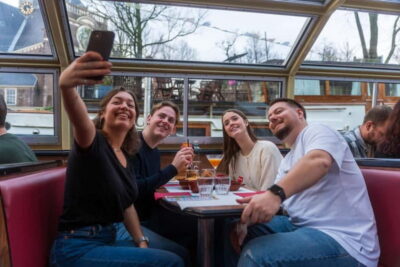
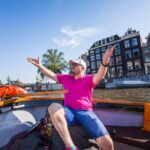
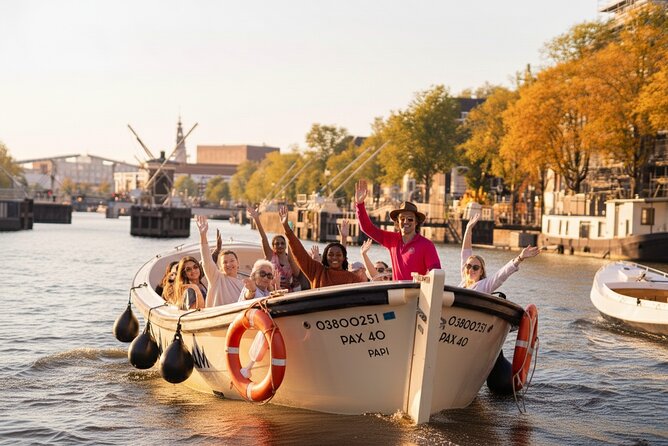
One hour, and Amsterdam clicks into place. This luxury electric canal cruise gives you a front-row view of the city’s famous waterways without the rattle and fumes you get on older boats, plus you’re riding in comfort on a spacious open-air deck. In cold weather, the setup shifts to a closed and heated boat, with blankets provided to keep things cozy.
I especially like the live guide commentary that turns the passing sights into clear stories, not just a list of names. The boats stay small, so it’s easier to ask questions and get real back-and-forth. One possible drawback: departure timing can run late, so don’t stack a tight walking plan right after the cruise.
In This Review
- Key Things I’d Prioritize on This Cruise
- Electric-Powered Comfort: Why This Boat Feels Different
- Price and Value: Is $26.59 a Good Deal?
- Meeting at Prinsengracht 261a and What One Hour Really Means
- Jordaan to Anne Frank: The View That Puts History in Motion
- Grachtengordel Geometry: Seeing the UNESCO Canal Ring Like a Map
- Rijksmuseum Dock: Art Appreciation Without a Timed-Entry Rush
- Houseboats and Real Living: The Prinsengracht Houseboat Museum Pass-By
- Skinny Bridge Romance and Amstel Big-City Energy
- From Churches to Markets: Not Just Landmarks, the Everyday Amsterdam Mix
- On-Board Experience: Small Boat Feel, Warm Seats, and the Guide’s Role
- Best For Who: The Fast Canal Crash Course for Your Trip
- Should You Book This One-Hour Canal Cruise?
- FAQ
- FAQ
- How long is the Amsterdam canal cruise?
- Where do I meet for the tour?
- Is the boat open-air?
- What is included with the ticket?
- Are alcoholic drinks included?
- Are snacks included?
- How many people are on the boat?
- Which major sights will I see from the water?
- What happens if the weather is bad?
- Can I cancel and get a refund?
Key Things I’d Prioritize on This Cruise
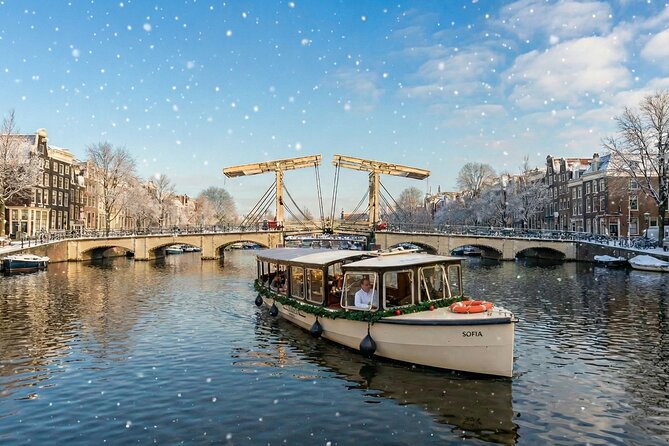
- Quiet electric-powered ride that feels smoother than traditional canal boats
- Cushioned seats, blankets, and umbrella coverage for chilly or drizzly days
- Live guide context on landmarks like the Anne Frank area, the Rijksmuseum, and the canal ring
- Small group (up to 30) for a more conversational feel
- Comfort shift in winter to a closed, heated boat so the cruise stays pleasant
- Docking in front of the Rijksmuseum for a real moment of museum-facing views
Electric-Powered Comfort: Why This Boat Feels Different
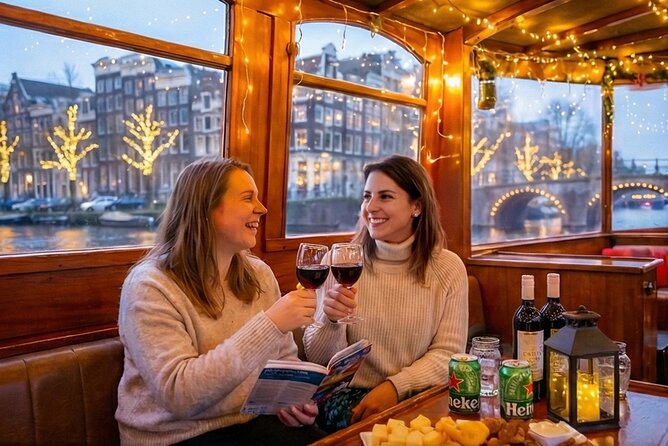
Amsterdam canals are pretty from land, sure. But from a boat, the city’s architecture reads like a map. This cruise leans into that with an electric-powered boat and a deck layout designed for watching—wide sightlines, cushioned seating, and a quieter ride than you’d expect from noisier engines.
The comfort details matter more than they sound. Blankets and even umbrella coverage mean you can stay outside on the deck when the weather turns. And in winter, the tour switches to a closed and heated boat, which keeps the hour from turning into a cold endurance test.
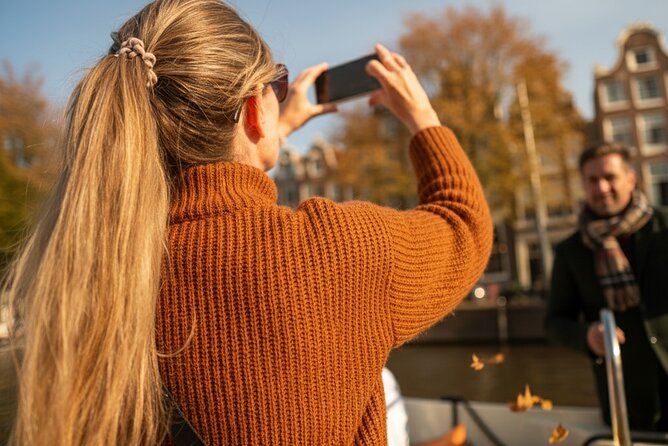
If you’re the kind of person who likes to take photos, this is a strong format. You’re positioned to glance up at gables and canal-house façades, then look forward to the next bridge. It’s not rushed like some multi-stop tours, and it’s not so slow that you lose the thread.
You can also read our reviews of more boat tours in Amsterdam

Price and Value: Is $26.59 a Good Deal?
For $26.59 per person for about one hour, the value comes from three things: boat quality, guide time, and what you avoid by booking this format.
First, you’re paying for a comfortable electric cruise with provided blankets and umbrella coverage. That’s not the norm for cheaper canal rides where you’re packed in and cold fast.
Second, you’re paying for live guide storytelling. A canal is basically repeating geometry—water, bridges, narrow façades. Without interpretation, you can end up seeing lots of buildings and remembering none of it. With the guide, you get context fast, which is exactly what you want when you only have an hour.
Third, it’s a good way to choose your landmarks for later. Seeing areas like the Anne Frank hiding-house surroundings and the Rijksmuseum frontage from the water helps you decide what to revisit on foot. This is less about checking boxes and more about getting your bearings quickly.
Meeting at Prinsengracht 261a and What One Hour Really Means
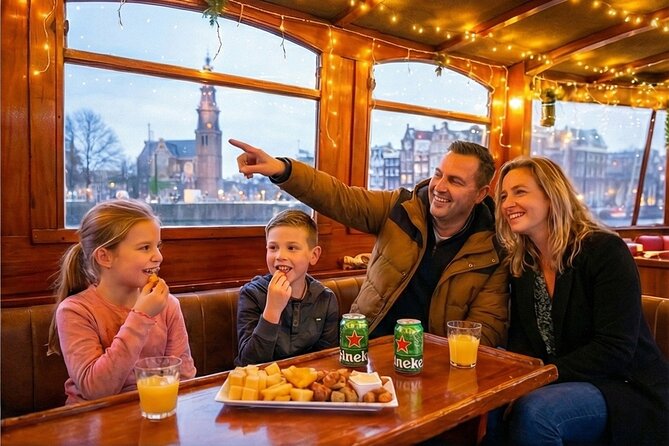
The cruise starts at Prinsengracht 261a, 1016 GV Amsterdam, and ends back at the same place. That matters because it keeps you from wasting time crossing the city to another dock.
This is also a one-hour tour, so it’s built for a lightweight overview. Expect pass-bys and key views more than long stops. Even when the route includes a dock in front of the Rijksmuseum, it’s still part of the flow—enough time to appreciate the view, not enough to turn it into a second museum visit.
My practical take: treat this cruise as your canal “warm-up.” If you’ve got only a day or two in Amsterdam, the hour can help you spot the best streets to walk afterward—especially in areas like Jordaan and along the main canal belts.
Jordaan to Anne Frank: The View That Puts History in Motion
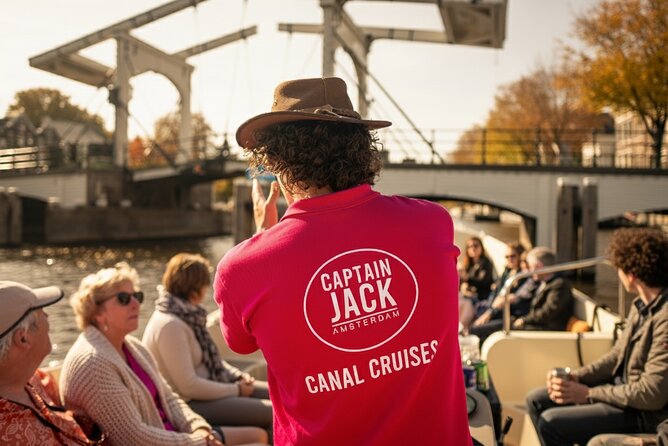
The tour’s Jordaan start point is a smart choice. Jordaan is where you feel the city’s human scale—small bridges, intimate canal edges, and a neighborhood vibe that’s not just postcard scenery. From here, you move into some of Amsterdam’s most historically loaded views.
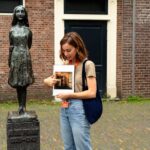
One of the most important pass-bys is the area connected with Anne Frank’s hiding place—the Prinsengracht house where Anne Frank and her family hid from the Nazis for more than two years. Even if you don’t go inside, seeing the canal-side setting from the water helps you understand why this location mattered: canal houses are close, private, and quietly tucked into the city’s daily life.
A quick consideration: places tied to Anne Frank will naturally be crowded and emotionally heavy. From the boat, you get the sense of the setting without the long lines—still respectful, but lighter on your schedule.
Grachtengordel Geometry: Seeing the UNESCO Canal Ring Like a Map
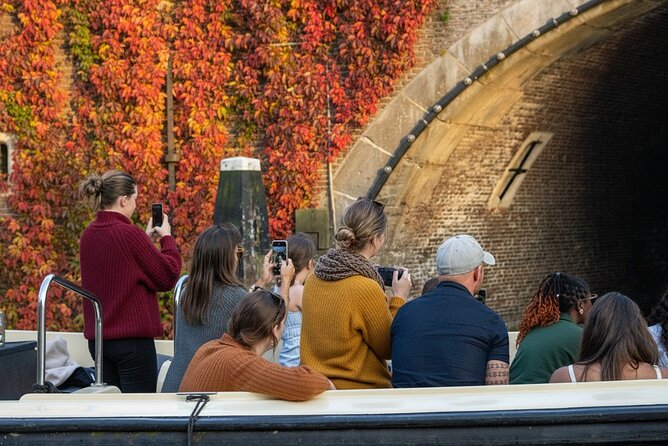
This cruise shines when it explains how Amsterdam’s canals work as a system. You’ll hear about the Grachtengordel, the UNESCO-listed canal ring (listed in 2010) formed by the three main canals: Herengracht, Prinsengracht, and Keizersgracht. They were dug in the 17th century during the Dutch Golden Age, forming concentric belts around the city.
From the deck, the “ring” idea clicks instantly. The bridges aren’t random; they’re links between layers of neighborhood and commerce. The guide’s framing turns what can look like repeating house façades into a pattern you can follow.
You’ll also hear the scale numbers that help you grasp why Amsterdam calls itself the Venice of the North: over one hundred kilometers of grachten, around 90 islands, and about 1,500 bridges. And along these canals, there are said to be around 1,550 monumental buildings. The result is that every turn gives you a new angle of the same master plan.
You can also read our reviews of more guided tours in Amsterdam



Rijksmuseum Dock: Art Appreciation Without a Timed-Entry Rush
A standout moment is that the boats dock in front of the Rijksmuseum. That’s not just a drive-by. It’s a quick chance to take in the museum building from the canal side and get a sense of how art institutions sit right inside the city’s everyday waterfront life.
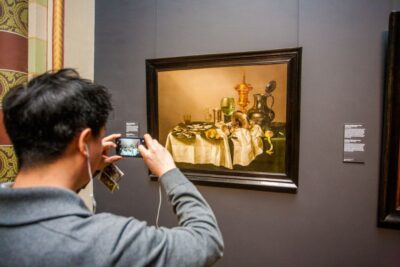
You’ll also hear about Rembrandt’s Night Watch, one of the museum’s most famous works. Even if you don’t go inside during this cruise, seeing the museum frontage from the water makes it easier to visualize what you’ll want to view later.
If you’re a first-timer, this is the best kind of shortcut. Instead of trying to choose museums before you even understand the geography, you cruise past the big names and let the city’s layout steer you.
Houseboats and Real Living: The Prinsengracht Houseboat Museum Pass-By
One of the most interesting practical views is around the houseboat area on the Prinsengracht, including the houseboat museum. The idea here isn’t just cute canalside housing—it’s a reminder that Amsterdam’s waterways aren’t only scenery. People live on them.
This is also one of those stops that tends to work well for families. A houseboat setting can hold attention better than pure architecture talk, and kids often find the idea of “living on the water” instantly memorable.
For adults, it adds texture to the canal story. You start the cruise seeing major institutions and iconic façades, then you get a glimpse of daily life—useful balance in a single hour.
Skinny Bridge Romance and Amstel Big-City Energy
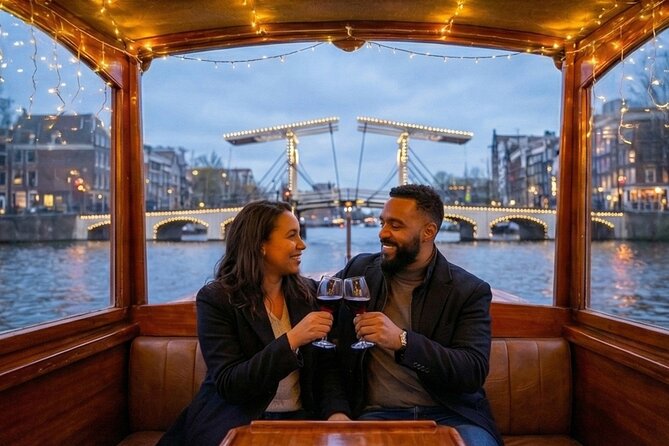
Amsterdam has bridges that are more like characters than infrastructure. You’ll pass by the Magere Brug, the wooden drawbridge sometimes called the Skinny Bridge. It’s famous partly because of its narrowness historically—hard for pedestrians to pass comfortably—and because it’s tied to the “love bridge” nickname where people associate kissing at the bridge with luck.
Then the route threads toward the Amstel, the river that helps explain Amsterdam’s origin story: Amsterdam is often described as beginning with a dam built near the river. The name Amstel also connects to the beer with the same name, which makes the story feel less like textbook trivia and more like cultural branding.
As the Amstel area comes into view, you get a sense of Amsterdam’s larger entertainment and landmark density. You’ll pass places tied to performances and big cultural venues, including the Royal Theatre Carré and opera-related spaces in the Stopera area (where Dutch National Opera performs).
From Churches to Markets: Not Just Landmarks, the Everyday Amsterdam Mix
Canal cruising is great when it doesn’t only stick to monuments. This route gives you a blend of religious, cultural, and neighborhood texture from the water.
You may see the Duifkerk area and hear how it relates to earlier structures and restoration work. You’ll also pass the Westerkerk and Zuiderkerk—two Protestant churches associated with different parts of the canal ring neighborhoods. Even without architectural deep dives, the guide’s framing helps you understand how Amsterdam grew and organized its communities.
Markets and street-life zones pop up too. The Noordermarkt area and the Nieuwmarkt neighborhood are both part of the broader canal-city feel—squares and canal edges that carry everyday activity, not just museum crowds. And since you’re moving by water, you don’t have to fight the foot-traffic bottlenecks that can form around these places.
Art stops appear along the way as well—things like the Museumplein area (where the Rijksmuseum, Van Gogh Museum, and other museum spaces cluster). You’re not going inside on this cruise, but you’re given enough visual orientation to plan a smarter museum route afterward.
On-Board Experience: Small Boat Feel, Warm Seats, and the Guide’s Role
This is where the cruise earns its high marks. The boat is described as spacious for a canal vessel, with cushioned seats and blankets. Those details don’t just help comfort—they keep you willing to stay on deck and watch the scenery instead of constantly moving inside.
The guide is the engine of the experience. The point isn’t to overwhelm you with facts; it’s to connect what you see—bridges, canal rings, historic buildings—to why Amsterdam developed the way it did. In practice, the guide’s style tends to land as entertaining and easy to follow, and the smaller group size supports conversation.
Two real-world considerations to keep in mind:
- Audio can vary. On at least one occasion, a loud radio used for safety made it harder to hear the guide clearly. If you’re sensitive to that, plan to sit closer to where you can focus on the guide’s voice.
- Boarding can be tricky for seniors. Because it’s a boat with deck access, step-up or uneven footing can be a factor—worth considering if mobility is limited.
Best For Who: The Fast Canal Crash Course for Your Trip
This cruise fits best if you want to get value from a short time. If you’re visiting Amsterdam for the first time, have limited days, or you’re tired from walking museum hours, this one-hour format is ideal.
It also makes sense for people who like a guided overview but don’t want to commit to a full half-day. You get the big anchor sights: Anne Frank area, Rijksmuseum frontage, and the UNESCO canal ring geometry, plus the “real Amsterdam” mix around Jordaan and the Amstel.
If you’re expecting a walking tour style experience with deep stop-by-stop museum narration and long on-land time at every attraction, you might feel shortchanged. This is built for a smooth canal loop and clear commentary in motion—great for orientation, not for an extended, immersive deep dive.
Should You Book This One-Hour Canal Cruise?
If you’re deciding between skipping a canal cruise and doing one, I’d lean yes—especially if your schedule is tight. For roughly an hour, you get the kind of canal context that makes your later sightseeing easier, plus the comfort upgrades (electric boat, blankets, and winter heating) that make the experience actually enjoyable in less-than-perfect weather.
Book it if:
- You want to see the main canal ring and iconic landmarks with less effort.
- You like guide storytelling and want it to connect to what you’ll see later on foot.
- You want a small-group vibe with a relaxed pace.
Skip or consider a different format if:
- You need a strict timetable with no margin for delay.
- You’re looking for a long, on-foot, multi-hour guided tour experience rather than pass-bys from the water.
FAQ
FAQ
How long is the Amsterdam canal cruise?
The cruise runs for about 1 hour.
Where do I meet for the tour?
The meeting point is Prinsengracht 261a, 1016 GV Amsterdam and the tour ends back at the same place.
Is the boat open-air?
In warmer weather you’ll ride on an open-air deck. In winter, the tour uses a closed and heated boat.
What is included with the ticket?
The ticket includes the luxury electric boat, all fees and taxes, blankets, and umbrellas.
Are alcoholic drinks included?
No. The boat has a bar where you can buy alcoholic and non-alcoholic beverages.
Are snacks included?
Snacks are not included. Nuts are available for purchase.
How many people are on the boat?
The tour has a maximum of 30 travelers.
Which major sights will I see from the water?
You’ll pass key areas such as the Anne Frank hiding-place area, the Rijksmuseum, and you’ll cruise through the canal ring on routes tied to Herengracht, Prinsengracht, and Keizersgracht, with bridges like Magere Brug also mentioned.
What happens if the weather is bad?
The experience requires good weather. If it’s canceled due to poor weather, you’ll be offered a different date or a full refund.
Can I cancel and get a refund?
Yes. You can cancel for a full refund if you cancel at least 24 hours before the start time. Changes made within 24 hours aren’t accepted.
If you want, tell me your travel dates and whether you’re going in summer or winter, and I’ll suggest the best time of day to do this cruise for photos and comfort.