REVIEW · AMSTERDAM
Amsterdam: Exclusive Red Light District Tour and Drink
Book on GetYourGuide →Operated by Trigger Tours · Bookable on GetYourGuide
Neon streets feel different with context. This 2-hour walk is interesting because you see Amsterdam’s Red Light District landmarks while a guide ties what you notice to the area’s past and present; I especially like the Red Light District history lesson and the local pub drink that gives you a normal landing after a heavy subject. The main drawback: the tour talks about prostitution, peep shows, and the coffee shop/drug-law side, so it may feel uncomfortable if you’re sensitive to sexual content.
You’ll start near the Damrak area (meet at Park Plaza Victoria Hotel, Damrak 1-5), then head into the old-town maze before your route funnels toward the Red Light District. Expect a brisk walking pace through narrow streets, with frequent stops to orient you so you don’t feel like you’re just passing storefronts.
The tour runs with a live English, German, Spanish, or Dutch guide, and the mix of stops (old churches, Chinatown, major squares) helps explain how this neighborhood sits inside the wider city. If you’re the type who likes history tied to real streets, you’ll get a lot out of it.
In This Review
- Key things to know before you go
- Where the tour begins: Damrak hotel to the Red Light doorstep
- Oude Kerk and the Binnenstad: old Amsterdam before the hard part
- Warmoesstraat and Amsterdam’s Chinatown: the city’s mixing in plain view
- Royal Palace area and Rembrandtplein: a quick reality check
- Grachtengordel and Dam Square: canals and civic space on the way in
- Inside the Red Light District: windows, peep shows, and why rules matter
- Coffee shops explained: the name, the laws, and what people actually mean
- The included pub drink: why that timing works
- Guides and vibe: personable teaching makes the difference
- Price and value: is $94 worth it for a 2-hour walk?
- Who should book this tour, and who should pass
- Should you book the Amsterdam Red Light District tour and drink?
- FAQ
- FAQ
- How long is the Amsterdam Red Light District tour?
- Where do I meet the guide?
- What is included in the price?
- Is food included?
- What topics does the guide cover?
- What stops are part of the walking route?
- What languages are available?
- Is the tour accessible for people with mobility impairments?
- What are the cancellation terms?
Key things to know before you go
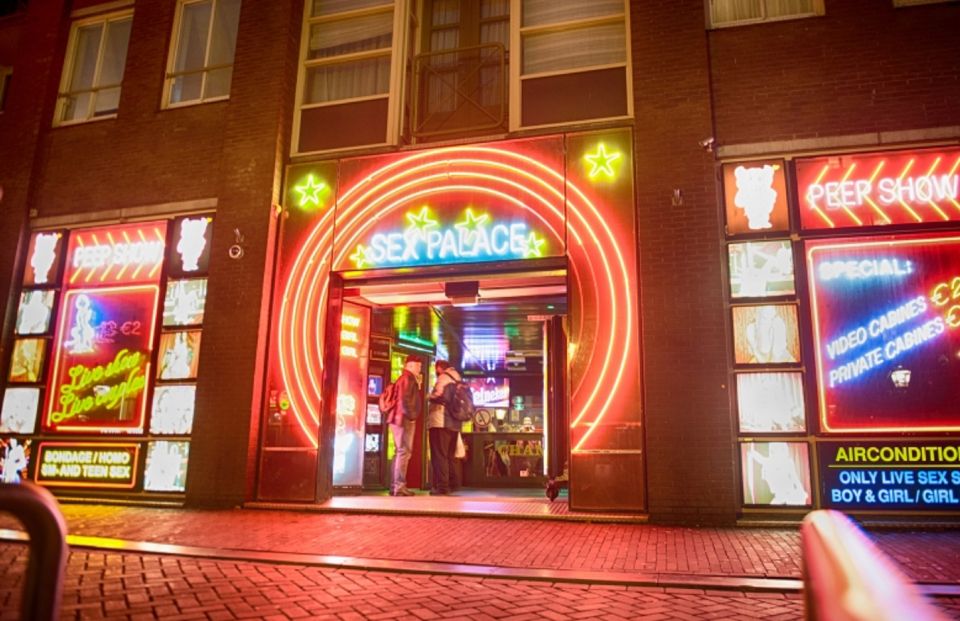
- Windows, bars, and nightclubs are the visual center, but the guide puts them in context instead of leaving it vague
- Coffee shop culture gets explained, including why the name exists and how the rules are described for soft drugs
- Prostitution and peep shows are discussed as part of the district’s evolution, not just shocking headlines
- A drink in a local pub is included, which helps keep the mood from going straight from intense to awkward
- Old town + Chinatown stops matter because they frame Amsterdam’s mixing of cultures before you reach the Red Light District
Where the tour begins: Damrak hotel to the Red Light doorstep
This experience kicks off at the Park Plaza Victoria Hotel area on Damrak (meet at the main entrance, Damrak 1-5). From there, you’re guided through inner-city streets in a way that helps you get your bearings quickly rather than wandering on your own.
The walk is planned for about two hours, with short sightseeing stops along the way. That matters because the Red Light District is not just a single street—it’s a cluster of blocks, sights, and side alleys. When you arrive without context, it can feel overwhelming. With a guide, the same streets can feel clearer and more purposeful.
A practical note: the pace is walking-heavy, and you should be prepared for city streets and tight corners. If mobility is an issue, this isn’t designed for comfort on foot.
You can also read our reviews of more tours and experiences in Amsterdam.
Oude Kerk and the Binnenstad: old Amsterdam before the hard part
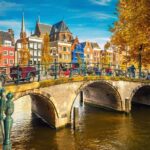
Early on, you’ll hit major landmarks like Oude Kerk and the surrounding Binnenstad area. Even if you’ve seen churches in other European cities, this stop works because it reminds you that Amsterdam’s core story didn’t start with nightlife. You’re standing in a part of town that represents the city’s older layers, right before the tour’s tone shifts.
Think of this section as your mental warm-up. The guide uses these places to explain how Amsterdam grew and how neighborhoods changed over time. You’ll walk away with a better sense of why the Red Light District is where it is, and not just that it exists.
One small drawback: if your goal is only the Red Light District itself, the first stretch may feel like preheating. But it’s also the section that makes the later stops land better.
Warmoesstraat and Amsterdam’s Chinatown: the city’s mixing in plain view
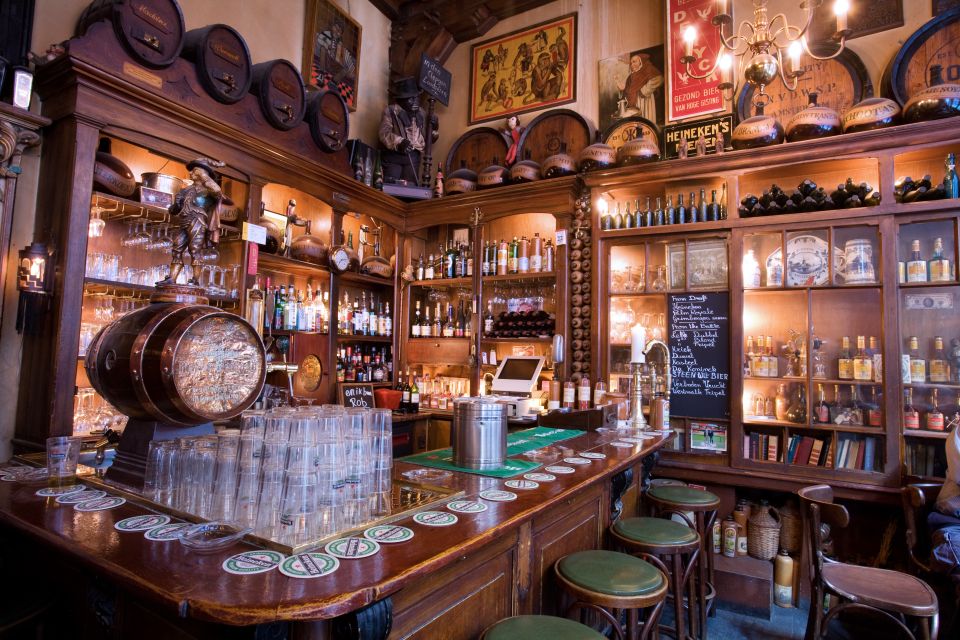
As you continue, you’ll pass through Warmoesstraat and into Amsterdam Chinatown. This is one of those parts of the tour that feels like a detour until you realize it’s doing real work.
Chinatown and nearby streets show a different kind of Amsterdam: immigrant communities, different storefront styles, and a lived-in feeling that’s distinct from the Central Station tourist bubble. In the tour’s framing, this matters because it sets up a key idea: Amsterdam’s neighborhoods have long held different cultures side by side.
You’ll also get stops that connect the city’s present identity to its history. That context helps you avoid the common trap of treating the Red Light District like a separate world with no ties to the rest of the city.
Royal Palace area and Rembrandtplein: a quick reality check
The route includes the Royal Palace, Amsterdam area and continues on toward Rembrandtplein. These stops act like contrast panels in an art show: grand architecture and a famous square, then later the tight, intense streets of the district.
Why you’ll likely appreciate this: it prevents you from simplifying Amsterdam into one theme. The city manages to hold multiple worlds at once. Seeing royal-adjacent spaces in the same tour flow makes it clearer how ordinary Amsterdam life and nightlife corridors can sit close together.
At Rembrandtplein, you’re likely to feel the shift in energy even before you reach the Red Light core. That’s where the guide’s explanations help you keep your head. You’re not just reacting to visuals—you’re understanding what you’re seeing.
Grachtengordel and Dam Square: canals and civic space on the way in
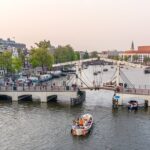
Next, you’ll walk through the Grachtengordel area and reach Dam Square before you circle back. Canals and civic spaces matter here because they show you the city’s structure: Amsterdam’s layout isn’t random. When you understand the geometry—main squares, canal corridors, key streets—you can follow the Red Light District route with more confidence.
Dam Square also serves as a psychological reset. After you’ve processed intense neighborhood details, a central square can feel like a breather. It’s one of the reasons this tour doesn’t just throw you into the Red Light District and leave you there.
If you’re the kind of person who likes to look at how places connect, you’ll enjoy this section. If you’re strictly there for the sex-and-nightlife angle, you may skim mentally. Still, the guide’s framing is the point.


Inside the Red Light District: windows, peep shows, and why rules matter
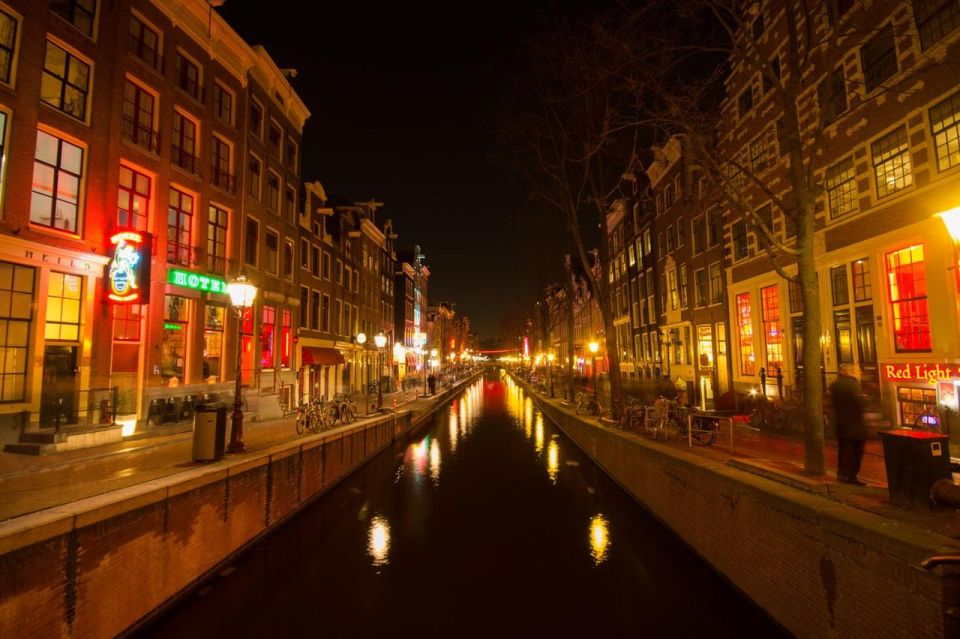
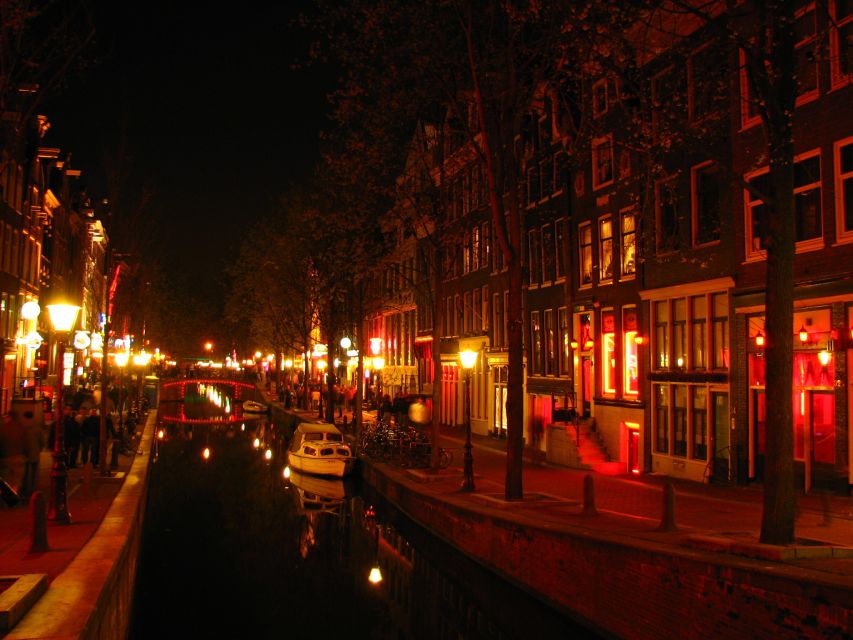
Now you get to the reason for booking: the Red Light District. You’ll walk through the narrow streets where you can see the famous windows, along with bars and nightclubs in the area.
The most valuable part is what the guide does with those sights. Instead of treating it like spectacle, you’ll learn about the district’s history and how it looks today. The tour also covers working as a prostitute in the district and discusses liberal laws and the practical realities that come with them—plus the role of peep shows.
A heads-up for your mindset: this isn’t a light chat. If you prefer your city stories purely historic or purely entertainment-based, this portion can feel heavy. But if you want to understand how modern cities handle complicated, sensitive industries, the structured explanations are exactly what you came for.
This is also where you’ll probably get the best “I get it now” moments. You’ll start linking what you see—windows, storefront setups, nighttime activity—to the broader system of laws, attitudes, and historical change that the guide explains.
Coffee shops explained: the name, the laws, and what people actually mean
The tour doesn’t stop at the prostitution side. It also tackles coffee shops and Amsterdam’s soft-drug culture.
What I like about this part is that it addresses two common areas of confusion: why the term coffee shop is used at all, and what the described rules are for consumption and production of soft drugs. In other cities, drug culture tends to be either ignored or mythologized. Here, the guide brings it into the realm of practical, legal explanation.
For you, this can be a useful way to understand why Amsterdam has a reputation that gets distorted online. When you hear the rules described in context, it’s easier to separate what’s legally allowed, what’s socially treated as normal, and what’s just sensational.
Just remember the topic: even if you’ve heard rumors, you’re walking through a place where the real-world consequences and enforcement details matter. The guide’s tone can help you stay grounded while still learning what the system is.
The included pub drink: why that timing works
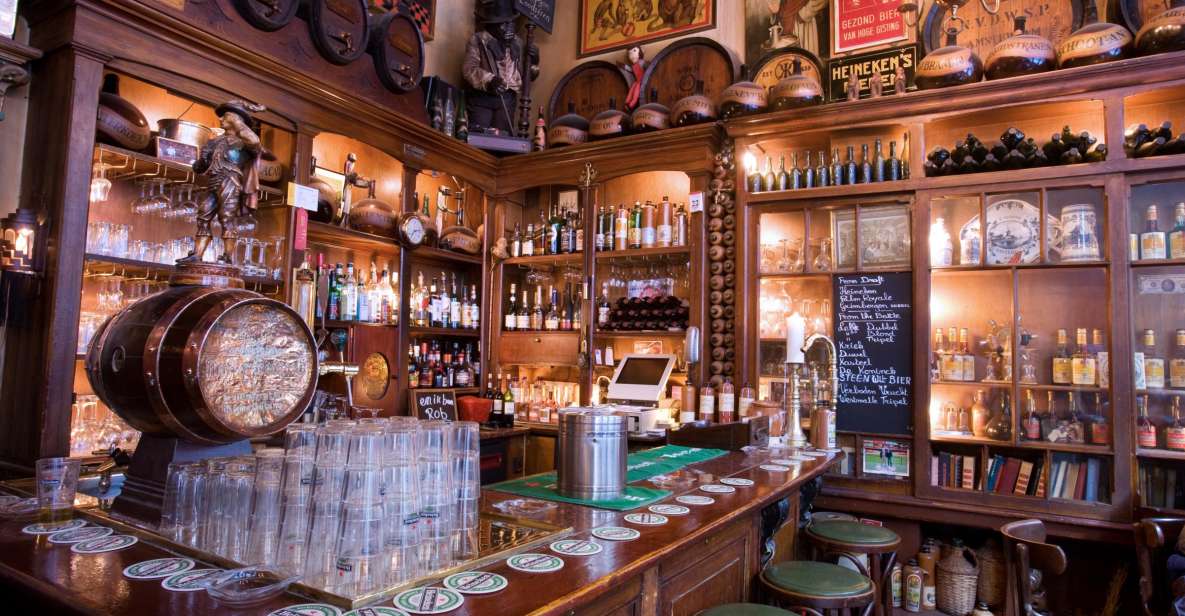
After you’ve covered prostitution history, peep shows, and coffee shop rules, the tour ends with a drink of your choice in a local pub.
This part sounds simple, but it’s smart. It gives you time to reflect before you step back out into the streets, where your brain might still be buzzing from intense visuals and hard context. You’ll likely appreciate the pacing: two hours of walking and learning, then an easy social finish.
It’s also practical. You don’t need to hunt for somewhere to sit right when you’re done. If you’re timing dinner later, you’ll still have energy to move on without scrambling for a place.
No food is included, so if you’re hungry after the drink, you’ll want to plan a meal separately.
Guides and vibe: personable teaching makes the difference
The quality of this kind of tour depends heavily on the guide’s approach, and the experience seems to land that sweet spot. Names that come up include Andrea and Agapios, both described as personable and smart, with a fun style that keeps it from turning into a lecture.
That matters for a subject like this. You need a guide who can provide facts and context while also reading the room—especially when the content is sensitive.
If you want a tour that explains what you’re seeing in plain language, that guide style is the real value.
Price and value: is $94 worth it for a 2-hour walk?
At $94 per person for about two hours, you’re paying for a guided walking experience plus one included drink. There’s no food package here, so the cost isn’t being used to “buy time” with a long meal.
The value question becomes simple: would you learn the same things on your own by strolling? Probably not. The worth is in the explanations—history of the Red Light District, discussion of working there, the role of liberal laws, and the coffee shop culture breakdown including why the name exists and the described rules.
In places like Amsterdam, context is the difference between sightseeing and understanding. If you want the context, this price starts to look fair. If you only want photos and quick street views, you’ll likely feel like you paid more than you needed.
Who should book this tour, and who should pass
You’ll probably enjoy this most if:
- you like guided walking tours where the guide explains sensitive or misunderstood topics clearly
- you want a Red Light District experience that includes more than shock value
- you’re interested in how Amsterdam’s liberal policy reputation connects to real rules and local culture
- you want a practical finish with an included drink
You may want to skip it if:
- sexual content and prostitution topics are a hard no for you
- you’re uncomfortable with the coffee shop and soft-drug-law discussion
- long walking stretches are a problem (it’s not suitable for people with mobility impairments)
This is also ideal if you’re doing your Amsterdam trip and want one structured evening experience rather than piecing information together from scattered sources.
Should you book the Amsterdam Red Light District tour and drink?
If you want to see the Red Light District and understand it—history, current situation, and the coffee shop culture side—this is a solid choice. The two-hour format keeps it focused, the included drink prevents the awkward ending, and the guide-led explanations are the main reason to pay instead of wandering.
But be honest about your tolerance. This tour talks about prostitution, peep shows, and drug-law context. If that theme will stress you out, skip it and choose a more general Amsterdam history walk instead.
FAQ
FAQ
How long is the Amsterdam Red Light District tour?
The tour lasts about 2 hours.
Where do I meet the guide?
Meet the guide at the main entrance of the Park Plaza Victoria Hotel on Damrak 1-5, 1012LG, Amsterdam.
What is included in the price?
A local guide is included, plus a drink of your choice.
Is food included?
No, food is not included.
What topics does the guide cover?
You’ll learn about the Red Light District, including prostitution and peep shows, plus the coffee shop culture and the described rules around soft drugs.
What stops are part of the walking route?
The tour includes stops such as Oude Kerk, Warmoesstraat, Amsterdam Chinatown, the Royal Palace area, Rembrandtplein, Grachtengordel, and Dam Square, ending back at the starting point area.
What languages are available?
The live guide is available in English, German, Spanish, and Dutch.
Is the tour accessible for people with mobility impairments?
No, it is not suitable for people with mobility impairments.
What are the cancellation terms?
You can cancel up to 24 hours in advance for a full refund.