REVIEW · AMSTERDAM
Amsterdam: Rainbow Rural Bike Tour With Local Gay Guide
Book on GetYourGuide →Operated by LGBTOUR_Amsterdam · Bookable on GetYourGuide
Cycling Amsterdam’s polders feels like a secret lesson. Explore North Holland by bike with queer local guide Sanne, and you get up-close windmill waterworks plus a ferry view of the skyline. One drawback: if you can’t ride a bike, this tour won’t work.
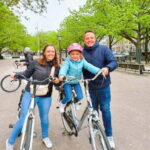
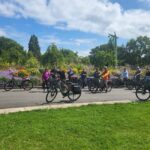
You start by Central Station’s waterside at Pancakes Amsterdam at IJ, then glide through dykes and open countryside with open-minded people. Sanne’s storytelling blends practical local history with personal queer perspective, and she’s comfortable making room for families and kids.
In This Review
- Quick Hits Before You Pedal Out
- Starting at Pancakes Amsterdam at IJ: Why This Ride Feels Local
- Sanne and the Queer-Friendly Way She Guides
- The Windmill Stop: Up Close With Dutch Waterworks
- Polders, Dykes, and the Views That Explain Amsterdam’s Attitude
- Wooden Houses and North Amsterdam’s Artsy Corners
- Abandoned Harbor and Murals: When Urban Art Meets Water
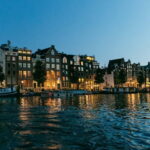
- The Ferry Back: Low-Effort, High-Impact Skyline Views
- Price and Value: Is $81 Worth It?
- Who Should Book This Tour (and Who Should Skip It)
- What You’ll Need for a 3-Hour Ride in North Holland
- Should You Book the Rainbow Rural Bike Tour With Sanne?
- FAQ
- How long is the Amsterdam Rainbow Rural Bike Tour?
- How much does the tour cost?
- What’s included in the tour price?
- Where do I meet the tour?
- What languages are the guides?
- What should I bring?
- Is this tour suitable for all cycling abilities?
- Are families welcome?
- Are there any rules about alcohol or drugs?
- What are the cancellation and payment options?
Quick Hits Before You Pedal Out
- Windmill waterworks close-up: Learn how the Dutch manage water, not just that they do.
- Dyke country panoramas: Wide views that show why flat Amsterdam needs brains as much as brawn.
- Old harbor with murals: You’ll see an artsy, abandoned-feeling area full of color on walls.
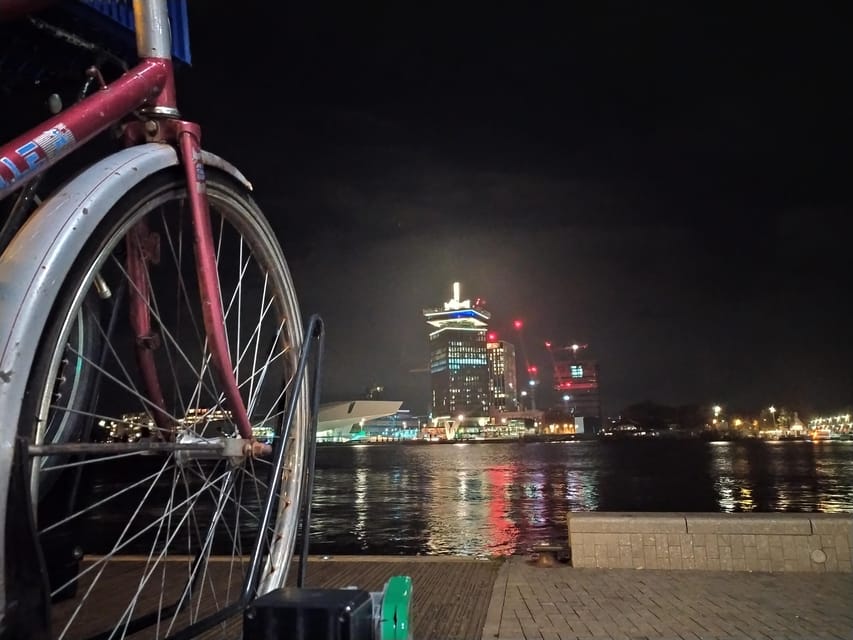
- Ferry skyline break: A low-effort ride with strong photo angles across Amsterdam’s north side.
- All-levels friendly route: Flat cycling for anyone who can stay steady in the saddle.
- Bike rental included: You skip the hassle and just show up ready to ride.
Starting at Pancakes Amsterdam at IJ: Why This Ride Feels Local
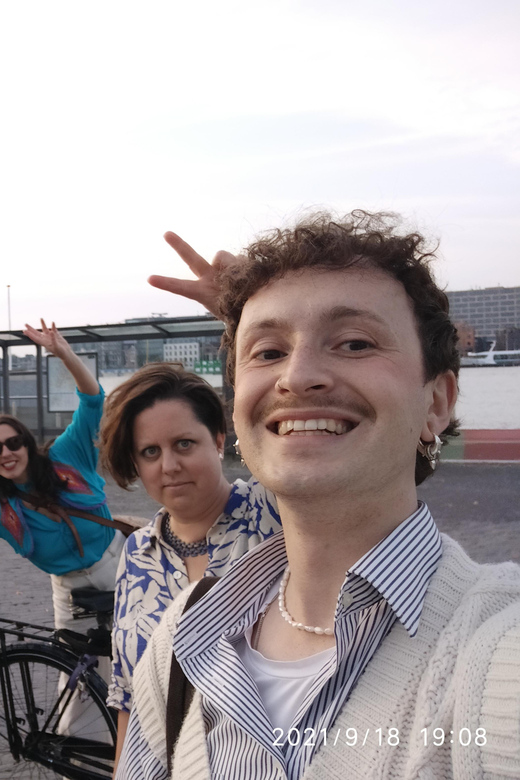
This tour starts in a very Amsterdam way: you meet by the water at Pancakes Amsterdam at IJ, just behind Central Station. That matters. It keeps the “getting there” stress low, so you can actually enjoy the ride instead of rushing logistics.
From the first minutes, the tone is calm and social. You’re not stuck in a museum-style group shuffle. You’re moving through North Amsterdam at bicycle speed, with room to talk, take photos, and simply look around. The route stays in that sweet spot just outside the city center where you still feel like you’re in Amsterdam, but you’re not trapped in crowds.
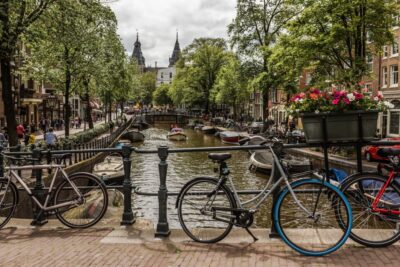
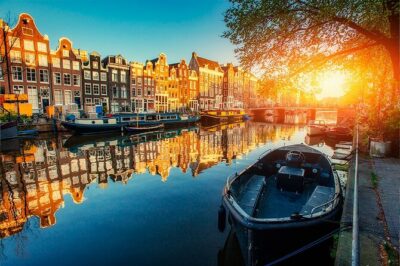
If you like the idea of seeing Amsterdam beyond the canals (without giving up your day), this is the kind of outing that makes the city feel bigger. You get countryside cues like wooden houses and polders, plus the signature Dutch relationship with water: dykes, canals, and the constant reminder that this land is engineered.
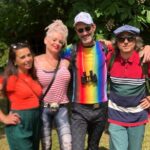
And yes, the fact that your guide is part of the LGBTQIA+ community in Amsterdam adds a different kind of comfort. This isn’t just “tolerant.” The whole experience is designed so you can show up as you are.
You can also read our reviews of more cycling tours in Amsterdam
Sanne and the Queer-Friendly Way She Guides
The biggest praise here is about the guide, and it has a clear pattern: Sanne sets people at ease fast. You’ll hear it in how the ride feels, not just what she says. If you’re nervous on a bike, she’s the type who helps you settle in. If you want time for photos, she’s happy to pause and adjust.
One of the best details is her storytelling style. She doesn’t just rattle facts. She shares historic context and personal queer stories that help the ride feel human, not scripted. That’s why this tour can work for both longtime allies and people who are meeting LGBTQIA+ stories for the first time. The vibe stays friendly and welcoming, and you don’t need to know anything in advance.
She also handles group energy well. In family settings, she’s good with kids and jokes that keep them engaged. During couples trips, she stays easygoing and encourages picture stops, even doing playful detours for fun portrait moments. The result is that the ride feels like spending a few hours with someone who knows the area and wants you to enjoy it.
It’s also worth noting that the tour is described as straight-friendly. So if you’re part of the LGBTQIA+ community, you’ll likely feel at home. If you’re not, you can still join without feeling like you’re intruding on a private club. The point is community, not exclusion.
The Windmill Stop: Up Close With Dutch Waterworks
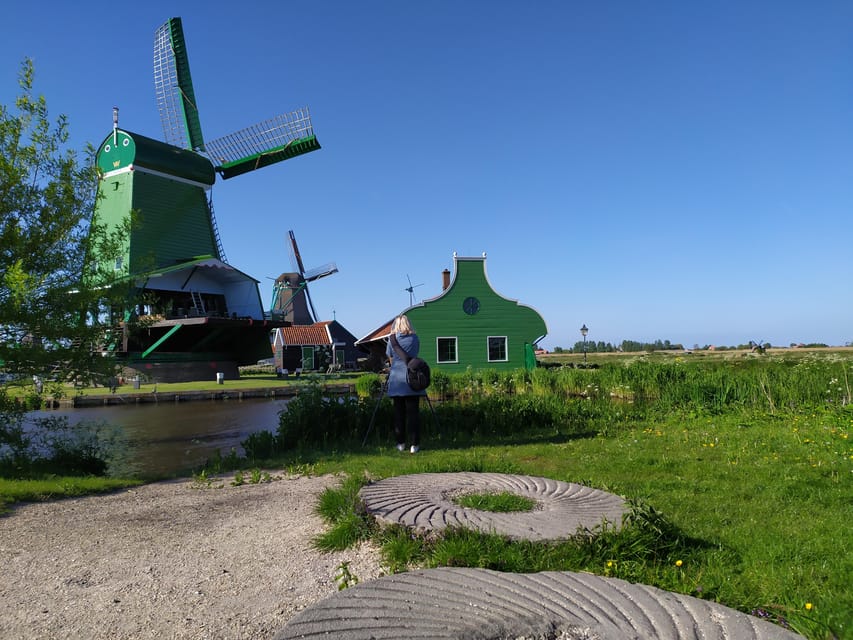
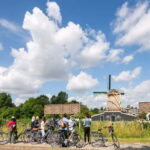
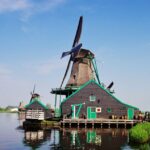
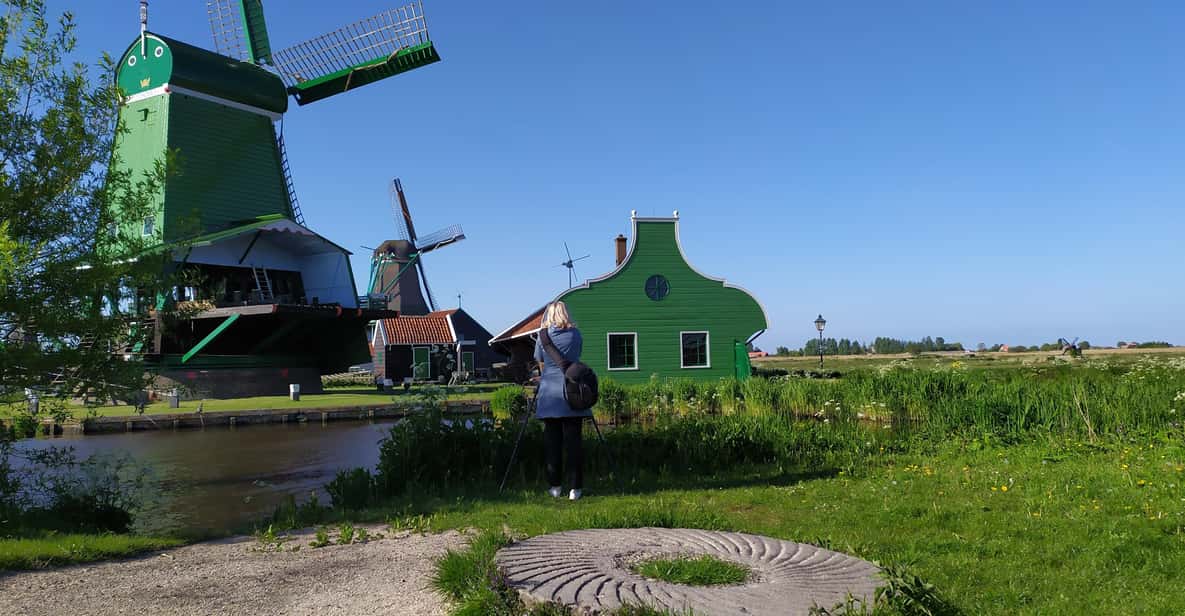
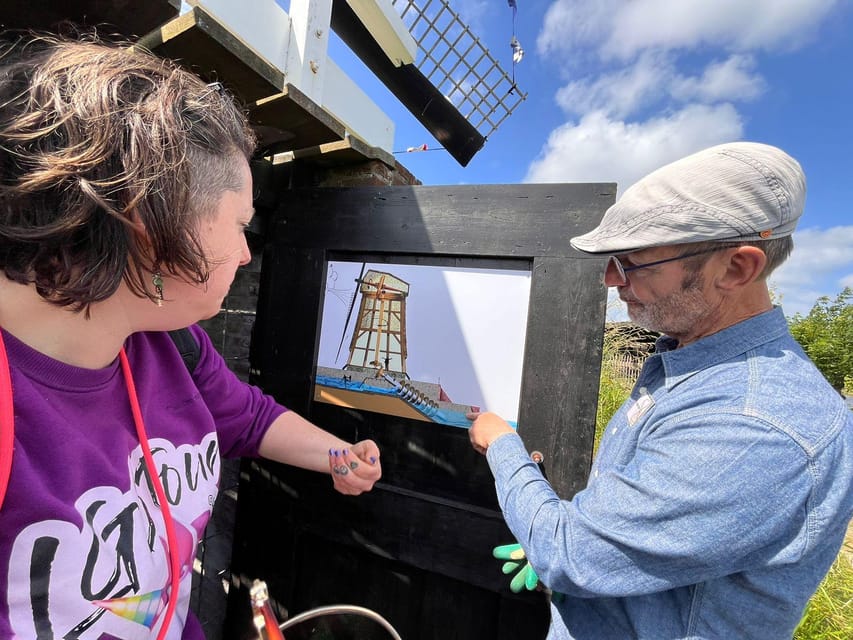
One of the tour’s “how is this even in the same city?” moments is the windmill stop. You get to see a centuries-old Dutch windmill up close, and you don’t just pass by it for a quick photo. The focus is on what it does and why it matters.
The Dutch story here isn’t romance first. It’s water management first. You’ll learn about waterworks and how the system works in practice. That’s the kind of knowledge that makes later views hit harder. Once you understand the job the windmill had, the dykes and waterways you see on the ride stop feeling like scenery and start feeling like evidence of how people live.
After a short break with views, you’ll get back on your bike and continue. This rhythm works well for a three-hour tour. It’s long enough to feel like an outing, but it’s not so long that you’re exhausted or bored between the “wow” moments.
Practical note: windmill country can feel breezy, especially near water. Bring weather-appropriate layers so you’re comfortable during that stop and the ride that follows.
Polders, Dykes, and the Views That Explain Amsterdam’s Attitude
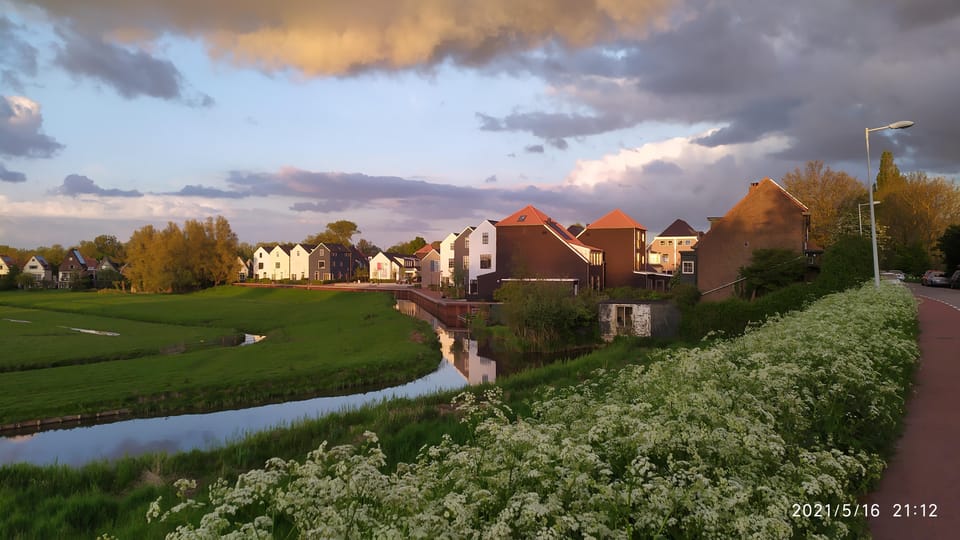
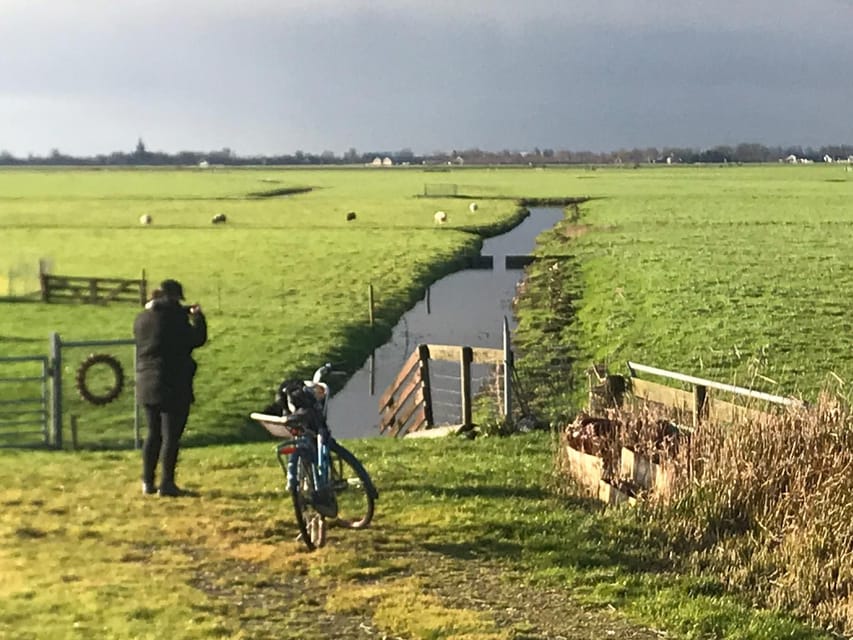
After the windmill, the route leans into typical Dutch countryside cues: polders, dykes, and that classic “flat but not boring” feeling. The ride gives you panoramic views that show the geometry of the land.
Here’s why I think this part is so valuable: it connects the dots between the Amsterdam you already know (canals, bridges, houseboats) and the Amsterdam you don’t always see (water management at a larger scale). You start noticing how the land is organized around water, not around cars or foot traffic.
You’ll also understand why the Netherlands deals with water so intentionally. The dykes aren’t random. They’re infrastructure. Seeing them while you’re actively cycling makes the lesson stick. It’s one thing to read about it. It’s another to ride parallel to waterways and realize every stretch of land has a purpose.
The countryside also gives you a mental reset. Compared to the bustle of the city center, this section feels calmer, with more room to breathe. The north side of Amsterdam has an easygoing character, and the bike route helps you experience that without needing a train or a long car ride.
If you’re the type who likes to learn without turning your day into homework, this is a strong balance. You get facts, but the ride stays social and relaxed.
Wooden Houses and North Amsterdam’s Artsy Corners
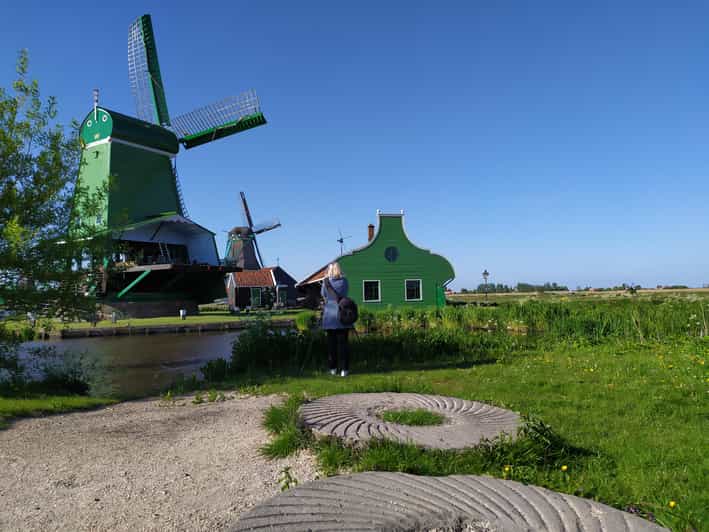
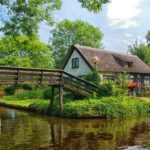
As you keep pedaling, you’ll pass through areas where the architecture tells its own story. Expect typical Dutch touches like older wooden houses and neighborhoods that feel distinct from the canal-belt vibe most visitors picture.
One stop that comes up again and again in the experience is the NDSM area. It has a creative edge, with the kind of warehouse-industrial feel that’s common in parts of the north. It’s a useful contrast after the pastoral windmill-and-dyke portion. You’re not just moving in a straight line from city to countryside. You’re seeing a north that blends history, industry, and arts.
This is also where the “easy-going” nature of the ride shows up. The route is described as suitable for all levels because Holland is flat. That doesn’t mean you should show up unprepared. It means your effort goes into enjoying the scenery and keeping your balance, not climbing hills or fighting steep grades.
If you like photos, this section is good. You’ll have moments where the background feels purposeful: walls, houses, and water all frame your shot. And if you’re lucky, you’ll find a fun photo pause tailored to your group.
You can also read our reviews of more guided tours in Amsterdam


Abandoned Harbor and Murals: When Urban Art Meets Water
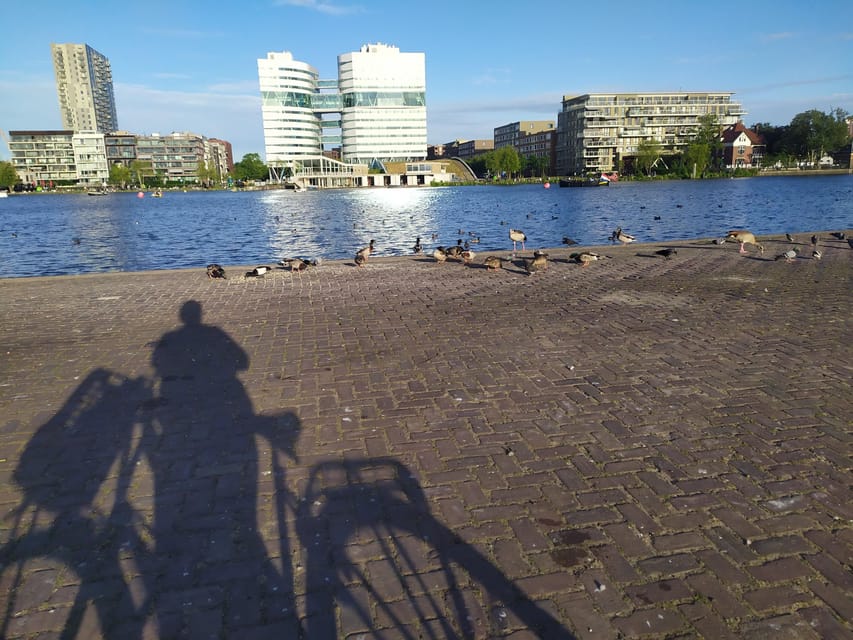
Then comes the turn toward an older industrial side of Amsterdam: the abandoned harbor area. The way this part is described says a lot about what you’ll experience. It’s full of murals, and it has that mix of “art space” and “forgotten infrastructure” that many travelers miss.
You’re not visiting a curated gallery where everything matches. You’re walking and riding through a space where color appears on surfaces that didn’t start as art walls. That makes the murals feel more spontaneous and more connected to place.
It also adds variety to your day. You’ve had windmill waterworks and dyke country. Now you get murals and industrial atmosphere. A three-hour tour can easily feel like one long theme. This one keeps shifting the setting just enough to stay interesting.
This harbor stop is also where the tour’s pace feels particularly friendly. You’ll have time to look, take pictures, and absorb the details without feeling rushed. If you like urban texture, it’s a great contrast to the countryside stretches that came before.
The Ferry Back: Low-Effort, High-Impact Skyline Views
The highlight that many people remember is the ferry ride back. It’s the kind of moment that makes you relax in your seat and just look.
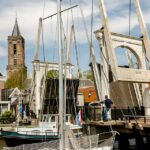
You travel along the northern part of Amsterdam with skyline views that are genuinely picture-worthy. The best part is you don’t have to work for them. After cycling and stops on land, the ferry gives you a breather while still keeping you in motion and in scenery.
For value, this matters. A lot of bike tours pack in photos but offer no scenic payoff beyond roadside views. This one adds a water-level perspective of the city that’s different from canal photos.
If the weather is warm, this part can feel like a reward. If it’s cool or windy, it’s still useful because it breaks up the cycle time. Either way, the ferry is one of those “only Amsterdam” experiences.
And since you’re already near the water for most of the tour, the ferry feels like a natural step, not a detour.
Price and Value: Is $81 Worth It?
At about $81 per person for a three-hour tour, you’re paying for three things at once: a guide, a bike, and a well-planned route with multiple major photo and learning moments.
Bike rental included is a big part of the value. In Amsterdam, bike logistics can eat time and energy. Here, you don’t have to solve that puzzle before you ride. You show up, get the bike, and start.
The guide experience is the other value lever. Sanne’s narration isn’t just “this is a windmill.” It includes personal queer stories, practical context about Dutch water management, and a group rhythm that keeps people comfortable. You can feel this in how she supports families and how she handles quick photo detours for couples.
Finally, you get two high-impact scenic segments: the harbor with murals and the ferry skyline ride. Those two add variety that you typically have to pay extra for if you book separate activities.
If you want a short, meaningful Amsterdam day that’s more than canals and more than a generic tour script, this price feels fair for what you’re getting.
Who Should Book This Tour (and Who Should Skip It)
I’d recommend this tour if you want:
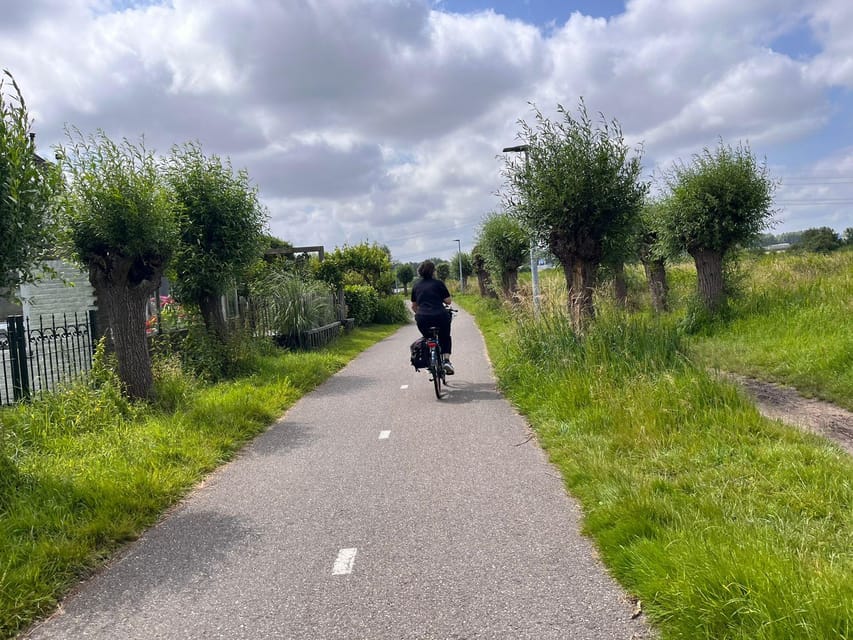
- A safe, flat bike ride outside the hectic center
- An experience built around LGBTQIA+ community comfort, with a straight-friendly tone
- A mix of countryside, water management learning, and artsy urban atmosphere
- A guide who spends time with the group, not just pushes them forward
It’s also a solid family option. The tour is described as very much suited for Rainbow families, and the guide is comfortable working with kids, using humor and pacing that keeps them interested.
You should skip it if:
- You can’t ride a bike. The tour is explicitly not suitable for people who can’t bike.
- You’re looking for a purely “passive sightseeing” outing. This is cycling-first, with stops and breaks along the way.
If you’re traveling solo, it’s still a good idea. You’ll be joining an open-minded group, and the guide is the social glue that helps the ride feel welcoming.
What You’ll Need for a 3-Hour Ride in North Holland
Bring weather-appropriate clothing. North Holland near the water can shift quickly, and wind can make it feel colder than you expect. You may also want sun protection even in mild weather, since you’ll be outside for most of the three hours.
Hydration is worth planning. The tour suggests staying well-hydrated, and that you can bring a bottle of water. If rain shows up, rain ponchos are provided.
Also note the boundaries: no alcohol or drugs are allowed. That keeps the experience grounded and comfortable for everyone, especially families.
If you wear the right basics, you’ll find the ride easy to enjoy. The route is flat, and it’s designed for different cycling levels as long as you can ride.
Should You Book the Rainbow Rural Bike Tour With Sanne?
If you want one of the easiest ways to see North Amsterdam properly, I’d book this. It gives you a full “Amsterdam beyond postcard” mix in only three hours: windmill waterworks, dyke panoramas, an abandoned harbor with murals, and a ferry skyline view.
The strongest reason to choose it is the guide. Sanne’s hosting style makes the tour feel safe and genuinely fun, while still teaching you something you’ll remember when you look at Amsterdam’s water again.
The only real reason not to book is simple: if biking is not your thing, don’t force it. But if you can ride, this tour is a smart value and an experience that feels both local and welcoming.
FAQ
How long is the Amsterdam Rainbow Rural Bike Tour?
It runs for 3 hours.
How much does the tour cost?
The price is listed as $81 per person.
What’s included in the tour price?
Bike rental is included, and the experience is described as queer joy and happiness.
Where do I meet the tour?
You meet in front of Pancakes Amsterdam at the IJ, at the back of Central Station by the water. Address: De Ruijterkade 35, 1012 AB Amsterdam.
What languages are the guides?
The live tour guide is available in English and Dutch.
What should I bring?
Wear weather-appropriate clothing, and it helps to bring water. Sunscreen, sunglasses, or a cap can be useful, and rain ponchos are provided if needed.
Is this tour suitable for all cycling abilities?
It’s described as suitable for all levels of cyclists because the area is flat, as long as you can ride a bike.
Are families welcome?
Yes. The tour is described as very much suited for Rainbow families, and families are most welcome.
Are there any rules about alcohol or drugs?
Yes. Alcohol and drugs are not allowed.
What are the cancellation and payment options?
Free cancellation is available up to 24 hours in advance for a full refund. You can also reserve now and pay later.