REVIEW · AMSTERDAM
Amsterdam Red Light District & Coffee Shop Tour
Book on GetYourGuide →Operated by Trigger Tours · Bookable on GetYourGuide
Amsterdam’s Red Light District has a story. I like the local, no-fluff explanations about how Amsterdam’s sex and drug policies work, and I also like the real coffee shop stop that makes the whole theme feel less like a gimmick; the only drawback is the area can feel uncomfortable if you prefer a softer, more traditional sightseeing pace.
What makes this tour work is the mix: you’re not just staring at red-lit windows. You’re walking with a guide through canals, Chinatown corners, and the city’s tightest streets, with humor and questions answered along the way—often by guides such as Ben, Robin, Katy, Kevin, Ari, and Aarre, based on recent departures.
In This Review
- Quick take: what you should care about
- Red Light District on foot: why this 2-hour format works
- Meeting the guide: the difference between facts and a real walk
- Where you start near the lights: streets, canals, and the local lens
- The coffee shop stop: what you’ll see and the 18+ rule
- Chinatown and Nieuwmarkt: the area beyond the Red Light District
- Café the Schreiertower and the narrow-street stops that change your view
- Casa Rosso and Condomerie: playful landmarks with serious context
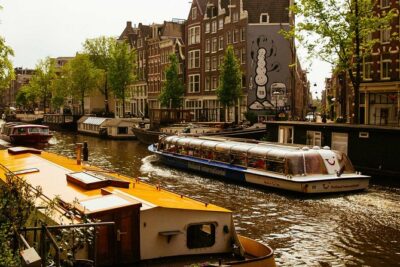
- Canal culture: why the water matters on this walk
- Respect, pace, and what can make the tour feel awkward
- Price and value: is $29 for 2 hours fair?
- Languages and group setup: making it easy to ask questions
- Who should book this Amsterdam Red Light District tour?
- FAQ
- FAQ
- How long is the Amsterdam Red Light District and coffee shop tour?
- What does the $29 per person price include?
- Are there any age restrictions for visiting a coffee shop?
- What languages are available for the live guide?
- Is this tour private or shared?
- Where does the tour start and does the meeting point stay the same?
- Is the tour suitable for people with mobility impairments?
- What is the cancellation policy and can I pay later?
- Should you book this tour?
Quick take: what you should care about
- A local-led Red Light District walk with context, including the legalization angle and today’s realities for sex workers
- Coffee shop culture stop at Café the Schreiertower area and a visit that centers on The Jolly Joker
- Chinatown + Nieuwmarkt sights that broaden the area beyond just one street
- Narrow street highlights, including the Narrowest House in Europe
- Canals as part of Dutch culture, not just scenery
Red Light District on foot: why this 2-hour format works
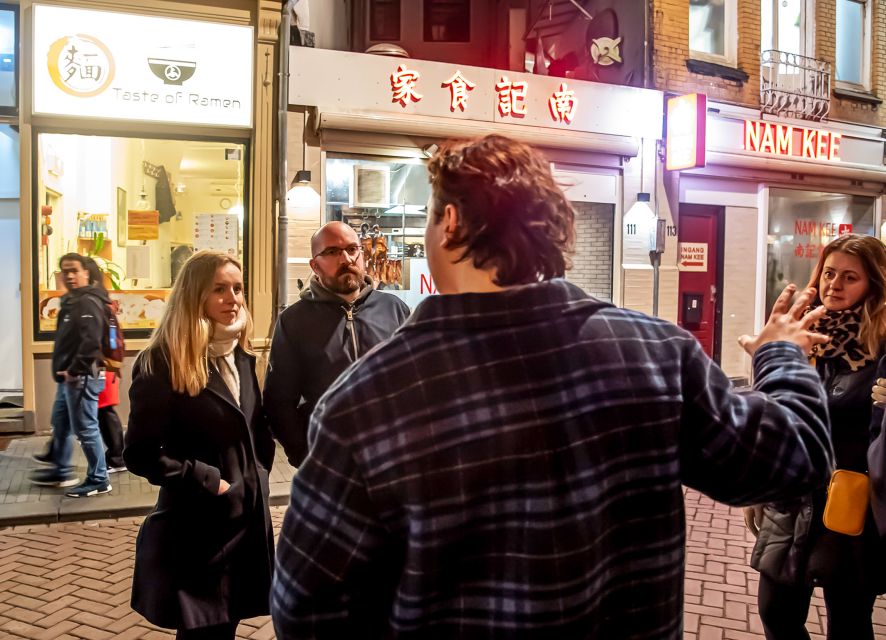
This tour keeps things focused. At about 2 hours, you get the main geography of the Red Light District and surrounding streets without feeling like you’re trapped in a long lecture.
The payoff is how the guide connects Amsterdam’s reputation to what you can still see today. You’ll be walking through small alleys and canal-adjacent streets, so the stories land faster than they would from a viewpoint.
You can also read our reviews of more tours and experiences in Amsterdam

Meeting the guide: the difference between facts and a real walk
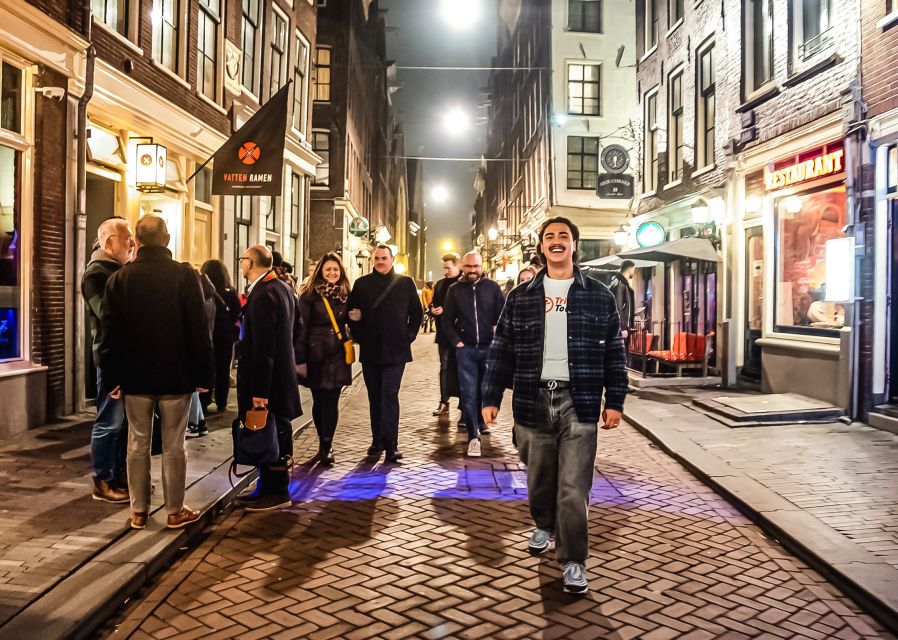
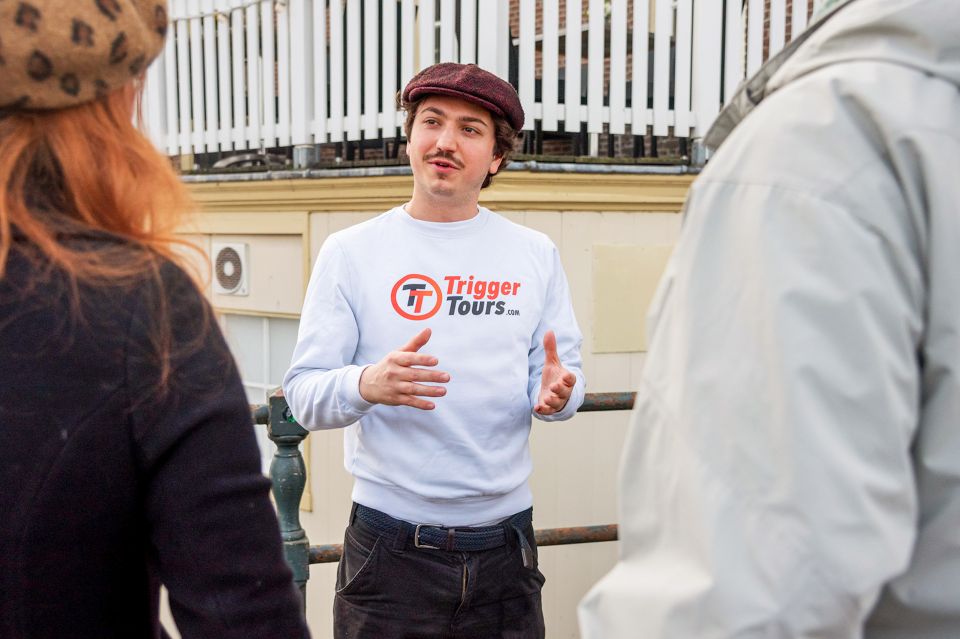
The guides leading this experience tend to be a big reason people rate it highly. Names you might see include Ben, Robin, Katy, Kevin, Ari, and Aarre, and the common theme is an energetic, people-friendly style.
That matters because the Red Light District can turn into either spectacle or silence. The better guides keep the tone respectful and conversation-ready, including space for questions, so you learn without feeling put on the spot.
Also, this tour is set up for private or small groups, which generally helps you move at a human pace through busy streets. If you don’t want a huge pack blocking doorways and canalside views, this format is a good fit.
Where you start near the lights: streets, canals, and the local lens
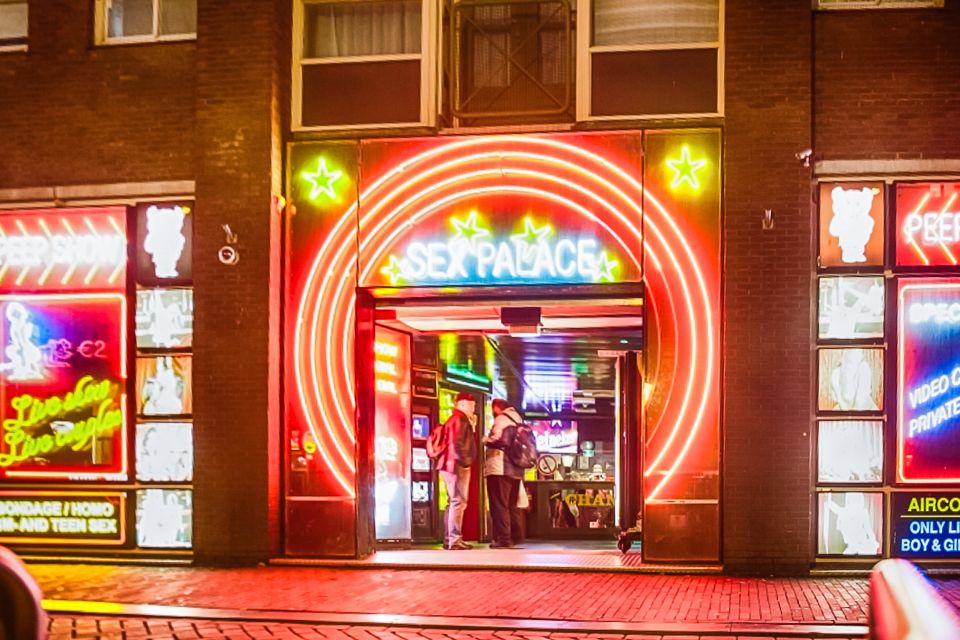
Your walk begins near the heart of the district, close enough to feel the atmosphere quickly. From there, the guide points out the famous windows, but the point isn’t the window itself—it’s the history and the choices behind it.
You’ll hear how Amsterdam built its liberal image over time, and you’ll also hear what that reputation cost and continues to cost. The tour doesn’t treat sex work as a simple checkbox; it includes how legalization works in practice and the pressures sex workers face today.
You’ll also get plenty of time on the ground—alley after alley, plus stops that highlight the role of canals in Dutch city life. Canals aren’t just postcards here; they’re part of how neighborhoods were shaped and how people move through the city.
The coffee shop stop: what you’ll see and the 18+ rule
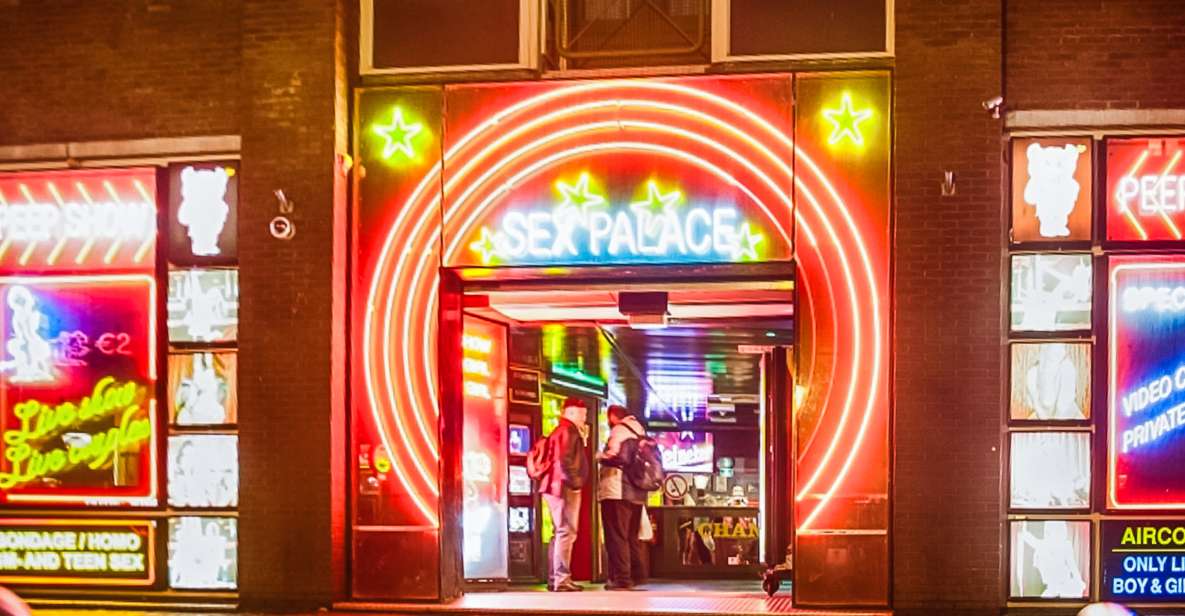
One of the most practical things about this tour is that it doesn’t stay abstract about “coffee shops.” You’ll discover the most famous coffee shop in Amsterdam and walk through coffee shop culture with an explanation of why it’s tied to local policy.
Two important details:
- You can only visit a coffee shop if you’re 18+
- Even if you don’t partake, you’ll still learn how the system works and what visitors often misunderstand
So this isn’t a tour that assumes everyone wants the same thing. It’s designed to connect the coffee shop scene to Amsterdam’s approach to regulation, and that’s the part that tends to stick.
Chinatown and Nieuwmarkt: the area beyond the Red Light District
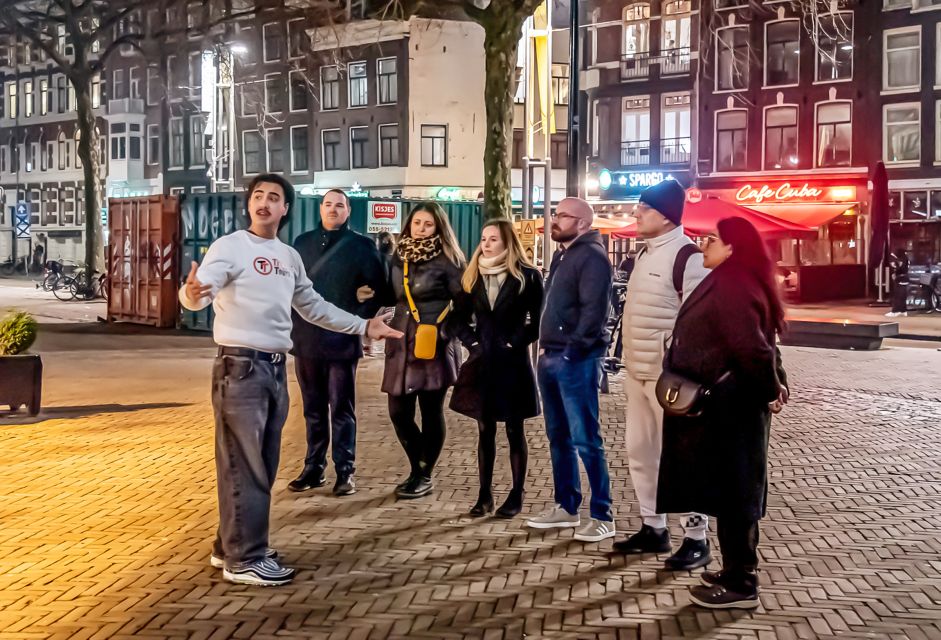
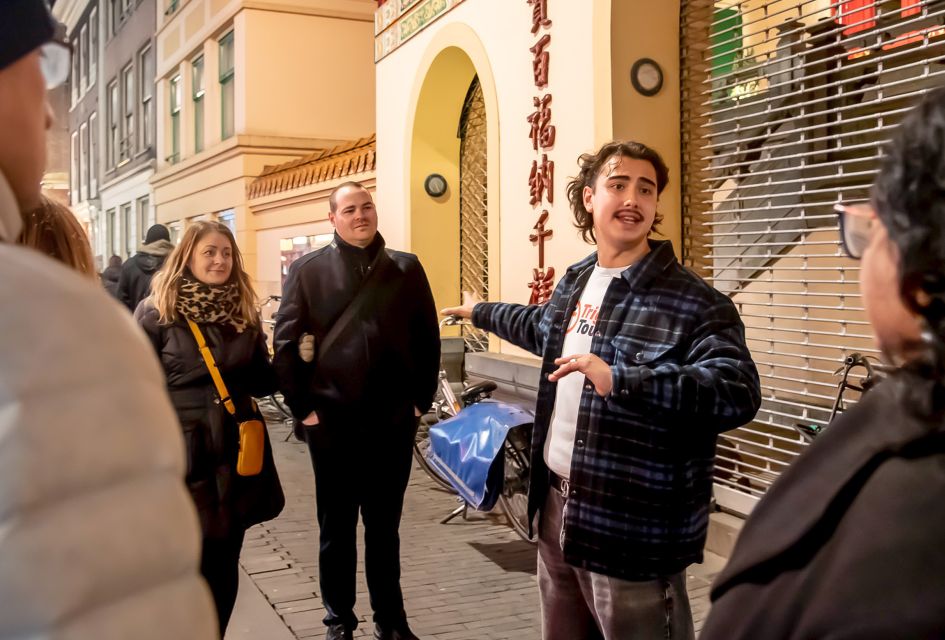
A smart feature of this walk is how it broadens the neighborhood. Instead of only staying inside one kind of street, you also head toward Amsterdam Chinatown and the Nieuwmarkt area.
You’ll pass places tied to daily life—small shops and restaurants—and you’ll also get cultural landmarks such as He Hua Tempel and Zeedijk Street. That shift helps you understand why the district isn’t isolated; it overlaps with real communities and everyday city rhythms.
If you’ve been hearing only one story about Amsterdam, this is where you get a second one. You’ll see how the city’s multicultural identity shows up right next to the district’s headline reputation.


Café the Schreiertower and the narrow-street stops that change your view
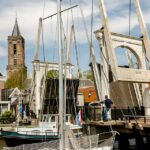
This tour leans into Amsterdam’s most physical feature: how narrow the streets can be. You’ll walk through tight lanes that feel almost too small for modern crowds, and that physical feeling helps explain how city planning shapes neighborhoods over centuries.
A standout stop is the Narrowest House in Europe. The point isn’t to rush past it for a photo; it’s to understand the “why” behind old building patterns and how those patterns still influence where people walk today.
You’ll also encounter Warmoesstraat and Oude Kerk, which add another layer. The Red Light District story stays centered, but these stops remind you the area sits inside a much older Amsterdam, where religion, trade, and civic life all left their marks.
Casa Rosso and Condomerie: playful landmarks with serious context
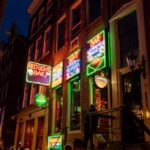
Some stops feel almost like they’re there to shock your expectations. Casa Rosso is one of the most recognizable Red Light District names, and it’s useful because the guide can connect it back to policy and history instead of treating it like a single attraction.
Then there’s Condomerie, which brings a different kind of attention—humor and branding in a place where visitors often arrive with nervous curiosity. Even if you’re not into that style of shop, it helps you see how Amsterdam turns taboo subjects into regulated, public-facing street life.
The best part is that the guide keeps it from turning into a “look at this” tour. You get explanations about the political issues and history behind what you’re seeing, which makes the walk feel more grounded.
Canal culture: why the water matters on this walk
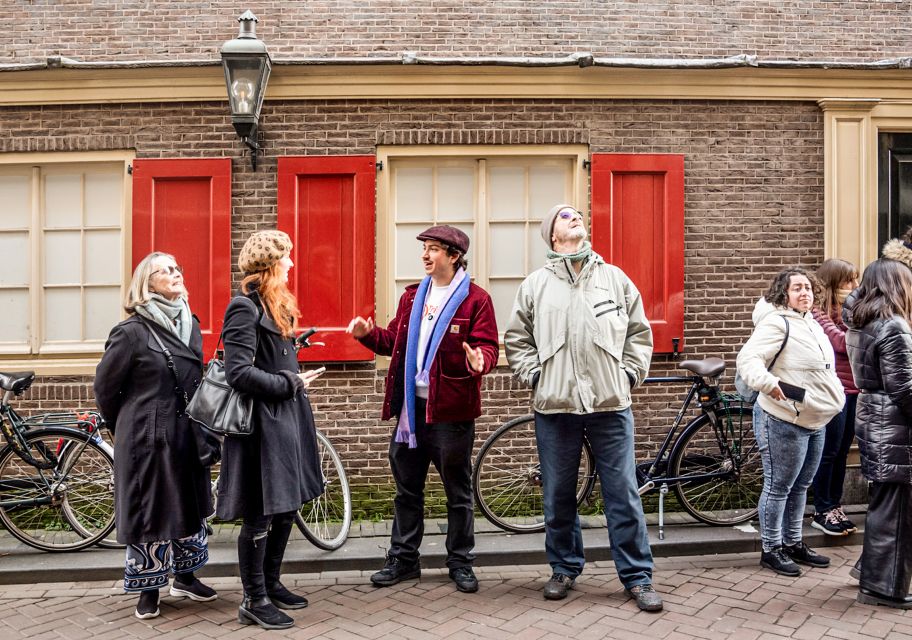
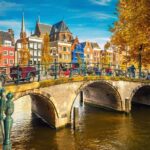
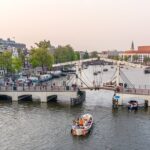
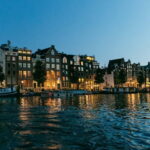
Amsterdam’s canals show up as part of Dutch culture, and the guide uses them as more than scenery. In a neighborhood like this, canals also help you visualize how the city expanded and how neighborhoods became threaded together.
As you move between sights—especially where the streets tighten—you’ll understand why canals are so central to Amsterdam’s identity. The district’s story sits inside that broader geography, not outside it.
Respect, pace, and what can make the tour feel awkward
Let’s be honest: the Red Light District is a sensitive topic for some people. This tour is built to keep things respectful, with clear context about sex work and drug attitudes, but you still shouldn’t expect it to feel like a relaxed museum outing.
The pacing is also part of the deal. You’re walking and stopping, and it’s not designed for slow sightseeing with long breaks to wander off-script.
Also note the limitation: it’s not suitable for people with mobility impairments. The area includes narrow streets and walking segments, so if mobility is an issue, you’ll want another option.
Price and value: is $29 for 2 hours fair?
At $29 per person for a roughly 2-hour guided experience, the value depends on what you want most. If you want a guided route that explains the district’s liberal reputation, adds a coffee shop visit, and covers multiple key landmarks, this price is reasonable for the amount of guided time and the specific stops included.
What you’re really paying for is not just walking. You’re paying for a local perspective on:
- legalization and how it plays out
- the challenges sex workers face today
- coffee shop culture explained in plain terms
- city context from beyond the windows
If you’re the kind of traveler who likes learning fast while moving, this is a strong match.
Languages and group setup: making it easy to ask questions
The tour runs with live guides in German, English, Dutch, and Spanish. That matters because the district’s topics can bring up questions, and being able to ask in your language makes the experience feel less awkward.
You can also choose private or small groups, which helps the guide tailor the conversation and keep the walk comfortable. In a place this busy, smaller groups usually mean less bumping, less waiting, and more time to hear the explanation.
Who should book this Amsterdam Red Light District tour?
Book it if you want a tour that explains rather than judges. This is a good choice if you like history and policy context, and you also want the coffee shop culture piece handled openly and clearly.
It’s especially good for:
- first-timers who want a guided orientation
- people who want respectful, factual storytelling rather than shock-value sightseeing
- travelers who enjoy walking city neighborhoods with a local voice
Skip it if you want a purely scenic route, if you’re uncomfortable with frank topics, or if mobility limits make walking narrow streets a problem.
FAQ
FAQ
How long is the Amsterdam Red Light District and coffee shop tour?
The tour lasts 2 hours.
What does the $29 per person price include?
It includes a guide plus a tour of the Red Light District. The tour also includes visits/stops as part of the route, including a coffee shop experience with the proper age requirement.
Are there any age restrictions for visiting a coffee shop?
Yes. You must be 18+ if you wish to visit a coffee shop.
What languages are available for the live guide?
The live tour guide is available in German, English, Dutch, and Spanish.
Is this tour private or shared?
You can choose private or small groups.
Where does the tour start and does the meeting point stay the same?
The meeting point may vary depending on the starting option you book.
Is the tour suitable for people with mobility impairments?
No, it is not suitable for people with mobility impairments.
What is the cancellation policy and can I pay later?
There is free cancellation up to 24 hours in advance for a full refund, and you can reserve now and pay later.
Should you book this tour?
I think you should book it if you want Amsterdam’s Red Light District to make sense. The mix of district context, coffee shop culture, canals, and narrow-street landmarks turns it into more than a quick stop—it’s a guided way to understand why the city’s reputation exists and how it works day to day.
But if the topic itself would make you tense, choose a different Amsterdam focus. This isn’t a pretend version of the neighborhood; it’s the real one, handled with a guide so you can keep your footing and your questions answered.