REVIEW · AMSTERDAM
Amsterdam: Anna Frank and World War II History Walking Tour
Book on GetYourGuide →Operated by insolitAmsterdam B.V. · Bookable on GetYourGuide
Amsterdam’s WWII stories hit hard.
This walking tour connects Amsterdam street scenes to the Jewish district and Anne Frank’s family story, so you understand what you’re looking at and why it mattered. I like that it starts with the name memorial monument for Jews, Sinti, and Roma, and then walks you through how the community and the Nazi occupation shaped the city. The one thing to consider is language: the live guide is Italian, so plan around that if you’re not comfortable.
You also need to be mentally ready for heavy topics.
You’ll hear about deportation and the Holocaust while you walk, and the tour is clearly designed for people who want context, not just a quick stop by the famous house. If you want a lighter sightseeing pace, this may feel intense—especially because it ends at the Anne Frank House area, where the meaning lingers.
In This Review
- Key highlights at a glance
- Meeting at the H’ART Museum (Ex Hermitage) and getting your bearings
- The WWII name memorial: where the scale becomes real
- Tracing the Jewish district and its roots in Amsterdam
- Nazi occupation explained through the city’s changed reality
- Walking toward the hiding place: what it meant to live in secrecy
- Seeing Anne Frank House from the outside, then visiting the inside later
- Tour length and pacing: why two hours is a good fit
- Price and value: what $28 buys you in real terms
- Who this tour suits best (and who should rethink it)
- Choosing timing: pair it with the right follow-up
- What the guide does well (and why it matters)
- Should you book the Amsterdam Anne Frank and WWII History Walking Tour?
- FAQ
- Where does the tour start?
- How long is the Amsterdam Anne Frank and WWII history walking tour?
- Is the Anne Frank House entry included?
- Is there an audio guide if I visit the Anne Frank House inside?
- What language is the live guide?
- What is the cancellation policy?
Key highlights at a glance
- Name memorial monument for 120,000 Jews, Sinti, and Roma who died during WWII
- Former Jewish district walk with context about the city’s Jewish community since around 1600
- Nazi occupation and Holocaust details tied to locations in Amsterdam
- Outside Anne Frank House stop plus guidance on visiting the interior later
- Italian live guide and a focused 2-hour route
Meeting at the H’ART Museum (Ex Hermitage) and getting your bearings
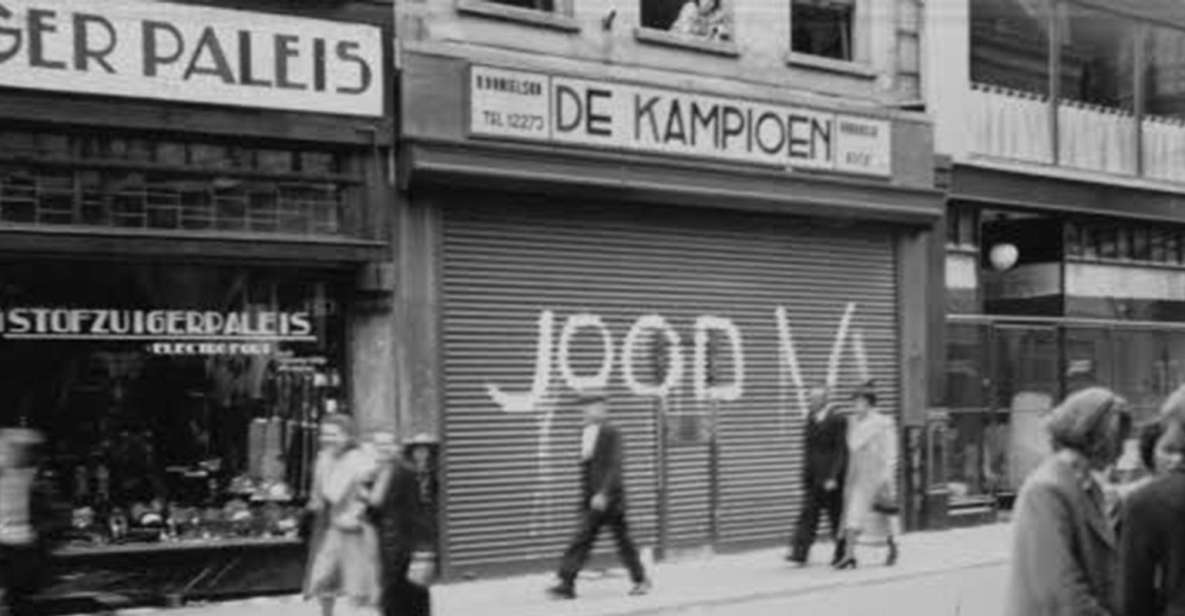
The tour begins at the entrance of the H’ART museum on the Amstel side of Amsterdam. It’s an easy start point to find, and it helps you get oriented before the emotional parts of WWII history start.
From there, you move into the story of Amsterdam’s Jewish community and what was taken from it. This isn’t a trivia walk. The pace is built for understanding why these streets and neighborhoods matter.
If you’re the type of traveler who likes a clear storyline, you’ll appreciate how the tour sets the frame early—then uses walking to connect that frame to real places.
You can also read our reviews of more walking tours in Amsterdam


The WWII name memorial: where the scale becomes real
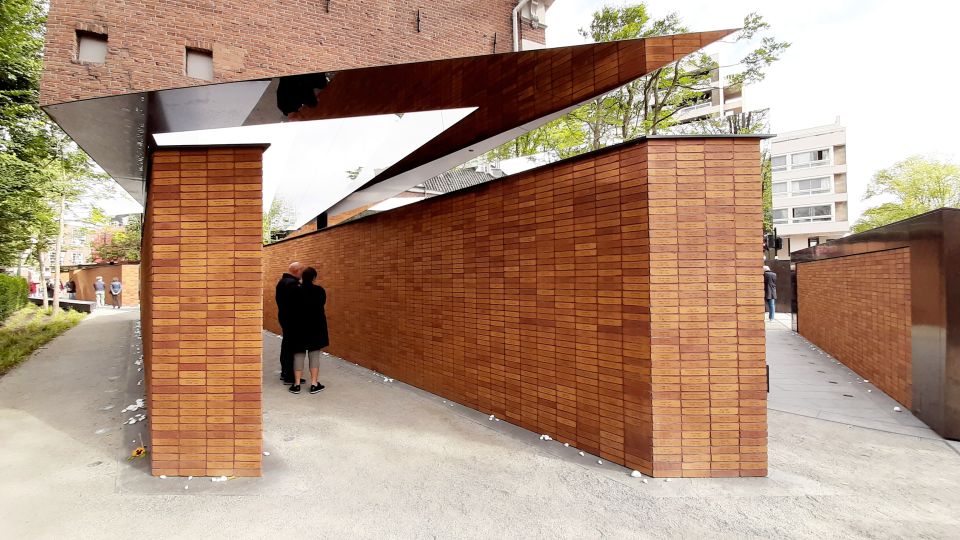
One of the first big stops is the Amsterdam name memorial monument. The tour focuses on a staggering figure: 120,000 Jewish, Sinti, and Roma people who died during the Second World War.
Even if you know the general history already, a name memorial hits differently. You’re not just thinking about events in the abstract; you’re standing in a place designed to keep memory specific.
This is also a practical way to start, because it gives you context before you start seeing more familiar Anne Frank-related locations. It keeps the rest of the walk from feeling like a one-location story.
Tracing the Jewish district and its roots in Amsterdam
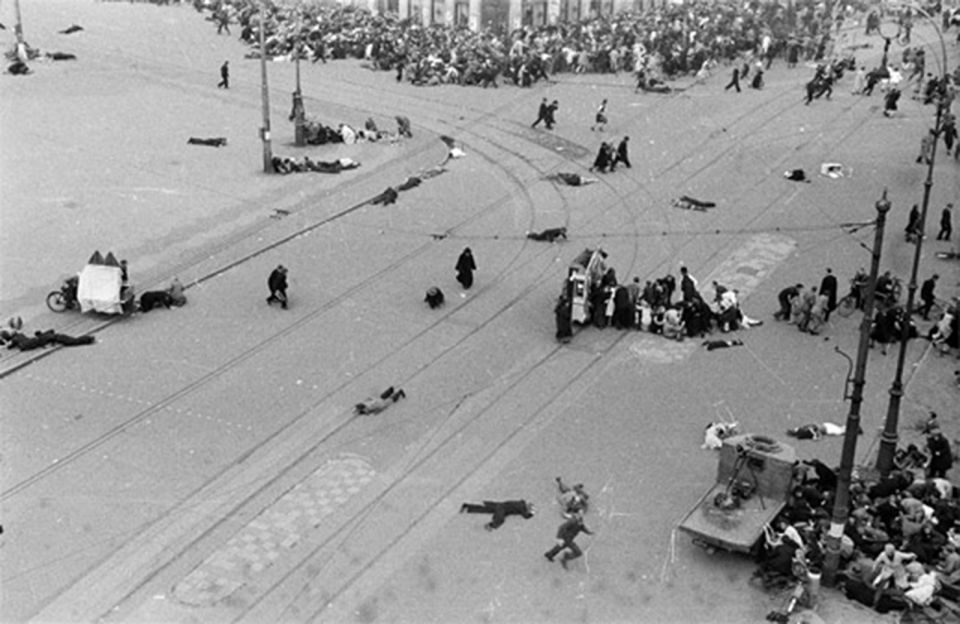
After the memorial, the walking route shifts toward the former Jewish district and how it fit into the wider city. The tour explains early origins of the Jewish community in Amsterdam, pointing to the first roots around 1600.
That detail matters. If you only approach Anne Frank through the final years of WWII, you miss how long the community had been part of the city. Understanding earlier Jewish life in Amsterdam adds weight to what happened during the occupation.
You’ll also get the sense that Amsterdam wasn’t just a backdrop. The city structure, neighborhoods, and social life all mattered to how people lived—and how they were later targeted.
Nazi occupation explained through the city’s changed reality
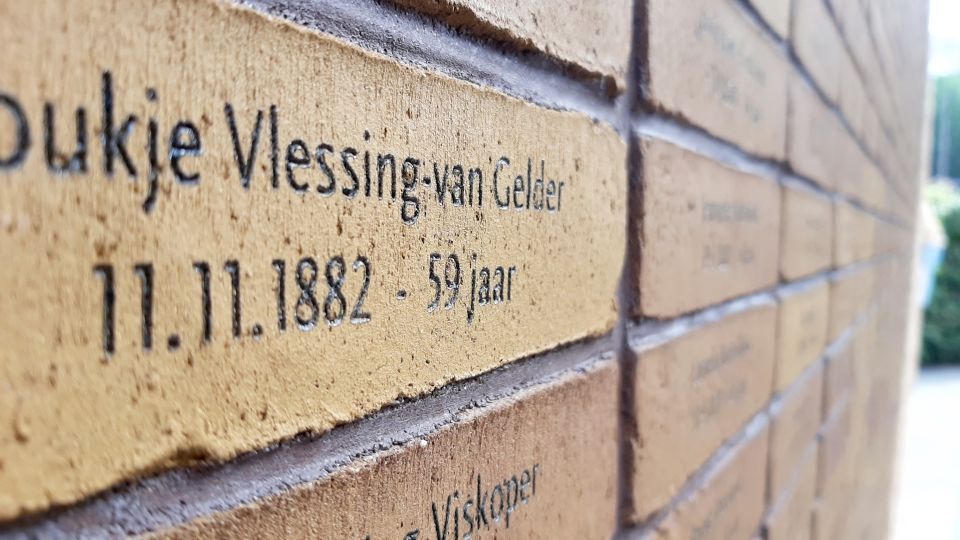
As you cross parts of Amsterdam during the walk, the story turns to the Nazi occupation and the Holocaust. The tour keeps tying the history to what you’re seeing on the streets, which helps you connect the timeline to geography.
This approach is valuable because it stops WWII history from feeling like a distant chapter in a textbook. You’re building a mental map: where control tightened, how life changed, and why hiding became a necessity.
That said, the topic is not soft. If you prefer cheerful sightseeing right after lunch, plan this tour when you can handle it emotionally. I’d rather you feel grounded and ready than rushed through it.
Walking toward the hiding place: what it meant to live in secrecy
The heart of the route is the part of Amsterdam where Anne Frank and her family stood in hiding for two years before deportation. The tour reaches that area by crossing the city during the two-hour walk.
This segment is powerful because it turns a famous story into a street-level location. You’re not only thinking about the diary or the house as an icon. You’re thinking about the physical reality of hiding: small spaces, restricted movement, and the constant risk of discovery.
The tour emphasizes understanding, not sensationalism. That’s the difference between feeling informed and just checking boxes.
You can also read our reviews of more historical tours in Amsterdam






Seeing Anne Frank House from the outside, then visiting the inside later
The tour ends at the entrance of the Anne Frank House. You’ll see the exterior as you learn the surrounding story, which is an important first step for many people—especially if this is your first time in Amsterdam’s WWII sites.
Anne Frank House entry is not included. But the tour provides a path forward: you can visit the house from the inside on your own, and an audio guide is supplied for that independent visit.
This split is practical. You get the guided context on the street, and you control the pace inside the museum. Some visitors move faster once they know the location story; others slow down. Either way, you’re not locked into a one-size-fits-all schedule.
Tour length and pacing: why two hours is a good fit
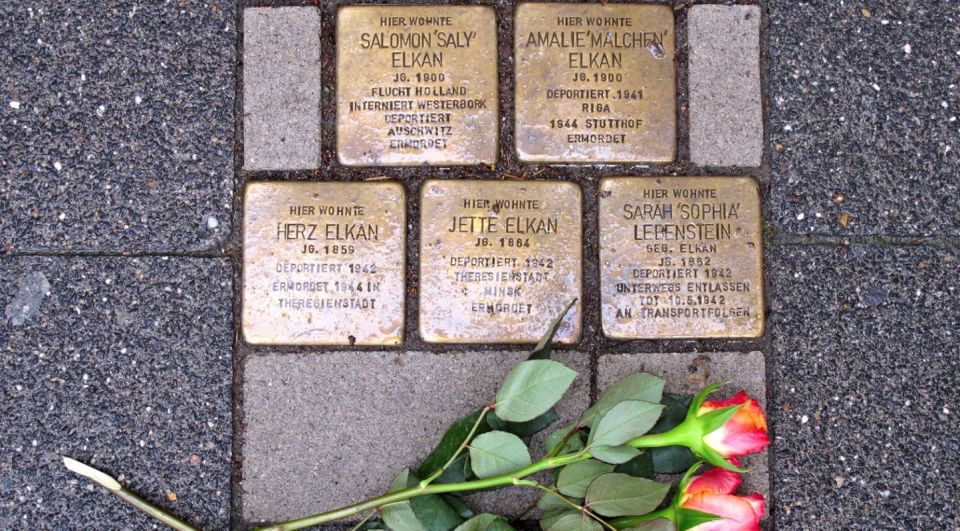
The walking tour lasts about two hours. That’s long enough to build context and cover key areas, but short enough that you can still plan the rest of your day.
The route involves crossing the city to reach the hiding-area part of Amsterdam, so it’s not a tiny loop around one corner. Still, because it’s structured as a guided walk, you’re not left figuring out connections between neighborhoods.
If you like focused tours that don’t drag, the length is a real plus. It gives you meaning without turning your day into a long slog.
Price and value: what $28 buys you in real terms
At $28 per person, this is an affordable way to get a guided WWII storyline with a local guide, instead of piecing history together on your own.
What you’re paying for is the order of events and the location-based context: the memorial’s meaning, the Jewish district background (including roots around 1600), and the way the Nazi occupation and Holocaust are connected to specific places in Amsterdam. Those are the parts that can be easy to miss if you only do the famous house.
You’re also paying for language help. The tour runs with a live guide in Italian, which can be worth the price if Italian is your working language and you want accurate phrasing instead of reading translations while walking.
Just remember: the Anne Frank House ticket is extra. So your total day cost depends on whether you plan to go inside after the tour ends.
Who this tour suits best (and who should rethink it)
This tour is a strong match for:
- History lovers who want real context, not just a landmark photo
- People who care about Jewish community history in Amsterdam, not only the final chapter
- Visitors comfortable with emotionally serious subject matter
- Italian speakers who want a guided walk in their language
It may be less ideal if:
- You want a light, casual sightseeing stroll
- You’re uncomfortable with Holocaust-related content
- You don’t speak Italian and you’d struggle with the live guide’s explanations
Choosing timing: pair it with the right follow-up
Because the tour ends at the entrance of the Anne Frank House, you can build a clean follow-up plan. If you want to see the inside, treat your visit as part two of the same story.
I recommend planning your mental energy. Do the guided walk first for context, then visit the house when you’re ready to slow down and read, listen, and reflect.
If you’re traveling with limited time, at least keep the order straight: guided exterior context first, then your independent interior visit. It makes the experience feel connected instead of fragmented.
What the guide does well (and why it matters)
The tour is led by a live Italian guide, and one name that shows up in positive feedback is Ginevra. The overall sentiment around the guiding is that it’s engaging and full of details you might not know, which matters on a topic like this.
A good guide doesn’t just recite dates. They explain why certain details matter and how a neighborhood story connects to a bigger wartime reality.
If the guide can keep attention while covering difficult material, the walk becomes both informative and emotionally grounded. That seems to be exactly what many people appreciate.
Should you book the Amsterdam Anne Frank and WWII History Walking Tour?
If you want a guided, location-based understanding of Amsterdam during WWII—especially the Jewish district context and the story leading to the hiding place—this is a smart buy. The route is short enough for a normal day schedule, but it’s structured enough to give you meaningful context before you go to the Anne Frank House area.
I’d say book it if:
- you’re comfortable with serious history,
- you read and learn better with a guide,
- and you’re planning to visit the house interior afterward with the audio guide.
Skip or reconsider if you want only casual sightseeing, or if Italian is a barrier for you. In that case, you might feel the story is harder to follow than you hoped.
If you do book, bring your best listening mindset. This isn’t about speed. It’s about understanding what you’re standing in front of—and why it deserves your time.
FAQ
Where does the tour start?
The tour meets at the entrance of the H’ART museum (ex Hermitage) on the Amstel part of Amsterdam.
How long is the Amsterdam Anne Frank and WWII history walking tour?
The tour lasts about 2 hours.
Is the Anne Frank House entry included?
No. The walking tour includes learning around the Anne Frank House area and ends at the entrance, but entry tickets to visit inside are not included.
Is there an audio guide if I visit the Anne Frank House inside?
Yes. The information provided says you can visit the house from the inside on your own and that an audio guide will be supplied for that visit.
What language is the live guide?
The live tour guide speaks Italian.
What is the cancellation policy?
You can cancel up to 24 hours in advance for a full refund.