REVIEW · AMSTERDAM
Amsterdam Red Light District tour with a local guide
Book on GetYourGuide →Operated by Your Amsterdam's Red Light District guide · Bookable on GetYourGuide
Red lights, old stones, and sharp stories. I like how this Amsterdam Red Light District walk is guided through a local lens, not just a list of sights, and it stays focused on what the area meant over time. I also enjoy the clear route beats, especially the stop around the Old Church, where the district’s story feels anchored in the city’s oldest core.
One consideration: the street is noisy and the guide can be hard to hear if you’re not positioned well. If you struggle with sound in crowds, aim to stand nearer the front so you catch the details in English.
Key takeaways
- A local perspective on why Amsterdam’s sex-work reputation formed and how it’s discussed today
- Zeedijk Street and the old sailor neighborhood angle, with origins of prostitution in the city
- Old Church area as a central point for the district’s most memorable street-scape
- Windows, brothels, and pubs explained with history instead of awkward staring
- Coffee shops and smartshops placed in context, along with the political arguments around the area
- Time for photos and shop stops, with a pace that doesn’t feel like a sprint
In This Review
- Why a Red Light District Tour Works Best With Local Context
- Zeedijk Street: The Old Sailor Quarter and the District’s Origins
- Red-Tinted Windows, Brothels, and Pubs: What You’ll Actually Notice
- Napoleon, Medieval Amsterdam, and the District’s Shape Over Time
- Old Church, Former Town Hall, and the Narrow Streets You Can Feel
- Coffee Shops, Smartshops, and the Political Arguments Around the District
- Two Hours, Small Group, and How to Hear the Guide in Real Street Noise
- Price and Value: Is $40 Worth a 2-Hour Walk?
- Who This Red Light District Tour Suits Best
- Should You Book This Amsterdam Red Light District Tour?
- FAQ
- How long is the Amsterdam Red Light District tour?
- What’s the price per person?
- What language is the tour guide?
- Is it a small group?
- Where does the tour start and end?
- Are there different starting times?
- Can I get a refund if my plans change?
Why a Red Light District Tour Works Best With Local Context
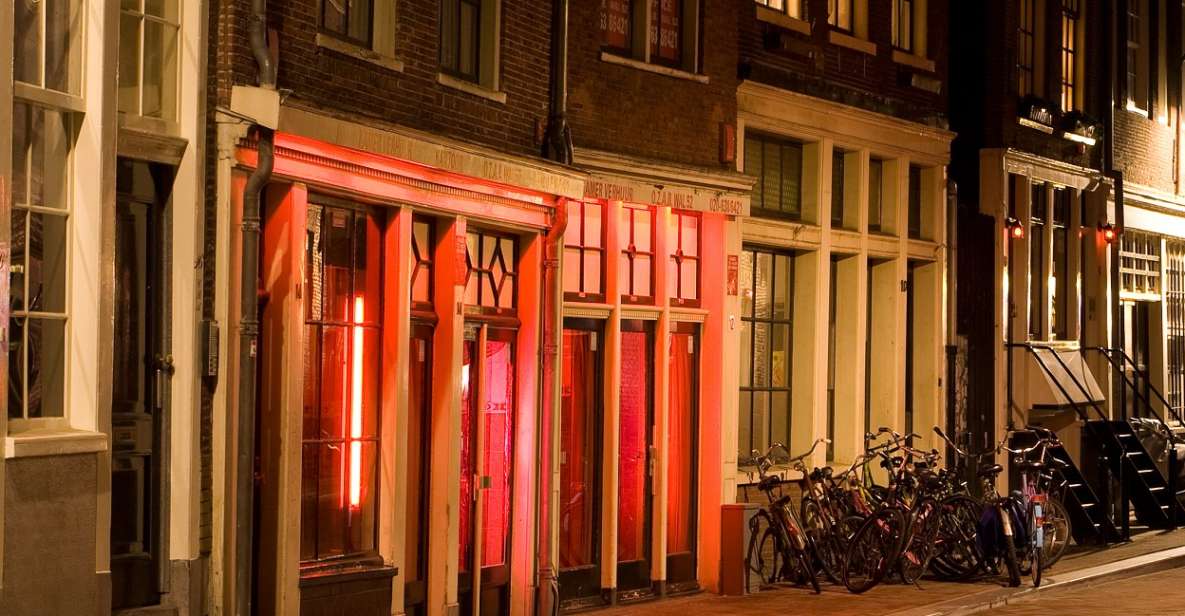
Amsterdam’s Red Light District can be confusing fast. You’ll see the obvious cues, but you might miss the meaning behind them. This kind of tour earns its place by translating the street into story: how the city’s liberal reputation developed, why the area’s identity stuck, and how different parts of the district connect to today’s debates.
I like that the guide brings a personal, neighborhood-style viewpoint. That matters here because you’re not just looking at buildings—you’re reading a living commercial district shaped by changing laws, public attitudes, and long-term geography. The tour also focuses on culture, not shock value. You’ll learn how prostitution started in the city, how the area looked in older eras, and what the current situation looks like through the lens of history and politics.
One more practical plus: this is a 2-hour walking format with small group available, which usually means better conversation than you get on big bus-style tours. At $40 per person, you’re paying for guided interpretation and context. That’s good value if you want to understand what you’re seeing—rather than just pass through.
Zeedijk Street: The Old Sailor Quarter and the District’s Origins
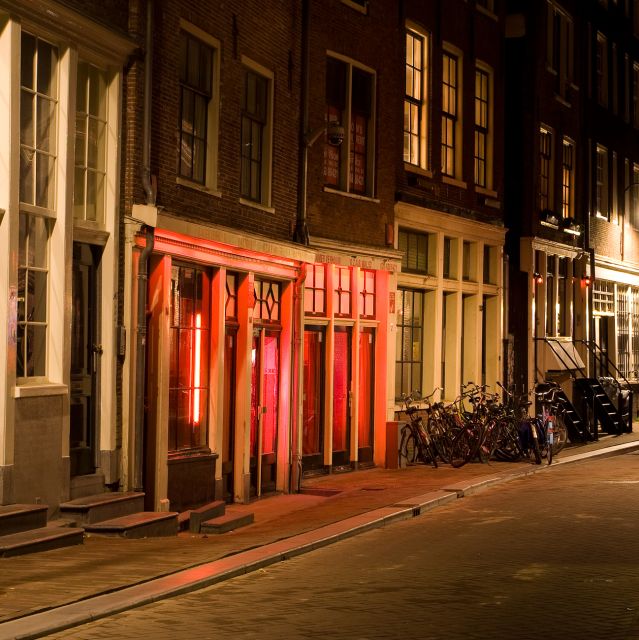
The walk starts in a part of Amsterdam tied to maritime life: Zeedijk Street and the surrounding sailor neighborhood. That detail matters because it frames the district as something that grew out of movement—people arriving, leaving, and settling into specific economic patterns.
This segment is where you get the origin story, including how prostitution initially began in the city. The tour doesn’t treat the topic like a single-page fact. Instead, it connects the neighborhood’s role in older Amsterdam to why the Red Light District formed where it did. If you’re the type of traveler who likes cause-and-effect—what conditions lead to what institutions—you’ll appreciate this approach.
Here’s how to use this stop to your advantage: don’t rush it for photos. Listen for the explanation of street purpose and flow. When you understand how a harbor-connected neighborhood behaved in earlier centuries, the modern street scene reads differently. It stops being random and starts making sense.
If you want to add even more context to your day, keep an eye out for the guide’s broader historical asides. Some guides bring in side connections to nearby areas like the harbor and Chinatown, which can make the walk feel like a wider slice of Amsterdam, not a single-topic bubble.
You can also read our reviews of more guided tours in Amsterdam


Red-Tinted Windows, Brothels, and Pubs: What You’ll Actually Notice
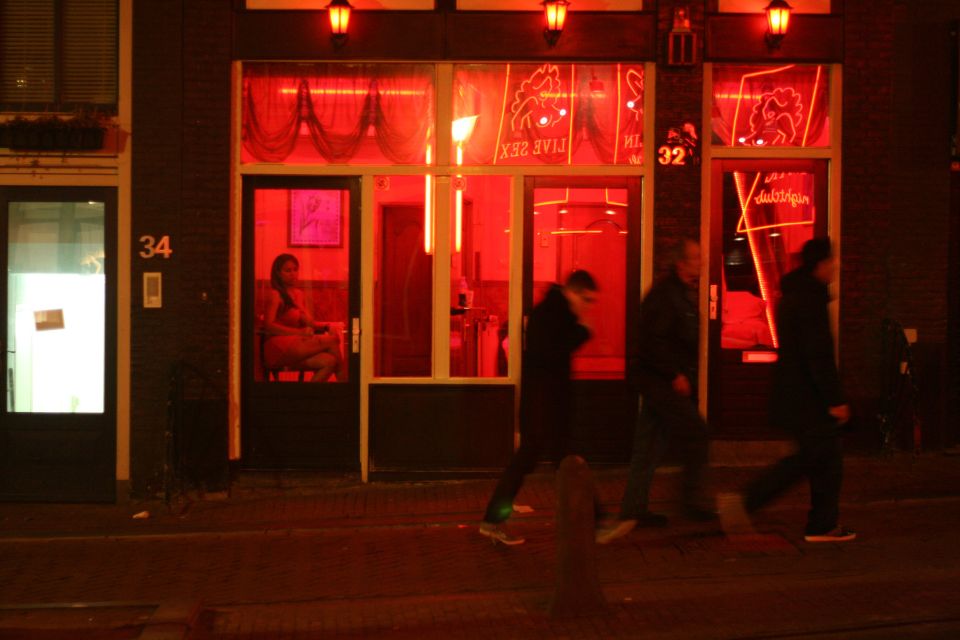
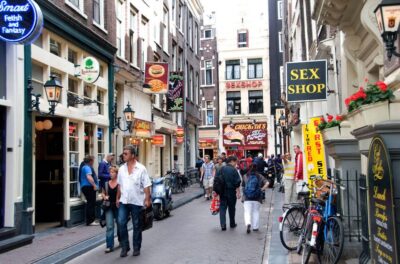
The signature visuals are part of the experience: the red tinted windows, brothels, and the local pub scene. But the value of a guided walk is that you’re not left to guess what you’re looking at. You’ll hear how these spaces fit into the district’s history and culture—plus what makes Amsterdam’s approach different from what you may have seen elsewhere.
A good moment to pay attention is when the guide explains the district from his perspective. That’s where the tone stays grounded. Instead of turning the area into pure spectacle, the guide focuses on the built environment and how it supports the district’s role.
You’ll also get a sense of how Amsterdam categorizes different parts of the trade and nightlife economy. The tour highlights not only the windows, but also the surrounding streets and businesses that serve as the district’s social ecosystem. That helps you understand why this place has long been discussed publicly: it’s not hidden away; it’s integrated into daily city life.
Practical tip: dress for walking and be ready for crowds. The streets are active, and you’ll likely pause more than once. If you’re sensitive to intrusive attention, keep your eyes on the guide’s explanations and on architectural details. It’s an easier way to stay respectful and comfortable.
Napoleon, Medieval Amsterdam, and the District’s Shape Over Time
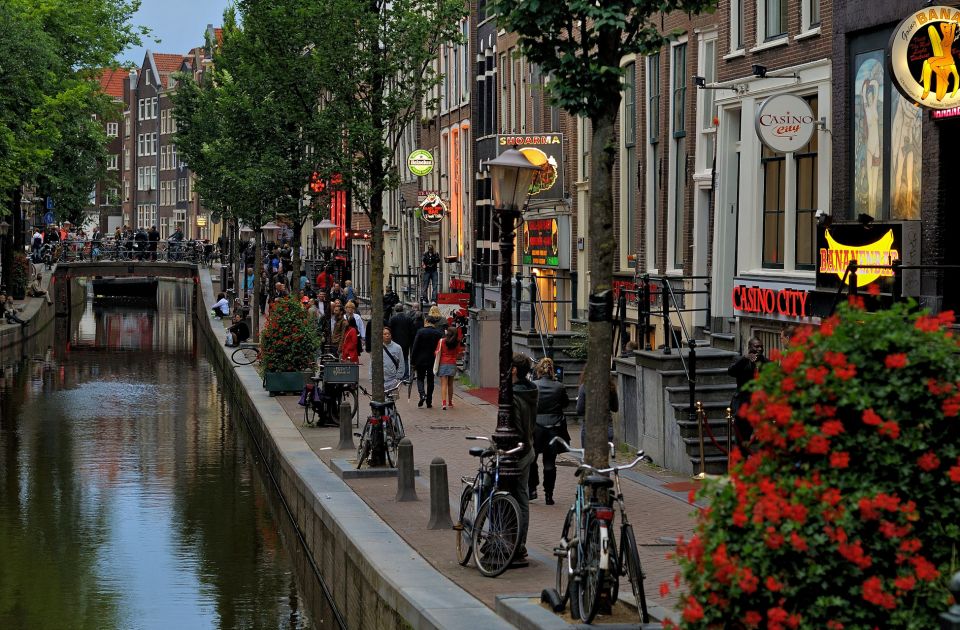
One of the most interesting parts of this tour is the timeline. You won’t just hear modern facts—you’ll hear how the area used to look in Napoleon’s times and in medieval periods. That time-hopping does more than add trivia. It helps you visualize how an urban area evolves when trade, law, and city growth change around it.
Why this matters: Amsterdam’s old center has tight streets, long-standing building lines, and layered uses that never fully reset. So when you walk the narrow lanes of the district today, you’re still moving through a city that has kept old patterns alive. A guide who explains those older layouts helps you “read” what you see instead of thinking every change is brand new.
I also like how the tour ties these eras back to prostitution’s presence in the city. It keeps the story coherent: the district didn’t pop into existence overnight—it formed through older urban conditions and social demand.
A small warning for your expectations: you’re unlikely to get museum-style depth on every century. The value here is selective storytelling tied to specific street corners. If you want the most impact, listen for what the guide says about structure—where streets narrowed, how areas centered, and why certain spots became focal points.
Old Church, Former Town Hall, and the Narrow Streets You Can Feel
Then you hit the core. The tour strolls to the Old Church, described as the oldest building in Amsterdam, located in the center of the Red Light District. That contrast is striking: a medieval-era landmark beside one of the city’s most discussed adult entertainment streets.
This stop is a big reason the tour works. It prevents the experience from becoming one long stare. You get anchored reference points, including:
- the former town hall
- the narrowest street of Amsterdam
- the indoor prostitute street where the guide shares both history and the current situation
Notice what’s happening. You’re learning geography through architecture. The guide helps you understand why these tight streets matter to how the district functions now. Narrow passages affect movement, visibility, and how businesses cluster. Standing there with an explanation makes the street feel logical instead of random.
If you’re planning to take photos, this is also the part where you’ll likely want a bit more time. One review noted the pacing allowed time to take pictures. You can use that by slowing down at each pause: one quick photo is fine, but take a moment to absorb the guide’s framing first. It will make your photos mean more later.
Coffee Shops, Smartshops, and the Political Arguments Around the District
Amsterdam’s Red Light District can’t be understood without its broader rules culture. In this tour, you’ll hear about coffee shop culture and smartshops, and how these fit into the area’s reputation.
This segment is especially useful if you’re coming from a place where adult services and cannabis rules are treated as separate worlds. Here, they’re often discussed in the same public conversations. The guide covers not just what these shops are, but the wider social and political issues attached to the district.
Look for how the guide connects the topics:
- how Amsterdam’s liberal attitudes show up in public policy
- how people debate what’s appropriate versus what’s tolerated
- how the district’s identity affects daily life for residents and visitors
One thing I’d underline: a respectful, history-based approach makes the adult-services topic easier to process. You’re not being asked to react emotionally. You’re being asked to understand the city’s logic—how an open attitude coexists with public debate and changing norms.
You may also get a quick stop into a few shops along the way. A past participant mentioned visiting some shops, and that kind of brief, practical look helps you go beyond stereotypes. Just remember: if you’re not interested in retail browsing, you can still follow along by focusing on the explanations.




Two Hours, Small Group, and How to Hear the Guide in Real Street Noise
The tour runs about 2 hours, and that timing influences everything. It’s long enough to cover several meaningful stops—Zeedijk Street, the Old Church area, and key street features—but short enough that the guide must keep moving. That’s good for most people. You avoid the fatigue that comes with an all-day walking plan.
Because the focus is walking, where you stand matters. One drawback from a participant was that the guide was difficult to hear. Street noise is a real factor in this district, so you’ll get more value if you:
- position yourself near the guide when you start each segment
- wait for the guide to finish before drifting for photos
- choose clear sightlines at pauses, especially near busier intersections
The English live guide is a plus. The subject is detail-heavy—history, street layout, and current context—so good audio helps you catch names of places and specific explanations. If your listening ability is your limit, standing close is your best fix.
Also, consider the small-group nature. With small group available, you’re more likely to get a tour pace that stays interactive rather than purely lecture-style. Even when you don’t have questions, that usually means clearer delivery.
Price and Value: Is $40 Worth a 2-Hour Walk?
At $40 per person for a 2-hour guided walking tour, the value depends on what you want out of Amsterdam. If you’re just passing through and want the famous street views, you can do that on your own. But if you want understanding—why the district became a symbol, how the neighborhood’s past shaped today’s street life—then guided context is what you’re paying for.
Here’s the value equation as I see it:
- You get a local guide perspective plus a professional guide setup
- You cover multiple anchor stops instead of one quick photo session
- You learn history from specific eras (including Napoleon and medieval periods)
- You get explanations that connect adult services to broader coffee-shop and political conversations
The tour also includes the practical loop of walking and ending back near where you started. That keeps the experience simple if you’re combining it with other plans later in the day.
If you’re curious but cautious, this tour can work because it frames things as city culture and public debate, not scandal. That said, the district is still the district: expect active streets, adult-themed storefronts, and attention from your surroundings. If you’re uncomfortable with that, you might prefer a different kind of Amsterdam history tour.
Who This Red Light District Tour Suits Best
This is a strong fit for you if you:
- want context behind Amsterdam’s reputation
- like guided walking tours with clear street stops
- enjoy history tied to real places (not only museum-style explanations)
- want to understand coffee-shop and smartshop culture as part of the wider picture
It’s also a good choice for travelers who want to avoid awkwardness. When you know the story behind the visuals—Zeedijk’s origins, the Old Church’s central role, the narrow street features—you’ll feel more grounded and less like you’re staring at a spectacle.
It may not be ideal if you strongly dislike walking in crowded urban streets or if you need quiet, museum-like pacing. The audio issue is real. If hearing is a concern, come ready to stand near the front and listen closely.
Should You Book This Amsterdam Red Light District Tour?
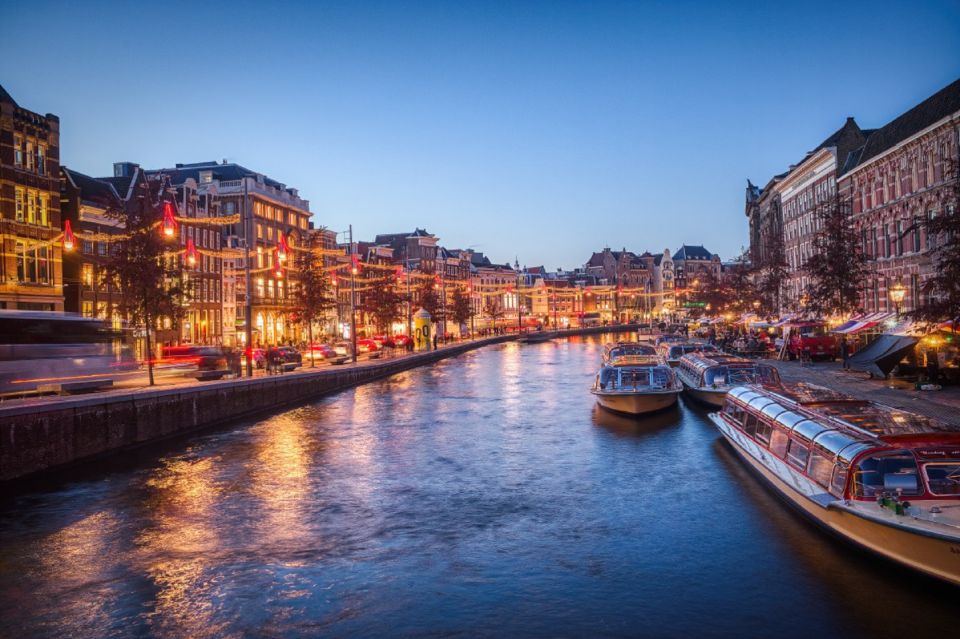
I’d book it if your goal is understanding Amsterdam, not just checking off a famous neighborhood. The mix of history, specific street anchors like the Old Church area, and explanations about coffee shops, smartshops, and political issues turns the walk into something you can use later in conversation and in how you interpret the city.
Skip it only if you know the adult-themed setting will make you uneasy and you want a gentler experience. And if you’re the type who struggles in noisy crowds, choose a spot near the guide from the first minute.
If you’re aiming for a balanced, guided, small-group walk that connects the district’s visuals to how Amsterdam thinks and argues, this is a solid value at $40 for 2 hours.
FAQ
How long is the Amsterdam Red Light District tour?
The tour lasts 2 hours.
What’s the price per person?
The price is $40 per person.
What language is the tour guide?
The live tour guide provides the tour in English.
Is it a small group?
Small group availability is offered.
Where does the tour start and end?
The meeting point may vary depending on the option booked, and the tour ends back at the meeting point.
Are there different starting times?
Yes. Starting times vary, so you’ll need to check availability to see what’s offered.
Can I get a refund if my plans change?
There is free cancellation up to 24 hours in advance for a full refund.