REVIEW · AMSTERDAM
Amsterdam: Spanish Tour Unmasking the Redlight District
Book on GetYourGuide →Operated by Friendly Walking Tours Amsterdam · Bookable on GetYourGuide
Some neighborhoods come with a label. This one comes with a story. I like how this tour links Amsterdam’s port and Golden Age growth to the origins of the Red Light District, then explains how the area became tied to modern, forward-thinking attitudes. You also get solid landmarks—Oude Kerk and St. Nicholas Basilica—so it’s not just street talk.
Two things I really like: first, the guide’s Spanish delivery is fast and easy to follow. One guide I heard described as a young Chilean who stayed excellent and explained everything with real agility, which matters when you’re walking for two hours. Second, the route is built around “why” moments—like how prosperity drove population and demand for entertainment—so the neighborhood feels less like a scandal and more like a social system.
One drawback to consider: this is an outdoor walking tour in a sensitive topic area. You’ll want comfortable shoes and you should expect street scenes that may feel uncomfortable if you’re not in the right mindset.
In This Review
- Key points before you go
- Starting at Barbizon Palace Hotel: how the tour sets the tone fast
- Zeedijk and the sailor-city link to Red Light’s roots
- He Hua Tempel and the streets between cultures
- Nieuwmarkt Square and De Waag: the old city gate that still signals control
- Oude Kerk stop: Amsterdam’s oldest church as a timeline anchor
- The Red Light District walk itself: how the tour explains the shift
- Oudezijds Voorburgwal and Warmoesstraat: canals, chapels, and the canal network vibe
- A secret side stop: where you pause long enough to notice details
- Ending near Dam Square and the Royal Palace connection
- Price and value: is $31 worth it for two hours?
- What to bring (and what to skip) for the best experience
- Who this tour suits—and who should look elsewhere
- Should you book? My practical recommendation
- FAQ
- Is this tour in Spanish?
- How long is the walking tour?
- Where do you meet the guide?
- What sights are included on the walk?
- Are food or drinks included?
- Can I take photos?
Key points before you go
- Spanish-speaking guide with clear, quick explanations that keep things moving.
- Two hours that cover the Red Light District’s timeline: medieval beginnings, Golden Age growth, later transformation.
- Landmarks included: St. Nicholas Basilica, Nieuwmarkt Square, De Waag, and Oude Kerk.
- Photo stops along the way (your guide will tell you when cameras are okay).
- End at Dam Square area talk about the Royal Palace connection, then back toward the meeting point.
Starting at Barbizon Palace Hotel: how the tour sets the tone fast
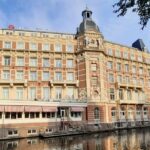
Meet your guide outside the Barbizon Palace Hotel on Prins Hendrikkade street. It’s a practical pickup point—easy to find near Central Station—so you can get moving without wasting time. From the start, the tour frames the Red Light District as a neighborhood with an origin story, not just a headline.
You’ll learn early why Amsterdam became the kind of city where ideas and people mixed: the guide ties the area’s development to the city’s maritime heritage. That matters because it’s the foundation for the rest of the walk. Instead of jumping straight to what the district is famous for, you’re shown how Amsterdam’s growth created demand, opportunity, and conflict.
You’ll also be reminded to dress for weather and wear comfortable clothes. This tour is outdoors, and it’s a two-hour walk with several short stops, so your feet will be the limiting factor—not the schedule.
You can also read our reviews of more tours and experiences in Amsterdam.
Zeedijk and the sailor-city link to Red Light’s roots
One of the first streets you hit is Zeedijk. The guide uses it as a “connector” street: a place known for multicultural layers and for historic bars that once served sailors. That detail is more than flavor. It’s the tour’s way of showing how international movement shaped Amsterdam’s nightlife and vice industries long before the modern reputation.
From here, you start to connect the dots between:
- the port as a mixing point for cultures and ideas, and
- the later growth in entertainment demand when the city prospered.
You also have a couple of short stops built for the way you actually travel: quick photo moments and “look here” pauses so you’re not just walking while listening. The tour includes a secret photo stop, and you’ll be told when it’s appropriate to take photos. (Also note the tour rule: photography inside is not allowed, so plan on outdoor shots.)
He Hua Tempel and the streets between cultures
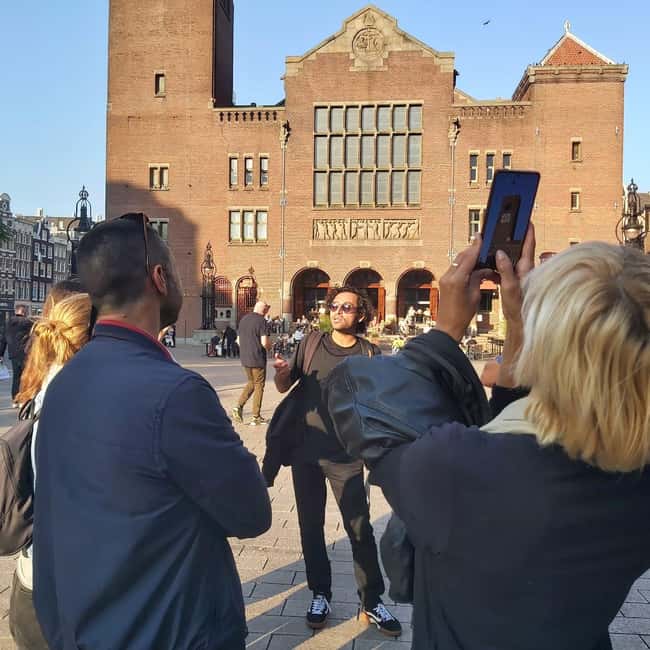
Later you’ll stop for photos at He Hua Tempel. Even if you’re not there for religious architecture, it’s a strong reminder of how Amsterdam’s center has hosted different communities over time. The tour uses moments like this to underline its core argument: the Red Light District didn’t appear in a vacuum. It grew in a city where multiple cultures rubbed shoulders, especially around travel corridors and trade routes.
What I like about these photo stops is the balance. The tour isn’t only about the Red Light District. It uses nearby landmarks and streets to show you how the city’s identity was forming all around it.
Nieuwmarkt Square and De Waag: the old city gate that still signals control
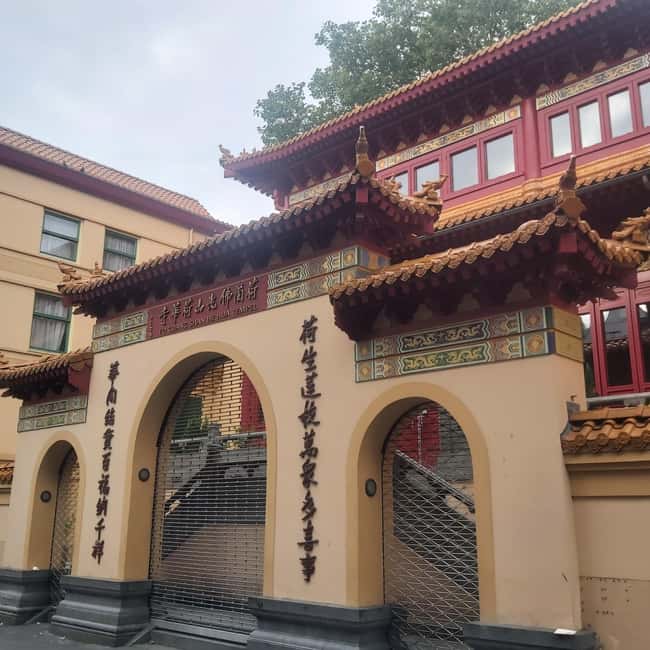
At Nieuwmarkt Square, the guide points out De Waag—a former city gate that became a weighing house. That’s a small detail with big meaning. A weighing house is about trade, measurement, and regulation. In other words: Amsterdam’s prosperity required infrastructure and rules.
This fits perfectly with the tour’s explanation of how the Red Light District formed. When the city grew, so did population pressure and demand for entertainment and vice. Your guide frames it as social change driven by economic reality, not random chaos.
You’ll also get a sense of how these major civic spaces connect back to the narrower, more private streets where adult nightlife later concentrated. The contrast is part of the point, and you feel it as you walk.
Oude Kerk stop: Amsterdam’s oldest church as a timeline anchor
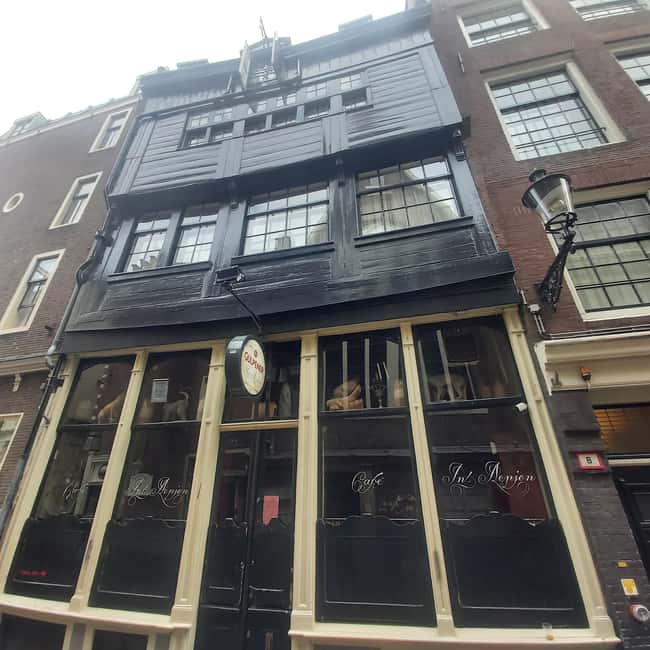
One of the best pacing choices on this tour is the stop at Oude Kerk—the city’s oldest building. You get a visit of about 15 minutes, which is just enough time to absorb the setting without turning the walk into a long museum day.
The guide’s approach here is practical. Instead of treating Oude Kerk as a random photo target, it works as an anchor for the timeline you’re hearing about: medieval development, Golden Age expansion, and the neighborhood’s later evolution. It helps your brain place the stories into real geography.
Also remember the tour’s photography rule: photography inside isn’t allowed. So if you love interior shots, keep your camera ready for outdoor moments and let your guide guide your timing.

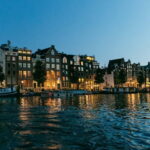
The Red Light District walk itself: how the tour explains the shift
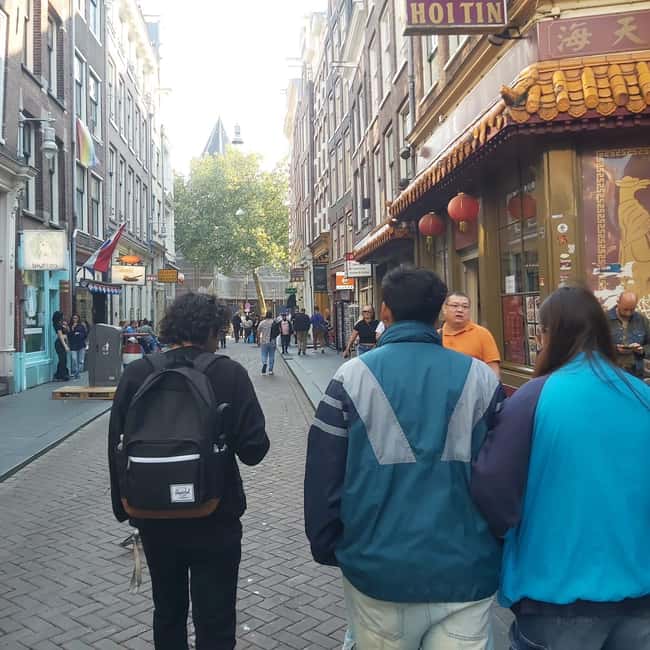
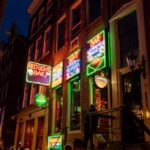
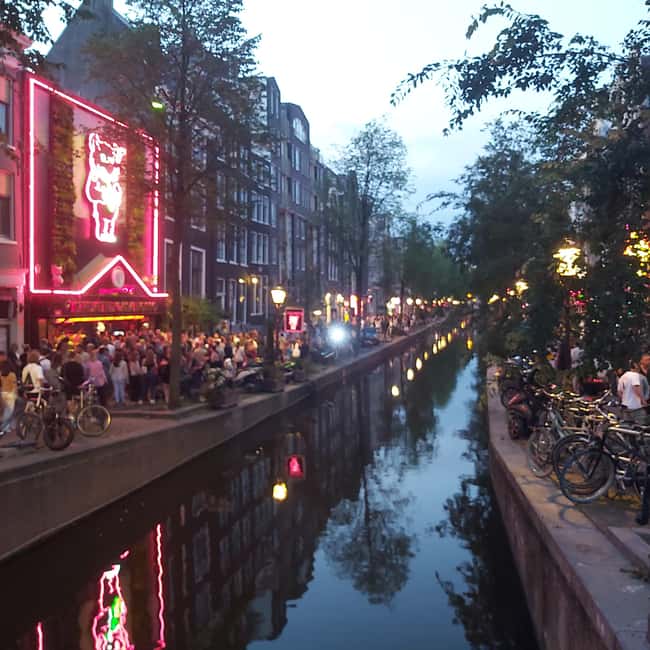
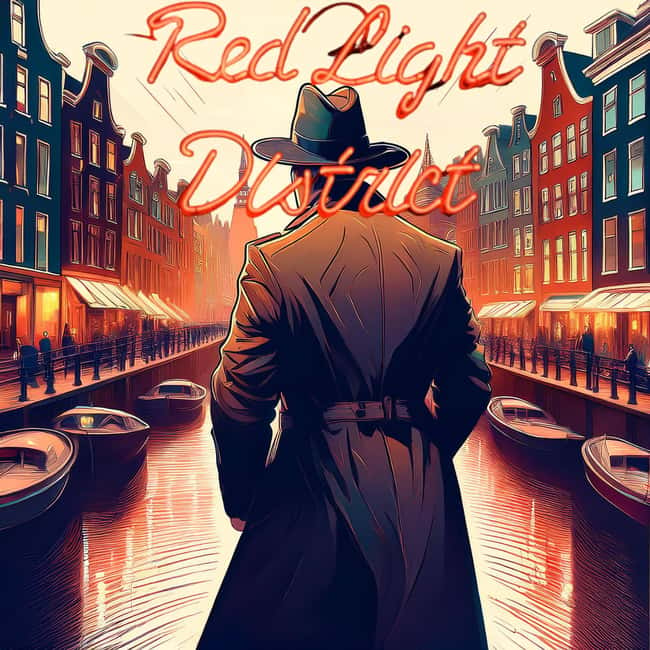
Now you reach the heart of it: the Red Light District area walk (about 20 minutes). The tour name promises unmasking, and the unmasking here is mostly about context.
Your guide connects the neighborhood’s rise to:
- Amsterdam’s growth and prosperity,
- increased population,
- and a corresponding rise in demand for entertainment and vice.
Then comes the part that makes the tour different from the usual “this is what you’ll see” approach: the guide talks about how the area became associated with progressive thought. You’ll hear how Amsterdam’s attitudes evolved and how that changed what the district represented in the city’s identity.
I found it useful that the tour doesn’t try to sanitize the subject, but it also avoids making it purely sensational. It stays on the historical and social mechanics—why the neighborhood existed and how it developed into a symbol that people interpret through a modern lens.
Oudezijds Voorburgwal and Warmoesstraat: canals, chapels, and the canal network vibe
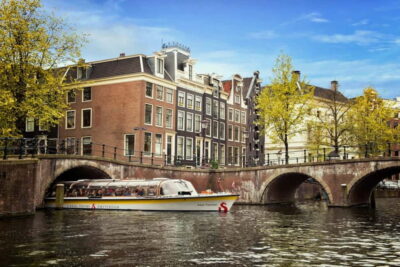
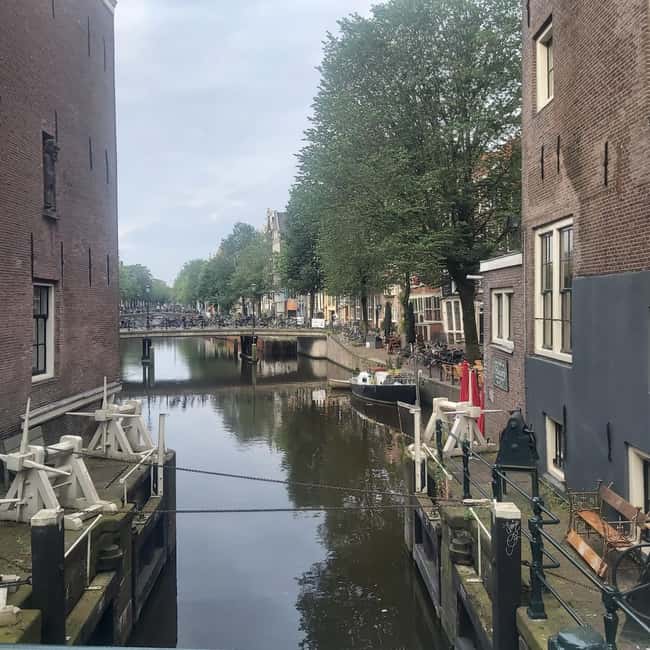
As the walk continues, you move through the canal network area around Oudezijds Voorburgwal, often described in the tour as the heart of the district’s canal streets. The guide uses the canals to show how Amsterdam organizes private life in public spaces: narrow waterways, tight streets, and those little “turn-in-your-head” corners that make the neighborhood feel like a maze.
You’re also set up to notice “hidden chapels” and other quiet details. The tour doesn’t ask you to play archaeologist; it simply gives you permission to look closer. Even if you don’t have the time to investigate further on your own afterward, you’ll still come away with a sharper sense of the district’s physical logic.
Then there’s Warmoesstraat—a short walk that acts like a transition. It’s the kind of street where you can feel the shift from history lectures to street-level observation. Your guide keeps you focused on what matters: the neighborhood’s evolution rather than just the present-day spectacle.
A secret side stop: where you pause long enough to notice details
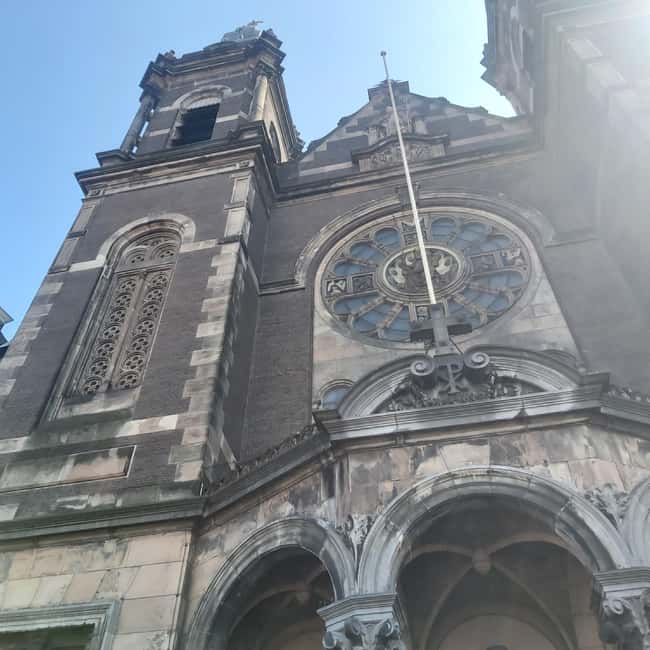
There’s also a stop described as a hidden gem visit (about 15 minutes). No specific landmark name is given in the details you’re given, so the best way to approach it is mindset: treat it as part of the “slow down and look” segment of the tour.
This is one of the reasons the walking tour works. If every minute were just “walk and listen,” you’d lose the ability to take in what you’re hearing. These timed pauses help you reconcile history with what your eyes see.
Again, photography inside is not allowed, so expect at least part of this segment to be observation-focused rather than camera-focused.
Ending near Dam Square and the Royal Palace connection
Toward the end, you finish around Beursplein, while still hearing about the Royal Palace in Dam Square and how it relates to the Red Light District story. That relationship talk is important because it pulls the neighborhood back into the larger city narrative: this isn’t a separate world. It’s part of Amsterdam’s center and its power structures.
Then, per the activity notes, the experience ends back at the meeting point. So you get the arc—from origins to the district itself to the city’s official center—without being dropped in the middle of nowhere.
If you’re planning what to do next, you’ll be in a very walkable, central zone. That’s handy for grabbing a meal afterward on your own (the tour itself does not include food or drinks).
Price and value: is $31 worth it for two hours?
At $31 per person for about two hours, you’re paying for a Spanish-speaking guide and a structured walk that hits major landmarks plus the district core. You’re not paying for entry tickets or food, and that matters because the value comes from interpretation, not from a museum-style itinerary.
For me, the fair way to judge value is this: you’ll only get real payoff if you enjoy guided storytelling. If you want to arrive and know exactly what to look for, this tour supplies it—especially with the way it links port history, prosperity, demand, and changing social attitudes. If you’re the type who wants to wander solo with a map, you might find the price less “worth it.” But if you like walking through a place with a clear storyline, this is priced like a smart add-on, not a splurge.
Also, the route includes several landmark moments—St. Nicholas Basilica, Nieuwmarkt Square/De Waag, and Oude Kerk—so you’re getting variety without spending the whole day in transit.
What to bring (and what to skip) for the best experience
Bring:
- Comfortable shoes (you’ll thank yourself later)
- Weather-appropriate clothing (it’s outdoors)
Plan around:
- No alcohol and drugs are allowed.
- Non-alcohol drinks are allowed.
- Photography is fine outside, but photography inside isn’t allowed.
If you’re a camera person, set your expectations: this is a walking tour with photo opportunities at specific moments (including photo stops). Your guide will tell you when it’s okay, which keeps things flowing.
Who this tour suits—and who should look elsewhere
This tour fits best if you want:
- a focused 2-hour walk,
- a Spanish guide-led explanation,
- and historical context that connects Amsterdam’s development to its most controversial district.
It’s also clear who it may not work for. It’s listed as not suitable for children under 14, wheelchair users, and people over 95 years. So if you’re traveling with anyone who needs mobility support, you’ll want to choose a different format.
Because the topic is sensitive, I’d also suggest going in with a respectful, curious mindset. The tour is framed as historical understanding, not entertainment.
Should you book? My practical recommendation
Book this tour if you want the Red Light District explained through the lens of Amsterdam’s growth—port trade, prosperity, and social change—and you’re happy to walk for two hours with a guide shaping what you notice.
Skip it if you’re mainly seeking a casual photo walk or you hate being in guided discussions about adult nightlife history. Also, if weather is unpredictable and you don’t enjoy outdoor tours, weigh that.
If you do book, arrive ready to look at the city’s geometry: canals, gates like De Waag, and anchors like Oude Kerk. That’s where the unmasking really lands.
FAQ
Is this tour in Spanish?
Yes. The guide is Spanish-speaking.
How long is the walking tour?
It’s scheduled for about 2 hours.
Where do you meet the guide?
Meet your guide outside the entrance to the Barbizon Palace Hotel on Prins Hendrikkade street in Amsterdam.
What sights are included on the walk?
The tour includes major stops such as St. Nicholas Basilica (opposite Central Station), Nieuwmarkt Square with De Waag, and Oude Kerk, plus time in the Red Light District area.
Are food or drinks included?
No. The tour does not include food or drinks.
Can I take photos?
You can bring a camera, and your guide will advise when you can take photos. Photography inside is not allowed, and alcohol and drugs are not permitted.