REVIEW · AMSTERDAM
Amsterdam: Volendam, Windmill, and Cheese Farm Private Tour
Book on GetYourGuide →Operated by Luxury business Transfers · Bookable on GetYourGuide
Windmills, cheese, and wooden clogs in one smooth 5-hour loop. I like that the day is built around hands-on culture: you get to see the classic windmill machinery at Zaanse Schans and then taste and learn how the Dutch make cheese and wooden shoes. It also mixes in a very real sense of local life in Volendam, not just photo stops.
One thing to plan for: this is a rain-or-shine outing, so you’ll want comfortable shoes and a weather-ready attitude. If you’re hoping for a long, slow stroll, the timing is tighter and the stops are designed to keep you moving.
In This Review
- Key highlights you’ll actually care about
- Zaanse Schans: windmills, wooden houses, and the whole point of North Holland
- One windmill stop plus the rest of the “wow” outside
- Clogs and cheese: how the Dutch make it, then let you taste it
- Cheese farm stop (learn first, taste after)
- Clog-making demonstration (woodwork you can appreciate in real time)
- Volendam: a real fishing village vibe, not just a quick stop
- How the private Mercedes setup keeps the day smooth
- Price and value: what $324 per person really buys you
- Who should book this and who should skip it
- Should you book this Amsterdam: Volendam, Windmill, and Cheese Farm private tour?
- FAQ
- How long is the tour?
- Do I get hotel pickup in Amsterdam?
- What language is the live guide?
- What’s included in the price?
- Are meals included?
- Does the tour run in bad weather?
- What should I bring?
Key highlights you’ll actually care about
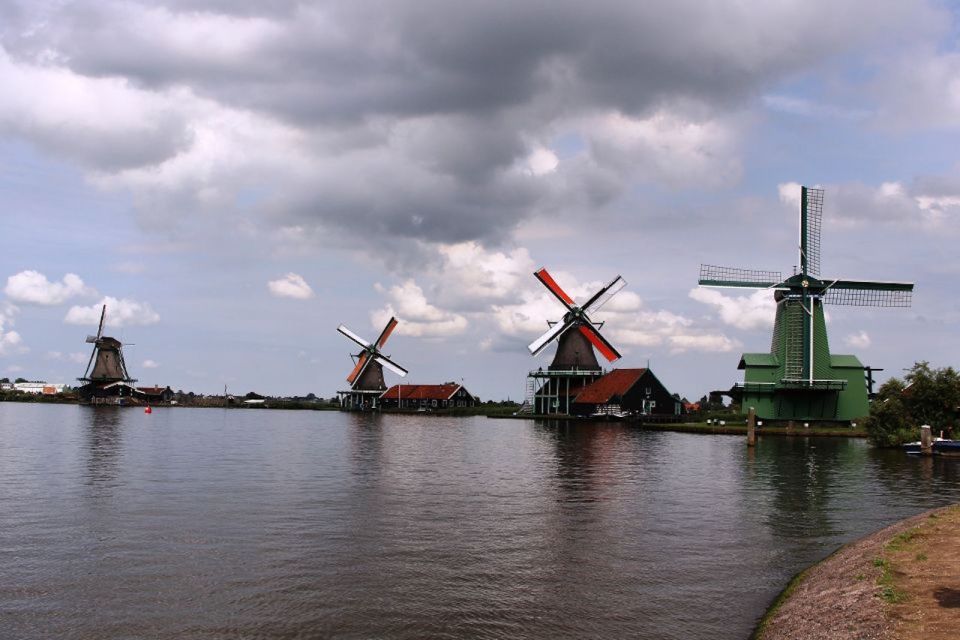
- Zaanse Schans windmills: multiple types with different jobs, not just one windmill pose
- Cheese tasting + cheese-making know-how: learn the steps, then sample the results
- Clog-making demonstration: watch traditional wooden shoe craft in action
- Volendam fishing village feel: old port views and a dyke/boulevard walk
- Extra personal touch in the countryside: a private Mercedes ride with a professional driver
Zaanse Schans: windmills, wooden houses, and the whole point of North Holland
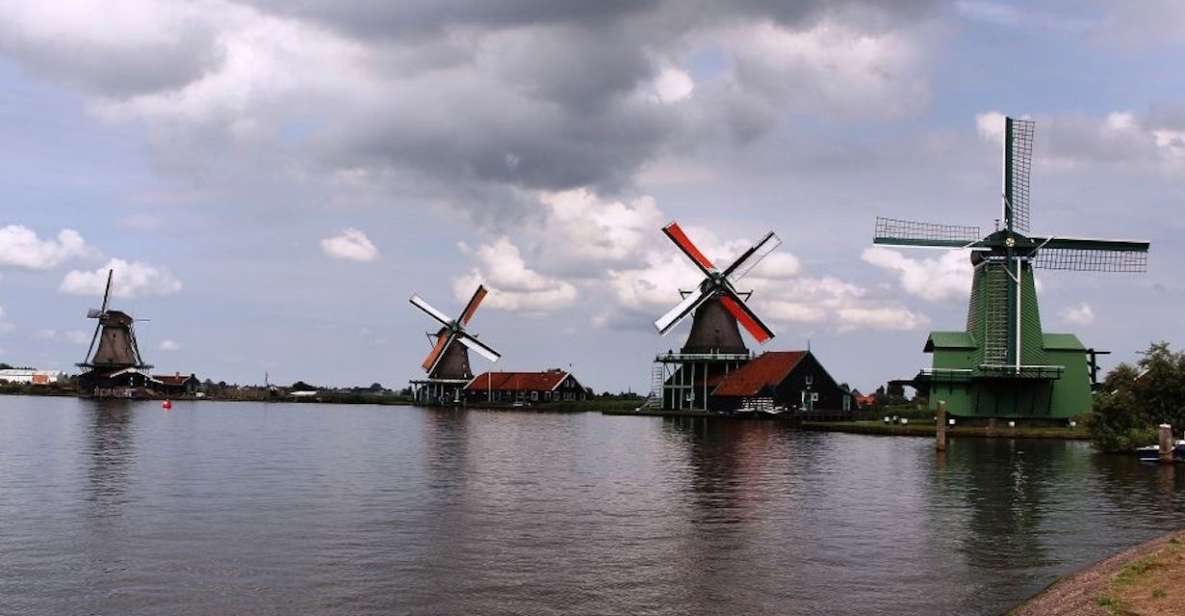
If you only have a few hours outside Amsterdam, Zaanse Schans is one of the most efficient places to “get it.” This is the area where you can see the Netherlands’ old industrial muscle in a compact form: wooden houses, small shops, and windmills lined up like they’re working even when the crowds aren’t.
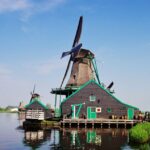
What I like about Zaanse Schans is how functional it feels. These aren’t generic props. Even before you step into a windmill, you’ll be able to notice differences in design and what each mill is for. The day’s stops point you toward the idea that wind power wasn’t just tradition—it was the engine for daily production. Think paint mills, oil mills, saw mills, and others with specific uses. Each type tells you something about what people in the region needed to make and process.
You’ll also spend time touring the wooden dwellings and little shops. This matters because the windmills are only half the story. The other half is the village life that grew around them. In a place like this, you can walk away understanding why the Dutch are so proud of their craftsmanship—woodwork, shop goods, and everyday building styles that fit the water-and-wind world.
Best for: people who want a classic Dutch experience without committing to a full-day trip.
Possible drawback: since it’s scheduled into a 5-hour private format, you won’t get unlimited time to drift.
You can also read our reviews of more private tours in Amsterdam

One windmill stop plus the rest of the “wow” outside
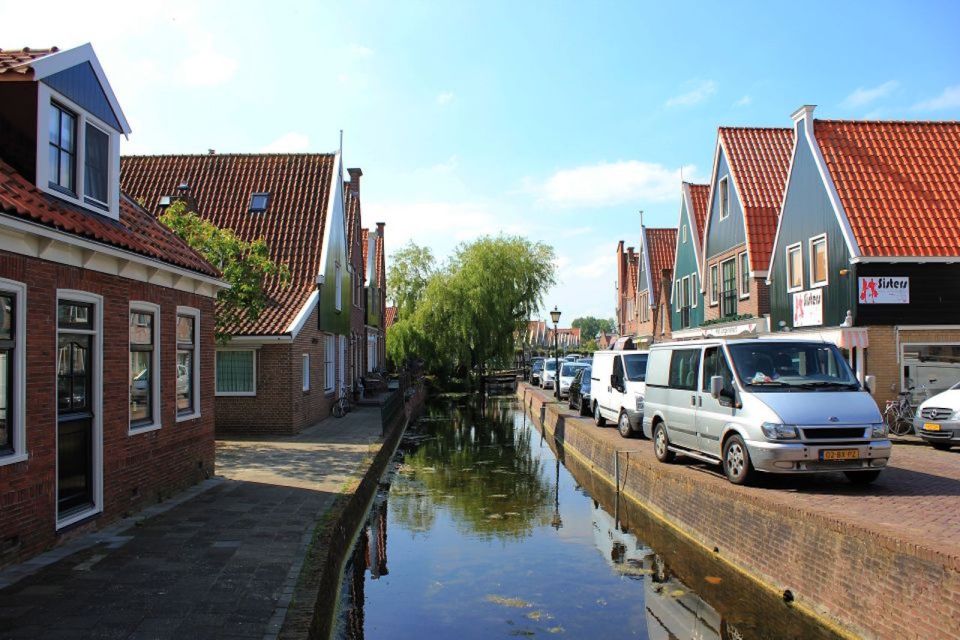
Your tour includes an entrance ticket for one windmill, so you’ll get at least one chance to see the interior (and the real machinery story) up close. But the smart part is that you’re not limited to just the single entry. The rest of your time is spent watching how the mills are arranged and used around the town.
That’s the difference between seeing one windmill versus understanding the system. Outside, you can compare what you’re looking at—different shapes, different roles, different parts you’d only notice when you’ve got someone guiding you. Even if you’re not a technical person, it becomes obvious that the Dutch didn’t waste wind. They turned it into practical work.
Then there’s the “feel” factor. Zaanse Schans has that postcard look, yes—but it also reads like a real working neighborhood where the town layout makes sense. Small streets, tidy shopfronts, and the windmills as landmarks help you orient fast. It’s one of those places where your photos look good because you’re standing in the right spots, not just because the camera is smart.
Tip: wear comfortable shoes. You’ll be walking through a compact historic area, and you’ll be happier if your feet stay calm.
Clogs and cheese: how the Dutch make it, then let you taste it
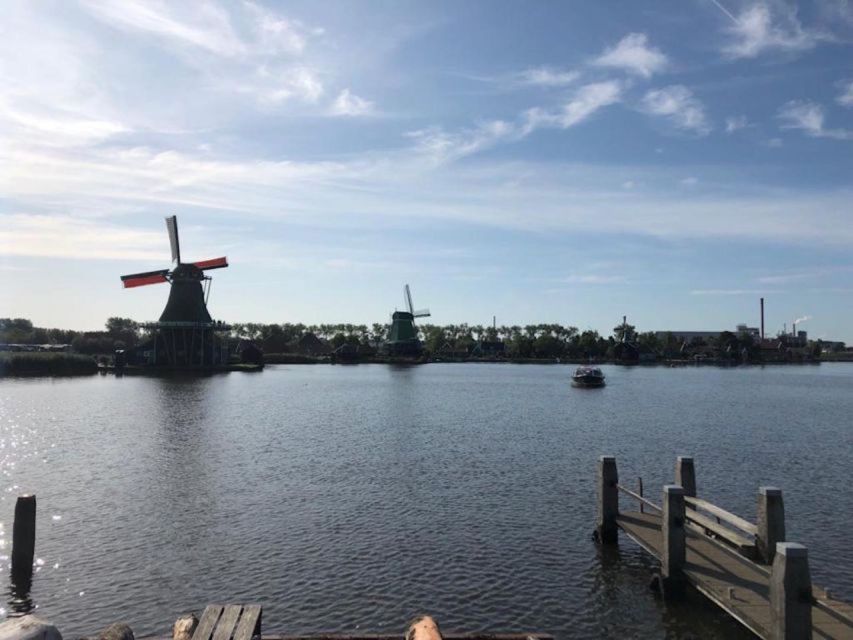
The middle of the day is where the tour shifts from sightseeing into craft and food. Two stops handle the Netherlands’ best “keep me busy” topics: a cheese farm and a clog factory/demonstration.
Cheese farm stop (learn first, taste after)
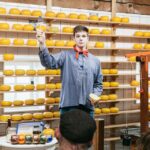
You’ll learn how Dutch cheese is made and then taste some of the flavors. That order is key. If you taste first, it can turn into random sampling. If you learn the process, the flavors start making sense. You can connect what you’re seeing—curd, aging, and the general craft steps—to what shows up on your palate.
The tour is designed so you’re not just buying cheese souvenirs (though you might want to). You’re understanding what makes Dutch cheese different. That’s useful back home too, because you’ll know what kind of cheese you actually like and how to look for it.
Clog-making demonstration (woodwork you can appreciate in real time)
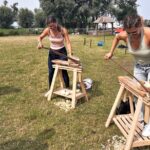
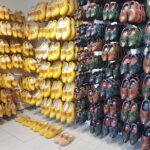
Next comes the wooden shoe world. You’ll get a demonstration on how traditional clogs are made. Even if you’ve seen clogs in museums, a live demonstration changes the experience. You’ll notice the tools, the rhythm, and the precision that goes into shaping wood into something practical for daily life.
The best part is that clogs aren’t presented as a costume. They’re presented as a craft tied to how people lived. That’s why it pairs so well with the windmill stop: it connects production (windmills power work) to the outputs (the everyday items people used).
What I’d watch for: take your time during the tasting and sample more than one option if offered. The whole point here is learning + tasting, not rushing to the next photo.
You can also read our reviews of more tours and experiences in Amsterdam

Volendam: a real fishing village vibe, not just a quick stop
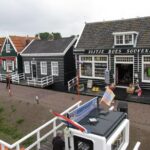
After the mills and factories, the tour heads to Volendam, a fishing village known for its fresh eel and herring. This part of the day feels like a change in pace. Instead of production craft, you’re looking at people’s daily coastal life.
You’ll have chances to try fresh fish from a traditional cart. That’s one of the best ways to experience a place like this without waiting in long lines or guessing what to order. If you’re comfortable with local seafood, it’s a fun moment because it feels connected to the area’s identity, not like a “tourist snack.”
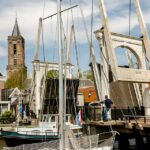
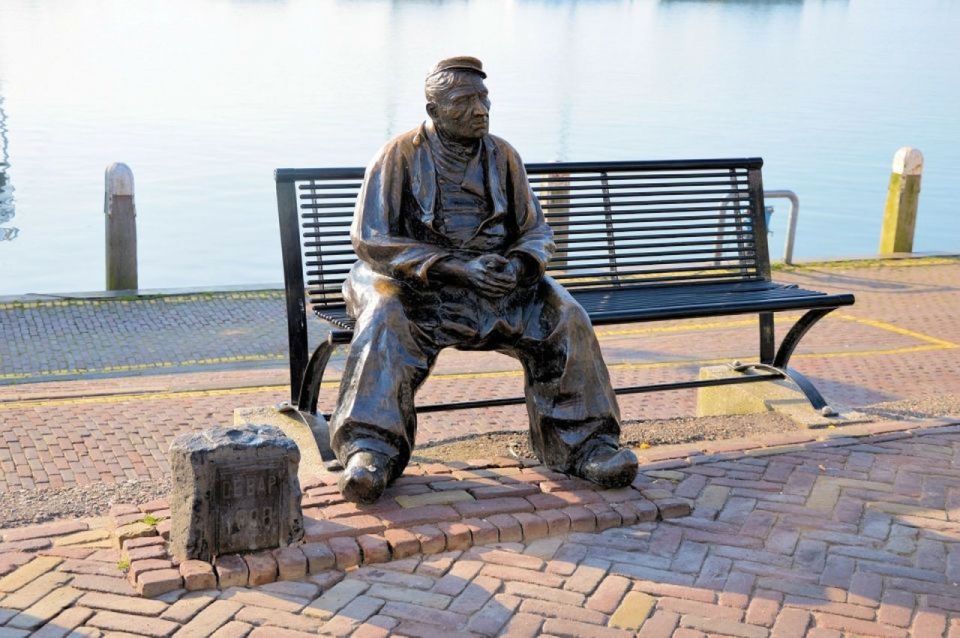
The port area is another highlight. You’ll admire the old port and Dutch ships, then walk along the dyke (boulevard) in the town center. The dyke walk is practical: it gives you water views while also being an easy way to move through town, find shops, and spot places you’d want to return to later for lunch.
One more nice touch: you can try on a traditional Dutch outfit and have your picture taken as you fit in with Volendamers. It’s playful, but it also makes the cultural contrast with Amsterdam feel real. You’re not just going from museum to factory; you’re experiencing the look and feel of regional identity.
Lunch note: Meals aren’t included. If you want a traditional meal, this is a good time to plan it while you’re in the town center.
How the private Mercedes setup keeps the day smooth
This is a private tour, with pickup and drop-off from your Amsterdam hotel lobby. A driver meets you with your name sign, which sounds basic, but it matters. When you’re only out for 5 hours, reducing small hassles keeps the experience fun instead of stressful.
The vehicle is a luxury Mercedes Benz with a professional driver, plus water and Wi-Fi onboard. The value here isn’t just comfort. It’s time management. Your guide/driver handles the route so you don’t spend your energy figuring out trains, transfers, and parking. You can focus on the stops and the learning moments.
A detail that stuck with me from customer feedback: some guests specifically praised the driving. One person mentioned having motion sickness and feeling much better with the driving style used on this trip. That tells you the ride tends to be smoother and more controlled than the stop-and-go chaos you sometimes get when you’re touring with less careful drivers.
Small watch-out: waiting time longer than 20 minutes can count as a no-show, so plan to be ready at pickup.
Price and value: what $324 per person really buys you
At $324 per person for a 5-hour private tour, this isn’t a budget day trip. You’re paying for three things: convenience, guided context, and a package that strings together multiple “Dutch must-dos” without you doing the logistics.
Here’s how that turns into value:
- You’re not paying to see just one place. You get Zaanse Schans, a windmill visit, cheese tasting, a clog demonstration, and Volendam in one outing.
- The included ticket and tastings reduce guesswork. You don’t have to figure out where to buy tickets for mills or how to structure the craft stops.
- Private transport makes the itinerary practical. In 5 hours, public transport can feel like a chain of delays. A Mercedes pickup keeps your schedule tighter.
Is it overpriced? For some travelers, yes—if your dream day is only one or two places at a leisurely pace, a different format could be cheaper. But if you want a structured “greatest hits” version of North Holland—minus the stress—this is a strong value.
Also, compare it to the cost of doing parts yourself. Once you include transport time, ticket purchases, and the cost of your attention span, the private package starts to look reasonable.
Who should book this and who should skip it
This tour is a strong match if you:
- want a short countryside day with a clear plan
- like food and craft experiences, not just scenery
- enjoy guided explanations while you walk, watch, and sample
- prefer private comfort over group time
You might choose something else if:
- you’re the type who wants to linger for hours at a single stop
- you mainly want museums and art instead of production crafts
- you’re traveling with a tight schedule for meals and need long sitting breaks (meals aren’t included)
Because it’s rain or shine, it’s also a good pick if you’re trying to protect your day from bad weather with a structured plan.
Should you book this Amsterdam: Volendam, Windmill, and Cheese Farm private tour?
I’d book it if you want a Dutch day trip that feels both classic and practical—windmills you can understand, cheese you can taste, wooden clogs you can see made, and a coastal village you can actually walk through.
The strongest reasons to say yes are the guided craft focus and the fact that the day includes both production (mills, cheese, clogs) and place (Volendam’s port, dyke, and fish). It’s the kind of 5-hour outing that leaves you with clear memories, not just a pile of photos.
If you’re cautious about weather, keep it simple: pack for rain, wear comfortable shoes, and plan to grab lunch on your own in Volendam. Then you’ll get the best of everything this tour is built to deliver.
FAQ
How long is the tour?
The tour lasts 5 hours.
Do I get hotel pickup in Amsterdam?
Yes. Pickup is included from the lobby of your hotel in Amsterdam, and the driver will hold a sign with your name.
What language is the live guide?
The live tour guide speaks Dutch and English.
What’s included in the price?
Included items are hotel pickup and drop-off, a luxury Mercedes vehicle with a professional driver, water, Wi-Fi in the vehicle, and an entrance ticket for one windmill.
Are meals included?
No. Meals aren’t included.
Does the tour run in bad weather?
Yes. The sightseeing takes place rain or shine.
What should I bring?
Wear comfortable shoes.