REVIEW · AMSTERDAM
Amsterdam: Windmill Guided Tour
Book on GetYourGuide →Operated by Molen van Sloten · Bookable on GetYourGuide
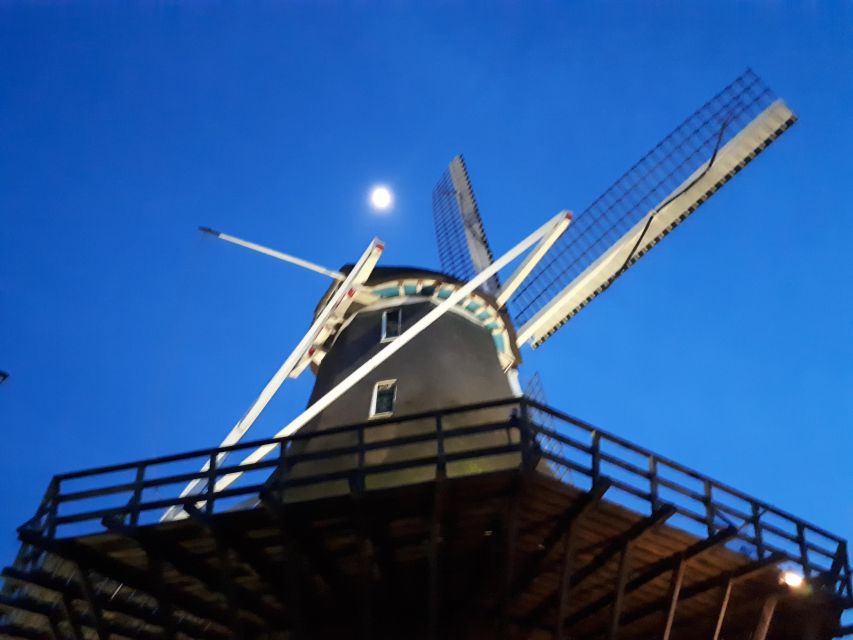
A working windmill is rare in Amsterdam, and this one is practical. You’ll step into the Molen van Sloten (from 1847) and watch its sails move while your guide explains how it helps protect Amsterdam West from flooding. I like the hands-on feel of a real, operating water-pumping mill, and I also love the climb for the views over the Ringvaart Canal. The main downside: the whole experience is only 45 minutes, so you’ll need to be okay with a quick, focused route.
One more thing to plan for: this is a windmill inside, with stairs. If you’re bringing kids who can’t handle heights or walking, you may want to rethink the timing or keep your expectations modest. Still, at about $9 per person, it’s one of those trips that’s short on your day and long on value, especially if you want real Dutch water management, not just photos.
In This Review
- Key highlights worth your time
- Why this working windmill is more than a photo stop
- Getting there fast: meeting point and what that means for your schedule
- Inside Molen van Sloten: from the thatched roof to the turning sails
- The climb: stories that connect the mill to nearby villages
- Attic stop: Rembrandt van Rijn–style wax figures
- The view: Ringvaart Canal panoramas that make the climb worth it
- Price and value: why $9 for 45 minutes feels fair
- Languages, group vibe, and practical comfort
- Who should book this windmill tour (and who might not)
- Should you book the Amsterdam: Windmill Guided Tour?
- FAQ
- How long is the Amsterdam windmill guided tour?
- Where do I meet for the guided tour?
- What’s included in the ticket price?
- Are food and drinks included?
- Is the tour wheelchair accessible?
- What languages is the live guide available in?
- Are unaccompanied minors allowed?
- What’s the cancellation policy?
Key highlights worth your time
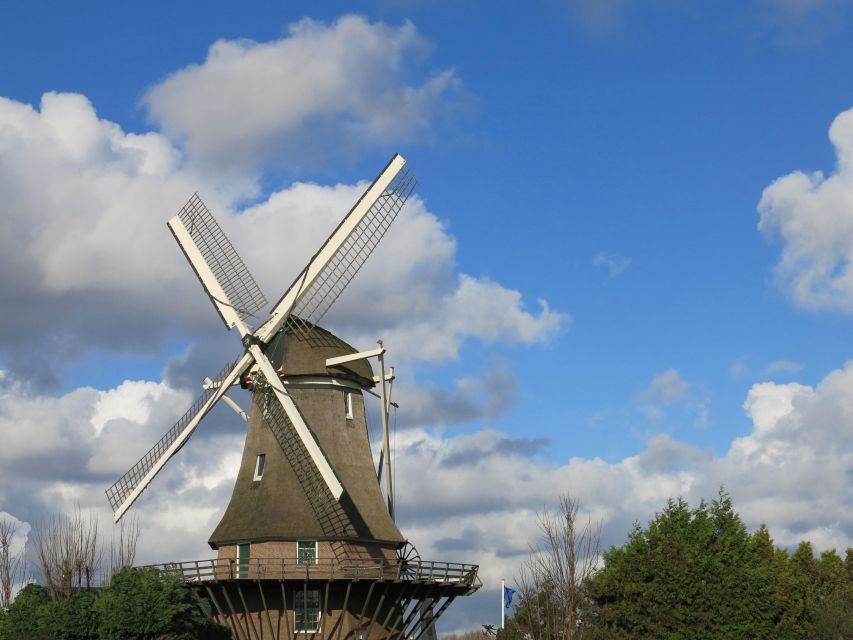
- A functional water-pumping windmill you can actually see at work
- How Amsterdam West stays dry, explained in plain language by the guide
- Panoramic views of the Ringvaart Canal from up top
- Wax figures linked to Rembrandt van Rijn in the attic
- A small, guided visit format designed to keep the flow smooth (and not drag on)
Why this working windmill is more than a photo stop
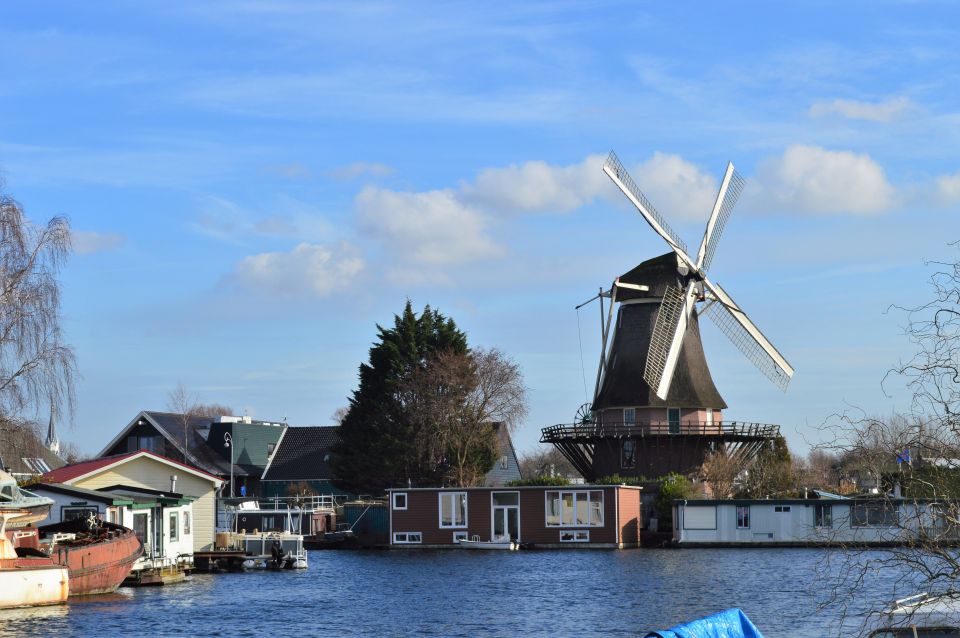
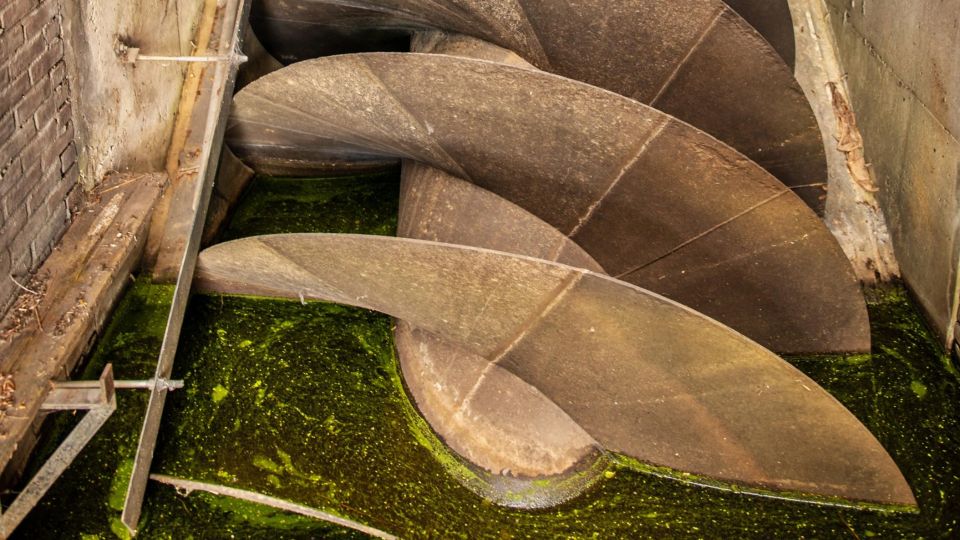
In the Netherlands, water control isn’t a side topic. It’s the reason a lot of places exist the way they do. This is exactly why the Molen van Sloten tour feels different from a typical sightseeing stop. You’re not just looking at a pretty old building. You’re learning how a working windmill helps manage water levels in low-lying Amsterdam West.
The guide frames it in a way that makes the Dutch idea of staying dry feel logical, not mystical. Once you understand the goal (keeping water where it belongs), the turning sails and the mill’s role click into place. You start to see windmills as practical infrastructure, not just countryside nostalgia.
And then there’s the everyday fun of it. Watching the sails turn on a mill that’s open to the public is genuinely satisfying. It’s one of those experiences where you can point and say, that’s the system doing its job, not a staged show.
You can also read our reviews of more guided tours in Amsterdam


Getting there fast: meeting point and what that means for your schedule
You’ll meet at Molen Van Sloten (1990) along with the Kuiperij Museum – Windmill area. The entrance for the guided tour is in the souvenir shop, so don’t plan to wander around until you find the right door. Go in with intent, and you’ll save yourself a bit of wandering time.
The duration is 45 minutes, and the tour is guided live in English, Dutch, or German. That timing matters because it turns this into an easy add-on during an Amsterdam day. You’re not committing a whole half-day to “another museum.” You’re swapping in a short guided walkthrough that has a clear storyline and a payoff: views and seeing the mill operate.
Also, you get skip-the-ticket-line access as part of the entry. With a tour this short, that kind of efficiency helps the experience feel streamlined instead of rushed.
Inside Molen van Sloten: from the thatched roof to the turning sails
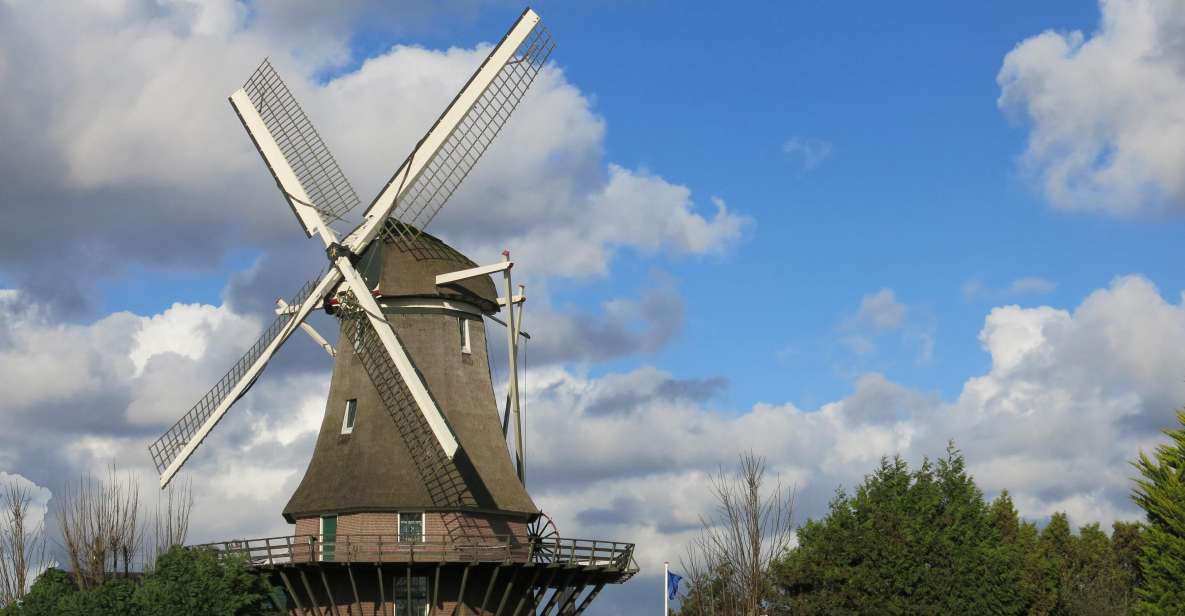
Before you even climb, you get a feel for the mill’s build. The experience starts with the thatched roof and the hardy oak construction, which gives you a sense of how these structures were meant to survive real weather and real use.
Then you follow your guide through the windmill and learn how the system works. This is where the tour earns its keep. The guide doesn’t treat the mill like a complicated machine sealed behind glass. The whole point is that you’re inside a working setup, and your guide connects the history with the function.
One highlight is seeing the wings turn. That’s the “wow” moment, but it also serves a purpose: once you’ve seen movement, the explanations make more sense. It’s hard to grasp water-pumping logic when everything is still. When the sails are turning, you can almost picture the mill doing the work in the background.
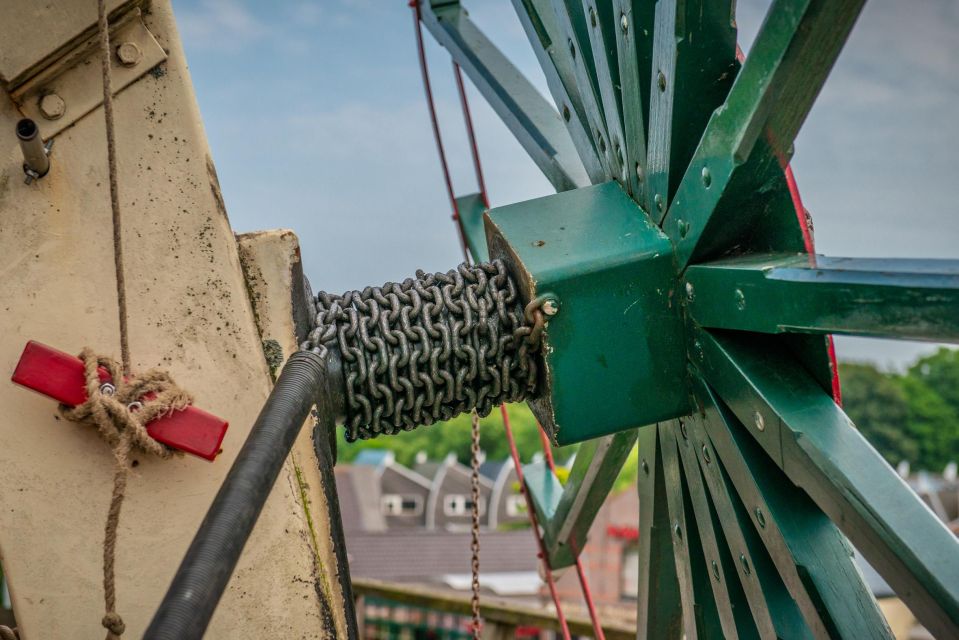
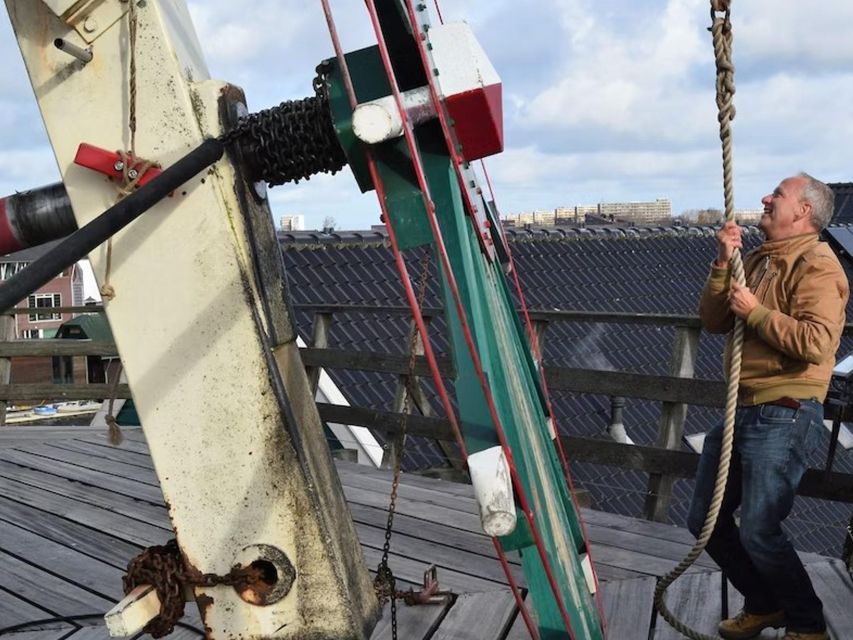
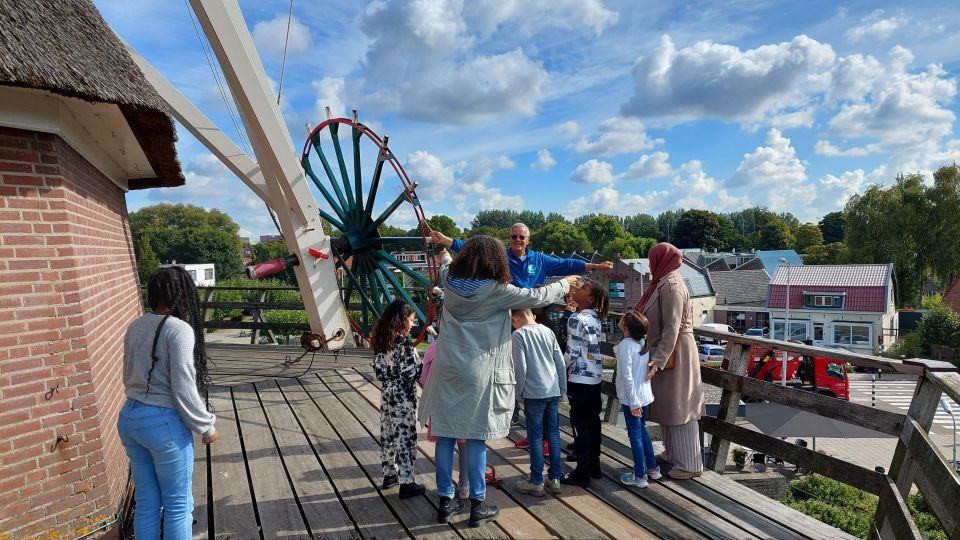
On some visits, you may also get a closer look at how the guides handle the sails during the tour. For example, I’d expect your guide to be happy to answer technical questions, and on at least some occasions they can show how adjustments work while you’re there. Even if you’re not an engineering person, asking a couple of good questions is part of the fun.
The climb: stories that connect the mill to nearby villages
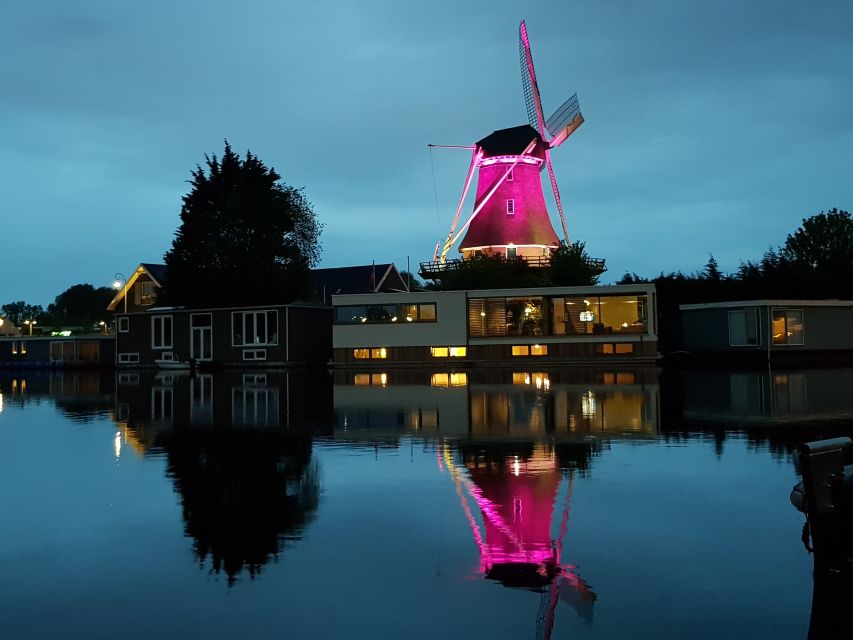
A big part of this tour is the vertical walk up into the windmill. As you climb, you’ll hear stories that go beyond the machine itself, including nearby village connections like Sloten and Old Osdorp. That helps you place the windmill in a wider community context instead of treating it like a lone artifact.
This part of the experience works especially well because it gives you a pace change. First you take in the technical and practical explanation. Then your guide adds local context while you’re physically moving upward. It makes the climb feel like a guided narrative instead of just stairs.
If you’re visiting with friends, this is also where you’ll likely end up asking the most questions. When the guide ties the mill to local settlement stories and the larger job of keeping water levels controlled, it’s easier to understand why windmills were so central here.
Attic stop: Rembrandt van Rijn–style wax figures
One of the most memorable stops in the tour happens up in the attic. You’ll see wax characters painted by Rembrandt van Rijn, which adds a surprisingly playful twist to a windmill tour.
This isn’t a long art exhibit. It’s a quick, guided moment that gives the attic a personality. For me, it works because it breaks up the technical focus. After learning how water management keeps low-lying areas functioning, you get a cultural interlude that still feels tied to the Dutch way of making history and daily life share the same space.
It’s also the kind of detail that helps the tour feel family-friendly without turning it into something childish. Adults get the art connection, and kids usually enjoy seeing the characters up close.






The view: Ringvaart Canal panoramas that make the climb worth it
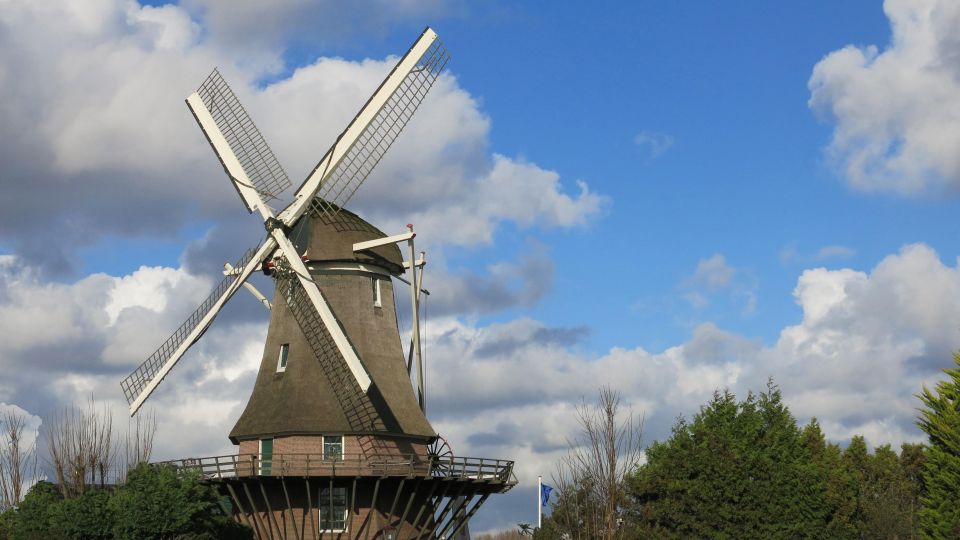
At the top, the tour delivers on one of its clearest promises: panoramic views over the Ringvaart Canal and surrounding areas. This is where you get your payoff for staying focused through the walkthrough.
Views matter on short tours. They’re not “extra.” They’re the moment your brain switches gears from learning to experiencing. From up top, you can understand the mill’s setting—how water channels and low-lying terrain relate to the need for controlled pumping.
If you’re someone who likes to orient quickly, this is a great stop. You’ll likely recognize canal lines and appreciate how they fit together with the windmill’s job.
Price and value: why $9 for 45 minutes feels fair
At $9 per person for 45 minutes, the value is strong. The ticket price isn’t trying to price you out of a working, guided attraction. Instead, it buys you two things that are rare in Amsterdam day-trips: a working mill and a live guide included with admission.
Your costs are also fairly straightforward. The tour includes entrance fees and the tour guide. Food and drinks are not included, so plan to snack before or after if you need it. That’s normal for a short tour, but it’s worth thinking about so you’re not stuck deciding when you’re hungry.
The real value angle is that this experience is both short and specific. If you want a Dutch water-management story with movement, history, and a view, you can get it without turning your whole day into a museum marathon.
Languages, group vibe, and practical comfort
Tours run in English, Dutch, or German, which is useful if you’re traveling with mixed language comfort. Your guide will also handle questions, and the visit format is designed for a guided pace rather than a self-guided shuffle.
A detail that comes up in the experience is the volunteer style of many guides. That often means you get a bit more care and enthusiasm in the explanations. You’re not just hearing facts. You’re hearing someone who has a personal reason for keeping this kind of heritage working and open.
Comfort-wise, you should assume stairs and indoor climbing. The tour is wheelchair accessible, which is great to know, but the exact flow inside can still affect how easy the walk feels for some visitors. If mobility is a concern, you’ll be happiest if you go in ready to move at a slower pace and follow your guide’s lead.
Who should book this windmill tour (and who might not)
This is a great fit for:
- People who want a working Dutch structure, not just an exterior photo
- Families who like short, guided experiences that end with a view
- Anyone curious about how the Dutch keep low-lying areas functioning and safe
You might want to consider another option if:
- You strongly prefer long museums or deep self-paced exhibits
- You don’t want stairs or tight indoor walking
- You’re traveling with a minor who would be unaccompanied (unaccompanied minors aren’t allowed)
The tour is also a nice choice if you’re planning a light day in Amsterdam. It slots into your schedule without swallowing hours, and it gives you a very Amsterdam-specific theme: water management.
Should you book the Amsterdam: Windmill Guided Tour?
Yes, I think you should book this if your ideal Amsterdam day includes something hands-on, short, and genuinely local. For the price, you get a functional windmill, guided explanations about keeping Amsterdam West dry, and a satisfying payoff with canal views plus that Rembrandt-related attic stop.
If you’re the type who needs more than 45 minutes to feel like you learned everything, you’ll want to set your expectations accordingly. Think of it as a focused hit: a guided overview that leaves you with clear understanding and a few great details you’ll remember later.
If the idea of stairs is a problem for your group, double-check how comfortable you’ll be with the route inside the mill before you commit. Otherwise, this is one of those rare Amsterdam experiences where the “old” thing is actually doing its job.
FAQ
How long is the Amsterdam windmill guided tour?
The tour lasts 45 minutes.
Where do I meet for the guided tour?
The guided tour entrance is in the souvenir shop.
What’s included in the ticket price?
Your ticket includes entrance fees and a tour guide.
Are food and drinks included?
No. Food and drinks are not included.
Is the tour wheelchair accessible?
Yes, the tour is wheelchair accessible.
What languages is the live guide available in?
The tour guide is available in English, Dutch, and German.
Are unaccompanied minors allowed?
No. Unaccompanied minors are not allowed.
What’s the cancellation policy?
You can cancel up to 24 hours in advance for a full refund.