REVIEW · AMSTERDAM
The Rijksmuseum Tour: Small Guided Group with Museum Entry
Book on GetYourGuide →Operated by SightSeekers · Bookable on GetYourGuide
A museum like the Rijksmuseum can feel like a firehose. This small-group tour helps you read it like a story, with timed entry and a guide who links Dutch art to the big European picture.
I like the small group format (limited to 10), because you’re not just shuffled through rooms. I also like that Rijksmuseum entry is included, so you can focus on the art and not the ticket shuffle.
One thing to consider: it’s a 2-hour visit. If you prefer to linger in front of paintings for long stretches, you’ll likely want extra time after the tour.
In This Review
- Key points worth your attention
- Rijksmuseum in two hours: why this guide-led plan works
- Meeting at Paulus Potterstraat 1 and starting with momentum
- The tour’s “story mode”: Black Death to independence and the Golden Age
- Rembrandt, Vermeer, and why Dutch masters became the household names
- Still lifes and everyday people: learning how art reflects social change
- How the guide links Dutch art to Europe’s wider movements
- Lower levels: when the Dutch Golden Age declines and new ideas take over
- Small-group pacing: the difference between seeing and understanding
- Price and value: what $63 includes and why it can be fair
- Who this tour suits best (and who might want extra time)
- The guide factor: Tristan, friendly clarity, and real direction
- Should you book this Rijksmuseum guided tour?
- FAQ
- How long is the Rijksmuseum tour?
- Is the tour in English?
- How large is the group?
- What is included in the price?
- Where do I meet the guide?
- Is transportation included?
Key points worth your attention
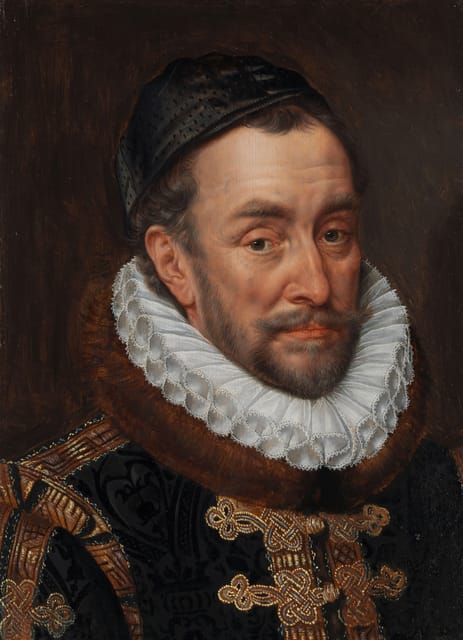
- Small group size keeps the pacing humane and the guide easier to follow
- Museum entry included means less hassle and more time looking at art
- Dutch history through art gives you context for Rembrandt, Vermeer, and beyond
- European artistic movements explained so the works connect to what’s happening across Europe
- Tour path includes the lower levels where the golden age shifts and declines
- Guide names you might remember: Tristan gets called out as friendly, nice, and very knowledgeable
Rijksmuseum in two hours: why this guide-led plan works
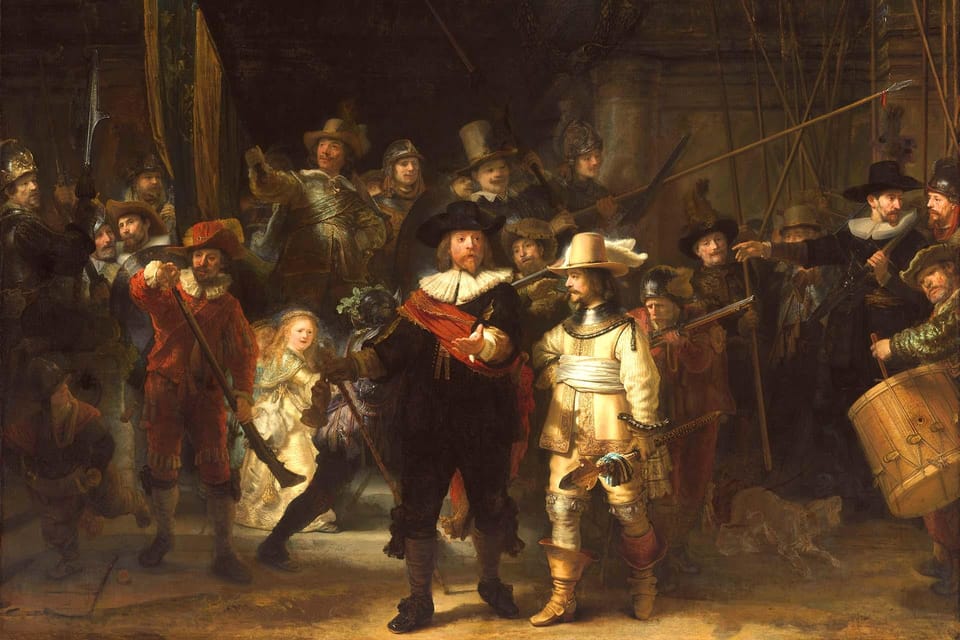
The Rijksmuseum is huge. Without context, you can end up seeing beautiful paintings with no clear thread between them, and then you’re back outside with more photos than understanding.
This tour is built to fix that problem. You’ll walk through major sections at a steady pace, while your guide places the artworks inside the historical story happening in the Netherlands. The result is practical: you start remembering what you saw because you know why it matters.
And you’ll be in a small group. That limit of 10 people changes the whole experience. Questions land, explanations don’t get swallowed by the crowd, and you can actually hear what the guide is pointing out.
You can also read our reviews of more guided tours in Amsterdam


Meeting at Paulus Potterstraat 1 and starting with momentum
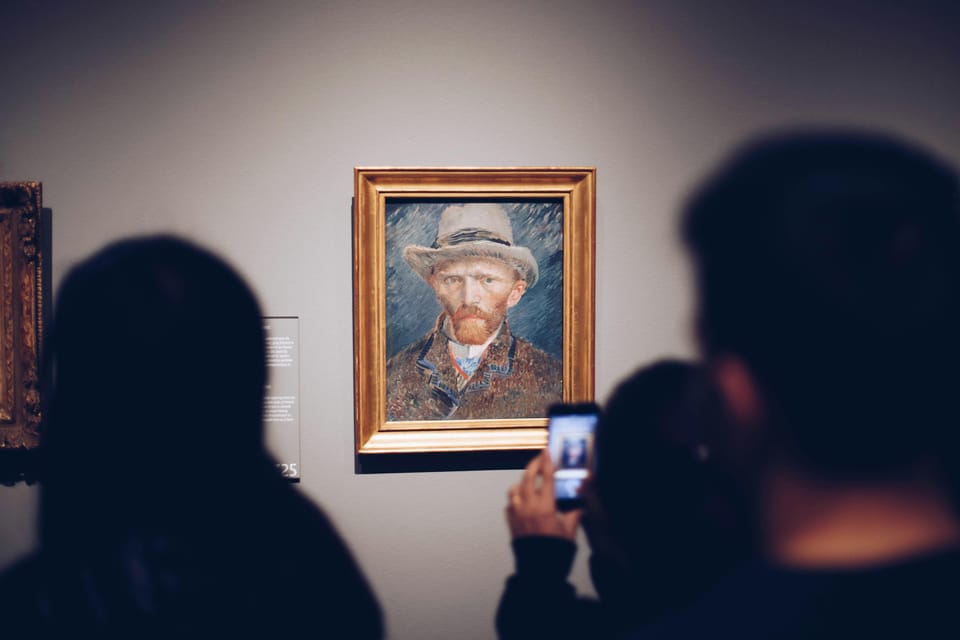
You meet your guide outside the museum at Paulus Potterstraat 1. That’s a simple setup, but it’s also key—getting the visit organized at the front end helps you settle in instead of wandering around the entrance area like a tourist with a map and no plan.
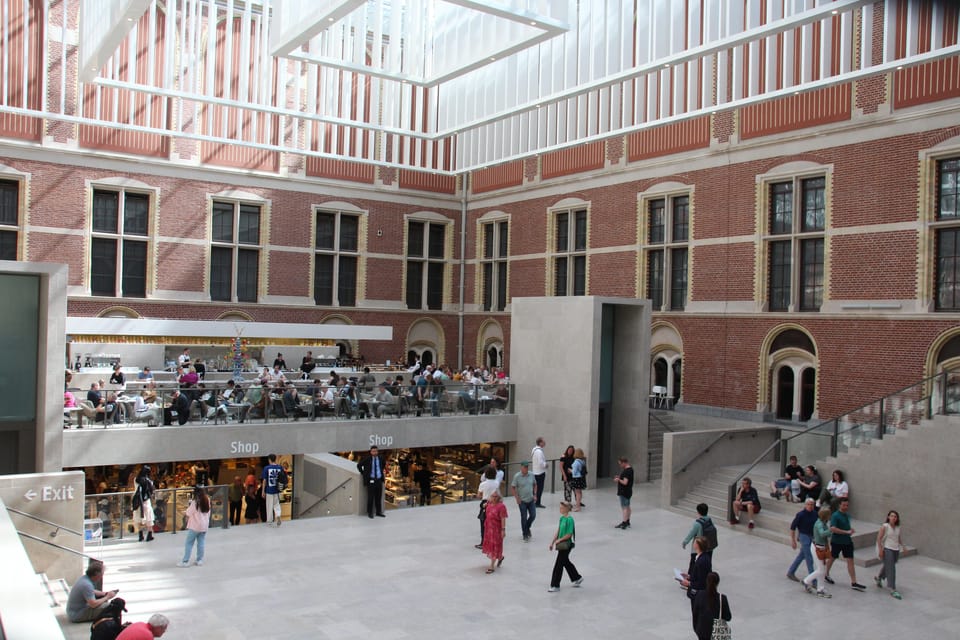
From there, the tour moves into the museum’s great hall area and into the galleries across its wings. The structure matters because the Rijksmuseum layout is designed for browsing, not for first-time orientation. With a guide steering you through the spaces, you get your bearings fast.
Tip for the day: wear comfortable walking shoes. You’ll cover a lot of ground in a short window, and your feet will decide whether you enjoy the art or just survive the tour.
The tour’s “story mode”: Black Death to independence and the Golden Age
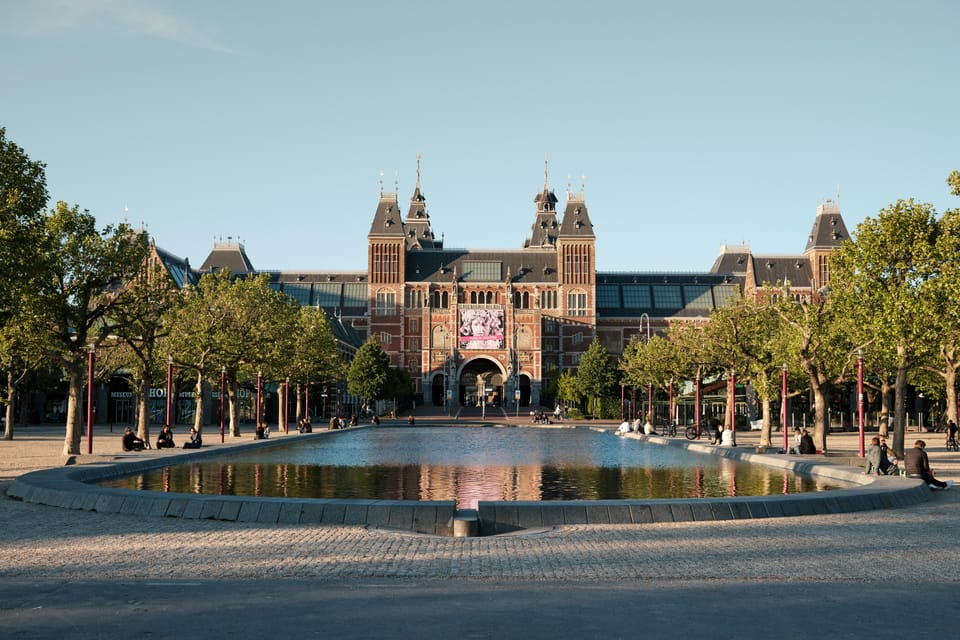
The biggest value here is how your guide connects paintings to Dutch history. The tour isn’t just a list of artists. It’s a timeline you can walk through.
You start by watching Dutch culture form through the chaos and pressure of medieval turmoil, including the Black Death. That sets up an important idea: art doesn’t happen in a vacuum. Social disruption, politics, and identity all shape what people commission—and what artists think is worth making.
Then you move toward Dutch independence and the flowering of the Golden Age. This is where the museum starts to feel less like a collection and more like a record of a society changing. You’ll see how the Netherlands becomes confident enough to support art that reflects its values.
If you’ve ever looked at Dutch art and wondered why it feels so “real”—so focused on ordinary life—this is the moment the meaning clicks into place. You’re not just seeing paintings. You’re learning what Dutch society wanted to see in them.
Rembrandt, Vermeer, and why Dutch masters became the household names
The tour highlights big names: Rembrandt and Vermeer (plus other iconic painters) are part of the storyline. What makes this effective is that the guide connects these masters to the historical conditions around them.
For example, when you understand how the Dutch republic took shape, it becomes easier to see why portraiture, everyday scenes, and careful observation mattered. When you understand independence and national identity, you start to read paintings like cultural statements, not just masterpieces.
The most useful part is how the guide explains the “why” behind their reputation. It’s easy to accept that Rembrandt or Vermeer are famous. It’s harder—and more interesting—to know what made them stand out in their world.
You also get a sense of artistic choice. The guide talks about why still lifes became incredibly popular, and how artists made space for subjects that weren’t royal or religious. That’s not trivia. It’s a window into what Dutch audiences valued.
Still lifes and everyday people: learning how art reflects social change
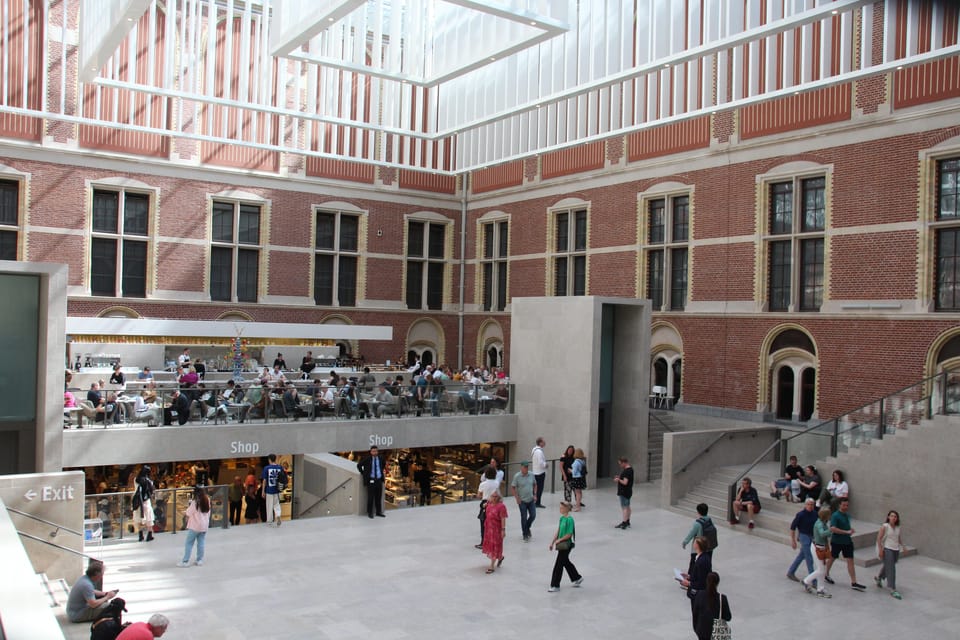
Dutch Golden Age painting often feels quiet, close-up, and intensely observed. This tour helps you understand that quietness instead of treating it like decoration.
Your guide points out why still lifes took off—often tied to the culture of trade, collecting, and the everyday rhythm of prosperous homes. You’ll also learn about how artists chose everyday people as subjects for major works. That choice says a lot about who held status and who was worth portraying.
This is where the tour does something practical for you as a visitor: it changes how you look. Instead of scanning for famous names, you start noticing details you might otherwise miss—compositional decisions, realism, and the way objects or people are presented with meaning.
And since the tour keeps connecting those choices back to the broader European picture, you’re not stuck thinking Dutch art is an isolated bubble. You can see influences and shifts across the continent, which makes the museum feel bigger in a good way, not just more crowded.
You can also read our reviews of more museum experiences in Amsterdam






How the guide links Dutch art to Europe’s wider movements
A lot of museum tours stop at the Netherlands. This one goes further by tying the works to greater artistic movements of Europe.
That matters because it gives you a scale. You learn how the Dutch style fits into larger trends—what was happening across Europe socially and artistically, and why certain approaches to painting spread or changed.
Even if your background in European art history is light, you can still follow it. The tour is designed to be accessible, with explanations that aim to help you connect the dots without turning your visit into a lecture.
Think of it like this: the Rijksmuseum can overwhelm you with time periods, styles, and dates. Here, you’re given a thread. That thread helps you understand what you’re seeing before you’re thrown back into the streets of Amsterdam.
Lower levels: when the Dutch Golden Age declines and new ideas take over
The tour rounds off by going down to the lower levels, where the storyline shifts. This is where you’ll see how the Golden Age declines and how new thinking—linked to enlightenment ideas—comes into focus.
There’s also a reminder that independence doesn’t end neatly. The guide explains how Dutch fortunes change again and how those changes affect culture and art.
This ending is useful because it prevents the “everything was perfect in the Golden Age” trap. You leave with a more honest sense of the Dutch republic’s arc—and with more context for why later artworks look different. Even if you weren’t planning to study history that day, you’ll feel the difference in mood between eras as you move through the museum.
Small-group pacing: the difference between seeing and understanding
A 2-hour tour sounds short, but that’s often the sweet spot at a massive museum. You get entry and a guided pathway that aims to cover key eras without eating your whole day.
The small group limit to 10 also affects pacing. You can get clarification without feeling rushed, and your guide can keep the group together while still pointing out meaningful details. In a museum this large, staying focused beats wandering.
Also, the guide’s role isn’t just “tell me what this painting is.” The best tours help you form connections. This one does that by repeatedly tying art to historical context—so you’re not just memorizing artists.
If you’re the kind of visitor who likes order—who wants to understand the big picture before you zoom in—this format is a strong fit.
Price and value: what $63 includes and why it can be fair
At $63 per person for a 2-hour small guided group, the value comes from three things being bundled together:
- A local professional guide for interpretation, not just directions
- Entry ticket included, so you aren’t juggling separate costs on the day
- A guided walking path that tackles the museum’s scale and orientation problem
If you’ve ever tried to DIY the Rijksmuseum on your first visit, you know how easy it is to spend time figuring out what to see. Even with good intentions, you can end up skimming. Paying for a guided structure buys you momentum and clarity.
Is it the cheapest way into the museum? Maybe not, depending on how you plan your day. But it’s a straightforward way to convert your time into understanding—especially if you want Dutch art history to feel connected rather than random.
Who this tour suits best (and who might want extra time)
This is a great match if you want Dutch art to come with context. You’ll enjoy the tour if you like historical stories, appreciate major artists like Rembrandt and Vermeer, and want to understand why still lifes and everyday subjects mattered.
It also fits you if you’re visiting Amsterdam with a tight schedule. Two hours is manageable, and the guided path is designed to help you get the essentials without burning a full day.
It may be less ideal if you want slow, quiet museum time. If your idea of a good visit is sitting in one spot for a long while, you’ll probably want to add self-guided time before or after the tour.
The guide factor: Tristan, friendly clarity, and real direction
One of the clearest themes from the experience is the guide quality. Tristan is specifically mentioned as friendly and nice, with strong knowledge, and the tour experience is described as enjoyable in a museum that can otherwise feel too vast.
That kind of guide makes a difference in practice. When you’re standing in a giant collection, you need someone who can choose the right details and explain them clearly. Here, the guiding approach aims to be structured, but still approachable.
Should you book this Rijksmuseum guided tour?
If you want your Rijksmuseum visit to feel organized and meaningful, I’d book it. The combination of small group size, English live guide, and included entry tackles the two biggest pain points: museum overwhelm and wasted time.
Choose it especially if you care about the bigger story—how Dutch history, independence, and shifting eras shaped what artists painted. You’ll leave with a stronger framework for seeing the museum, not just a list of famous works.
If you’re the type who wants to linger and study brushwork for long stretches, consider booking this and then adding your own time afterward. The tour gives you the map; you can decide how deep to go after.
FAQ
How long is the Rijksmuseum tour?
The tour lasts 2 hours.
Is the tour in English?
Yes, the live tour guide provides the tour in English.
How large is the group?
The group is limited to 10 participants.
What is included in the price?
The price includes the Rijksmuseum entry ticket, a local professional guide, and a guided walking tour of the museum.
Where do I meet the guide?
Meet your guide next to the entrance of the museum at Paulus Potterstraat 1.
Is transportation included?
No, transportation is not included.