REVIEW · AMSTERDAM
Amsterdam: Anne Frank Walking Tour
Book on GetYourGuide →Operated by Trigger Tours · Bookable on GetYourGuide
Some stories need streets, not screens. This 2-hour Anne Frank walking tour turns Amsterdam’s Jewish neighborhoods into a clear, walking timeline of WWII. I love how it starts with real landmarks like the Portuguese Synagogue and moves through the Jewish Quarter at a smart pace. One thing to note: you won’t get Anne Frank House entry, so plan that stop for a separate ticket.
The second reason I’m a fan is the way the guide connects events to place. In the best versions I’ve seen, guides like James or Aaron (and others) are equal parts story-teller and listener, linking the family’s situation to what Amsterdam’s Jewish community faced during the occupation. You’ll also learn about events like the February strike and the hunger winter, not as trivia but as daily-life pressure points.
The main drawback to consider is emotional weight. You’ll walk past Holocaust-related memorials and hear the diary story alongside deportation-era realities, so it’s not the kind of tour you want to treat like casual sightseeing.
5 things I’d circle on this Anne Frank Walking Tour
- Portuguese Synagogue as a meaningful kickoff, not just a photo stop
- Jewish Quarter streets where WW2 traces are still visible in the buildings and layout
- The story links Anne Frank’s move, hiding, and her father’s postwar role in publishing the diary
- A thoughtful ending at the Auschwitz Monument, which changes the mood fast
- Guides such as James or Aaron often bring strong pacing and lots of Q&A room
In This Review
- Why This 2-Hour Walk Works Better Than Trying to Piece It Together
- Portuguese Synagogue: A Strong Opening That Sets the Tone
- The Jewish Quarter Streets: Narrow Lanes, War Traces, and Real Names
- Quick Stop at the Jewish Historical Museum: Context in Small Bites
- Waterlooplein and Nieuwmarkt/Lastage: Everyday Amsterdam Under Extraordinary Pressure
- Auschwitz Monument: When the Mood Shifts, and Why That’s Important
- Anne Frank House Area: The Famous Diary, Explained Through Place
- Plantage District: Closing the Loop in a Neighborhood With Weight
- What You Pay for: $21 and the Real Value in the Guide
- Pacing, Comfort, and Who This Tour Fits Best
- Should You Book This Amsterdam Anne Frank Walking Tour?
- FAQ
- How long is the Amsterdam: Anne Frank walking tour?
- Where do I meet the guide?
- Does the tour include tickets or entry to the Anne Frank House?
- How much does the tour cost?
- What languages are available for the live guide?
- Is the tour wheelchair accessible?
- What should I bring?
Why This 2-Hour Walk Works Better Than Trying to Piece It Together

Amsterdam is easy to wander—until you’re staring at a building and wondering what matters and what’s just old brick. This tour solves that problem in a simple way: it’s a tight loop of Jewish-history stops that tell you what to look for as you go.
At $21 per person for about 2 hours, the value comes from guidance, not from museum tickets. The tour itself doesn’t include entry to the Anne Frank House, but it does help you understand what you’ll see there later. Think of it like getting the reading map first, so the famous house makes more sense when you visit independently.
Also, the pacing tends to be practical. Even the longer stretch in the Jewish Quarter is built around walking and brief guided stops, so you’re not stuck in one place waiting for the next explanation. If you like history but hate feeling like you’re stuck inside with no fresh air, this format fits.
Portuguese Synagogue: A Strong Opening That Sets the Tone
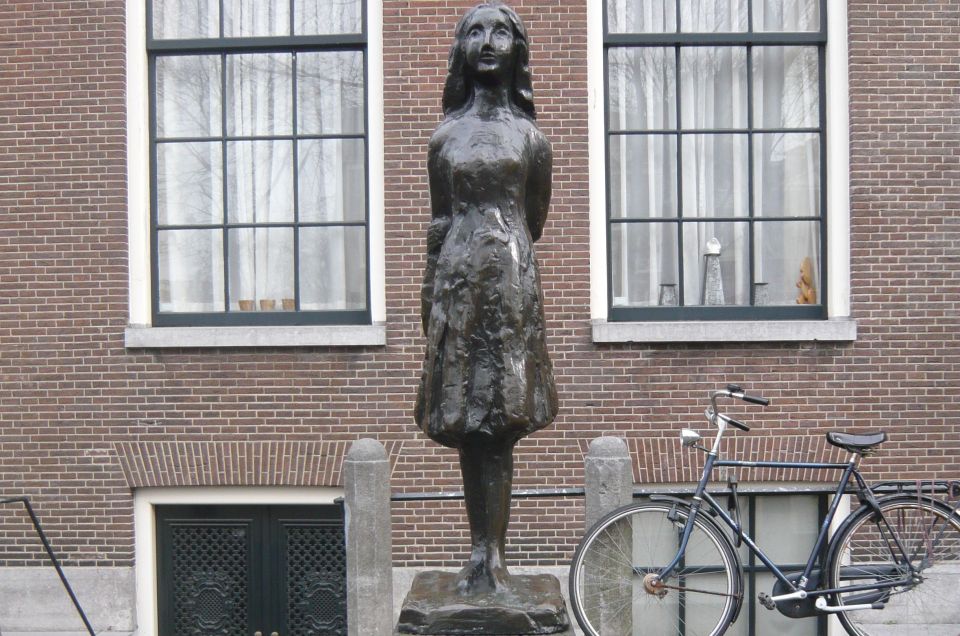
The tour begins near Waterlooplein and soon lands at the Portuguese Synagogue area. This stop is short (about 10 minutes), so it’s not designed to be a full religious-history lesson. Instead, it works like a narrative primer: it tells you why Amsterdam’s Jewish communities were diverse and why some neighborhoods became cultural anchors.
Why I like this opening: you get context early. If you start with Anne Frank’s story before understanding the broader community, the diary can feel like a single isolated tragedy. Starting at the synagogue-related landmarks helps you see the bigger picture—centuries of community life, civic presence, and then the rupture brought by war.
One caution: because the time here is limited, don’t assume you’ll get every detail about architecture or religious practice. The payoff is the tour’s overall storyline, not a deep dive at one address.
You can also read our reviews of more walking tours in Amsterdam


The Jewish Quarter Streets: Narrow Lanes, War Traces, and Real Names
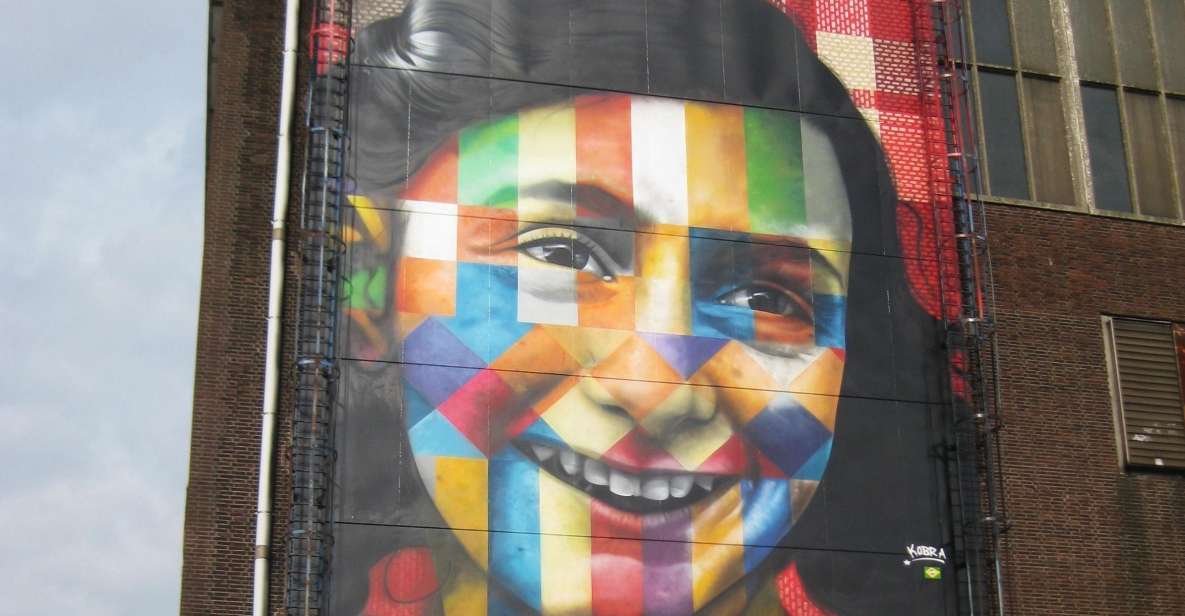
The most time on the route is in the Jewish Quarter (around 40 minutes). This is the heart of the walking experience. You’ll move through narrow streets and alleys and hear how Amsterdam changed under occupation—especially for Jewish residents.
What makes this section powerful is the way it treats the neighborhood like evidence. You’ll notice historic buildings and landmarks that still show traces of the war, and the guide points out what those traces mean. In places like this, “what happened here” isn’t abstract. It sits right in front of you.
This is also where the tour weaves in broader Jewish-life context in Amsterdam, including references to the Jewish Historic Museum and landmarks associated with Jewish institutions (like the Jewish Council headquarters mentioned in the tour description). The point isn’t to turn the walk into a checklist. It’s to help you connect Anne Frank’s story to where she and others would have intersected with community institutions.
Emotional note: the guide also covers suffering across the whole community, including the February strike and the hunger winter. Those details matter because they show that life under Nazi occupation wasn’t only fear and hiding—it was also starvation, pressure, and constant uncertainty.
Quick Stop at the Jewish Historical Museum: Context in Small Bites
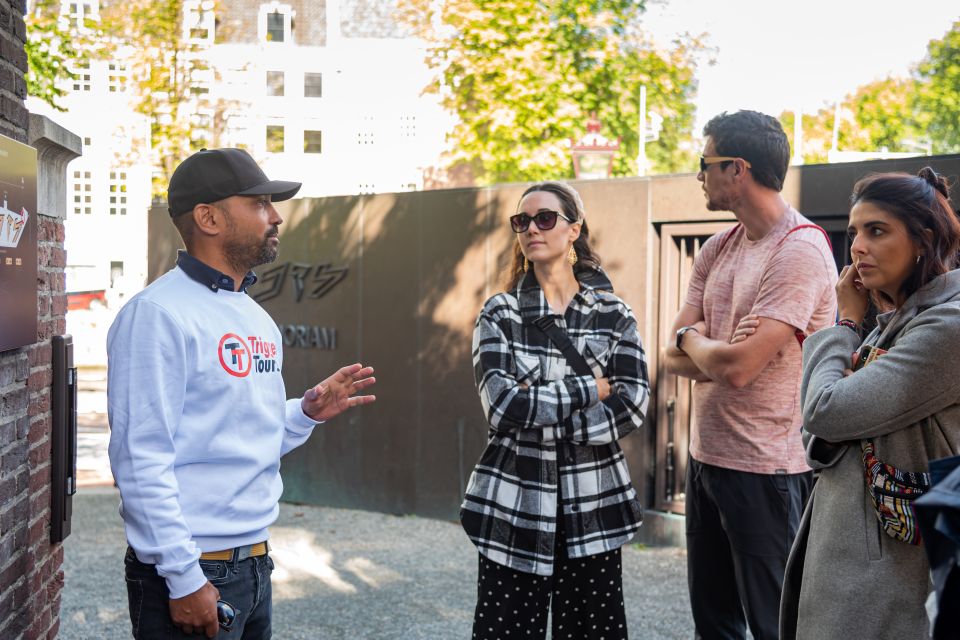
The Jewish Historical Museum stop is brief (about 10 minutes). You’re not getting an extended museum visit here; it’s more of a way to orient you so the neighborhood’s significance is clearer.
This works for two reasons:
- You get a meaningful landmark without burning your limited time on a full indoor exhibit.
- You can carry the context into the next outdoor stops, where the guide ties what you learned back to streets and monuments.
If you already plan to visit the museum later, this stop is even more useful. You’ll know what questions to ask when you’re reading panels inside.
Waterlooplein and Nieuwmarkt/Lastage: Everyday Amsterdam Under Extraordinary Pressure
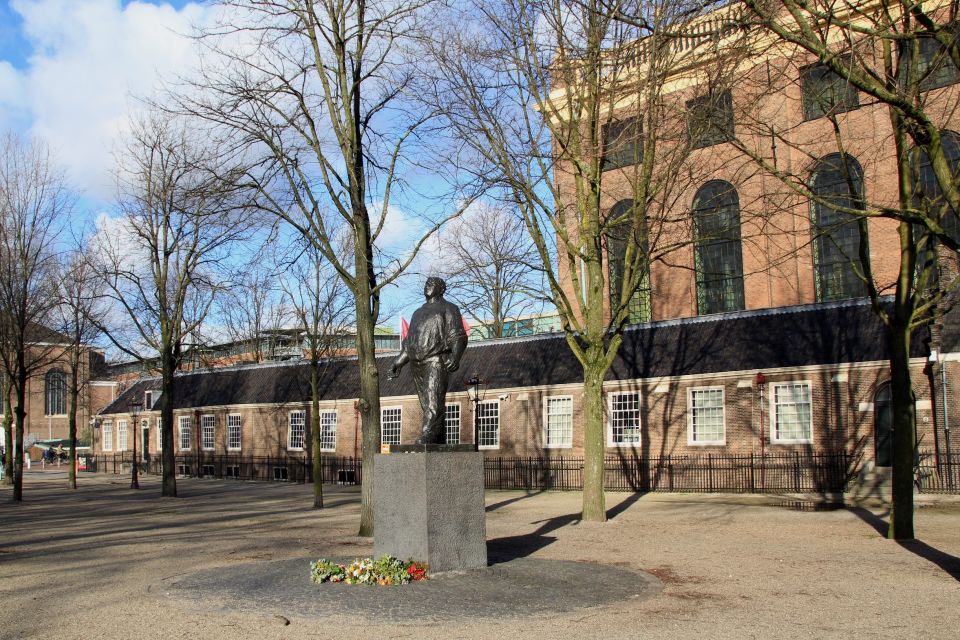
After the Jewish Quarter focus, the route moves through Waterlooplein (around 10 minutes) and then Nieuwmarkt en Lastage (also about 10 minutes). These are smaller blocks of time, but they matter because they connect the story to the wider city.
Amsterdam’s neighborhoods weren’t locked off from everything else. People still moved through streets, markets still operated, and normal routines still existed—until they didn’t. Hearing about WWII here helps you imagine the city as a living place rather than a museum diorama.
One of the best parts of this stage is that it keeps the story grounded. The tour covers the struggles Jewish residents faced, and it highlights that the February strike and the hunger winter were not distant events. They shaped daily life in the same city blocks you’re walking through.
Auschwitz Monument: When the Mood Shifts, and Why That’s Important
The stop at the Auschwitz Monument is short (about 10 minutes), but it’s the kind of moment that changes your brain. Guides often use this area to slow down the story and focus on what the memorial represents.
I like memorial stops on walking tours when they’re handled with care, not as a quick photo and done. This one tends to land because it’s a concrete reminder that what happened to Amsterdam’s Jewish community was part of a wider genocide—and that names and individual lives matter.
If you’re traveling with teens or first-time history learners, this is also where the tour usually feels most honest. It reminds you that you’re not just collecting facts—you’re learning about harm.
Practical tip: give yourself a minute to stand, breathe, and look. If you rush it, you miss the point of the stop.






Anne Frank House Area: The Famous Diary, Explained Through Place
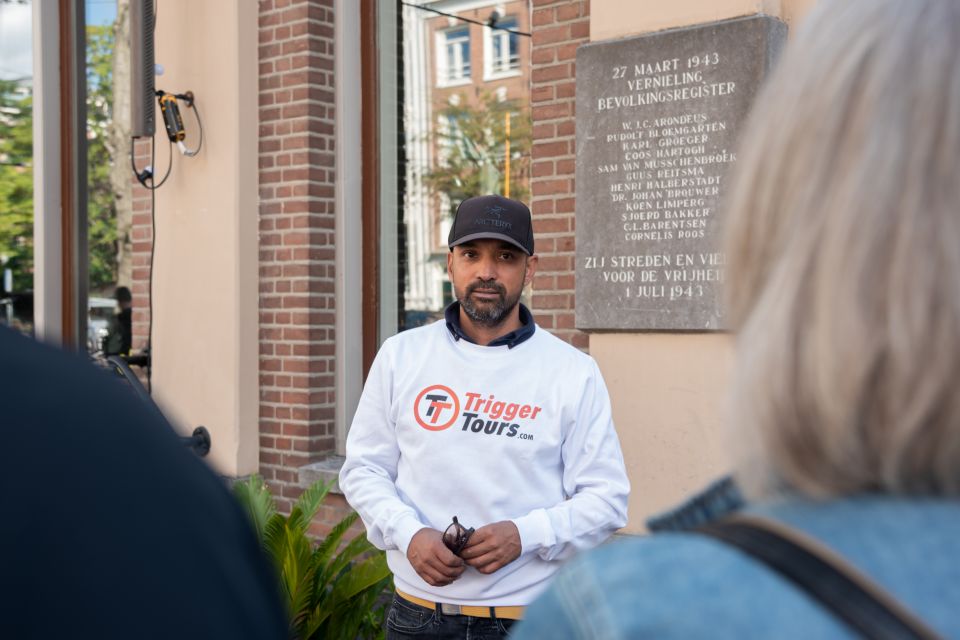
The tour includes Anne Frank House time on the route (about 10 minutes). And here’s the key detail: the tour does not include entrance or tickets for the house. So you’re likely viewing it from the outside and getting guidance that prepares you for your own visit later.
Even without entry, this stop helps. By the time you reach it, you’ve already heard:
- her family’s move from Germany to Amsterdam
- the time spent hiding
- what her father did after the war in publishing the diary
- how the diary became one of the best-known books in the world
That sequence matters. The diary doesn’t just happen in a vacuum; it’s connected to Amsterdam, to hiding strategies, and to what happened after the war when survivors had to decide what to do with memory.
If you plan to book Anne Frank House tickets, this is the part that helps you do it with better focus. You’ll walk in knowing what themes to look for and what questions you’re trying to answer.
Plantage District: Closing the Loop in a Neighborhood With Weight

The route ends with Plantage (about 10 minutes). This is often where the tour makes one last connection: the past is not sealed in a single street. It lives in the same city you’re now walking through for dinner, photos, and canal views.
Plantage also gives you a sense of how Amsterdam’s Jewish presence and the story of WWII weren’t confined to one tiny pocket. It’s still part of how the city is shaped today.
If you’re the type who likes a tour that leaves you feeling oriented rather than overwhelmed, this last stop helps. It turns the story from something you heard into something you can keep recognizing as you explore on your own.
What You Pay for: $21 and the Real Value in the Guide
A tour at $21 can mean “cheap and rushed” or “smart value,” depending on what you get. Here, most of the value is human: a local guide and a clear narrative with targeted stops.
The guide quality seems to be a big differentiator. People give high praise to guides like James, and also to Aaron, Andrea, Guido, Josha, and others. The recurring themes in that praise are:
- strong storytelling that links events across the walk
- empathy in how the topic is handled
- pacing that doesn’t feel like constant sprinting
- lots of room for questions
There’s also a practical angle: you’ll see places you might otherwise skip or misunderstand. The tour includes Holocaust-related monuments and Jewish-history sites, and it explains what you’re looking at—like the meaning of subtle features such as markers on the pavement that can easily go unnoticed on your own.
Pacing, Comfort, and Who This Tour Fits Best
This experience is 2 hours, walking-focused, and it’s built around guided segments at multiple locations. You’ll want comfortable shoes. That’s not a generic tip; it matters because many of the streets in this area are narrow and you’ll keep moving through them.
In terms of audience, I’d say it’s a great choice if you:
- want a structured story without committing to a full museum day
- care about WWII history but want it anchored to real streets
- like asking questions and getting answers from a guide
It may not be ideal if you want a lighter, upbeat Amsterdam walk. The subject matter is heavy, and the tour doesn’t pretend otherwise.
Also note the comfort/fit detail in the provided info: wheelchair accessibility is listed, but it also says the tour is not suitable for wheelchair users. If accessibility matters for you, I’d treat that as a sign to contact the operator before booking and confirm the route and support they can provide.
Should You Book This Amsterdam Anne Frank Walking Tour?
I’d book it if you want the Anne Frank story and Amsterdam’s Jewish WWII context in one efficient, street-level route. It’s also a smart first step before you spend time at the Anne Frank House itself, since the tour explains the family timeline and the diary’s afterlife.
Skip it (or plan differently) if:
- you were hoping for included Anne Frank House tickets
- you don’t want emotional content tied to Holocaust history
- you need more seated time than a walking tour allows
If your goal is value, clarity, and a route that makes Amsterdam’s WWII sites feel real, this one delivers.
FAQ
How long is the Amsterdam: Anne Frank walking tour?
It’s listed as 2 hours long.
Where do I meet the guide?
The meeting point is Waterlooplein, but it notes that the exact meeting point may vary depending on the option booked.
Does the tour include tickets or entry to the Anne Frank House?
No. The tour does not include entrance or tickets to the Anne Frank House.
How much does the tour cost?
It’s listed at $21 per person.
What languages are available for the live guide?
Live guides are listed as English and Spanish.
Is the tour wheelchair accessible?
The info includes wheelchair accessible, but it also states not suitable for wheelchair users. If you need mobility support, you should confirm the route details with the provider before booking.
What should I bring?
The main suggestion is comfortable shoes.