REVIEW · AMSTERDAM
Amsterdam: Guided Cultural Walking Tour
Book on GetYourGuide →Operated by Amsterdamliebe · Bookable on GetYourGuide
Dam Square is your launch pad. This guided walking tour in Amsterdam’s center turns landmarks into connected stories about daily life, art, and conflict over the centuries. You start at the National Monument and work your way through major squares and canals, with a live guide keeping the pace brisk and the explanations clear.
I really like two things about this tour. First, you cover a lot of ground in just 2 hours, with frequent photo stops that break up the walking. Second, you get the human side of Amsterdam, from medieval street life to WWII remembrance, ending back at the National Monument for one final perspective shift.
One thing to consider: it’s still a walking tour, so you’ll want comfortable shoes and be ready to stand for stops at several iconic points. If it’s windy or rainy, bring that umbrella you always forget at home.
In This Review
- Key Highlights You’ll Actually Feel
- Dam Square to Begijnhof: What This Walk Is Built For
- Finding the Start: National Monument at Dam Square
- Royal Palace, Nieuwe Kerk, and the Center’s Power Buildings
- Torensluis Bridge and Multatuli: Small Details With Big Meaning
- Beurs van Berlage and Magna Plaza: Architecture as a Timeline
- Anne Frank Monument and the Homomonument: WWII Through a Local Lens
- Westerkerk and De Negen Straatjes: A Church Stop and a Shopping-Lane Break
- Begijnhof: The Courtyard That Changes the Tempo
- Crossing Back to Dam Square Along the Amstel
- Price and Value: Why $29 Works for This Route
- What to Expect in Real Life: Pace, Stops, and Group Feel
- Who This Tour Is Best For (and Who Might Skip It)
- Should You Book This Amsterdamliebe Cultural Walk?
- FAQ
- Where is the meeting point for the tour?
- How long is the Amsterdam guided cultural walking tour?
- What does it cost?
- What languages are the guides?
- Is the tour wheelchair accessible?
- Do I need to pay admission fees for the stops?
- What should I bring?
Key Highlights You’ll Actually Feel
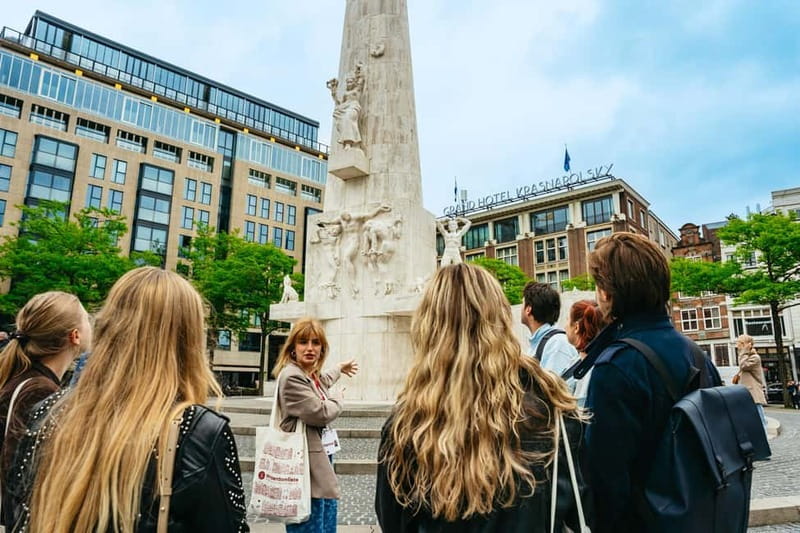
- Dam Square start and end at the National Monument: easy to find, and it gives the tour a clear emotional arc.
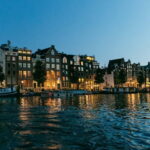
- Amstel River + canal-house stroll: you get the postcard views plus the reason the city looks the way it does.
- Begijnhof and Spui Square crossing: a calm pocket after busier streets, with a strong contrast in atmosphere.
- Torensluis Bridge + Multatuli statue: a stop that ties local geography to older colonial-era references.
- Anne Frank Monument and the Homomonument: remembrance stops that connect Amsterdam’s past to big world events.
- Your guide’s stay tips: you leave with practical ideas for what to do next, including suggestions for areas best explored by bike.
Dam Square to Begijnhof: What This Walk Is Built For
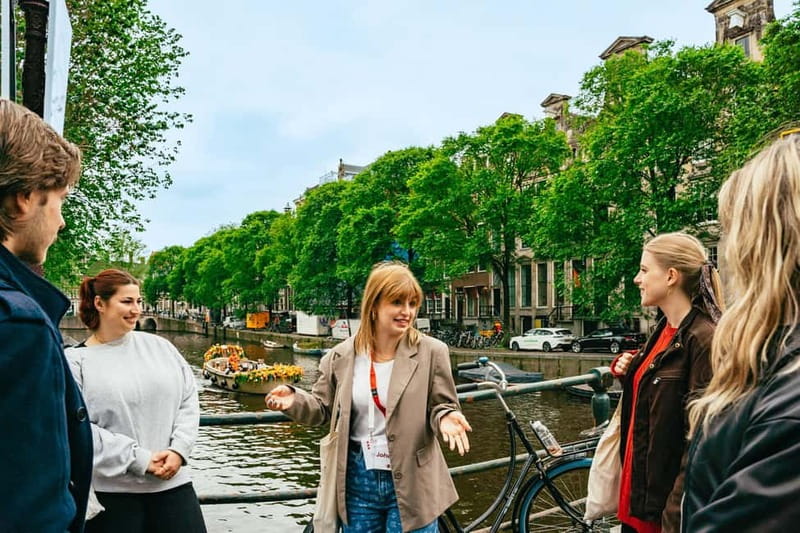
This is the kind of Amsterdam tour that makes you feel like you understand the city fast. Not with endless facts. With a route that connects places to themes: trade and class in older centuries, why art took off, how WWII changed everyday life, and what it feels like to live in a tolerant, multicultural city today.
You’ll also appreciate the structure. It’s not a random wander. You’re moving through the center in a loop, starting and finishing at the same obvious landmark. That alone helps you relax. You won’t spend your first morning (or afternoon) playing map detective.
You can also read our reviews of more walking tours in Amsterdam


Finding the Start: National Monument at Dam Square
Meet on the stairs of the National Monument at Dam Square. The monument is a big white pillar/obelisk, and the guide wears a red name tag. This is the sort of meeting point that works even if you’re jet-lagged or your phone battery decides to retire.
Starting here also shapes the tour. The National Monument is built to remember victims of World War II, and it’s now a memorial to victims who lost their lives in any war worldwide. That means the tour doesn’t just focus on architecture and canal aesthetics. It keeps one eye on human history and collective memory.
Practical note: you’ll want to take in Dam Square early. It’s the visual anchor of central Amsterdam, and once you’ve walked away from it, you’ll notice how the city’s streets funnel you back toward water, bridges, and courtyards.
Royal Palace, Nieuwe Kerk, and the Center’s Power Buildings
From Dam Square you’ll pass a string of major sights on the way to the first set of photo stops. Along this corridor, the guide brings out the contrasts that make Amsterdam feel like a living collage.
You’ll see the Royal Palace of Amsterdam and the New Church (Nieuwe Kerk), plus a few other central landmarks along the route, including the former main post office and the Royal area that helps explain how the city became a hub for commerce and governance. Even if you’ve read about Amsterdam’s trading past, watching these buildings unfold as you walk helps the story land in your body, not just your brain.
A drawback to note: because these are photo stops, you’ll spend a bit of time standing and waiting for the group to stay together. It’s not long, but it’s real. If you’re sensitive to crowds or slow walkers, plan to keep your posture ready and take advantage of the guide’s pacing.
Torensluis Bridge and Multatuli: Small Details With Big Meaning
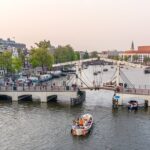
Torensluis Bridge is one of the tour’s idea-meets-geography moments. On this part of the walk, you’re not only looking at bridges and canal angles. You’re hearing why the city’s older world matters to its newer identity.
One very specific highlight here: the Multatuli statue near the bridge and a reference to colonial-era context. You’ll also learn about one of the tiniest houses in the city. That kind of detail sticks. It’s the opposite of abstract history; it’s a physical reminder that the city once had people squeezed into spaces that today would feel impossible.
This is where the tour’s tone works. It doesn’t treat the past like a museum label. It treats it like a reason the city developed its layout, its architecture patterns, and its social divides.
Beurs van Berlage and Magna Plaza: Architecture as a Timeline
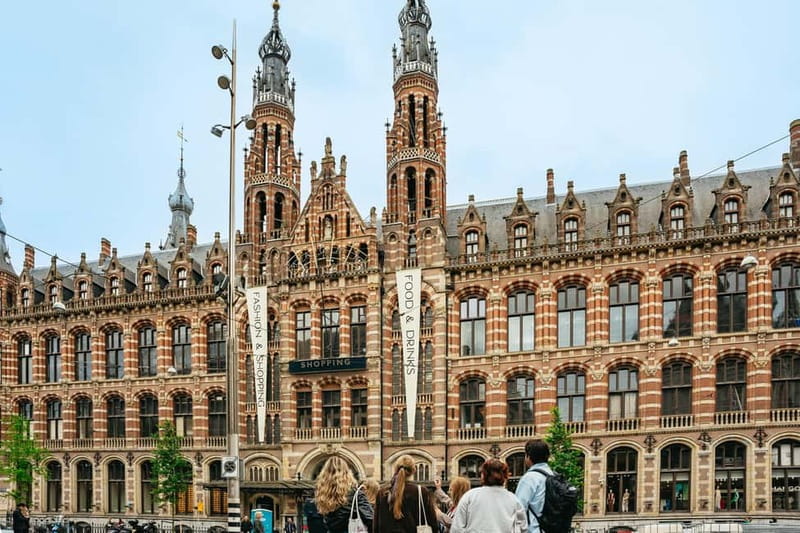
You’ll pass through photo stops at Beurs van Berlage and Magna Plaza. The key value isn’t just the buildings themselves. It’s how your guide uses them as a way to talk about architectural design trends that were popular in the past—and how those preferences echo in what you see today.
In other words: you’re learning to read the city like a timeline. Where older styles feel tied to trade and civic life, newer structures show how Amsterdam keeps using the center while changing what it’s for.
If you’re the kind of traveler who likes learning why a street corner looks the way it does, this section will click. If you’re purely into photos, you’ll still get good looks—but you may wish the guide had more time at each stop.
You can also read our reviews of more guided tours in Amsterdam




Anne Frank Monument and the Homomonument: WWII Through a Local Lens
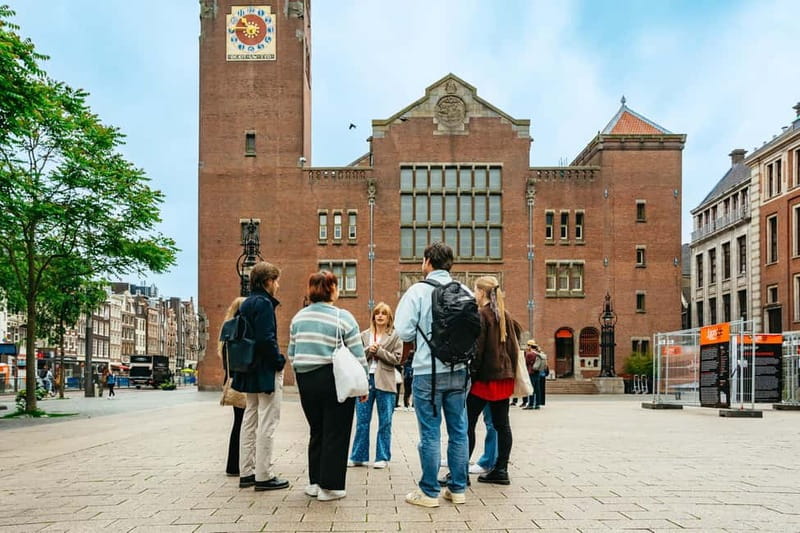
The tour doesn’t avoid heavy topics. It threads WWII remembrance through central Amsterdam so the walk doesn’t feel like a light sightseeing loop.
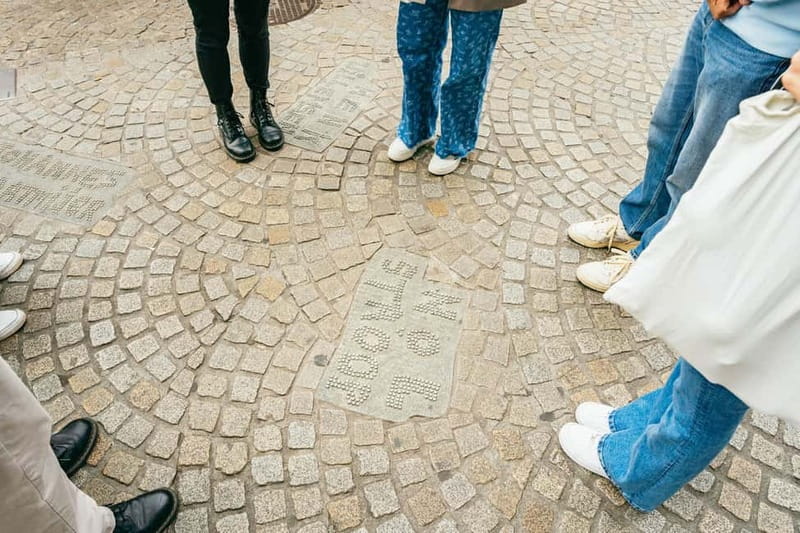
You’ll stop at the Anne Frank Monument, and later you’ll also visit the Homomonument. Both are memorials, and your guide connects them to the bigger story of how World War II changed the people of the city—and how Amsterdam lives with that history while aiming for tolerance today.
This part of the tour matters because it prevents a common mistake: treating Amsterdam as only canals and houses. Yes, the visuals are stunning. But the city’s identity is also shaped by what happened here and what memorials ask you to remember.
Tip for your visit style: slow down your walk a little at these stops. Let the guide talk, but also take a moment to look around. Central Amsterdam is noisy and busy nearby; these memorials give you a pause button.
Westerkerk and De Negen Straatjes: A Church Stop and a Shopping-Lane Break
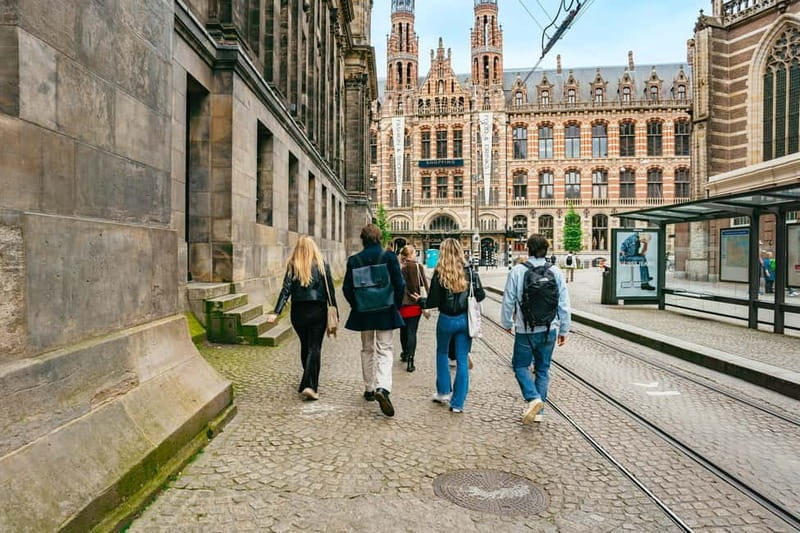
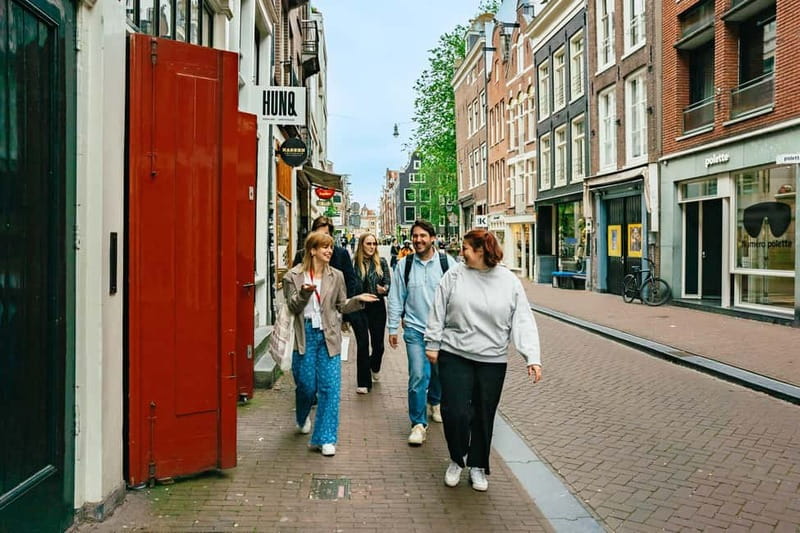
You’ll pass the Westerkerk (another photo stop) and then move toward De Negen Straatjes—Nine Streets—one of the most fun areas to wander after your guide gives you the orientation.
The trick here is understanding what this tour can do for you. It can point you toward neighborhoods and tell you how to get around. It can also tell you what’s worth exploring on foot versus by bike. The guide will share which districts you can discover independently by bike, and that’s the exact kind of advice that makes the next 24 hours easier.
De Negen Straatjes is also a great mental reset. After memorial and big-history moments, you get a more everyday Amsterdam setting. It’s the kind of area where you’ll naturally want to keep walking even after the tour ends.
Begijnhof: The Courtyard That Changes the Tempo
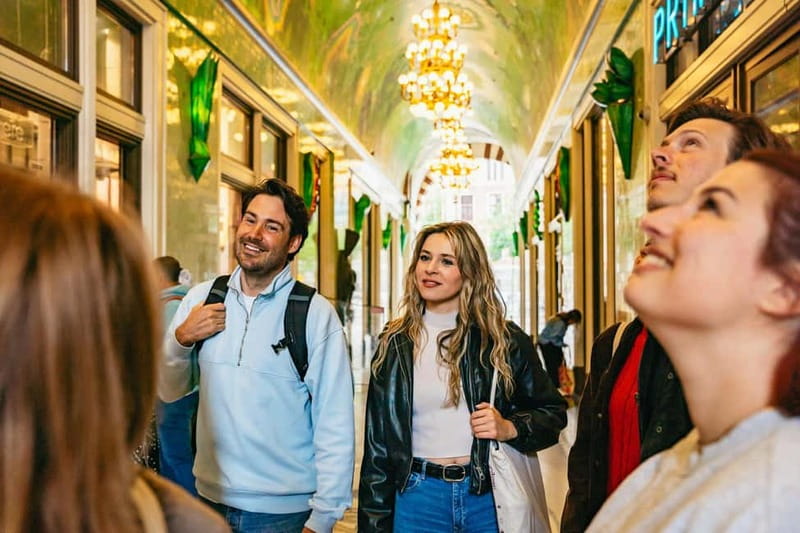
Then comes Begijnhof, described as a pearl of Amsterdam. Whether you call it that or not, you’ll feel the difference as soon as you get there.
You’ll cross Spui Square to reach Begijnhof, and this is one of the best contrasts on the route. The city center can feel open and exposed—then you step into a quieter courtyard atmosphere where the street noise and the sense of time shift.
Begijnhof is also where the guide brings in local way-of-life details and architectural patterns, plus practical food ideas. You’ll hear about which foods you must try and how districts fit together across the city. Even if you don’t eat during the tour (food and drinks aren’t included), the guidance helps you plan your next meal like a local.
One more value point: this stop gives the tour a satisfying finish emotionally. After bridges, squares, and memorials, you end up somewhere calmer that feels distinctly Amsterdam.
Crossing Back to Dam Square Along the Amstel
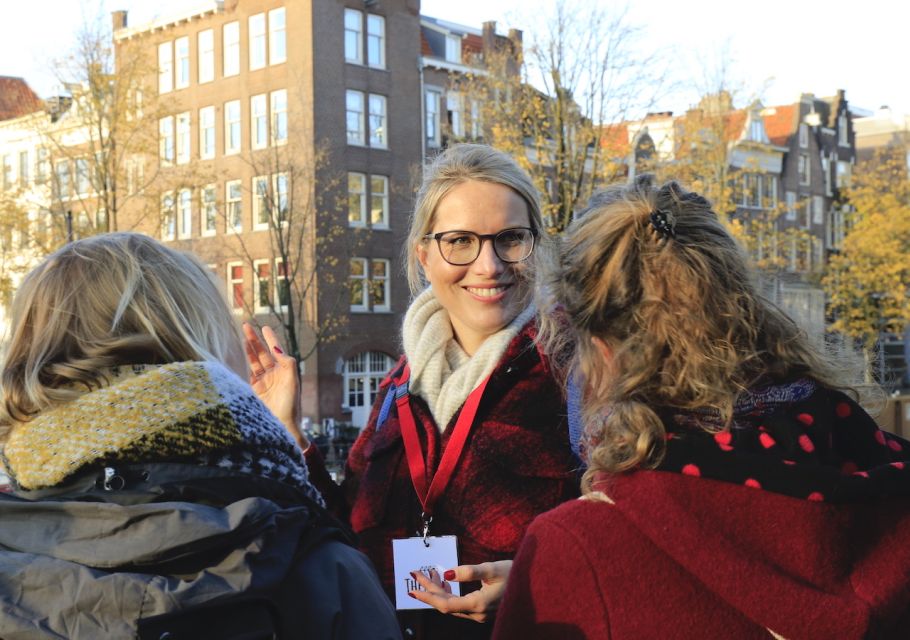
The walk loops back toward Dam Square with a final theme: the Amstel River. The tour includes seeing the river the city owes its name to, which is a smart closing move.
Why it works: Amsterdam’s look—canals, bridges, narrow crossings—isn’t random. It’s shaped by the river system and the city’s development along water. Ending with that visual explanation helps everything you saw earlier feel connected.
When you reach the National Monument again, you’re not just returning to where you started. You’re finishing with a fuller context. First you got the landmarks. Now you also got the meaning layer that makes the landmarks matter.
Price and Value: Why $29 Works for This Route
At about $29 per person for a 2-hour guided walk, the cost is reasonable for three big reasons.
First, it’s not trying to squeeze you through a museum. Most of the time you’re outside seeing major city-center points, with a guide doing the interpretive work. That makes the price feel less like a ticket and more like paid time with a storyteller.
Second, the sights you stop at don’t require admission during the tour. That’s a real value factor. You’re not forced into surprise ticket lines for each stop, and you can spend your money on actual food, coffee, and future detours.
Third, you’re paying for orientation. This tour isn’t just entertainment. It’s the fastest way to learn which areas make sense for biking, where your next walk should go, and what themes you should keep an eye out for when you’re on your own.
If you’re thinking about booking something else on your first day, this tends to win because it reduces decision fatigue. After this, you’ll know where you are and what you want next.
What to Expect in Real Life: Pace, Stops, and Group Feel
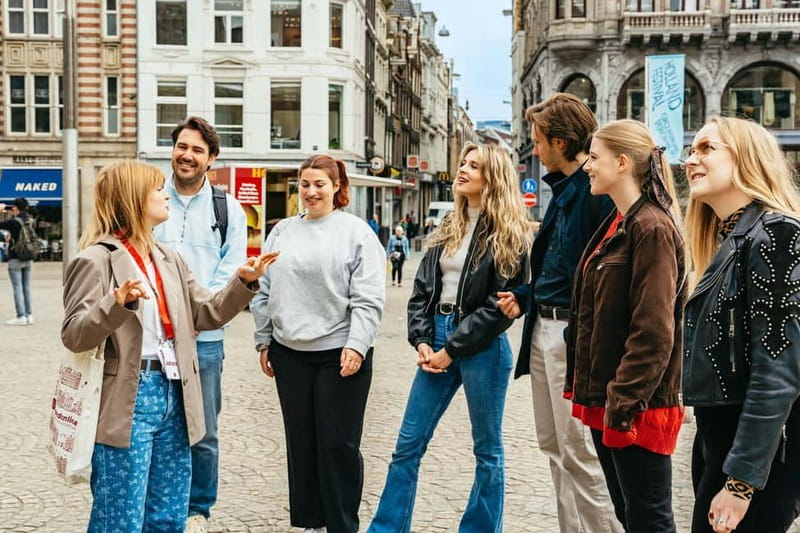
This is built as a two-hour walking experience with photo stops mixed in. That matters. The breaks keep fatigue down, and the stops prevent the tour from turning into one long sprint.
The tour is offered with a live guide in English and German, and it’s wheelchair accessible. It’s also suitable for children, which usually means the guide uses clear explanations and keeps things moving.
Weather matters. Bring an umbrella and water. Amsterdam rain can be dramatic, but it’s usually brief enough that you can keep going with the right gear.
One more practical point: the guide wears a red name tag, but multiple guides use similar branding around major landmarks. Arrive a couple minutes early and look for the red-tagged guide standing near the stairs.
Who This Tour Is Best For (and Who Might Skip It)
You’ll like this tour if you:
- want a clear route through central Amsterdam without map stress
- like history that connects to what you see, not just dates in a book
- care about both the pretty parts (canals, Begijnhof) and the harder parts (WWII remembrance)
You might skip it if you:
- want a deeply detailed museum-style explanation at one site for a long time
- hate standing for photo stops
- prefer purely independent exploring with zero structure
For many people, this is the best first guided activity in Amsterdam. It gives you context for the rest of your trip, especially when you’re deciding between neighborhood walks and bike routes.
Should You Book This Amsterdamliebe Cultural Walk?
If you want a practical first orientation plus meaningful stops, I’d book it. The route is efficient, the guide provides live explanations in English or German, and the tour hits key areas like Dam Square, Torensluis Bridge, Begijnhof, and the Amstel with a theme that holds together.
It’s also good value at $29 because admission isn’t required for the sights on the route, and you’ll leave with better instincts for where to spend your own time next—especially around biking routes and where to chase Dutch food ideas.
Just be honest about your walking tolerance. Wear comfy shoes, carry water, and don’t plan heavy extras right before or right after.
FAQ
Where is the meeting point for the tour?
Meet on the stairs of the National Monument at Dam Square. The monument is a big white pillar/obelisk, and the guide will be wearing a red name tag.
How long is the Amsterdam guided cultural walking tour?
The tour lasts about 2 hours. Starting times vary, so check availability for the schedule.
What does it cost?
The price is $29 per person.
What languages are the guides?
The live tour guide offers English and German.
Is the tour wheelchair accessible?
Yes, the tour is wheelchair accessible.
Do I need to pay admission fees for the stops?
No. You will not have to pay admission fees during the tour, and all sights can be visited for free.
What should I bring?
Bring comfortable shoes, an umbrella, and water.