REVIEW · AMSTERDAM
Amsterdam bike tour with a French-speaking guide local!
Book on GetYourGuide →Operated by Amsterdam Velo - Tours en Francais · Bookable on GetYourGuide
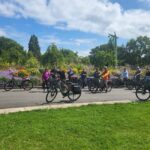
Amsterdam is built for bikes, not buses. This French-led loop gives you a fast, real-local feel for the city’s history, canals, and daily life. I especially like the small group limit (max 12) and the fact that bikes are Batavus with reliable hand brakes.
You’ll start close to Centraal Station, roll through the Museum Quarter and the canal belt, and also get into areas you’re less likely to wander on your own. One possible drawback: you’ll be on a bike the whole time, so if you’re expecting electric bikes or lots of long stops to rest, this tour format may feel a bit intense.
In This Review
- Key highlights worth aiming for
- Why this French bike tour works so well on your first day
- Price and value: what $40 actually buys you
- The bike setup: Batavus, hand brakes, and why that matters
- Meeting at IJDOK 47: a good starting point near Centraal
- Your 2.5 hours, stop by stop: what you’ll see and why it’s worth it
- Stop 1: IJdok 47 (starting point)
- Stop 2: Museumkwartier (Museum Quarter)
- Stop 3: Dam Square
- Stop 4: Westerkerk
- Stop 5: De Negen Straatjes (Nine Streets)
- Stop 6: Haarlemmerbuurt
- Stop 7: Anne Frank House area
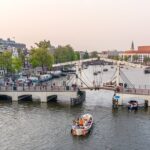
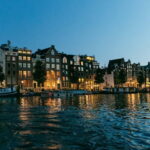
- Stop 8: Grachtengordel (Canal Belt)
- Stop 9: The Jordaan
- Stop 10: Back to IJdok 47
- Beyond the route: what makes the guiding style matter
- Westerdok, the Jordan, and the “neighborhood” advantage
- After the tour: how to use your new Amsterdam “muscle memory”
- Who this tour fits best (and who may want a different option)
- Should you book Amsterdam Velo’s French bike tour?
- FAQ
- What language is the Amsterdam bike tour in?
- How long is the bike tour?
- Where do we meet, and where does the tour end?
- How big is the group?
- Are the bikes included, and what kind of brakes do they have?
- Is this tour suitable for kids?
Key highlights worth aiming for
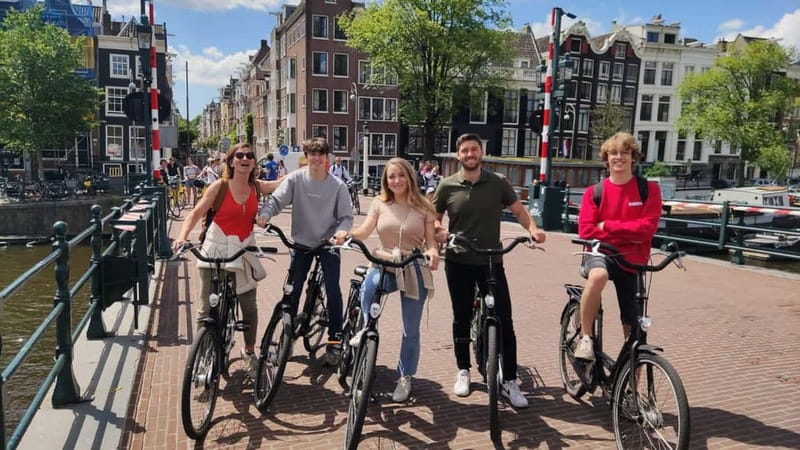
- French-speaking local guide who connects what you see to everyday life and Amsterdam history
- Max 12 people per guide, which keeps the pace calm and the streets manageable
- Batavus bikes with hand brakes, plus luggage racks (handy in a city of bags)
- A smart canal-and-neighborhood route across the Jordan, Grachtengordel, Westerdok, and more
- Family-friendly setup with bikes from age 8 and baby seats available
Why this French bike tour works so well on your first day
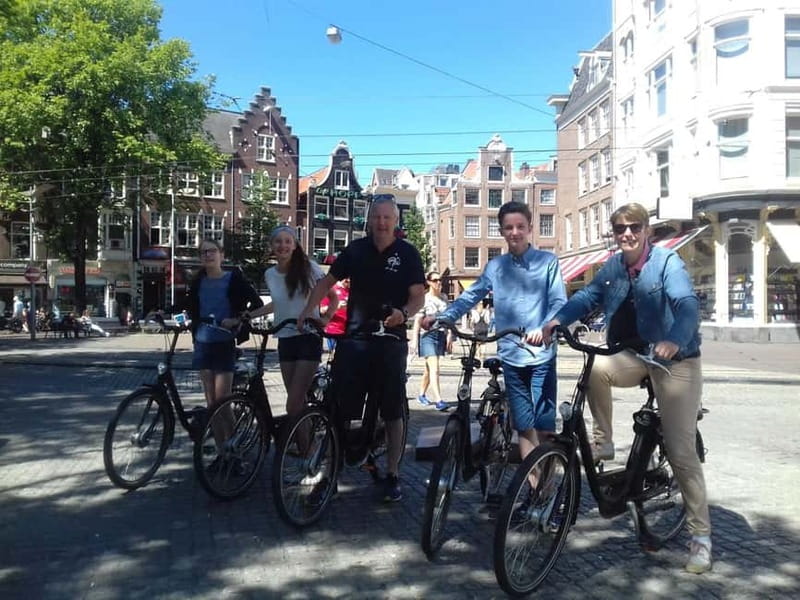
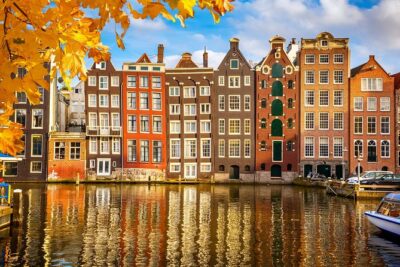
Amsterdam can feel like two cities at once. There’s the postcard view of canals and classic gables, and then there’s the working city—schools, courtyards, weekend crowds, and streets that don’t care that you’re visiting.
This tour is built to get you oriented quickly. In about 2.5 hours, you cover a mix of what most people want to see and what they usually miss. You’ll move through the Museum district, the canal belt (Grachtengordel), and the Jordaan, then swing into neighborhoods where the vibe is more residential and lived-in.
I also like that the guide keeps it practical. One guide (Marcel) is specifically noted for explaining the bike rules up front, so you’re not guessing when the traffic flow gets “Amsterdam fast.” That kind of start matters here because you’re sharing the road with locals who bike as a normal daily habit.
You can also read our reviews of more cycling tours in Amsterdam

Price and value: what $40 actually buys you
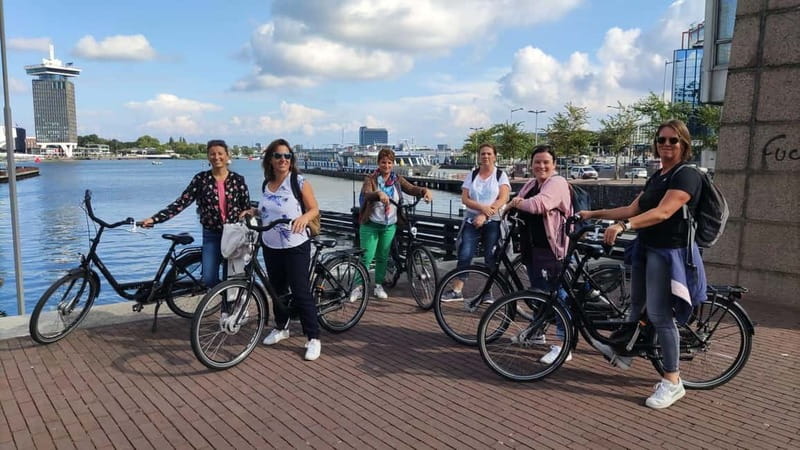
At $40 per person for a 2.5-hour ride, this isn’t a “pay for the view” deal. You’re paying for the city knowledge and the logistics that save you time.
Here’s what’s included in the price:
- Bike rental (Batavus brand, multiple sizes)
- Bike with hand brakes (not foot brakes)
- Luggage racks so you can bring a water bottle and bag without balancing everything on your lap
- Helmets if necessary
- A list of recommendations after the tour (restaurants, brown cafes, and other places)
- The option to leave your luggage with you before or after cycling
That last part is underrated. Amsterdam is compact, but it can still be annoying to carry a bag around while you’re trying to learn the city. If you’re arriving with suitcases, the chance to drop them at the start makes the tour feel easier and less stressful.
There’s also a bonus cost-saving angle if you keep biking after: there’s a 10% reduction on bicycle rental if you rent again after the guided tour.
The bike setup: Batavus, hand brakes, and why that matters
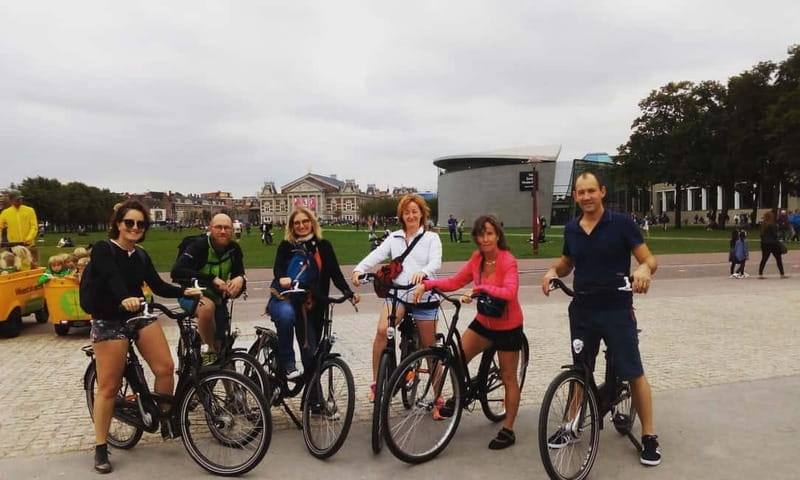
Amsterdam bike tours often gloss over the bike details. This one doesn’t. And that’s good, because small bike differences can make a big comfort difference over two hours.
What you should know:
- Bikes are Batavus and available in all sizes
- The bikes have hand brakes under the handlebars, not foot brakes
- There’s gear for families: bikes from age 8 and up
- Baby seats are available if you’re traveling with smaller kids
- Ponchos aren’t included, and water isn’t listed as included, so plan like it’s a normal day out
I like that they mention the bike style clearly before you show up. If you’re used to foot brakes, hand brakes are a quick adjustment, but it’s still worth being aware.
And because the group is capped at 12 people per guide, you’re less likely to feel like you’re getting swept along in a big, noisy pack. That makes the ride calmer and easier to follow, especially on streets where you need to stay alert.
Meeting at IJDOK 47: a good starting point near Centraal
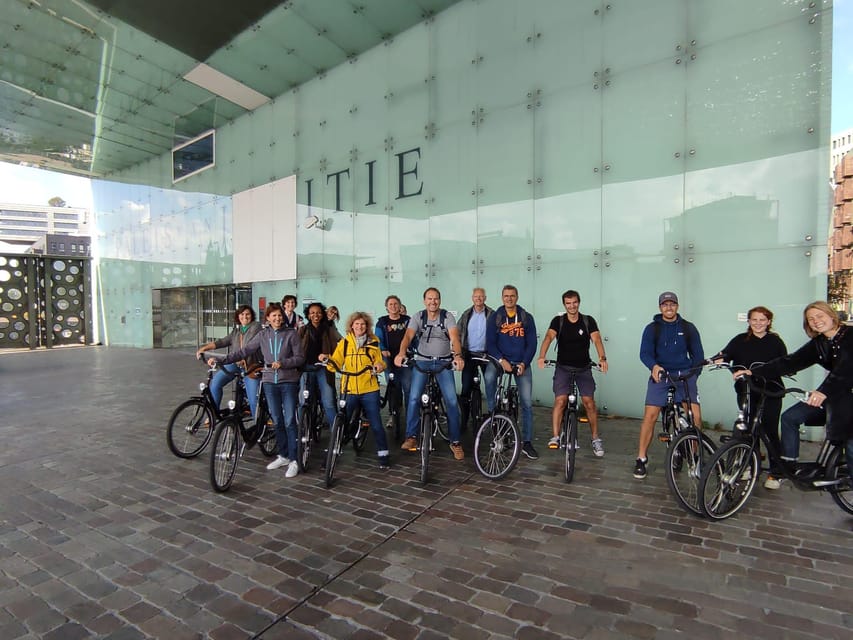
The meeting spot is IJdok 47, near Central Station (Centraal Station). If you’re staying anywhere central, this is a smart location because you can connect it easily to arrival day plans.
Two departures happen each day:
- 10:30 a.m.
- 1:30 p.m.
The tour length is 2.5 hours, so it’s long enough to build a mental map, but not so long that it eats your whole day.
Also keep in mind: the tour starts and ends back at IJdok 47. That helps if you’re trying to go straight to your hotel afterward or if you want to drop bags and keep exploring.
Your 2.5 hours, stop by stop: what you’ll see and why it’s worth it
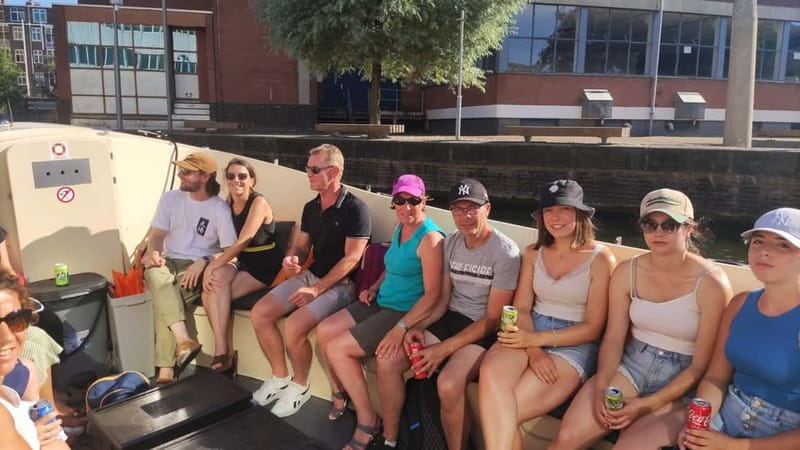
This route is designed to mix “Amsterdam highlights” with neighborhoods that feel more like real city life. You’re not just circling famous locations—you’re learning how the city connects.
You can also read our reviews of more guided tours in Amsterdam





Stop 1: IJdok 47 (starting point)
You begin at IJdok 47. This is where you get set up and get the bike rules in place. In one example guide experience, Marcel is praised for clearly explaining how bike riding works in Amsterdam and making sure everything goes smoothly. That early pacing matters because the rest of the tour is about flow—less stopping, more moving with context.
What to watch for: listen carefully here. Bike tours run best when everyone understands how the group handles intersections and when the guide cues the next move.
Stop 2: Museumkwartier (Museum Quarter)
The Museum Quarter is where you’ll feel the “big cultural Amsterdam” side. It’s a transition point: you go from major landmarks energy into the quieter streets that lead you toward the historic core.
Why it’s useful: you often see museums from afar, but riding through the area helps you understand the geography. You start to see how the city’s layout shifts from grand, open space into tight canal neighborhoods.
Possible drawback: if you’re expecting a heavy focus on museum buildings themselves, this is more about city orientation than museum detail.
Stop 3: Dam Square
Dam Square is the central stage of Amsterdam—busy, iconic, and hard to ignore. Riding through it gives you context for how the city’s oldest core intersects with modern crowds.
Why it’s useful: you’ll learn the background for what you’re seeing, instead of treating it like just another photo stop.
What to consider: Dam Square can feel crowded. On a bike tour, that can be noisy and visually intense, so it helps to stay focused on the guide and the road.
Stop 4: Westerkerk
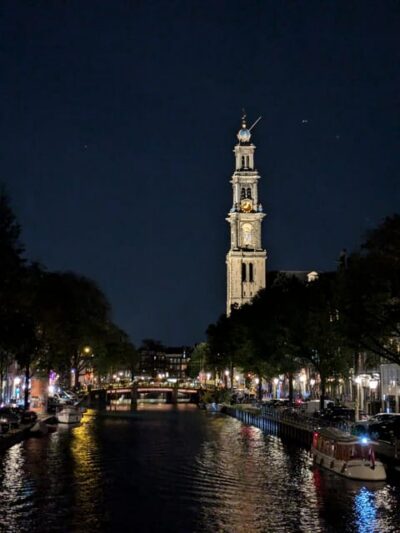
At Westerkerk, you get a strong sense of landmark presence and neighborhood structure. This is where architecture and skyline cues become part of how you navigate the city later.
Why it’s useful: after this stop, the canals start to feel less like random waterways and more like an organized system that shapes Amsterdam life.
Possible drawback: if you’re hoping for long, detailed stops to get off and explore slowly, the bike format means you’ll mostly get guided context rather than deep wandering.
Stop 5: De Negen Straatjes (Nine Streets)
This area—De Negen Straatjes—feels compact and street-focused. It’s known for its shopping streets and small-scale lanes, and biking through helps you understand how narrow passages connect.
Why it’s useful: you’ll be able to return later with better instincts. Instead of walking in circles, you’ll know which lanes connect and where the flow goes.
What to consider: if you’re not a shopper, you might still enjoy this stop for the street layout and “human scale” feel. But it’s not positioned as a museum stop.
Stop 6: Haarlemmerbuurt
Haarlemmerbuurt adds a more everyday Amsterdam layer. This is where the tour shifts from major landmark vibe toward more local neighborhood rhythm.
Why it’s useful: it keeps the tour from feeling like a highlights reel. You start noticing how the city functions when you’re not staring at the most famous angles.
Possible drawback: if your must-see list is only ultra-famous spots, you may want to do an extra self-guided walk afterward.
Stop 7: Anne Frank House area
The tour includes the Anne Frank House area. That means you’ll get history and cultural context around one of the most important personal stories linked to Amsterdam.
Why it’s useful: a bike tour can help you understand where the story sits in the city. You’re not just thinking about a building—you’re thinking about neighborhoods, time, and daily life.
What to consider: the bike format is not the same as a museum visit. If you want deeper detail, you’ll likely still want a separate stop with more time later.
Stop 8: Grachtengordel (Canal Belt)
This is the big architecture learning zone. Grachtengordel is where the canals stop being just pretty and start becoming a “how the city was built” lesson.
What you’ll gain: the guide’s explanation helps you spot canal patterns and architectural clues that you’d probably miss on your own.
Why it’s worth it: once you understand the logic of the canal belt, your photos improve and your walking routes make more sense. You’re less likely to feel lost later.
Stop 9: The Jordaan
You finish with the Jordaan, one of Amsterdam’s most appealing neighborhood moods. It’s the kind of area where you want to slow down after the ride—cafes, small streets, and a general feeling of “I’d happily spend a day here.”
Why it’s useful: ending here is a smart move because it naturally turns into a self-guided stroll.
What to consider: you may want to keep pedaling after the tour, especially if the route has you in a good mood. The guide’s recommendations after the ride become extra useful here.
Stop 10: Back to IJdok 47
You roll back to IJdok 47. That makes the tour easy to plug into your day plan.
Beyond the route: what makes the guiding style matter
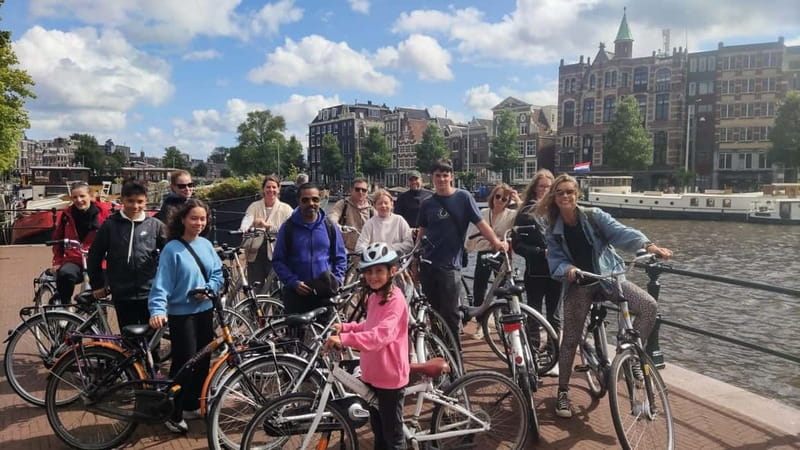
There are two ways bike tours go. Some guides focus on talking while you rush from one landmark to the next. Others guide you like you’re learning how the city works.
This experience leans toward the second approach. The tour is described as a practical overview of Amsterdam, with the guide discussing:
- Amsterdam history
- cultural differences
- daily life
- canal and architectural secrets you likely wouldn’t notice without guidance
And because groups are capped at 12, the pacing stays manageable. That’s a big deal if you’re traveling with kids, if you’re not a confident cyclist, or if you simply want the ride to feel relaxed instead of frantic.
Westerdok, the Jordan, and the “neighborhood” advantage
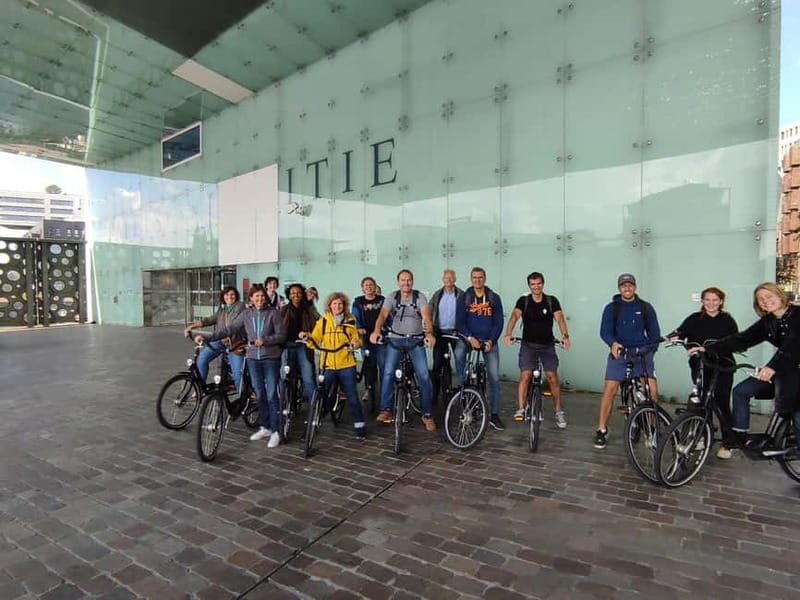
The route specifically includes places where you might not go on your own, including:
- Westerdok district
- the Jordan
- the main canals
- the old Jewish quarter of Amsterdam
- plus Museum district and Vondelpark
That mix matters because it changes your Amsterdam from a list of famous spots to a map of neighborhoods.
When you can see multiple “types” of Amsterdam in one outing—grand, residential, canal-side, and more local street culture—you can make better choices later. You’ll know where to go back for a long walk and where to keep it brief.
After the tour: how to use your new Amsterdam “muscle memory”
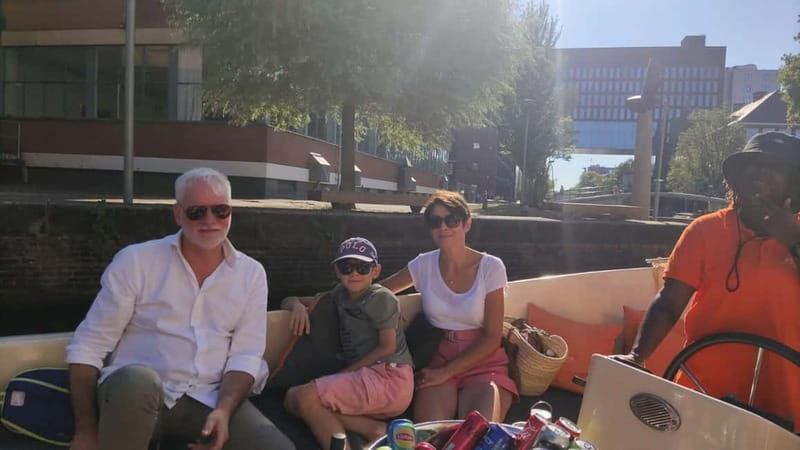
When you’re done, you’re not left with just a certificate and a vague sense of having seen things. The tour includes a list of recommendations for:
- Dutch restaurants
- brown cafes
- bars
- neighborhoods to visit on foot
- maps with good deals
That’s practical. In Amsterdam, the best plan is often not another bus tour—it’s choosing the right side street and then wandering with purpose.
If you want to keep the French connection going, there’s also mention of a guided boat tour in French with aperitif, and a discount possibility for another French-guided option by boat or even visiting windmills.
Who this tour fits best (and who may want a different option)
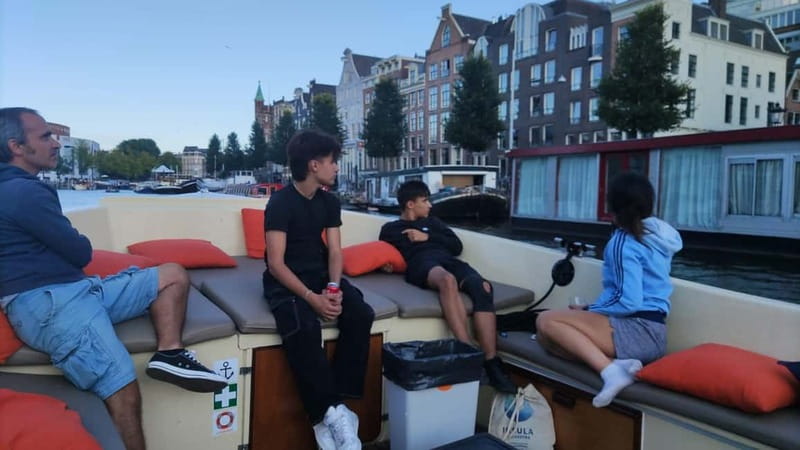
This bike tour is a strong match if you:
- want a first-day orientation
- prefer a small group to keep the streets comfortable
- want French guidance tied to daily life, not just facts
- can ride a bike comfortably for about 2.5 hours
- are traveling as a family with kids 8+ (baby seats available)
It may be less ideal if you’re:
- looking for an electric bike (these aren’t listed as included)
- hoping for a slow, stop-everywhere sightseeing style
- expecting foot-brake bikes (the bikes use hand brakes)
One more small consideration: ponchos and water aren’t listed as included, so pack like weather might change and you’ll want a drink.
Should you book Amsterdam Velo’s French bike tour?
I’d book it if you want the efficient “get your bearings fast” version of Amsterdam, with French-speaking local context and a small-group ride that doesn’t feel like a cattle call.
It’s also a good pick if you’re the kind of traveler who likes learning the logic of a place—how canals shape the city, why neighborhoods feel the way they do, and where to return for food and strolling afterward. And the fact that the tour covers both classic areas and neighborhood texture makes it a solid use of your time, especially if you only have a day or two.
If you’re comfortable biking and you want a guided overview that sets up the rest of your trip, this is a smart early booking.
FAQ
What language is the Amsterdam bike tour in?
The live tour guide speaks French.
How long is the bike tour?
The tour lasts about 2.5 hours.
Where do we meet, and where does the tour end?
You meet at IJdok 47 near Central Station (Centraal Station Amsterdam), and the tour returns to the same meeting point.
How big is the group?
Groups are limited to a maximum of 12 people per guide.
Are the bikes included, and what kind of brakes do they have?
Bike rental is included. The bikes are Batavus bikes with hand brakes under the handlebars (not foot brakes). Helmets are included if necessary.
Is this tour suitable for kids?
Bikes are available from age 8 and baby seats are available for smaller children if needed.