REVIEW · AMSTERDAM
Amsterdam city center run tour
Book on Viator →Operated by Tourist Run Amsterdam · Bookable on Viator
A run beats a map in Amsterdam. This easy-paced city-center route uses the canals and landmark streets to give you quick orientation while you move. You’ll follow a morning rhythm past famous spots like the Red Light District and the Amstel River, with guide stories to keep it interesting.
I particularly love the hotel pickup right from your own address, which makes the start feel effortless. And I like that the pace is set for an easy jog, so you can enjoy the sights without feeling rushed or stuck in a long tour line.
One thing to weigh: this is a running tour with a moderate fitness level, so if you want a purely leisurely walk, you may find the jogging moments less comfortable. Also, bottled water isn’t included, so bring a bottle if you get thirsty early.
In This Review
- Key things you’ll notice right away
- How an 8:30 a.m. run gives you Amsterdam bearings fast
- Value check: what $37.01 buys you (and why it makes sense)
- What easy pace really means for your body
- Stop 1: Rijksmuseum area and the Museumplein feel
- Stop 2: Magere Brug and the Amsterdam postcard effect
- Stop 3: The Red Light District—seen from the street, with respect
- Stop 4: Anne Frank House area—meaning over sightseeing
- Stop 5: The Jordaan—small streets, livable vibe
- Stop 6: Leidseplein (Leiden Square) and the city’s energy hubs
- Stop 7: Dam Square—Amsterdam’s big central stop
- Stop 8: H’ART Museum—art that feels like part of the streets
- Stop 9: Gay Monument—community memory in public space
- Running guide tips that make or break the morning
- Who this tour fits best (and who should skip the running part)
- Should you book this Amsterdam city-center run?
- FAQ
- What time does the Amsterdam city center run tour start?
- Is hotel pickup included?
- How long is the tour?
- What languages is the tour offered in?
- How large is the group?
- Do I need to be fit to join?
- Which major sights are included?
- Is bottled water provided?
- Can I cancel for free?
Key things you’ll notice right away
- Small group (max 10 people): you get more personal attention and fewer crowds around your guide.
- Hotel/Airbnb pickup included: you start exactly where you’re staying.
- Easy pace with stops: movement plus stories instead of one long nonstop slog.
- Big-city landmarks on foot: Rijksmuseum area, Magere Brug, Jordaan, Leidseplein, Dam Square.
- Photo-friendly guide mindset: great framing and quick “look here” moments (including named guide examples like Paul and Katya).
How an 8:30 a.m. run gives you Amsterdam bearings fast
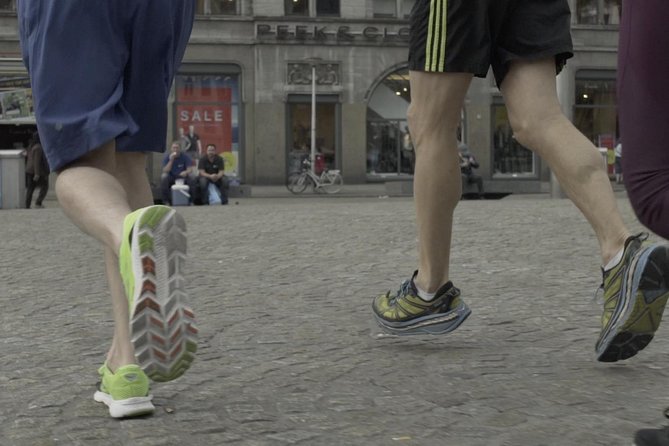
Amsterdam can feel like a puzzle on Day 1. Street names look similar, canals braid together, and the tourist crowds show up on their own schedule. This tour’s timing helps you get a leg-up early: it starts at 8:30 am, when many streets are calmer and you can absorb the layout before the day heats up.
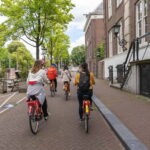
The format matters too. You’re not just looking at highlights from the curb. You’re moving at an easy pace through the ancient city heart, so the route feels physical and memorable. You’ll naturally learn which areas connect, where the river pulls things together, and how neighborhoods shift in character within a short distance.
And yes, you’ll burn calories. But it’s more than “exercise tourism.” The point is that your legs carry you from one viewpoint to the next, while your guide keeps the story going—culture, food, architecture, and the small details that make Amsterdam feel like a place, not a checklist.
You can also read our reviews of more city tours in Amsterdam

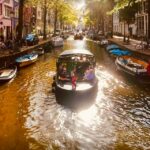
Value check: what $37.01 buys you (and why it makes sense)
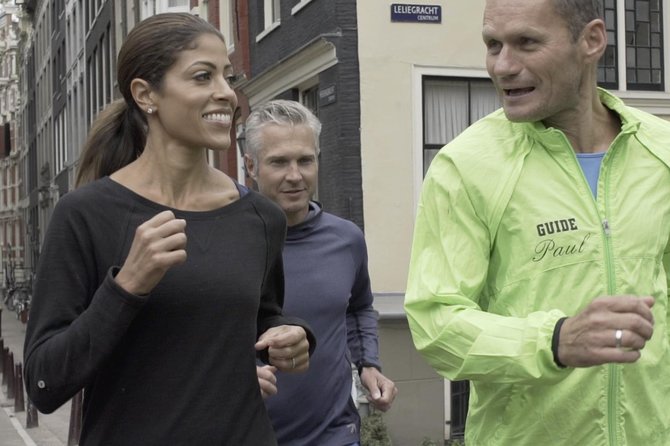
At about $37.01 per person for roughly 1 hour 10 minutes, the price isn’t about a long museum visit. It’s about guided walking/jogging time in central Amsterdam, plus a convenience upgrade: pickup from your accommodation.
That pickup is a big value piece. Getting started without navigating to a meeting point saves time and stress, especially on the first morning when you’re still learning your bearings. It also means you spend more of your money on the experience itself rather than logistics.
A small group size (maximum 10 people) is another value driver. In a packed city, that helps the guide manage pacing and keep you from constantly losing the group.
One practical note: bottled water isn’t included. If you tend to get dry in the morning, bring your own bottle so you don’t have to hunt for it mid-run.
What easy pace really means for your body
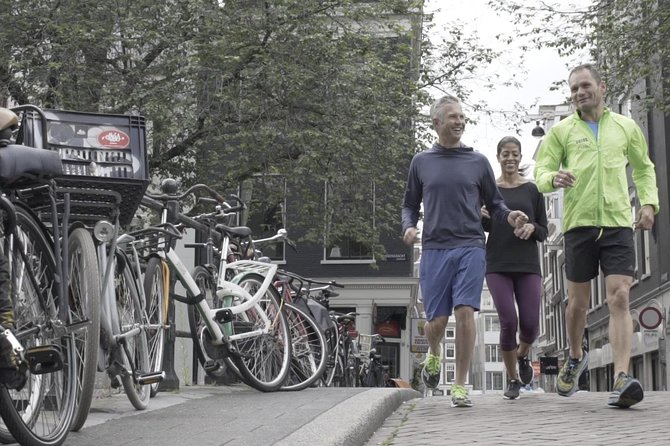
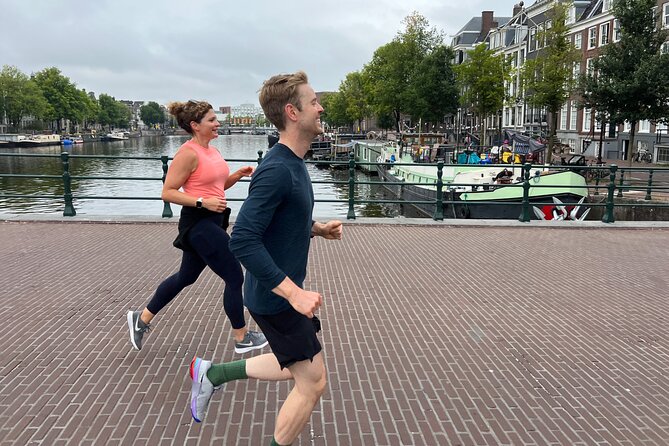
This tour is built for easy pacing, described as a run through Amsterdam’s city center streets. “Easy” doesn’t mean sit-and-stroll. You’ll be moving steadily, and there are active moments where you’ll want to jog or at least keep a comfortable run/walk rhythm.
The good news is the structure includes stops, and the guide uses those pauses for context and photo moments. The result is a steady flow: effort, then a story; jog, then a viewpoint; move again, then a few minutes to reset.
Before you book, be honest about your moderate fitness level. If you can comfortably keep a light pace for over an hour, you’ll likely enjoy it. If you’re injured or recovering, you might decide a slower tour would fit better.
Stop 1: Rijksmuseum area and the Museumplein feel
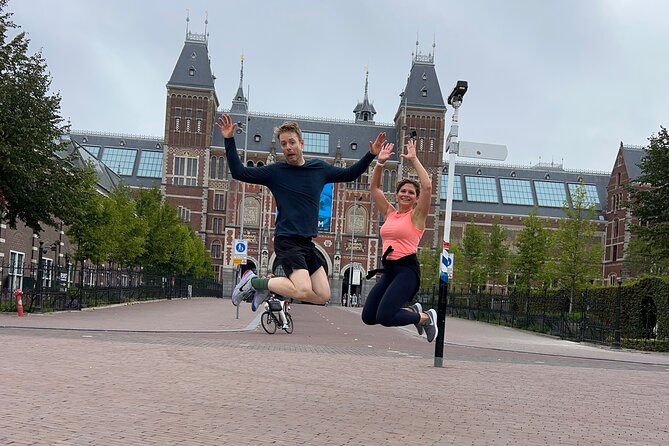
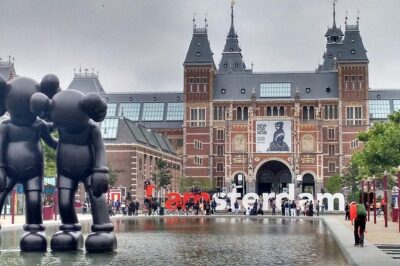
Your route begins with the Rijksmuseum stop, which puts you in one of Amsterdam’s most recognized cultural zones. Even if you don’t go inside, you’ll feel the scale of the area: broad space, grand architecture nearby, and a sense that this part of town is designed for big-sight impact.
Why this works early: it sets a visual anchor. After the first few minutes, you can start mapping Amsterdam in your head—how the streets and canals feed into big public spaces.
Possible drawback: this area can still be busy, depending on the morning. The benefit is you’re there early enough that it’s easier to see calmly and get your first photos without fighting the crowd.
Stop 2: Magere Brug and the Amsterdam postcard effect
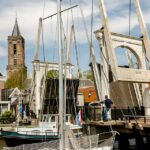
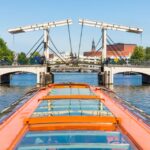
Next comes Magere Brug, one of those bridges people recognize even if they’ve never studied Amsterdam. It’s a classic canal moment—thin lines, strong reflections, and that feeling of walking through a scene you’ve seen in photos.
This stop is valuable because your guide can explain what you’re looking at from a cultural and city-shape angle. Bridges in Amsterdam are not just routes. They’re part of how the city “holds” its waterways and neighborhoods together.
Practical tip: wear shoes with good grip. Canal-side ground can be slick or uneven, and you’ll be moving close to the water’s edge.


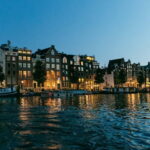
Stop 3: The Red Light District—seen from the street, with respect
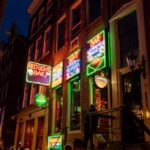
You’ll pass through the famous Red Light District. It’s one of the most recognizable areas in the city, and seeing it as part of a moving route helps you avoid getting stuck at one spot staring while the world swirls around you.
The tour approach matters here. You’re not meant to treat it like a theme park. Your guide stories and context help you understand the area as part of Amsterdam’s urban fabric, not just a sensational postcard.
A consideration: if you’re uncomfortable with adult-oriented venues, plan your mindset before you reach this area. The tour is designed to keep it informative, but it is still an active neighborhood with adult business.
Stop 4: Anne Frank House area—meaning over sightseeing
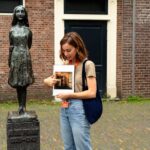
The Anne Frank House stop is included as part of the route, and this is where the tour’s story-led style becomes especially important. You’ll get a perspective that helps you connect the site to the city’s wartime context and the human scale of Amsterdam’s history.
A key point for your expectations: this isn’t presented as a ticketed museum visit in the details provided. So think of it as a guided stop for understanding and orientation, not a full deep visit.
If you’re the type who wants to read every plaque and spend lots of time inside, you’ll probably feel a gentle “time limit” here. Still, starting your understanding with a guide can make any later visit more meaningful.
Stop 5: The Jordaan—small streets, livable vibe
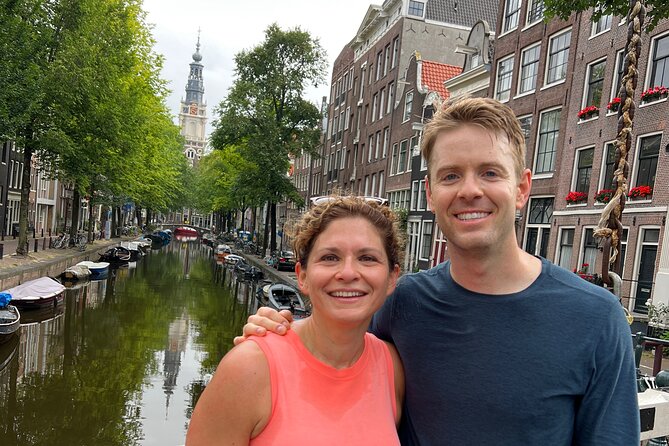
Next up is the Jordaan, a neighborhood known for its street texture and that “how people actually live here” feeling. On foot, you’ll notice the shape of the streets and the way canal and side-street life mix.
This stop is fun because it shifts you from the biggest landmarks to a more human scale. You’re no longer only seeing the city’s icons. You’re seeing how Amsterdam’s layout supports everyday life—shops, canals, and streets that bend rather than run straight.
Practical drawback: if you’re tired, the combination of jogging pace plus tighter streets can feel more demanding. The tour’s easy pace helps, but don’t underestimate how your legs feel after earlier segments.
Stop 6: Leidseplein (Leiden Square) and the city’s energy hubs
Then you reach Leidseplein, also written as Leiden Square. This area is central, with a different vibe than quieter canal stretches. You’ll likely feel the shift: Amsterdam’s cultural and nightlife heartbeat sits here, and your guide can help you connect what you see to how the city functions.
Even if you’re not planning a night out, Leidseplein is worth seeing because it shows the city’s social rhythm. It’s a “hub” stop, useful for understanding where people gather and how the city divides into zones.
Consideration: around major squares, foot traffic can pick up. Keep an eye on group spacing so you don’t drift behind.
Stop 7: Dam Square—Amsterdam’s big central stop
Dam Square is the classic central meeting point for a reason. It’s where Amsterdam’s public-life energy becomes obvious, and it’s also where you start seeing the city in a more organized, civic way.
This is a strong stop for photos, too. You can frame broad views, get a sense of the urban geometry, and compare what you’ve already seen in canals with what you’re seeing in open square space.
A practical tip: bring patience for crowd flow. You’re moving through a high-recognition area, so you’ll want to stay alert to passersby and keep your pace consistent.
Stop 8: H’ART Museum—art that feels like part of the streets
Your route continues to H’ART Museum, an interesting change of pace. Instead of only famous monuments, you’re getting a sense that Amsterdam’s creativity shows up in more than just the headline institutions.
Because the tour details don’t indicate a full interior museum experience, treat this stop as a guided introduction. It’s a chance to learn how art can connect to neighborhood identity, rather than being separated from daily life.
If you’re the type who loves taking short detours, you might want to return later for a longer look.
Stop 9: Gay Monument—community memory in public space
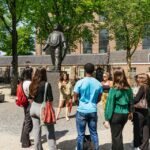
You finish with the Gay Monument, which adds a thoughtful cultural layer to the tour. This is one of those city moments where the story matters as much as the statue or form itself.
Why it’s a good finishing stop: you end with something that reads like a statement about identity, rights, and public remembrance. It’s a fitting final beat after moving past so many Amsterdam “faces”—culture, canals, neighborhoods, and historic sites.
Running guide tips that make or break the morning
The experience lives or dies on guidance: someone who can keep an easy pace, tell stories that land, and point out details you’d miss alone.
In the kind of performance you’ll hear praised, guides like Paul are singled out for an easy, fun pace and for helping people capture nice photos along the way. Another guide example, Katya, is noted for meeting people conveniently at Airbnbs and pointing out small, specific details such as stumbling stones and gable stones (gevelstenen).
So when you’re on the tour, watch for those micro-moments. They turn “I saw a bridge” into “I understand how the city remembers people and reads architecture.”
Also, bring what makes your run comfortable:
- Good shoes for canal-adjacent paths
- A water bottle, since it’s not included
- Light layers for the morning, especially if the day starts cool
Who this tour fits best (and who should skip the running part)
This tour suits you if you want:
- A guided way to get oriented fast in central Amsterdam
- Movement that feels like a light jog rather than a stiff classroom
- A compact route that hits major landmarks without eating your whole day
It’s also a good choice for early risers and people who like photos and city details. The tour is offered in English, German, and Dutch, so you’ll be able to match your language comfort.
You might skip it if:
- You can’t comfortably maintain a moderate running pace for the duration
- You want a long, stop-at-every-shop day
- You get uncomfortable in areas that include the Red Light District
Should you book this Amsterdam city-center run?
I’d book it if you’re arriving with limited time and you want Amsterdam to start making sense quickly. The combination of hotel pickup, a small group, and an easy pace makes it feel efficient without being rushed.
It’s also a smart value play. You pay for guided time, plus the convenience of starting from your own door. For many people, that’s the difference between having a great first morning and just wandering.
If you’re unsure about the running aspect, think of it this way: this is a moving sightseeing experience. If you can handle that, you’ll likely come away with better bearings, stronger photos, and a city story you can remember.
FAQ
What time does the Amsterdam city center run tour start?
The start time is 8:30 am.
Is hotel pickup included?
Yes. Hotel pickup is included, and pickup is from your hotel or AirBnB address.
How long is the tour?
The tour lasts about 1 hour 10 minutes.
What languages is the tour offered in?
The tour is offered in English, German, and Dutch.
How large is the group?
The tour has a maximum size of 10 travelers.
Do I need to be fit to join?
The tour is suitable for people with a moderate physical fitness level.
Which major sights are included?
The tour includes stops at Rijksmuseum, Magere Brug, the Red Light District, Anne Frank House, the Jordaan, Leidseplein (Leiden Square), Dam Square, H’ART Museum, and the Gay Monument.
Is bottled water provided?
No. Bottled water is not included.
Can I cancel for free?
Yes. You can cancel for a full refund up to 24 hours in advance of the experience start time.