REVIEW · AMSTERDAM
Amsterdam: Off-the-Beaten-Track Neighborhoods Private Tour
Book on GetYourGuide →Operated by City Unscripted · Bookable on GetYourGuide
Amsterdam hits different when you leave the center. This private tour is built for exactly that, using a local host to guide you through Amsterdam North, East, and West with a mix of iconic sights and real-life street scenes. You’ll get a walking route that makes the city feel like it has neighborhoods, not just landmarks.
I love the fact that you can choose the pace and time window (3, 4, 6, or 8 hours), so the day doesn’t feel rushed or stuck on one bubble. I also like how the itinerary threads together canals, markets, and people-watching across multiple parts of town. One thing to keep in mind: it’s walking-focused and food/drinks and entry tickets aren’t included, so you’ll want a plan for where you want to snack and whether you care about museum stops.
You’ll be matched with passionate local hosts who adapt the day to what you like. If you’re the type who wants a slower stroll with extra stops, this setup can work well; one guest mentioned their 6-hour tour felt like it could have been done in 4, which is basically proof you can choose comfort over speed. And yes, you may end up seeing more than you expected if your guide spots good opportunities for photos, markets, and neighborhood shortcuts.
In This Review
- Key highlights you’ll feel right away
- Why this private “neighborhood” style tour works
- Zooming out: how the route stitches Amsterdam together
- Amsterdam-Noord: parks, Eye Film Museum area, and NDSM Werf
- Noordhollandsch Canal and d’Admiraal Windmill: the quiet win
- Amsterdam-West and the medieval center: markets and major icons
- Ten Katemarkt and De Hallen: market time that doesn’t feel touristy
- Jordaan and De 9 Straatjes: canal-side streets with personality
- De Pijp: café culture along the canals
- Amsterdam-East on Javastraat and Dappermarkt: cobbles, Turkish bakeries, and busy market energy
- How long should you book: 3, 4, 6, or 8 hours?
- What’s included, and what you should budget
- The kind of traveler who’ll love this most
- Should you book this Amsterdam Off-the-Beaten-Track neighborhoods tour?
- FAQ
- How long is the private tour?
- Is this a private group or shared tour?
- Who do I meet, and where?
- What languages are available?
- Is the tour wheelchair accessible?
- What’s included in the price?
- What’s not included?
- Can the itinerary be customized?
- Which parts of Amsterdam are covered?
- What’s the cancellation policy?
Key highlights you’ll feel right away
- A truly private local host who can shape the route around your likes and dislikes
- Amsterdam North + East + West in one day, so you stop thinking in museum-only categories
- Canal time plus neighborhood markets, not just big squares
- Eye Film Museum area and NDSM Werf for contemporary culture and industrial-to-cool contrasts
- Jordaan and De 9 Straatjes for canal-side streets and small-shop browsing
- De Pijp and Amsterdam-East stops for food streets, cafés, and busy market energy
Why this private “neighborhood” style tour works

A lot of Amsterdam tours take you to what you already see in photos. This one uses a different logic: neighborhoods first, landmarks second. That matters because Amsterdam’s big “wow” moments are often wrapped in everyday street life—shops, canals, cafés, and the kind of small streets where you naturally slow down.
The private part is the real multiplier. You’re not negotiating a group’s schedule, and you don’t have to keep up if you want to stop for a better view of a canal, a windmill, or the flow of a market. You’ll also get recommendations for the rest of your trip, which is useful when you want to turn one good day into better planning.
The main tradeoff is that you’re doing this on foot, and your day can be as relaxing or as packed as you choose—so bring shoes you can stand in and clothes that handle a quick change from drizzle to sun. This is also a tour where food is optional: it’s not included, so you’ll have to decide when you want to pay for tastings.
You can also read our reviews of more private tours in Amsterdam


Zooming out: how the route stitches Amsterdam together
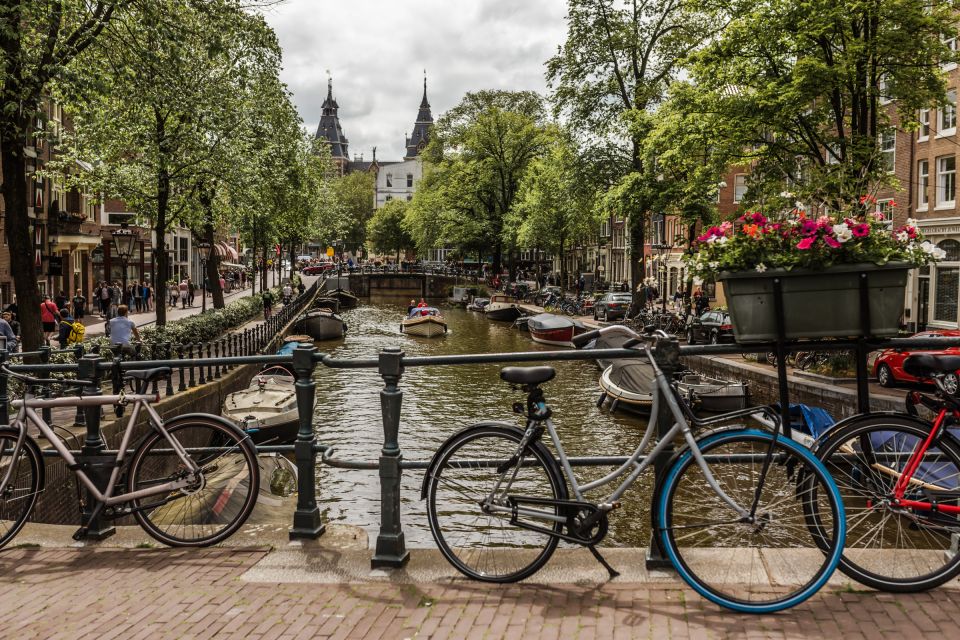
The tour’s big idea is simple: you’ll travel across the city’s “personalities.” It typically flows from Amsterdam-Noord (fresh air, parks, and contemporary angles) to the medieval core and Canal Districts (Jordaan and De 9 Straatjes), then down into De Pijp and Amsterdam-East (more café culture, cobbled streets, and lively markets).
Even if you’re only choosing a shorter time slot like 3 or 4 hours, the structure still aims to connect areas instead of repeating the same streets. And because your guide plans your day based on how many hours you booked and your preferences, you can usually steer it away from anything you’re not into—like skipping extra market time if you’d rather focus on canals or photo stops.
Amsterdam-Noord: parks, Eye Film Museum area, and NDSM Werf
Amsterdam-Noord feels like the “creative cousin” to the center: greener, more open, and lined with spots that explain how Dutch cities evolve without losing their sense of place. You’ll see areas known for green parks and charming villages, and you’ll also hit the contemporary side of town.
A standout stop is the area around the Eye Film Museum, known for Dutch and foreign movies and film posters. Even if you’re not going inside (entry tickets aren’t included), the museum zone is a good anchor for modern Amsterdam. From there, you’ll head toward NDSM Werf, a shipping yard turned into a cool urban space that includes an outdoor skate park vibe. It’s the kind of place where the buildings still look industrial, but the atmosphere has shifted into creativity and street-level energy.
If you like contrast, you’ll enjoy this section the most: it explains Amsterdam as a city that keeps repurposing. If you want pure “old city” only, you might find Noord more interesting than expected, but it may not feel as historic as the medieval-core areas later.
Noordhollandsch Canal and d’Admiraal Windmill: the quiet win
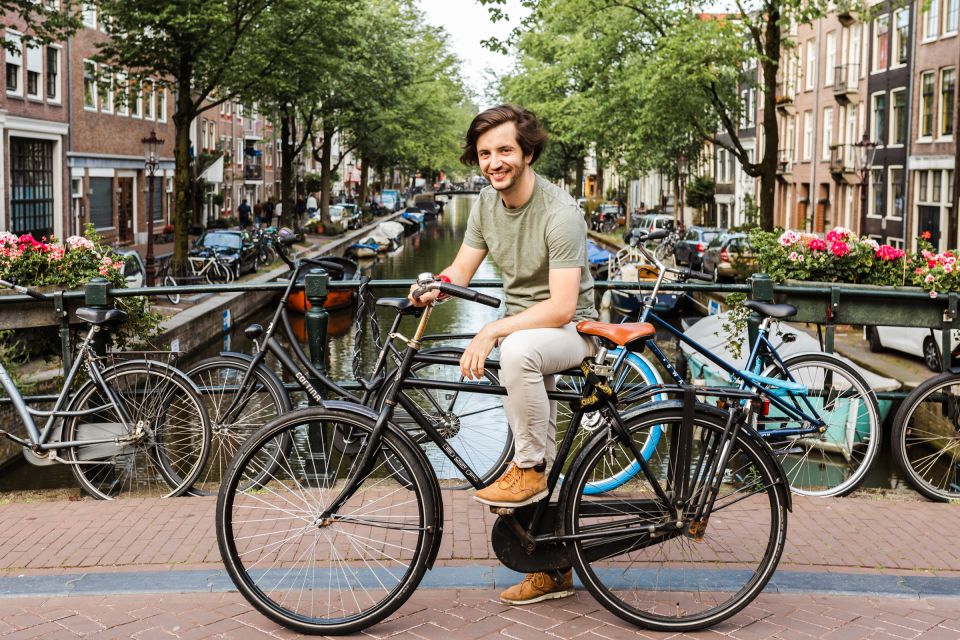
After contemporary stops, the tour gives you a calmer chapter with a stroll along the Noordhollandsch Canal. This is where you get breathing room—water views, slower pacing, and the chance to notice how the city’s design supports leisure.
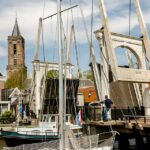
A perfect detail here is the d’Admiraal Windmill, a smock windmill built in 1792 next to the canal. It’s not just a photo object. The placement makes it feel like part of the landscape, like it belongs to the working-with-water logic that shaped the region.
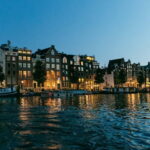
This is also where I’d tell you to slow down and look back. Canal turns and bridges can look plain at first glance, but from the right angle you’ll see the city’s texture: rooftops, reflections, and little human moments that don’t show up in landmark shots.
Amsterdam-West and the medieval center: markets and major icons
Next you’ll move toward Amsterdam-West and the medieval-core feel—where the streets tighten up and landmarks start stacking. Two big “anchor” sights you can expect to see as you make your way through the core are the National Monument and Dam Square.
You’ll also likely pass the Westerkerk, known as a 400-year-old church. Even if you don’t go inside, it’s helpful to have it in your walking day because it gives you a landmark reference point. Amsterdam’s scale can confuse first-timers; seeing something like Westerkerk while you move helps you map the city by real geography, not just lines on a phone screen.



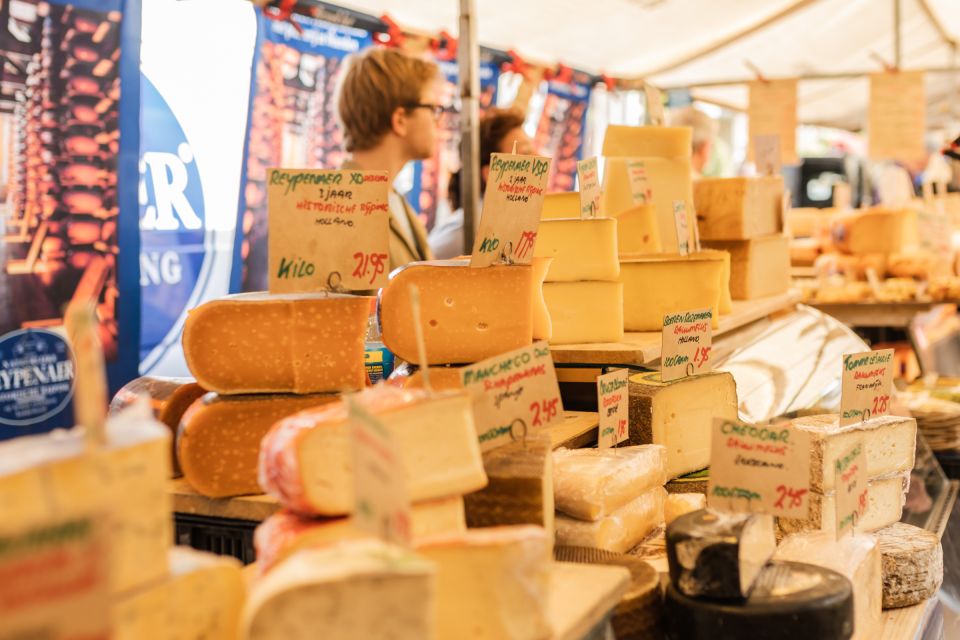
Ten Katemarkt and De Hallen: market time that doesn’t feel touristy
Markets are a huge part of this tour’s value, because they show how people actually eat, buy, and hang out. You’ll have two market-style stops that balance “local daily life” with “food scene energy”:
- Ten Katemarkt: tucked away in a residential neighborhood, so it feels like a neighborhood stop rather than a performance.
- De Hallen: an indoor street food scene in a converted industrial building, so you get the fun atmosphere even when weather turns.
Because food and drinks aren’t included, treat these markets as optional tastings. You can snack if it fits your budget, or you can just enjoy the sights and browse what locals gravitate toward. Either way, the markets give you a stronger sense of Amsterdam than another hour at a museum would.
Jordaan and De 9 Straatjes: canal-side streets with personality
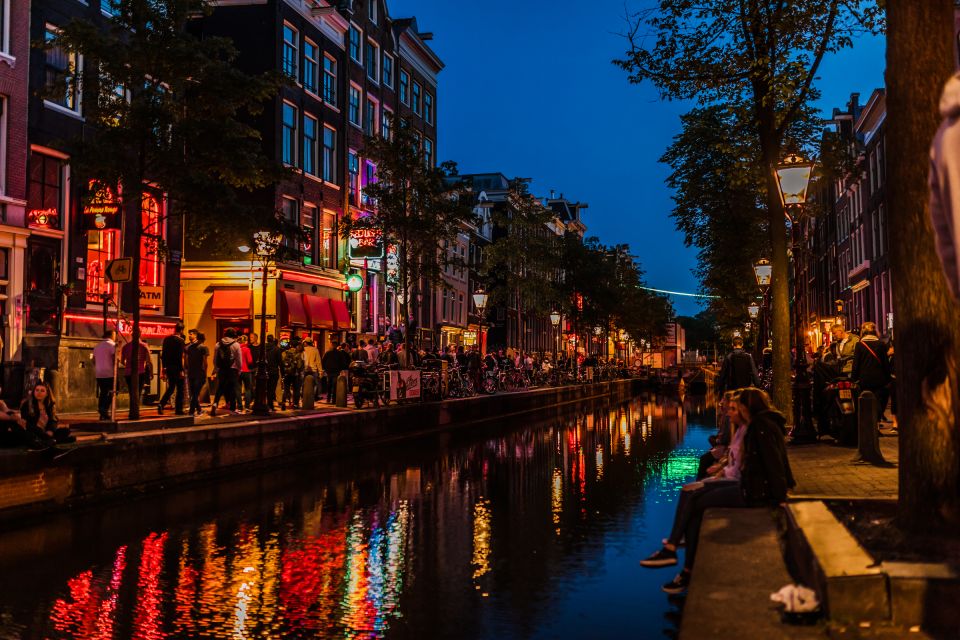
From the medieval core, the route flows into Jordaan, one of those districts where you feel the city’s craft and café culture close up. The streets here are ideal for slow wandering—especially if you enjoy small shops, browsing, and people-watching.
You’ll also go to De 9 Straatjes, which links the city’s main waterways and is packed with niche outlets and boutique-style storefronts. It’s not the kind of place where you rush to a must-see. It’s the kind of place where you slow down because every block has something slightly different: a different window display, a different style of shop, a different vibe.
A practical tip: wear clothing you’re comfortable browsing in. You’ll likely want to pop into small stores and wander past cafés, and that’s easier when you’re not worried about shoes or time.
De Pijp: café culture along the canals
Then you’ll step into De Pijp, known as a bohemian hub with bar, bistro, and café-lined streets. This is a great area if you want a more international, “lived-in” feeling—diverse cultures, different food cultures, and a lot happening at street level without it turning into theme-park chaos.
Canal views show up again here too, which helps. The tour keeps returning to water because Amsterdam’s canals aren’t background scenery; they’re navigation, boundaries, and a place where people actually pause.
If you’re the kind of person who likes a final-hour café stop, De Pijp is a strong candidate. Just remember: the tour doesn’t include drinks or food, so you’ll be deciding those purchases yourself.
Amsterdam-East on Javastraat and Dappermarkt: cobbles, Turkish bakeries, and busy market energy
The last neighborhood chapter usually happens in Amsterdam-East, with a focus on streets that feel like the city is evolving right in front of you. A key street on the route is Javastraat, described as cobbled and lined with a mix of Turkish bakeries and trendy bars. That blend is the real point: Amsterdam’s modern style sits beside everyday community routines.
You’ll also have a chance to see two specific bar stops as you walk the area: Bar Basquiat and Bar Bukowski. Even if you don’t go in, knowing the names helps you anchor the vibe—this is a street where people come for energy, not sightseeing.
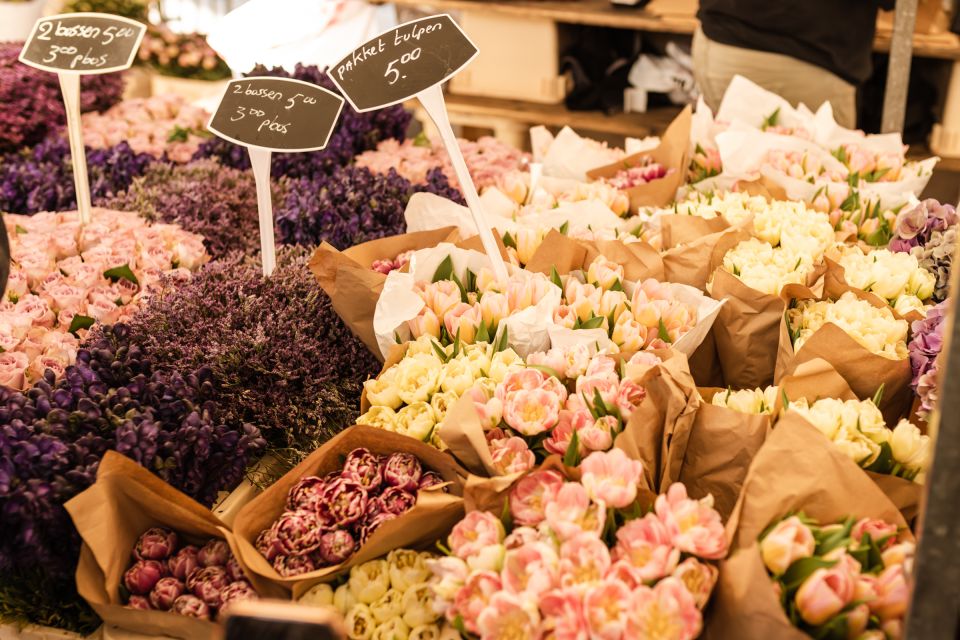
Then comes Dappermarkt, one of Amsterdam’s busiest markets. It’s a strong finale because markets give you motion: people moving, vendors calling, snacks changing from stall to stall. You’ll also find Dutch-snack shopping opportunities here, and that’s a fun way to leave with something practical (and very eatable) for later.
How long should you book: 3, 4, 6, or 8 hours?
Choosing duration is where you can turn this tour into a personal fit.
- 3–4 hours works if you want highlights across multiple neighborhoods without feeling like you walked forever. You’ll likely get a more focused route: fewer markets, fewer long photo moments.
- 6 hours is the sweet spot for most people who like a relaxed pace. If your guide slows things down for what you enjoy, you’ll feel it as comfort rather than missing out.
- 8 hours is for the wanderers and the planners. You’ll have more time to linger in markets, do longer canal breaks, and let your guide shape the route if you’re especially into photography or food scene exploration.
One review noted that a 6-hour schedule could have been done in 4 hours, but it was still enjoyable because the pace stayed slow. That’s the kind of flexibility you should look for: a private guide can slow down without making you feel like you’re wasting time.
What’s included, and what you should budget
For $108 per person, you’re buying a private walking experience with a local host, plus recommendations for the rest of your stay. What you’re not buying is transport during the tour, museum entry tickets, or any food and drinks.
So think of value like this:
- You’re paying for local direction and a route that links multiple neighborhoods.
- You’re not paying for expensive museum tickets or a fixed meal plan.
- If you like markets and cafés, you’ll spend extra on snacks. If you prefer just browsing, you can keep costs tighter.
This is a smart format for travelers who want the “thinking” part of a good guide: where to walk, what to look at, and how to understand the differences between districts without a lecture.
The kind of traveler who’ll love this most
I think this tour is ideal if you:
- want Amsterdam neighborhoods more than just one repeat loop of famous sights,
- like a guide who can tailor the day to your interests,
- want both classic landmarks (like Dam Square and the National Monument) and modern Amsterdam angles (Eye Film Museum area and NDSM Werf),
- enjoy markets as a way to understand daily life.
It’s less ideal if you want a museum-heavy day with timed entry tickets, or if you strongly prefer riding transit rather than walking. This is a walking tour first.
Should you book this Amsterdam Off-the-Beaten-Track neighborhoods tour?
If your goal is to understand Amsterdam as a set of districts—with canals, markets, contemporary spaces, and real street culture—book it. The private setup and flexible length options make it easy to match your pace, and the neighborhood mix is broad enough that you’ll feel like you saw more than “the standard Amsterdam day.”
I’d especially recommend it if you’re likely to snack and browse in markets or if you want a guide who can adjust the day to what you care about. The only reason not to book is if you want everything handled for you (food, entry tickets, or lots of museum time). In that case, you’d be happier with a tour that bundles admissions and meals.
FAQ
How long is the private tour?
You can choose 3, 4, 6, or 8 hours. Starting times depend on availability.
Is this a private group or shared tour?
It’s a private group experience.
Who do I meet, and where?
You’ll meet the host in the center of Amsterdam, and if you’re staying in the center, the host will meet you at your hotel. The host reaches out beforehand to confirm your requested location.
What languages are available?
The tour guide speaks Dutch and English.
Is the tour wheelchair accessible?
Yes, it’s listed as wheelchair accessible.
What’s included in the price?
Included items are the private and personalized tour (based on your selected duration), a local host, a walking experience, and tips and recommendations for the rest of your stay.
What’s not included?
Not included are food and drinks, any entry tickets to attractions, and transportation to/from the meeting point or during the tour.
Can the itinerary be customized?
Yes. Your personalized itinerary is planned based on the number of hours booked and adapted to your preferences. The team contacts you after booking to understand any special requirements.
Which parts of Amsterdam are covered?
The tour focuses on Amsterdam North, East, and/or West, with stops tied to those areas.
What’s the cancellation policy?
You can cancel up to 24 hours in advance for a full refund.