REVIEW · AMSTERDAM
Amsterdam: Rijksmuseum Private Tour
Book on GetYourGuide →Operated by Orange Adventures · Bookable on GetYourGuide
A museum like this rewards slow looking. A private 2-hour Rijksmuseum tour can turn Dutch Masters from nameplates into full-on stories about paint, power, and everyday life. You’ll focus on how the works were made, not just what you see.
Two things I really like about this setup are the chance to get full explanations on Rembrandt, Vermeer, Frans Hals, and more, and the fact that you get to see The Nightwatch in the Honorary Gallery with context that actually helps. The guide also builds the lesson around how 17th-century viewers read pictures like books.
One consideration: the museum gets crowded, and a private guide may have another tour after yours. In practice, that means you should plan for a lively pace and don’t count on extra drifting time at every painting.
In This Review
- Key points worth your attention
- Rijksmuseum Dutch Masters: why this era still feels modern
- The 2-hour private format that keeps your eyes busy
- Meeting inside the museum: fast start, less stress
- Skip-the-line tips: how to handle crowds without losing your day
- Honorary Gallery and The Nightwatch: what to focus on
- Medieval art vs Dutch and Flemish Masters: the shift you can actually see
- Rembrandt, Vermeer, Frans Hals: technique spotting you’ll remember later
- Hidden meanings, real-world context, and why art was a teaching tool
- Price and logistics: is $235 for up to 2 good value?
- Who this Rijksmuseum private tour is best for
- Should you book it? My take on the decision
- FAQ
- How long is the Rijksmuseum private tour?
- Where do we meet the guide inside the museum?
- Is the Rijksmuseum entrance ticket included?
- What languages are the guides available in?
- Is this tour private?
- Do I need an Amsterdam Card?
Key points worth your attention
- Honorary Gallery access for The Nightwatch: You’ll look for details with a clearer explanation than you’d get on your own
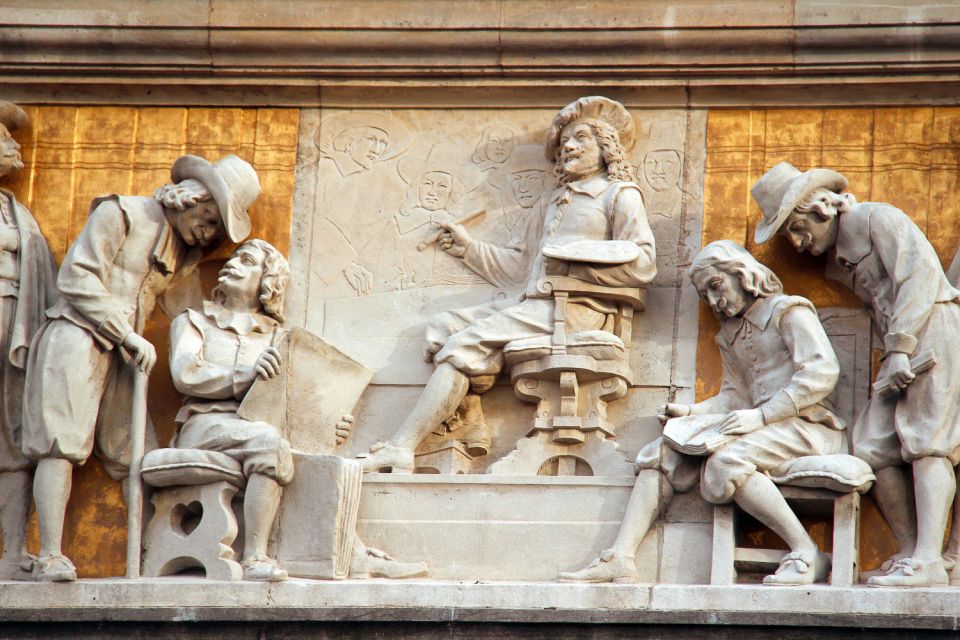
- Technique + meaning, not just facts: Expect hands-on style observations about how Dutch Masters worked
- A clear bridge from medieval art to Dutch realism: You’ll learn what changed and why
- A small party size (up to 2): Better questions, better pacing, better tailoring to your interests
- Advice for coping with crowds: The tour includes tips to make skip-the-line (or line-wrangling) easier
- Guides can adjust to you: The tour can shift toward what you care about most, including for families
Rijksmuseum Dutch Masters: why this era still feels modern
The Dutch Golden Age painters didn’t paint in a bubble. In the 1600s, art was a communication tool—something people studied, used to learn, and displayed proudly in homes and civic life. This tour leans into that idea, so the paintings start to feel less like museum glass and more like a 17th-century media feed.
What makes the Rijksmuseum such a good place for a private guide is scale. You can stand in front of a masterpiece and still miss the point if nobody explains why a brushstroke, a light source, or a composition choice mattered. Here, you’ll get technical talk that stays tied to what you can actually see.
And the themes are surprisingly current. You’ll hear how the Dutch ruled the waves and followed paths opened by Spanish and Portuguese power, then connect that bigger picture to why art spread so widely. It’s not just history trivia—it helps you understand why audiences wanted images that felt close to real life.
You can also read our reviews of more private tours in Amsterdam
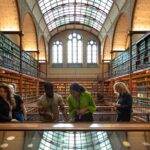
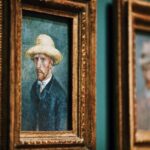
The 2-hour private format that keeps your eyes busy
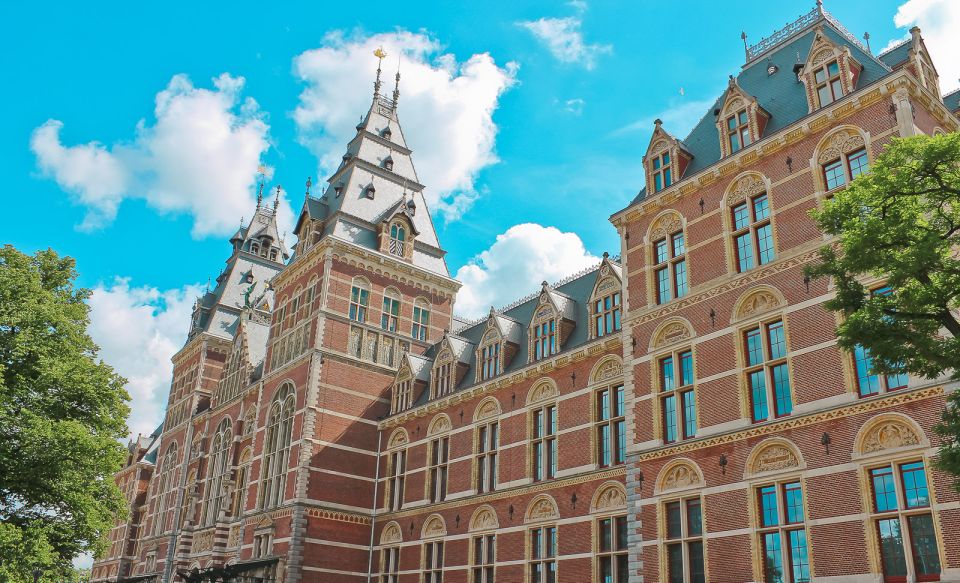
A guided tour sounds like a time-saver. This one also works as a look-time organizer. With only two hours and a private group, the guide can steer you through fewer works with more attention per painting.
That matters at the Rijksmuseum. You don’t just need the highlights—you need help choosing what to notice first. The guide’s approach includes practical prompts like what you might spot in a scene and how different artists’ styles compare, so you’re not passively watching.
This is also where private pacing becomes a value. Instead of wandering and hoping you’ll “get” the Dutch Masters, you get a focused path that makes the museum feel readable.
Meeting inside the museum: fast start, less stress
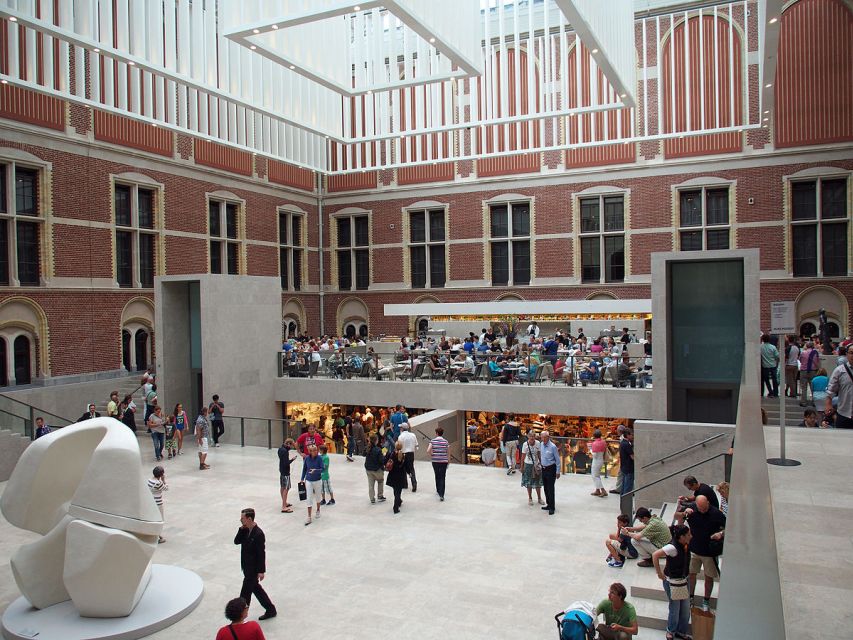
You meet your guide inside the museum after you’ve entered. The meeting point is near a round info counter; about 10 meters to the right, there’s a small sign that indicates where to meet.
That detail may sound minor, but it can save you a lot of circling. The Rijksmuseum can be disorienting when you’re juggling tickets, lines, and timing. If you want the tour to feel smooth, aim to get in a little early and get your bearings before your guide arrives.
Language coverage is solid for an international trip: the guide can work in Dutch, English, or German. If you’re planning a multigenerational day, this flexibility helps you keep everyone following along.
Skip-the-line tips: how to handle crowds without losing your day
Entrance tickets are not included, so you’ll still need to purchase them separately. The good news is the tour includes advice on how to skip-the-line, or at least how to make the wait tolerable.
At the Rijksmuseum, crowd pressure is real. Even when your tour starts well, you can hit bottlenecks in popular galleries. The practical approach here is to go in prepared: decide where you’ll want to spend extra time if you’re ahead, and be ready to move efficiently when you’re in a narrower flow.
A common reality check from the experience side: the guide can be on a schedule. One drawback to consider is that you might feel a bit rushed toward the end if the guide has another booking afterward. If you hate feeling timed, choose a start time that gives you breathing room and avoid stacking too many activities on the same day.
Honorary Gallery and The Nightwatch: what to focus on
The Honorary Gallery visit is the anchor moment. The Nightwatch isn’t just famous—it’s famous for reasons you can miss if you only look at the overall image.
On this tour, you’ll look at the painting with explanations that connect technique to storytelling. Expect the guide to point out what makes Rembrandt’s approach different: how the scene is staged, how figures interact with the light, and what composition choices can signal.
This is also where your guide’s teaching style pays off. The tour doesn’t just hand you interpretations; it helps you practice looking. When you’re standing close to The Nightwatch, that difference is huge: you begin to see brushwork, not just characters.
If you’re bringing kids or teens, this stop is usually where attention becomes easier. A complicated painting becomes understandable when someone helps translate what it’s doing—like turning a dense book into chapters you can follow.



Medieval art vs Dutch and Flemish Masters: the shift you can actually see
A key part of the tour is learning how Dutch Masters related to what came before. You’ll learn the difference between medieval art and the more innovative Flemish and Dutch approaches.
The value here is that you get a framework for comparison. You’ll start noticing changes in realism, how scenes feel staged versus symbolic, and how everyday life gets treated as important. Once you understand that shift, the museum stops being a pile of masterpieces and becomes a timeline you can read.
This is also how the “Golden Age” story becomes more than a label. You’ll connect how art moved toward approachable themes—without abandoning grand subjects like kings, mythological scenes, or historical events. The tour helps you see how those high-status stories shared wall space with something more familiar: daily life.
Rembrandt, Vermeer, Frans Hals: technique spotting you’ll remember later
This is where the tour earns its keep. The guide focuses on painting techniques and how each artist’s approach supports the story.
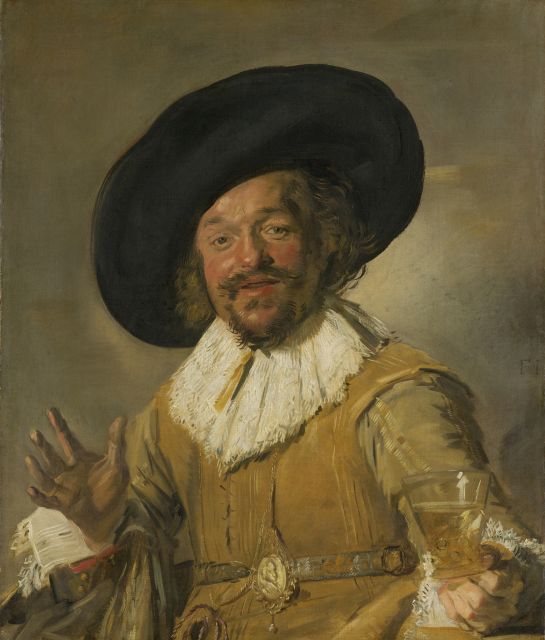
For example, Rembrandt becomes more than a name because you’ll hear how his choices create depth and mood. Vermeer becomes more than a quiet portrait-maker when you understand the look of light and the way scenes are composed. Frans Hals becomes more legible when you grasp how his style builds energy into faces and gestures.
The practical payoff: you’ll leave with a mental checklist. Even if you return to the museum later on your own, you’ll have a way to notice what matters: light behavior, how figures are arranged, and what the painter emphasizes.
And because this is a private setting, you can ask questions in the moment. That’s one reason the tour format works for art lovers and for people who feel intimidated in big museums. The guide can reset your attention and keep the experience from becoming overwhelming.
Hidden meanings, real-world context, and why art was a teaching tool
A painting in the 17th century wasn’t just decoration. The tour frames art like a book or a cartoon—something people learned from. Without school books and television, images did a job: they taught, reinforced values, and offered stories people could study.
That’s where the tour gets extra interesting. You’ll hear about hidden meanings in some works, and you’ll also get the big-picture context behind why these images landed well with viewers. The guide connects Dutch rule over the waves to the broader European power struggle that included Spanish and Portuguese influence, so the art sits in a world that makes sense.
Then comes one of the most important themes: ordinary people enter the spotlight. Kings, queens, mythological and historical scenes still appear, but everyday life becomes central. That shift helps you understand why Dutch Masters can feel relatable even centuries later.
Price and logistics: is $235 for up to 2 good value?
At $235 per group up to 2, the math is simple: you’re paying for guide time plus private attention in one of Europe’s most visited museums. If you’re comparing against a standard group tour, private often costs more—but it also changes what you’ll actually get out of your visit.
This price tends to be good value when:
- You care about technique and meaning, not just “walking through rooms”
- You want to ask questions and adjust the pace
- You’re visiting with a partner or small family cluster and want one coherent plan
It’s less of a bargain if you only want the basic highlights and you already feel comfortable reading paintings on your own. In that case, a self-guided visit could be cheaper.
Also remember: entrance tickets are not included. Budget for the museum ticket separately, or consider using an Amsterdam Card if that fits your overall trip. The Amsterdam Card is described as giving access to unlimited museums and including public transport (including train service from the airport to central Amsterdam and local trams).
Who this Rijksmuseum private tour is best for
This tour works especially well for people who want context without getting stuck in a lecture. The guide’s style includes encouragement to notice details and compare what you’re seeing across artists, so it doesn’t feel like memorizing names.
It also fits families. The format is long enough to keep a conversation going for adults, but focused enough to keep younger visitors engaged. In practice, it can help teens stop treating the museum like a forced stop and start treating it like a puzzle.
Because it’s a private group and wheelchair accessible, it’s also a sensible choice when someone in your party needs a more controlled, comfortable pace.
Should you book it? My take on the decision
Book this tour if you want the Rijksmuseum to feel understandable fast. You’ll get The Nightwatch with real context, you’ll learn how medieval art differs from later Flemish and Dutch approaches, and you’ll get technique explanations that help you see more than the obvious.
Think twice if your goal is pure wandering at your own speed. With crowds and possible schedule constraints, this is a structured experience. Also factor in that entrance tickets aren’t included, so the total cost won’t be just $235.
If you like art but don’t want to feel lost in a giant museum, this private 2-hour plan is a strong match. It turns a famous building into a guided conversation—one you can actually follow room by room.
FAQ
How long is the Rijksmuseum private tour?
It’s a 2-hour private tour of the Rijksmuseum.
Where do we meet the guide inside the museum?
You meet your guide inside the museum after you enter. Look for the round info counter, then go about 10 meters to the right to a small sign that reads meeting point.
Is the Rijksmuseum entrance ticket included?
No. The tour does not include the entrance ticket.
What languages are the guides available in?
The live guide can conduct the tour in Dutch, English, and German.
Is this tour private?
Yes. It’s a private group experience, priced for up to 2 people.
Do I need an Amsterdam Card?
The tour info says you’ll benefit from getting an Amsterdam Card, which allows unlimited museums and includes public transport (train from the airport to Amsterdam city centre and trams in town).