REVIEW · AMSTERDAM
Amsterdam: Sex, Drugs, and Freedom Walking Tour
Book on GetYourGuide →Operated by Trigger Tours · Bookable on GetYourGuide
Sex and drugs, explained on foot. This 2-hour Amsterdam walking tour puts the city’s “anything goes” reputation into context with a local guide who talks through the rules behind coffeeshops and the Red-light District. I also liked how the stories are organized to stay easy to follow, even when the topics get uncomfortable.
My one main caution: this is adult-themed content (sex work, drug policy, street life), so it’s not for everyone—especially if you prefer a traditional sightseeing-only day.
In This Review
- 5 Things That Make This Amsterdam Sex, Drugs, and Freedom Tour Worth Your Time
- Entering Amsterdam’s Alternative Side: What the Tour Actually Covers
- Price and Value: Is $31 for 2 Hours Reasonable?
- The Walk Starts in the Center: Royal Palace, Dam Square, and Quick Orientation
- Old Church Stop: A Landmark Used for Bigger Explanations
- Condomerie: When Amsterdam Treats Sex as Public Conversation
- Coffeeshops and Soft Drugs: What’s Meant by Permissive Laws
- Red-light District Reality: Legalization, Work, and the District’s Shape
- Off-the-Beaten Streets: Where You Learn What Locals Actually See
- Guide Quality: When Martin, Jesse, David, or Stan Leads
- What to Bring (and What to Expect from the Walking Pace)
- Who This Tour Fits Best—and Who Might Want a Different Option
- Should You Book This Amsterdam Sex, Drugs, and Freedom Tour?
- FAQ
- How long is the Amsterdam Sex, Drugs, and Freedom walking tour?
- What is the price per person?
- What is included in the ticket?
- Is food or drinks included?
- What language is the tour guide available in?
- Where is the meeting point?
- What should I bring?
- Is the tour suitable for people with mobility impairments?
5 Things That Make This Amsterdam Sex, Drugs, and Freedom Tour Worth Your Time
- Local perspective, not a lecture: You get street-level context as you walk.
- Drug-law reality check: The tour focuses on what Amsterdam’s permissive approach actually means.
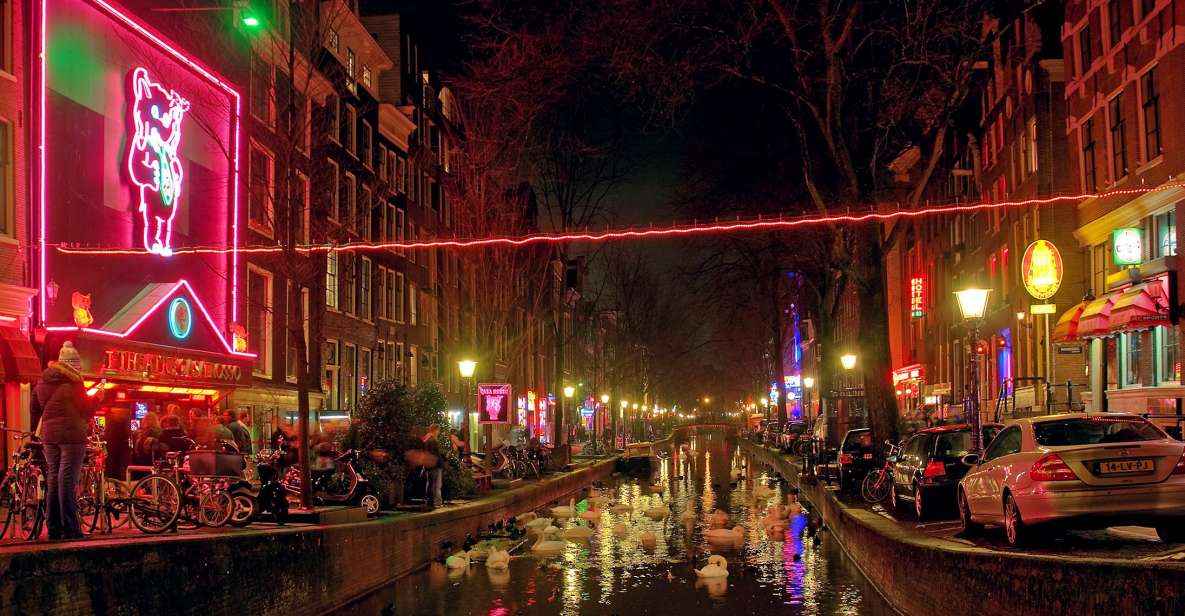
- Red-light District explained clearly: You learn how legalization shaped how the area works over time.
- Adult topics handled with answers: Guides respond to questions about prostitution and related issues.
- You’ll see major landmarks and side streets: Stops include the Old Church, Condomerie, Royal Palace, and Dam Square, plus lesser-known spots.
Entering Amsterdam’s Alternative Side: What the Tour Actually Covers
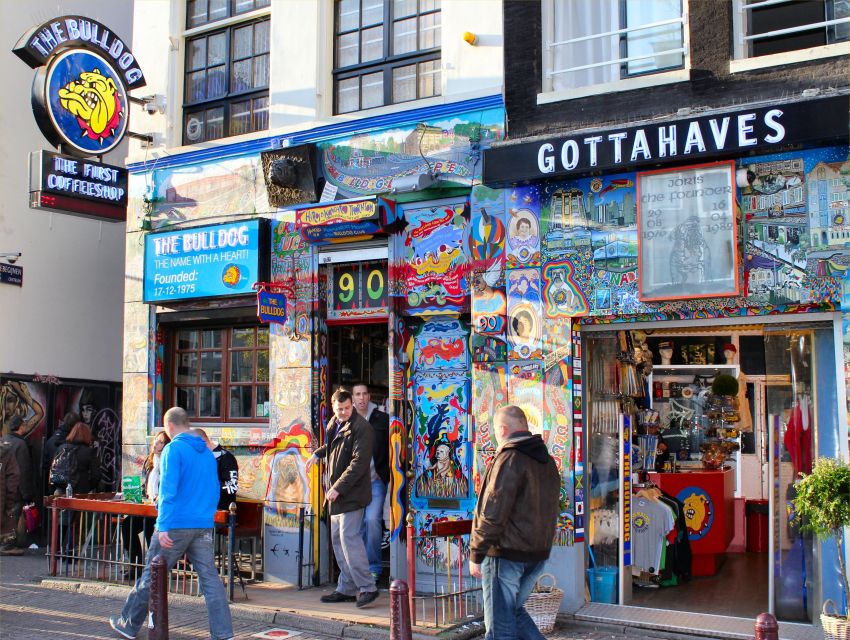
This is a walking tour built for travelers who want the real mechanics behind Amsterdam’s famous reputation. You’re not just seeing neon windows and hearing vague “it’s legal” chatter. You’ll hear the origin of the city’s approach to drugs and sex, how those policies developed, and how they affect the people living and working in the area.
What I like most is the structure. The guide connects different parts of the city—public squares, famous buildings, and the side streets where daily life happens—back to the same big idea: Amsterdam tries to balance freedom with regulation. That’s why the tour can feel both practical and thought-provoking in a short window of time.
You also get a sense of how this place views equality. The tour specifically touches on the Dutch fight for gay rights, social awareness, and sexual liberty. That theme matters because it explains why Amsterdam’s alternative scene isn’t treated as a separate universe. In this city, it’s part of the broader culture.
You can also read our reviews of more walking tours in Amsterdam


Price and Value: Is $31 for 2 Hours Reasonable?
At about $31 per person for a 2-hour guided walk, you’re paying for two things: time with a live guide and access to interpretation you wouldn’t easily get on your own. You’re also paying for focus. The topics here—prostitution legalization, coffeeshop history, and the everyday reality around them—are the kind of subjects where a random guidebook page often leaves you with more questions than answers.
For me, the value comes from how the guide answers questions and adjusts to the group. Multiple guides are praised for being engaging and calm with group dynamics, which matters on a tour like this. If you want a quick, guided way to get your bearings in Amsterdam’s adult and alternative corners, this price-to-time ratio is easy to justify.
The Walk Starts in the Center: Royal Palace, Dam Square, and Quick Orientation
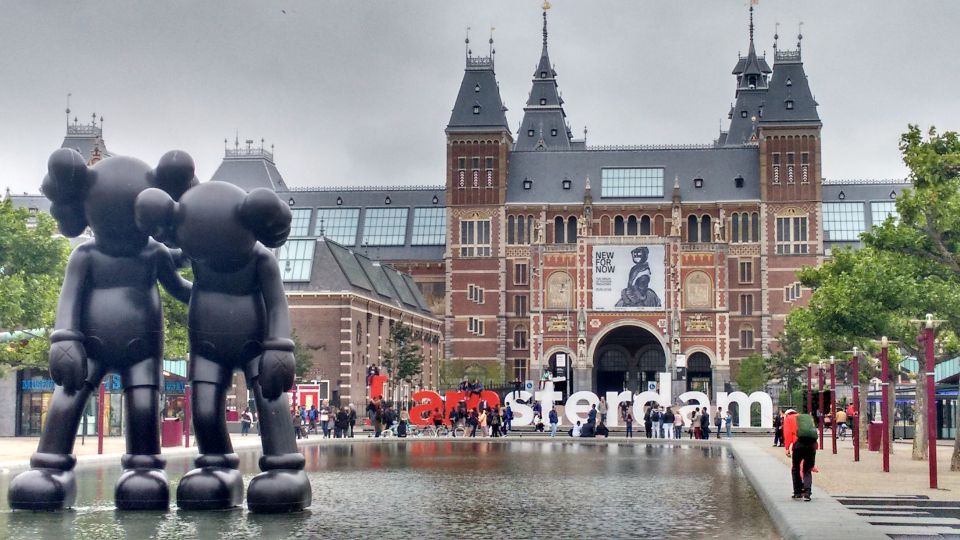
Even if you’ve already seen photos of Amsterdam’s core, the tour uses the center as a starting point. You’ll go through the area around big landmarks like Dam Square and the Royal Palace, and then the mood shifts—because the guide ties the contrast to the city’s policy approach.
Dam Square is where you feel the public face of the city: the official, daylight version of Amsterdam. The Royal Palace area reinforces that feeling. But the tour doesn’t stop at “pretty buildings.” It uses these spaces to frame the larger story: Amsterdam’s permissive attitude didn’t come from nowhere. The guide connects the city’s politics and social thinking to the practical rules you hear about later on the route.
If you’re arriving in Amsterdam and want an intro that helps you place everything you’ll see over the next few days, this kind of opening is useful. It’s not just orientation for your feet—it’s orientation for how to interpret the signs, the behaviors, and the boundaries.
Old Church Stop: A Landmark Used for Bigger Explanations
You’ll also see the Old Church as part of the walk. Since the tour aims to explain history and culture rather than just architecture, this stop functions like a pause button. It’s where the guide can step back from the street-level details and give you context—why Amsterdam’s approach works the way it does, and how sex work and drug policy became part of the city’s modern identity.
This is also where you’ll likely notice the guide style. The tour info and guide feedback point to guides who answer questions and keep the pace manageable, which helps on a subject that can feel emotionally charged. The Old Church stop gives the narrative room to breathe before you head into more direct, alternative-scene territory.
Condomerie: When Amsterdam Treats Sex as Public Conversation
One of the more distinctive stops is the Condomerie. It’s included for a reason: this tour is about Amsterdam’s attitude toward sex, not hiding it behind curtains.
At this point in the walk, you’re moving from general policy talk into the cultural signals Amsterdam sends. The tour description explicitly mentions learning about the legalization of prostitution and how it shaped the Red-light District. It also highlights the “sex industry” and the reality of working in it. Stops like this tend to make that conversation feel less abstract, because you’re standing in a place the city itself uses as a reference point.
I like that the tour doesn’t pretend sex and drugs are simple topics. You’ll get a guided explanation of complicated issues, including how the guide frames them for clarity while still acknowledging the human side.






Coffeeshops and Soft Drugs: What’s Meant by Permissive Laws
The tour spends time on Amsterdam’s drug regulations and the story behind coffeeshops. You’ll learn about the history and origins of coffeeshops and hear how soft drugs are used—and discussed—within the Netherlands’ framework.
This matters because Amsterdam’s reputation can mislead you. People often reduce the topic to one sentence. The tour tries to replace that with actual explanation: how permissive laws operate in real life and what those choices aim to achieve. Since the guide also discusses the use and manufacturing of soft drugs (as stated in the tour outline), you’re not stuck with a myth-based version of the story.
A practical tip: if you’re the type who asks questions, this tour is set up for that. The guide is there to answer, and the best guides on this route are praised for doing exactly that in a friendly, engaging way. You don’t have to guess what you’re seeing outside coffeeshops later—you have a clearer baseline.
Red-light District Reality: Legalization, Work, and the District’s Shape
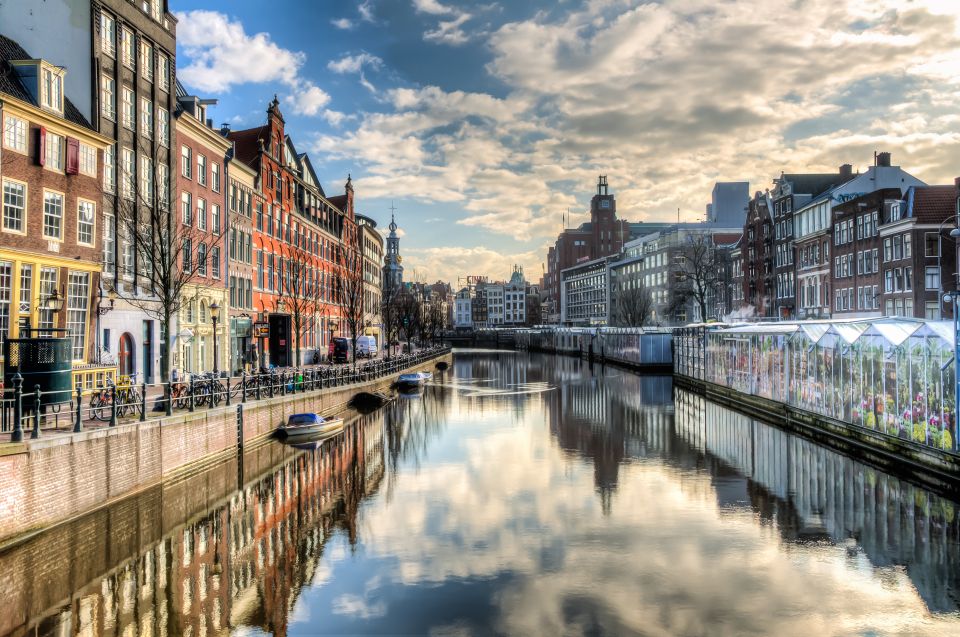
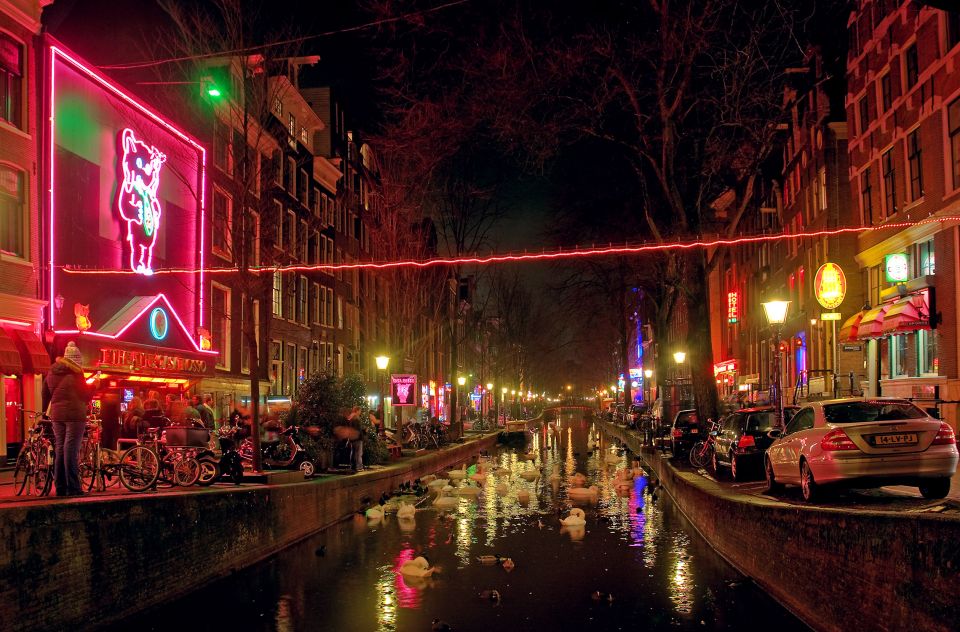
The main focus is the Red-light District, and the tour explains how it operates over time after prostitution was legalized in the Netherlands. The guide discusses the history of the district and shares what it’s like to work as a prostitute, plus insights into the complex issues surrounding prostitution in Amsterdam.
This is the part that sets the tone for the whole tour. It’s not framed as shock value. It’s framed as social policy and real human impact. The tour description is honest about that: your guide will address the “complex issues,” and you’ll get answers instead of rumor.
One small clue about how the tour feels comes from guide-specific feedback. Guides are described as calm and well-prepared, including one situation where a group member got tipsy and tried to drift behind; the guide reportedly stayed focused and kept the group together. On a walking tour through adult areas, that kind of steadiness matters. It helps you feel like the tour is controlled, not chaotic.
Off-the-Beaten Streets: Where You Learn What Locals Actually See
The tour includes sites known only to locals. That line can sound marketing-ish, but here it’s pretty important. If you’ve walked Amsterdam before, you know the city can look like a postcard even when you’re missing the context. This tour tries to give you that missing layer by leading you into winding streets and alleyways where the alternative scene feels less like a set and more like a neighborhood.
These off-track moments are where the local perspective clicks. The tour highlights learning through a local’s eyes, and the guide’s job is to connect your “Oh, that’s there” moment to why it exists and how it’s understood in Amsterdam.
If you like walking tours where you stop often and talk as much as you look, you’ll likely enjoy this. If you want only photo stops and quick checkmarks, you might feel it’s more discussion-heavy than you expect.
Guide Quality: When Martin, Jesse, David, or Stan Leads
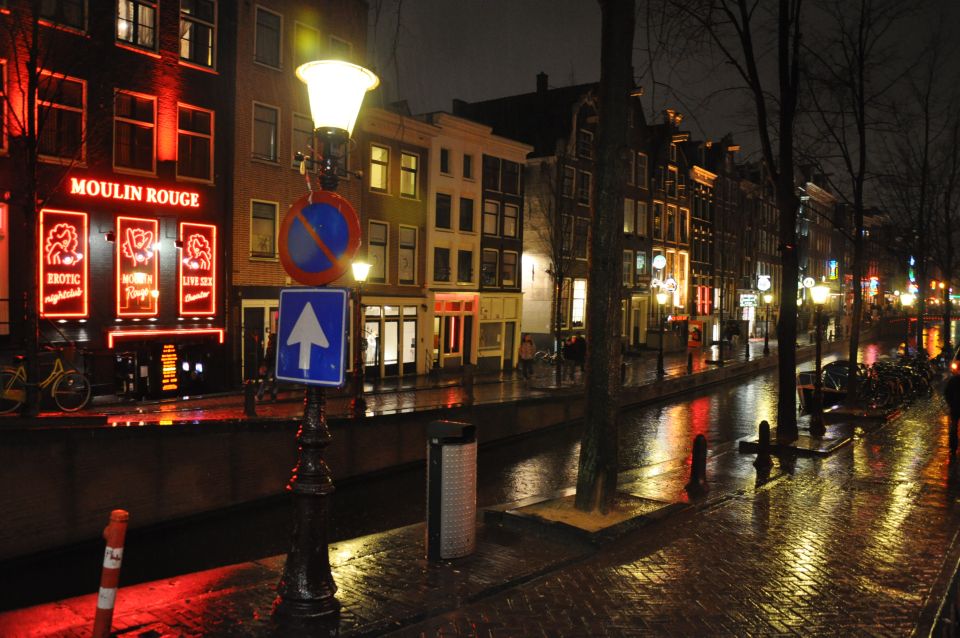
A big part of whether a tour like this lands well is the guide. Here, the guide feedback is strong: people mention that guides are engaging, informative, and good at answering questions.
Some guide names show up repeatedly in the feedback:
- Martin is described as very informative and awesome, with strong engagement.
- Jesse is called out for being informative and using clever, witty humor while still sharing deep historical knowledge.
- David is praised for giving highlights and adding a personal angle through his family history in the area.
- Stan is credited with sharing knowledge about sex workers, coffeeshops, and how the Red-light District works.
You’ll also see praise for pacing. One write-up notes a tour that was well paced, and another emphasizes that it’s easy to digest—exactly what you want for an intro day. When the guide keeps the story clear, the topics become easier to process, not harder.
What to Bring (and What to Expect from the Walking Pace)
This tour is 2 hours, and it’s built around walking through alleyways and city streets. You’ll want comfortable shoes and comfortable clothes, plus water. That’s not “nice to have”—it’s how you make sure the conversation stays enjoyable rather than turning into a sore-feet countdown.
The tour isn’t suitable for people with mobility impairments, so plan accordingly. Also, because the route includes adult-themed subject matter, you may want to keep your expectations flexible. This is a learning experience with real-life topics, not a themed party.
Who This Tour Fits Best—and Who Might Want a Different Option
You’ll probably love this tour if:
- You’re curious about how policy shapes daily life.
- You want a practical introduction to Amsterdam’s alternative scenes.
- You’re comfortable discussing sex work and drug laws in a guided, explanatory format.
- You like question-and-answer tours, not just one-direction talking.
You might skip it if:
- Adult topics make you uncomfortable.
- You want a more traditional sightseeing route with minimal sensitive content.
- You need an accessible tour format for mobility needs.
Should You Book This Amsterdam Sex, Drugs, and Freedom Tour?
I’d book it if you want a quick, guided way to understand Amsterdam beyond the stereotypes. The best reason is the combination: you get the coffee-shop angle, the prostitution legalization story, and the Red-light District explanation, all wrapped into a focused 2-hour walk that includes major landmarks and lesser-known streets.
It’s also a strong first-stop tour when you’re new to the city. You’ll leave with a clearer map in your head—where things are, what you’re looking at, and why Amsterdam treats these subjects so differently than many other places.
If you’re easily put off by adult content, you might choose a different type of tour. But if you’re here for context and real answers, this one is built for you.
FAQ
How long is the Amsterdam Sex, Drugs, and Freedom walking tour?
It lasts 2 hours.
What is the price per person?
The price is listed as $31 per person.
What is included in the ticket?
The tour includes a 2-hour expert-guided walking tour.
Is food or drinks included?
No. Food and drinks are not included.
What language is the tour guide available in?
The live guide is available in Spanish, Dutch, English, and German.
Where is the meeting point?
The meeting point may vary depending on the option you book.
What should I bring?
Bring comfortable shoes, water, and comfortable clothes.
Is the tour suitable for people with mobility impairments?
No, it is not suitable for people with mobility impairments.