REVIEW · AMSTERDAM
Humans of Amsterdam – Small group cultural walking tour
Book on GetYourGuide →Operated by Who Is Amsterdam Tours · Bookable on GetYourGuide
Forget postcard Amsterdam; meet the people instead. This 4-hour small-group walk takes you past the usual facts and into Amsterdam’s real conversations, with two paid meet-and-greets that turn the city into something personal. I love how the tour connects major sights to living voices, and I love that it includes places you wouldn’t just wander into on your own.
One thing to weigh: the two locals you meet depend on availability, so your “who” may not match someone else’s perfect lineup. And at $152, it’s priced like an experience, not just a sightseeing walk—so you’ll want to show up ready to talk and ask questions.
In This Review
- Key takeaways before you go
- Standing at Homomonument, right where the story starts
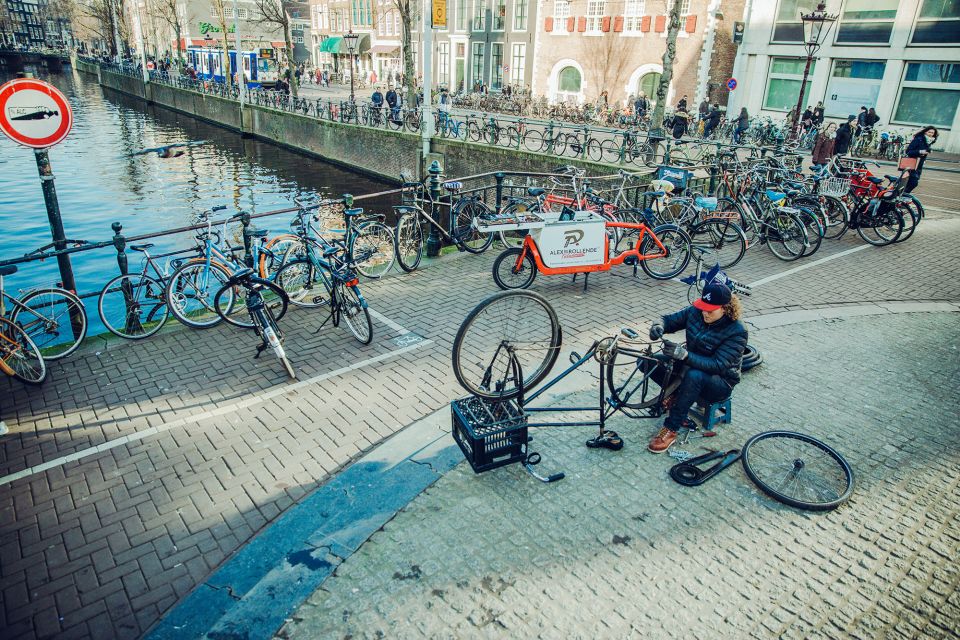
- The walking route: Canal Belt, De Jordaan, Dancing Houses, and Red Light District
- Why the locals matter more than the sightseeing
- Coffeeshop time: culture, context, and smart questions
- A mind-bending local shop and the 200-year-old brown cafe apple pie break
- Meeting two locals: how to choose questions and not just collect facts
- Ending at an honest bar: the social finale that makes it stick
- Price and value: $152 for 4 hours, but what you’re really buying
- Practicalities: pace, weather, and who should skip it
- Should you book Humans of Amsterdam?
- FAQ
- What is the duration of the Humans of Amsterdam small group cultural walking tour?
- How big is the group?
- Where does the tour meet?
- Is the tour rain or shine?
- What’s included in the tour price?
- Do you meet the same two locals every time?
- Is the tour suitable for seniors or people with mobility needs?
Key takeaways before you go
- Two paid meet-and-greets with locals: you get time to ask questions, and the locals are compensated for it.
- A tight group (max 8): you’ll hear more, react more, and feel less like you’re following a human playlist.
- Amsterdam beyond kitsch trivia: canal-belt views and famous streets come with stories tied to real life topics.
- Coffeeshop + mind-bending local shop: the tour mixes cultural context with places that shape Amsterdam’s vibe.
- Apple pie break in a 200-year-old brown cafe: comfort food stops are built in, not an afterthought.
- End with a toast at the city’s most honest bar: the finale is social, not rushed, and you’ll leave in a better mood than when you started.
Standing at Homomonument, right where the story starts
The tour meets at the Homomonument (Westermarkt, 1016 DD Amsterdam), a short walk from the Anne Frank House. If you’re arriving from the center of town, this is a smart starting point: it’s central, easy to find, and it sets a thoughtful tone before you even begin walking. You’ll see the big church called the Westerchurch, and behind it is the Homomonument triangle coming out from the ground.
Your guide is there about 5 minutes early, waiting at the triangle. One day before, you’ll get an email with the guide’s name and a picture, which helps you spot them quickly instead of doing that awkward group-squint near landmarks.
This is also a practical kind of beginning. You don’t have to figure out where to start, and you can start mentally shifting from what to see to why Amsterdam feels like Amsterdam.
You can also read our reviews of more walking tours in Amsterdam


The walking route: Canal Belt, De Jordaan, Dancing Houses, and Red Light District
This is a city-centre walk designed to hit Amsterdam’s most recognizable areas in about 4 hours. You’ll cover roughly 8,500 steps, with two rest stops built in, so plan for a steady pace rather than a slow stroll.
Here’s the big-picture route you should expect:
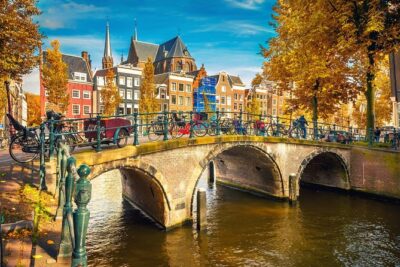
- The Canal Belt scenery that makes Amsterdam look like a postcard
- De Jordaan, one of the city’s most distinctive neighborhoods
- The Dancing Houses area, where the buildings tilt and lean like the city can’t help being dramatic
- The Red Light District, where Amsterdam’s history, rules, and modern reality all collide in one blocky space
The important part isn’t just that you see these places. It’s how you move through them. The guide uses personal stories and local viewpoints to give you context for what you’re looking at—so the canal belt stops don’t feel like a checklist, and the more sensitive areas don’t feel like a spectacle.
If you’re worried about feeling uncomfortable during the Red Light District portion, you’re not wrong to think about it. Just note that the tour is structured around discussion and understanding, not shock value. Still, this is an adults-only experience by design, with the stated minimum age of 18.
Why the locals matter more than the sightseeing
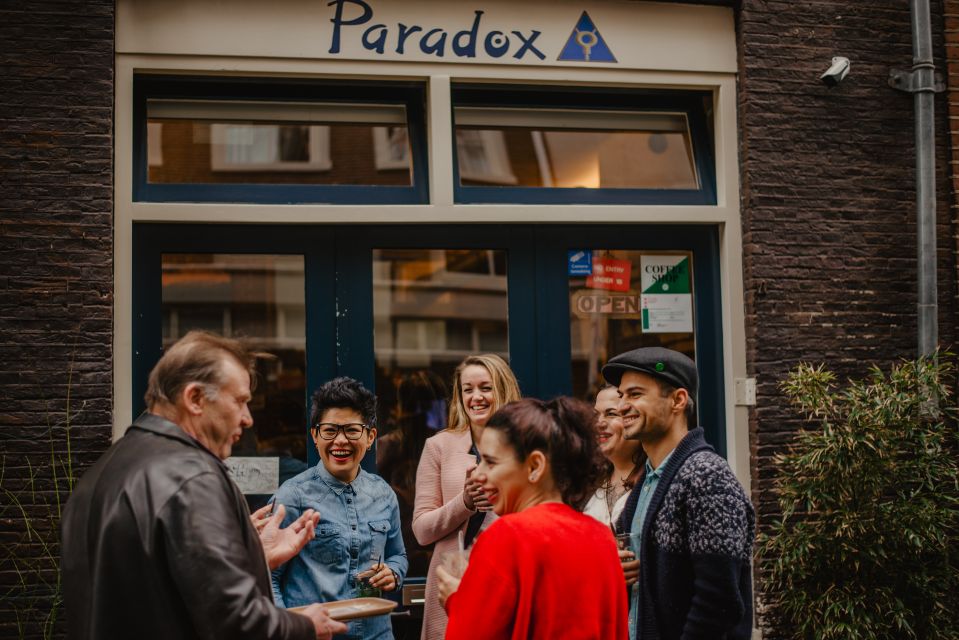
The heart of this tour is the meet-and-greet format. You’ll meet two locals who share their stories and answer questions, and the tour says locals are paid for their time. That changes the energy. People don’t just “perform” a role; they have a reason to be there, and they’re not racing to disappear after a few minutes.
The locals you meet can include types like:
- a coffeeshop owner
- an entrepreneur with a quirky business
- a sex worker
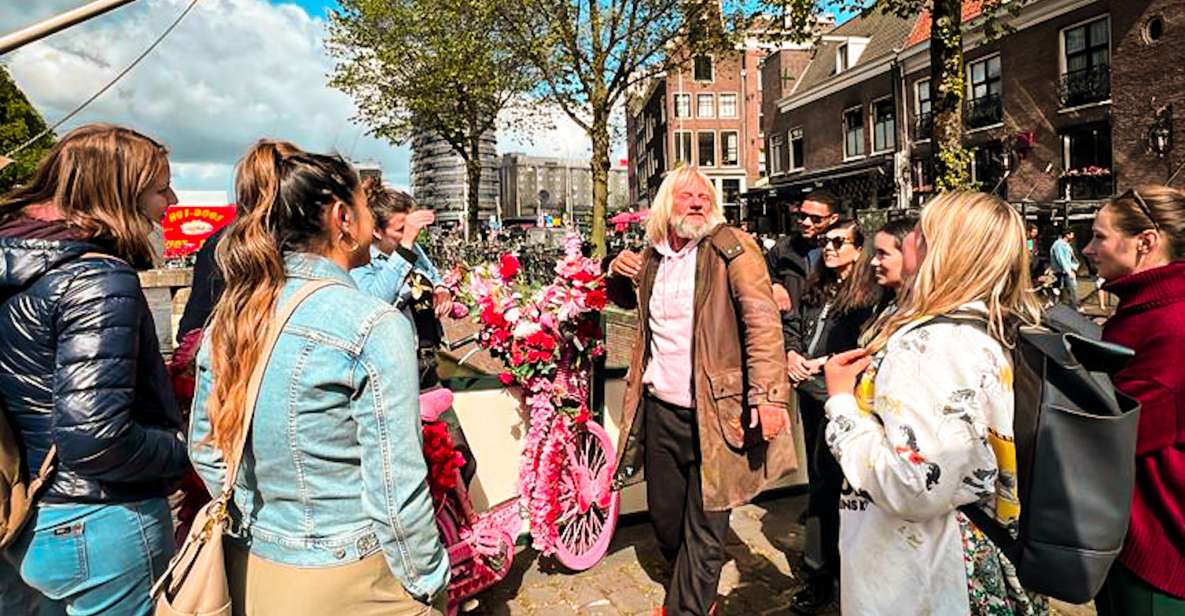
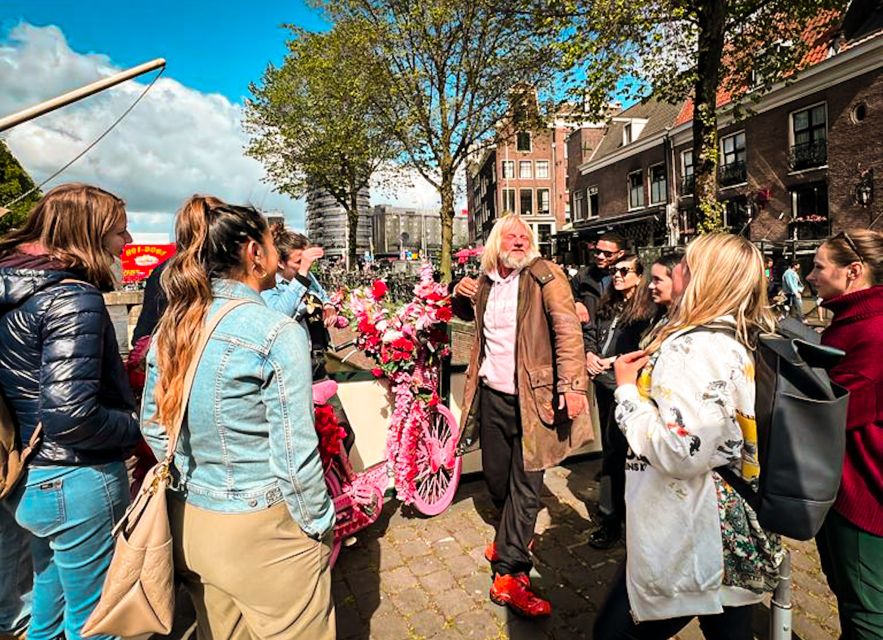
- Amsterdam’s flower bike man
And there may be other people in that same spirit, depending on availability.
This is the part I think you should care about most, especially if you’ve already seen the big monuments on other trips. Amsterdam can feel like a set of images until you hear how people actually talk about daily life, rules, identity, commerce, and community. Two short conversations can do more than a dozen museum labels.
You also get a chance to ask your questions. That’s a big deal because Amsterdam’s topics don’t always fit neatly into guided-script answers. If you want to know what it’s really like to live here—living costs, social norms, attitudes toward risk and freedom, how neighborhoods have changed—this is the format that gives you a shot at direct answers.
In one recent run, a guide named Adam stood out for being witty, bright, knowledgeable, and kind. That kind of tone matters because the tour asks you to engage, not just observe. A relaxed, quick-thinking guide helps the walk feel like conversation with structure.
Coffeeshop time: culture, context, and smart questions

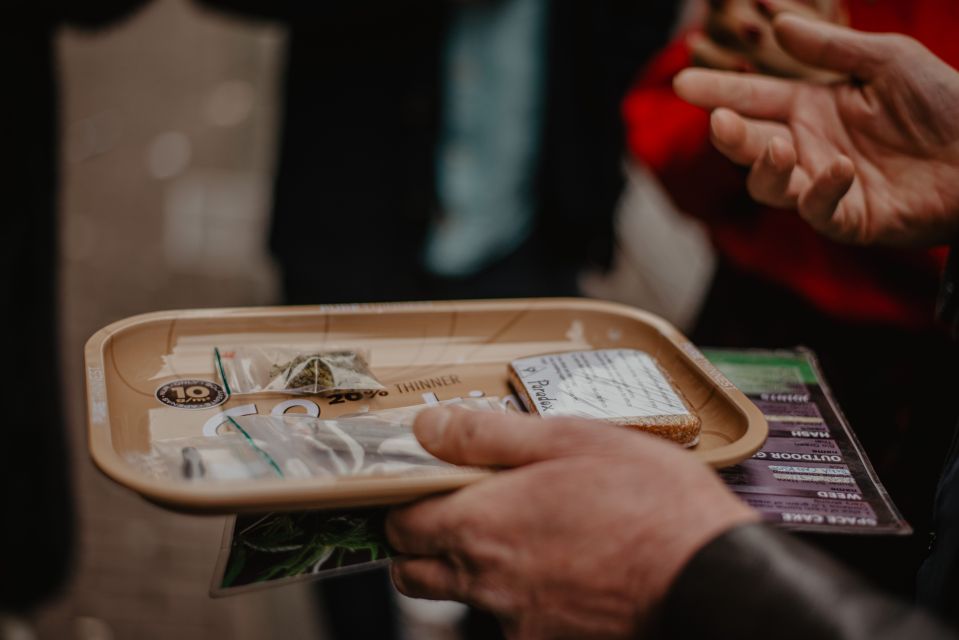
One stop is a coffeeshop—and yes, that matters in Amsterdam. This isn’t presented as a party activity. It’s framed as a local space with culture around it, which is exactly why a guided visit works better than wandering in cold.
You can also expect the guide to connect the coffeeshop to broader themes the tour is exploring. That might mean talking about regulation, everyday habits, and how visitors and locals interpret the same place differently.
Also watch the age rule. The tour states no alcohol will be served to adults younger than 18, and the minimum recommended age is 18. If you’re traveling as a couple and one of you is under or barely around that threshold, you’ll want to double-check how the group handles it.
If you want to get something out of this stop beyond curiosity, come with questions you can ask politely and clearly. The best question is one that starts with what you’re seeing and then asks what it means in local life.
A mind-bending local shop and the 200-year-old brown cafe apple pie break
Between the neighborhood walking and the conversations, the tour includes a couple of “reset and taste” moments.
First, there’s a mind-bending local shop stop. You shouldn’t expect this to be a generic souvenir stand. The wording here points to a place designed to change how you think—maybe with products, designs, or ideas that feel very Amsterdam in their own way. The practical win: you’ll get a break from walking while still staying in the culture loop.
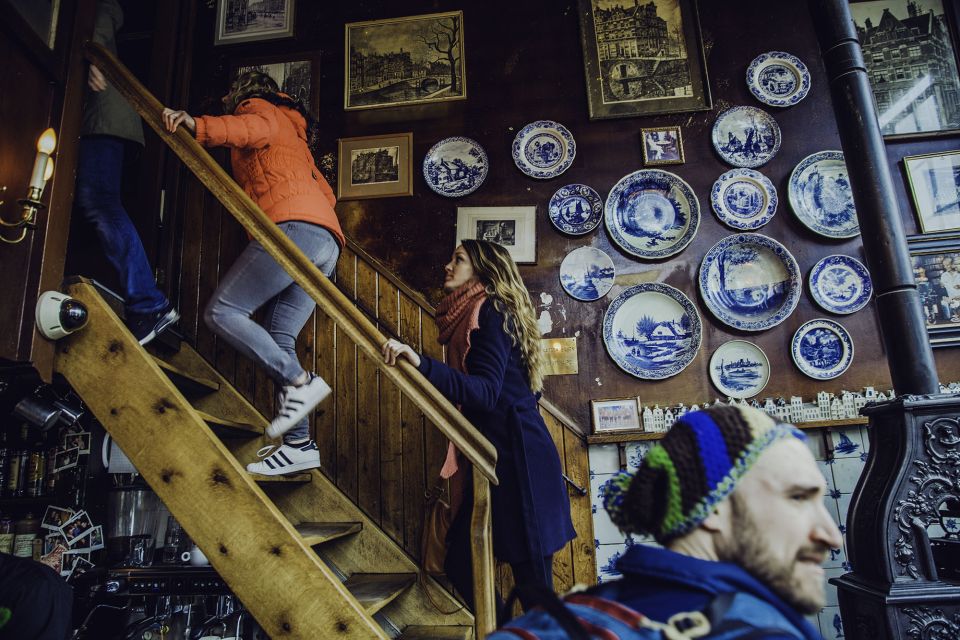
Next comes one of the most comfort-forward parts of the experience: a slice of apple pie at a 200-year-old brown cafe. Brown cafes are a classic Amsterdam category—warm, wood-heavy, and built around the feeling of a place where people actually meet. The tour pairs the pie with a drink choice: coffee, tea, soft drink, wine, or beer alongside your slice.
This is the best time to slow down and let the earlier stories settle. After a bit of city-watching and talk, you’ll be glad there’s food planned in, not only promises of finding something on your own later.
If you have dietary needs, the tour details provided don’t specify options beyond the drink list. So it’s smart to plan ahead and be ready to order within the café’s available offerings.






Meeting two locals: how to choose questions and not just collect facts
This tour’s style is built around Q&A. That means you’ll get the most value if you go in with intentions.
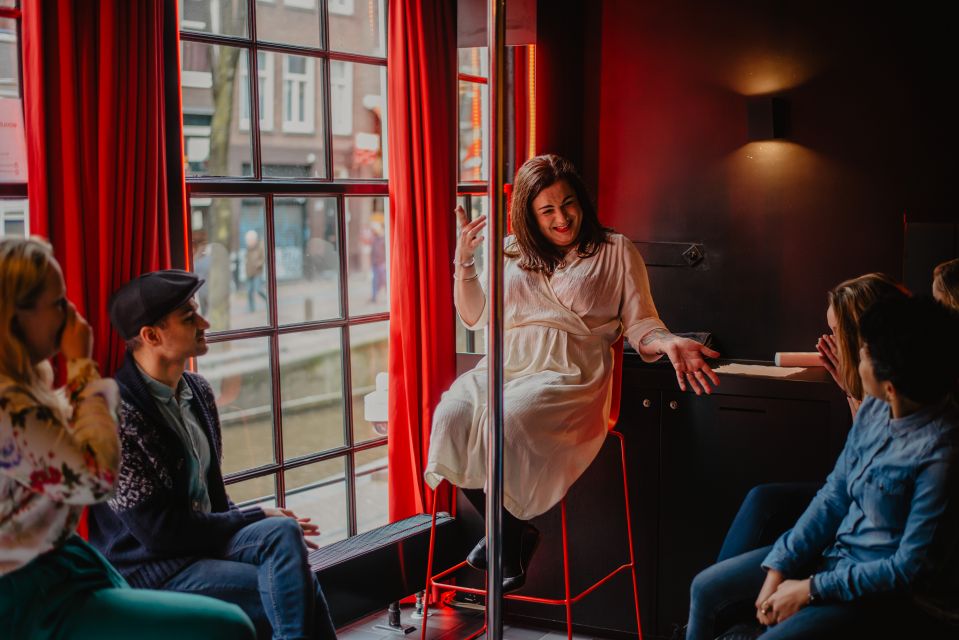
When the tour says you’ll meet two locals, you should think of it like two “windows” into Amsterdam rather than a factory line of personalities. The people can include a sex worker and a coffeeshop owner-type, plus other roles tied to Amsterdam life. But your exact lineup depends on availability, which is why you might meet different people than someone else.
The payoff is that each conversation can connect back to the sights you’ve seen:
- Canal-belt charm connects to how neighborhoods protect their identity
- De Jordaan connects to how local streets feel day to day
- The Red Light District connects to rules, history, and how people navigate reputations
- Even a quirky business can connect to Amsterdam’s attitude toward creativity and risk
My advice: ask questions you’d genuinely want answered if Amsterdam were your home base for a year, not your vacation memory for a week. The guide and locals are paid for time and conversation—so treat it like a real meeting, not a speed-run.
Ending at an honest bar: the social finale that makes it stick
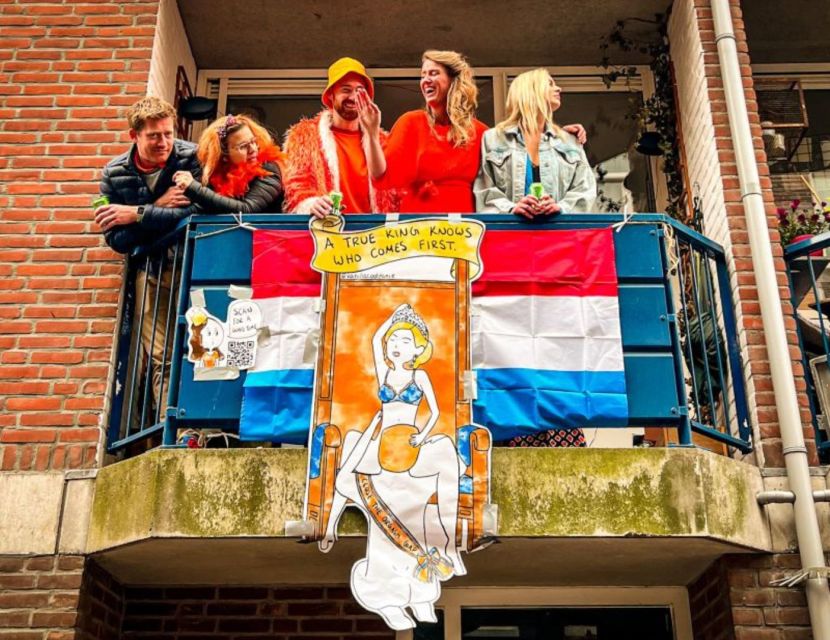
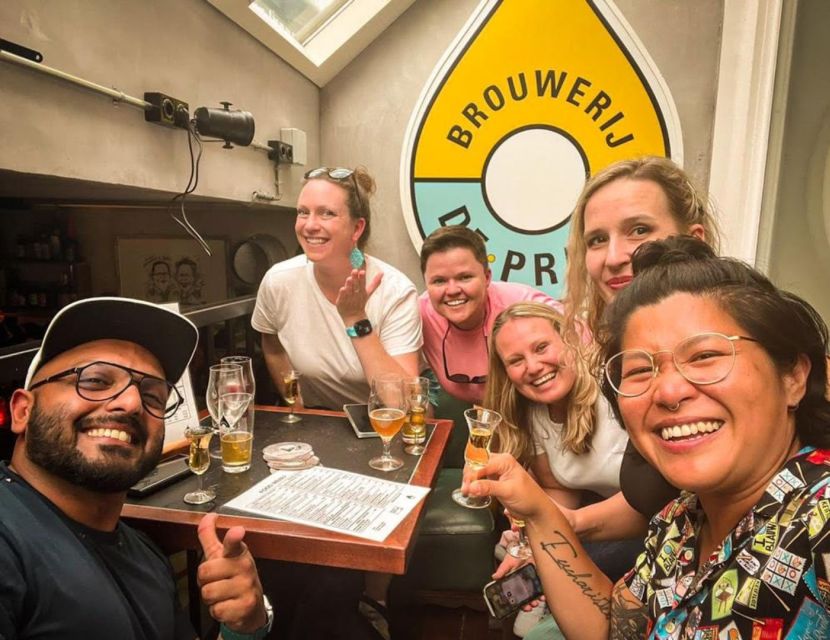
The tour finishes with a toast at Amsterdam’s most honest bar, plus a refreshing local craft beer (with other options available). The stop is described as an “end with a toast” experience, which usually means you’ll leave feeling like you closed the loop on the stories you heard earlier.
This is a nice strategy for turning information into a memory. A final drink doesn’t change the facts, but it helps you relax after the walking and makes the group feel more connected—even with only up to 8 participants.
If you’re someone who usually avoids group tours because you don’t want to sit through awkward small talk, this format tends to work better. The conversation is already threaded through the walk, so the final toast doesn’t feel forced.
Price and value: $152 for 4 hours, but what you’re really buying
At $152 per person for 4 hours, this tour isn’t trying to be the cheapest way to see Amsterdam. The value comes from what’s bundled in.
Here’s what your money covers based on the tour details:
- a small group capped at 8
- a live English guide
- visits to a coffeeshop, a mind-bending local shop, a 200-year-old brown cafe, and an “honest bar”
- an apple pie slice plus a drink
- a craft beer option at the end (other drinks are available)
- the biggest value driver: two meet-and-greets with paid locals
That last part is what makes the price feel more defensible. You’re not paying only for commentary; you’re paying for access to people who take time to talk with you. And because locals are paid, it’s also built to be more sustainable than the usual free-host volunteer model.
If you’re the kind of traveler who wants photos and angles only, you might decide it’s expensive for what is, ultimately, a walk. But if you want Amsterdam to make sense—through people and stories—this is one of the most direct ways to get there without turning it into a lecture.
Practicalities: pace, weather, and who should skip it
This tour runs rain or shine, so dress for the weather. That’s not just a line; it matters because you’ll be outside moving between neighborhoods. Bring layers you can adjust quickly.
The tour involves a meaningful walking day with about 8,500 steps and two rest stops. If you’re fit and used to city walking, it should feel manageable for a half-day.
However, the tour is not suitable for:
- people with mobility impairments
- wheelchair users
- people over 70
Also note it’s not an all-day wandering experience. You’ve got a clear arc from central landmarks to neighborhood highlights and then a food-and-drink finish.
Should you book Humans of Amsterdam?
If you’re visiting Amsterdam for the first time and want a day-one reset, I’d lean yes. The tour’s strongest moments are the local meet-and-greets and the way the guide ties stories to the big sights like the Canal Belt and De Jordaan. The tone in the recent feedback is consistently positive about guides who bring energy and keep the conversation moving—Adam is one example people named as witty, kind, and engaged.
Book it if:
- you like asking questions
- you want more than “top 10 facts”
- you’re curious about how Amsterdam actually works through real voices
- you want a small-group experience that doesn’t feel like a herd
Consider skipping or swapping tours if:
- you mainly want classic photo stops with minimal talking
- you’d be disappointed if the two locals aren’t exactly who you hoped for (availability matters)
- you’re price-sensitive and want to spend your money on museums or longer paid experiences instead
FAQ
What is the duration of the Humans of Amsterdam small group cultural walking tour?
It lasts 4 hours.
How big is the group?
The group is limited to 8 participants.
Where does the tour meet?
It meets at the Homomonument, Westermarkt, 1016 DD Amsterdam, near the Westerchurch and just a 1-minute walk from the Anne Frank House.
Is the tour rain or shine?
Yes, it runs rain or shine, so you should dress for the weather.
What’s included in the tour price?
You get two meet-and-greets with locals, visits to a coffeeshop, a mind-bending local shop, a 200-year-old brown cafe, and an “honest” bar (with special microbrewery). You also get apple pie plus a drink, and a local craft beer is included at the bar stop (other options are available).
Do you meet the same two locals every time?
The tour says who you meet depends on locals’ availability, though the type of people may include roles like a coffeeshop owner, an entrepreneur, a sex worker, or the flower bike man.
Is the tour suitable for seniors or people with mobility needs?
It’s not suitable for wheelchair users, people with mobility impairments, or people over 70.