REVIEW · AMSTERDAM
Rembrandt House & Neighborhood Guided Tour Semi-Private 8ppl Max
Book on Viator →Operated by Babylon Tours Amsterdam · Bookable on Viator
Can you see Amsterdam through Rembrandt? This semi-private tour pairs canal-walk viewpoints with a guided look inside Het Rembrandthuis, so the city feels tied to the artist instead of just calendar stops. I especially liked the way the walk lines up famous sights with Rembrandt-era stories, starting near the Singelgracht and moving through the center. Along the way, you also get quick snapshots of places tied to the UNESCO-designated canal belt.
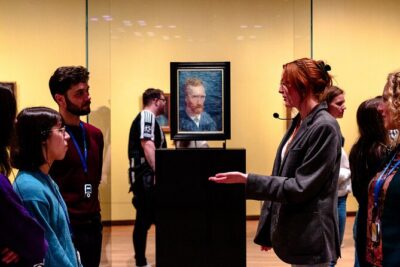
Second, the experience is guided with real attention. In my reading of the tour feedback, the guide name that kept coming up was Jo, and the small group setup means she can give you her focus instead of racing through talking points. The best part for me is that the ticketed museum time is included, so you finish with the “proof” of Rembrandt’s world rather than just hearing about it.
One drawback to keep in mind: this is still a walking tour. It’s not recommended for wheelchair users or people with walking disabilities, and the museum has practical security rules (like bag limits). Also, Rembrandt House can close occasionally; if your delayed entry goes past about an hour, the operator says they may not offer refunds or discounts.
Key things I’d plan around
- Max 8 people keeps the guide’s attention on your group instead of the usual herd feeling.
- Rembrandt House entry is included, so you’re not juggling extra tickets mid-day.
- UNESCO canal belt viewpoints show up early, not as an afterthought.
- Night Watch symbolism appears in public monuments before you see Rembrandt’s personal studio setting.
- Museum security is strict: bring a handbag or small thin bag, not a bigger backpack.
In This Review
- Meeting at Cobra Café and How the 2.5-Hour Flow Feels
- Spiegelkwartier: Singelgracht and Spiegelgracht Canal Views With Meaning
- Keizersgracht: The Emperor’s Canal Is Wider Than You Expect
- Museum Van Loon Stop: A Rembrandt Student Connection You’ll Actually Remember
- Bloemenmarkt and Munttoren: The Flower Market Meets Medieval Gate History
- Rembrandtplein and the Night Watch Bronze Trail
- Along the Amstel: Skinny Bridge and the Blue Bridge Story
- Stopera: City Hall and Dutch National Opera & Ballet in One Building Complex
- Jodenbuurt: Walking the Former Jewish Neighborhood
- Het Rembrandthuis: The Included Museum Time That Makes It Worth It
- Price and Value: Is $159.21 Reasonable for This Mix?
- Who Should Book This Tour (and Who Should Rethink It)
- Should You Book Rembrandt House & Neighborhood Semi-Private?
- FAQ
- Is the tour in English?
- How long is the Rembrandt House & Neighborhood guided tour?
- What’s the group size limit?
- Where do I meet, and what time does it start?
- What’s included in the price?
- Are there any restrictions for the museum bag policy?
- Is the tour wheelchair accessible?
Meeting at Cobra Café and How the 2.5-Hour Flow Feels
The tour starts at 1:30 pm at Cobra Café, Hobbemastraat 18. It ends at Rembrandt House Museum, Jodenbreestraat 4, so you can plan to go onward from the museum area after you wrap up.
It runs about 2 hours 30 minutes, and it’s designed to work rain or shine. You’ll have a professional guide for your group, and the group limit is 8 people, which changes the tone. Expect a mix of short walking segments and brief stop-and-look moments, then a longer museum visit at the end.
A couple practical notes matter here. There’s no hotel pickup or drop-off, so plan to get yourself to the meeting spot (Uber/taxi is mentioned as a good option). And the tour asks for your mobile phone number with country code, which is common for last-minute coordination.
Spiegelkwartier: Singelgracht and Spiegelgracht Canal Views With Meaning
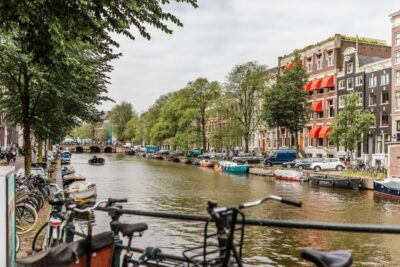
After meeting at Cobra Café, the walk heads toward Singelgracht, the canal that once formed outer defenses of central Amsterdam. This is one of those moments where canal names turn from random signage into a real city map. If you’re the type who likes understanding how the city worked, this is a strong starting thread.
Next you move to Spiegelgracht, a canal in the center of Amsterdam that’s part of the Canals of Amsterdam UNESCO World Heritage Site. During this stop, you’ll see art galleries and antiques nearby—so you’re not just staring at water, you’re getting a sense of how the canal-side streets function today.
Admission isn’t required for these canal-view moments, so you’re spending time on orientation and visual context. I like this order: you get your bearings while you’re still fresh, then the Rembrandt portion lands with more impact later.
You can also read our reviews of more guided tours in Amsterdam



Keizersgracht: The Emperor’s Canal Is Wider Than You Expect
From there, you’ll see the Keizersgracht, also called the Emperor’s Canal. The name comes from Emperor Maximillian of Austria, and it’s described as the widest of the three main canals in the inner city.
Even if you already know Amsterdam has canals, this is useful because it teaches you how locals—and historians—classify them. When the guide calls out names and relative sizes, you start noticing the city’s structure instead of just taking photos.
This portion is time-light (about 10 minutes as listed), so use it to look around. Watch how the buildings line up, notice where the street-canal rhythm changes, and get a feel for distances before you head deeper into the center.
Museum Van Loon Stop: A Rembrandt Student Connection You’ll Actually Remember
The tour then passes Museum Van Loon, described as a canalside house on the Keizersgracht. Here’s the Rembrandt link that makes this worthwhile: it’s known to be the house of Ferdinand Bol, Rembrandt’s favorite pupil.
Your visit here is not the full museum admission (it’s noted as not included), so think of it as a contextual stop. The value is in connecting a landmark to a real artist relationship. If you’re a Rembrandt fan, you’ll likely keep Bol in mind once you see how much “the Rembrandt world” includes his studio circle—not only the master himself.
Bloemenmarkt and Munttoren: The Flower Market Meets Medieval Gate History
Then comes Bloemenmarkt, the famous flower market area. It’s fast-moving and seasonal-energy kind of browsing, but it’s also where you see the Munttoren, nicknamed the Mind Tower.
The key detail: the Munttoren was originally part of one of Amsterdam’s main medieval city gates. That one fact can change how you look at the tower. Instead of treating it like a decorative landmark, you realize it used to be a functional checkpoint in the older city wall system.
Admission isn’t listed for these stops, and the time is short. The practical strategy: if you want photos, pause quickly, capture your shot, then keep moving. Market areas can get crowded, and the tour is built to keep a steady pace.
Rembrandtplein and the Night Watch Bronze Trail
Next you’ll reach Rembrandtplein, the square associated with Rembrandt and the Night Watch. The monument here includes a bronze-cast representation of Rembrandt’s most famous painting, The Night Watch, tied to the celebration of Rembrandt’s 400th birthday in 2006.
This is one of the best “bridge” moments in the whole experience. You see the Night Watch in public art form before you go inside the artist’s actual house setting. It helps your brain build a timeline: the painting becomes a symbol you recognize in the street, not only an artwork you’ve seen in a museum.
There are a couple stop entries listed around this area, including a repeat mention of Rembrandt van Rijn en Nachtwacht, but the core experience is the same: you’re being guided to the Rembrandtplein monuments and their meaning. If you’re trying to plan a photo session, this is your best time block.
You can also read our reviews of more private tours in Amsterdam






Along the Amstel: Skinny Bridge and the Blue Bridge Story
Walking continues by the Amstel River, where you’ll pass two bridges: the Skinny Bridge and the Blue Bridge. The Skinny Bridge is described as Amsterdam’s most famous bridge, spanning the Amstel from 1934.
The Blue Bridge isn’t blue at all today, which is a fun detail to remember. It’s named after an earlier wooden blue bridge that crossed the Amstel in the 17th century.
This is a good “human scale” stop in a canal city. It gives you a wider view and helps you feel how Amsterdam’s major waterways connect different neighborhoods. If you like architectural details, keep your eyes on how the bridges relate to surrounding streets and building fronts.
Stopera: City Hall and Dutch National Opera & Ballet in One Building Complex
From the river, you’ll head to Stopera, the building complex that houses both the city hall and the Dutch National Opera and Ballet. The notes highlight that construction took at least 60 years.
Why this matters for your experience: it’s a reminder that Amsterdam’s arts scene is not just in museums. This area shows the city putting culture in major public infrastructure. Even if you aren’t attending an opera or ballet, the building itself gives you a strong sense of how the city prioritizes performance arts.
No admission is listed for the stop itself, and it’s brief, but it’s an efficient, high-signal addition for first-time visitors who want more than just canals and paintings.
Jodenbuurt: Walking the Former Jewish Neighborhood
Next the tour moves toward the Jodenbuurt, the Former Jewish Neighborhood. The information you’re given frames it as an area with historically important buildings that are now preserved and managed by the Jewish Cultural Quarter.
This part of the walk is short, but it’s meaningful. It also changes the mood from “look and learn” to “remember this is real place history.” If you prefer tours that connect art to the people and neighborhoods surrounding it, this stop supports that.
Keep your pace steady and your attention on what’s around you, not only what’s on your phone. It’ll make the final museum time land better.
Het Rembrandthuis: The Included Museum Time That Makes It Worth It
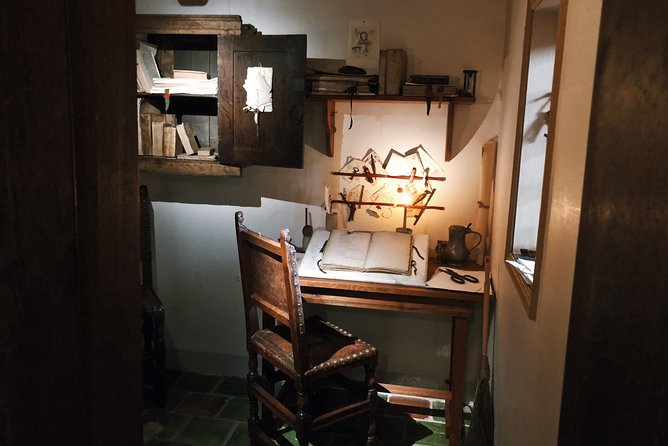
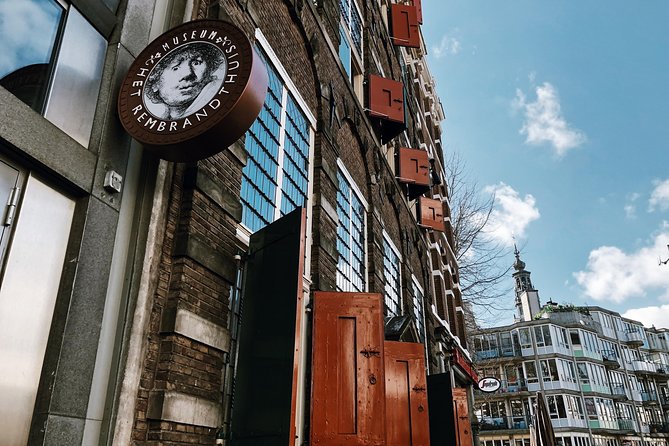
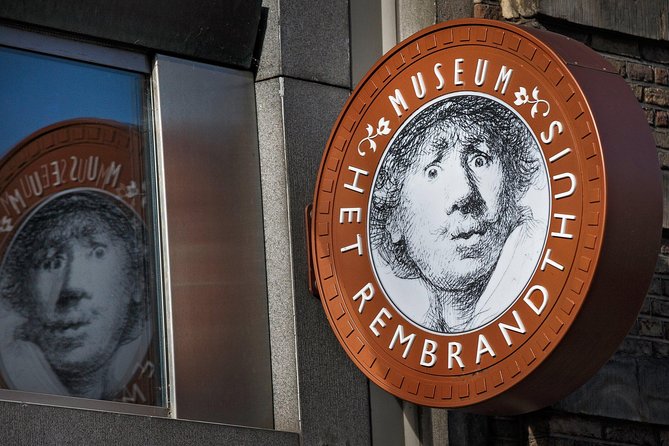
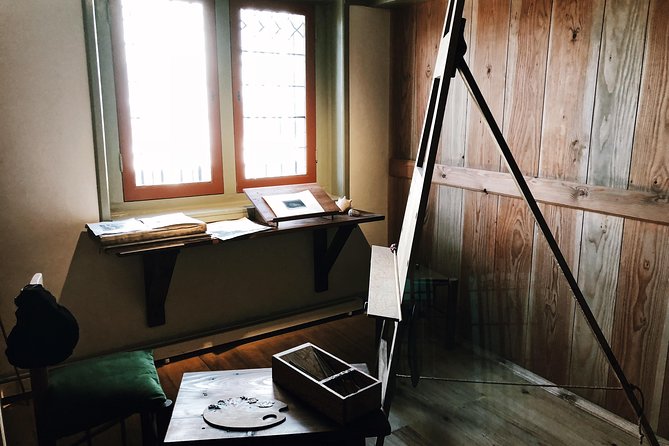
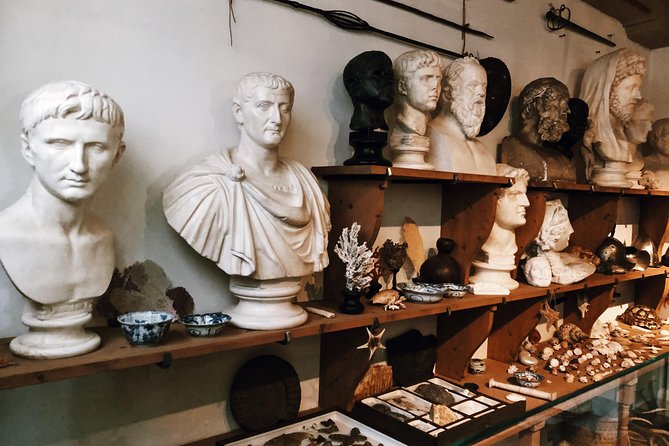
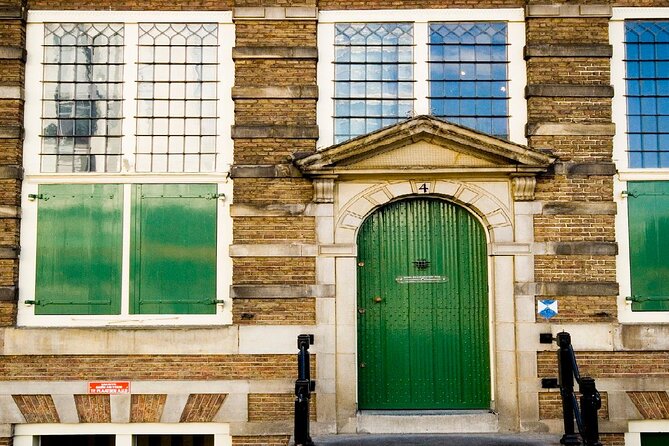
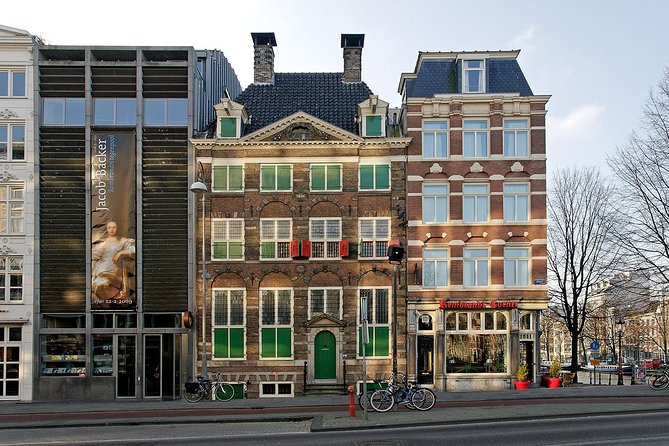
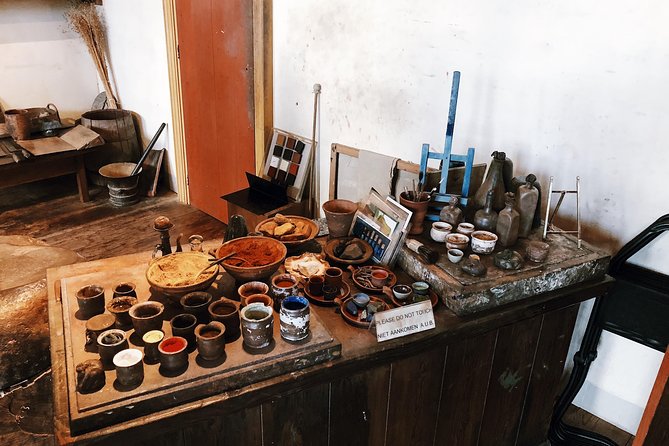
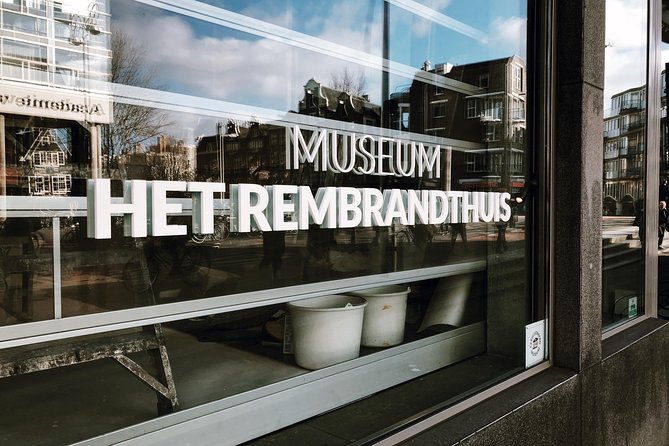
The highlight finish is the tour of Rembrandt’s house, also known as Het Rembrandthuis. Rembrandt lived and worked there between 1639 and 1656, and the museum collection includes Rembrandt’s etchings and paintings of his contemporaries.
This is where the tour justifies itself. The earlier stops give context—canals, monuments, neighborhoods—then the final hour is about stepping into the actual setting tied to Rembrandt’s daily working life.
Practical things to know for the museum portion:
- Entrance is included, so you don’t need extra ticket steps.
- Security is strict: no large bags or suitcases, only handbags or small thin bag packs are allowed through security.
- Some rooms are quiet or restricted for speaking, and the guide is expected to explain where those rules apply before you enter.
- Dress is required for entry at some sites, so keep that in mind if you’re traveling in warm weather.
If you’re choosing between different Amsterdam art options, I like this structure: you don’t just “see Rembrandt,” you see how his work fits into a working home, with the museum focusing on both etchings and paintings of others in his world.
Price and Value: Is $159.21 Reasonable for This Mix?
At $159.21 per person for roughly 2.5 hours, this isn’t the cheapest way to do Amsterdam’s center. But it leans into value through three things you actually feel during the day.
First, it’s a small-group setup with a guide who stays with you the whole time. That’s part of what you’re paying for—more attention, fewer people to manage.
Second, entrance fees are included, and the museum time at Het Rembrandthuis is the core experience. That matters because you’re buying guided access plus a guided museum visit, not only a walking route with optional add-ons.
Third, you get an organized flow through multiple landmark categories—canals, monuments, a preserved neighborhood area, and then the museum. The walk isn’t random; it’s sequenced so the final visit has context.
If you’d rather wander on your own and pick museums based on mood, you might find other options cheaper. But if you want one guided plan that lands Rembrandt in the right Amsterdam framework, this price starts to look fair.
Who Should Book This Tour (and Who Should Rethink It)
This tour fits best if you:
- like art that connects to place, not just famous paintings
- want a small group with a guide who can answer questions
- can handle a moderate amount of walking without trouble
It’s not recommended for people with walking disabilities or wheelchair use, based on the tour guidance. The pace includes several short stops plus a full museum block, so think honestly about your mobility.
If you’re traveling with someone who gets impatient with long museum marathons, the earlier canal/landmark segments can actually help with balance. And if you’re the kind of traveler who gets bored unless the tour explains why something matters, this one tends to do that with Rembrandt-specific connections.
Should You Book Rembrandt House & Neighborhood Semi-Private?
I’d book it if you want Amsterdam through Rembrandt’s lens and you value a guided museum visit that’s not tacked on at the end. The small group size (max 8) and the included museum time are the big reasons to choose this format over a cheaper, bigger-group walk.
I’d skip or reconsider if walking is a challenge for you, or if you’re very sensitive to museum timing. The notes do mention occasional closures at Rembrandt House, and if entry is delayed by more than about an hour, the operator states refunds or discounts aren’t possible in those cases.
If you’re ready for a focused, art-connected day that starts with canal orientation and ends inside Rembrandt’s house, this is a strong pick.
FAQ
Is the tour in English?
Yes, the tour is offered in English.
How long is the Rembrandt House & Neighborhood guided tour?
It’s approximately 2 hours 30 minutes.
What’s the group size limit?
The tour has a maximum of 8 travelers.
Where do I meet, and what time does it start?
You meet at Cobra Café, Hobbemastraat 18, 1071 ZB Amsterdam. The start time listed is 1:30 pm. It ends at Rembrandt House Museum, Jodenbreestraat 4, 1011 NK Amsterdam.
What’s included in the price?
The price includes a private museum tour and walking tour with a professional guide, all entrance fees, and the museum time at Rembrandt House.
Are there any restrictions for the museum bag policy?
Yes. No large bags or suitcases are allowed inside the museum. Only handbags or small thin bag packs are allowed through security.
Is the tour wheelchair accessible?
It’s not recommended for those with walking disabilities or using a wheelchair.