REVIEW · AMSTERDAM
Amsterdam: Queer City Walking Tour With Local Guide
Book on GetYourGuide →Operated by LGBTOUR_Amsterdam · Bookable on GetYourGuide
Dam Square can look like just another stop. Sanne’s Amsterdam Queer City Walking Tour turns it into a living storybook of LGBTQI+ life—and you’ll feel how many of the city’s “big” moments connect to the queer community. I especially love how personal the walk is, with real experiences mixed into queer history (from love stories to singleness in Amsterdam). The one drawback: it’s rain-or-shine and it covers topics that can feel sensitive, including AIDS-era hardship and the Red Light District.
This is a 2-hour stroll through the oldest parts of town, led in English or Dutch by Sanne from LGBTOUR_AMSTERDAM. You start at the National Monument, hit major queer landmarks like the Homomonument and the Condomerie area, and end at the oldest queer bar, Café ’t Mandje. If you want straight-up facts with a human voice attached, this kind of tour is your speed. And yes, you’ll also be pointed at the unicorns on the Royal Palace area—because Amsterdam can’t help being symbolic.
In This Review
- Key things to know before you go
- Starting at the National Monument: Dam Square, controversy, and those unicorns
- Homomonument: the city’s queer memory in stone
- Belle and Condomerie: love stories, AIDS-era necessity, and the politics of survival
- The Red Light District through a queer perspective on Zeedijk Street
- Pride Clothing, Eagle Amsterdam, and the in-between details
- Kokopelli and Dancing Houses: art, identity, and a photo stop that actually earns its spot
- Café ’t Mandje: finishing with a real queer hangout feel
- Price and value: is $59 for 2 hours worth it?
- Who this tour suits best (and who might want to skip it)
- Booking it or skipping it: my straight advice
- FAQ
- How long is the Amsterdam Queer City Walking Tour?
- What does it cost?
- Where do you meet?
- Where does the tour end?
- What languages are offered?
- Is the tour wheelchair accessible?
- Does the tour run in bad weather?
- What should I bring?
- What’s included in the experience?
- What cancellation timing is offered?
- Is there a reserve and pay later option?
Key things to know before you go
- Small group, big stories: you’ll hear personal accounts tied to major LGBTQI+ moments in Amsterdam
- Dam Square to the old queer heart: the route centers on the oldest part of the city and the Red Light District area
- The Condomerie stop matters: you’ll learn why a condom shop emerged during the AIDS crisis
- Pride, protests, and public visibility: the guide connects demonstrations and celebration, including Pride on the canals
- You’ll stop for photos at Dancing Houses and finish at Café ’t Mandje
Starting at the National Monument: Dam Square, controversy, and those unicorns
The tour kicks off at the National Monument at Dam Square. This is a strong choice, because you’re standing in a place that many visitors treat as a background landmark. Sanne uses it as the launching point for queer readings of the city—politics, visibility, and what gets remembered.
Right away, you’ll get a sense that this walk won’t be polite history only. There are controversial stories around how the monument came to be, and the guide frames why monuments often tell only one side of a bigger argument. If you like walking tours that ask you to look twice, you’ll probably enjoy the tone.
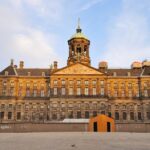
Then comes the symbolic Amsterdam moment: around the Royal Palace area, you’ll spot the unicorn details that are part of the building’s look. It’s a quick stop, but the point is bigger than the decoration. Sanne uses it to show how symbols can carry meaning, and how “queer” isn’t just about one neighborhood—it’s about how people read the city and what they decide to celebrate.
Practical tip: Dam Square can be busy, so give yourself a couple minutes to orient before the group sets off. Wear shoes you can move in for a full 2 hours, because this tour is a walking rhythm more than a sightseeing bus stop.
You can also read our reviews of more walking tours in Amsterdam

Homomonument: the city’s queer memory in stone
Next up is the Homomonument, with about 20 minutes here. The Homomonument isn’t just a marker you pass by. Sanne slows it down and puts it in context, explaining what it represents and why it matters as a public statement.
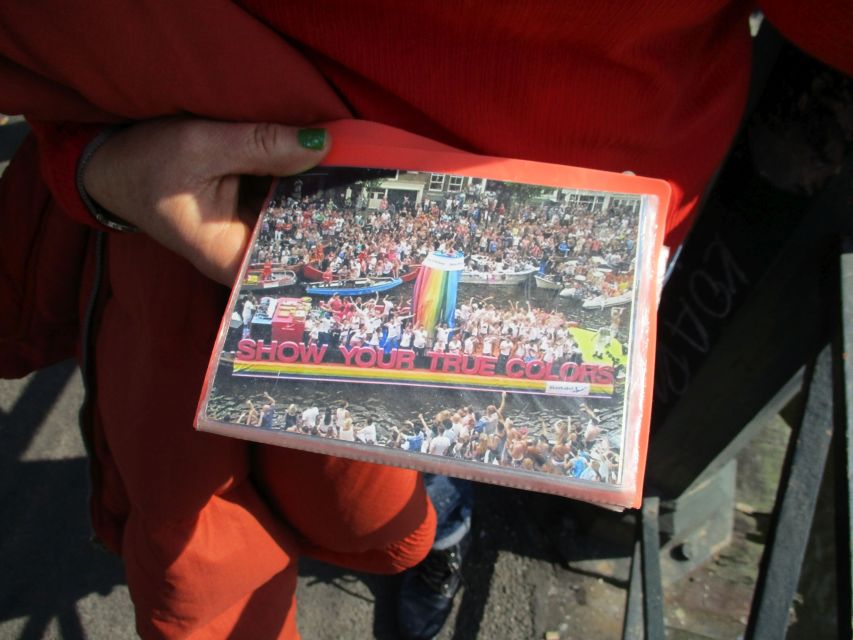
What I like about this stop is how it blends collective memory with lived experience. The guide connects the monument to the idea that queer history isn’t a side note—it’s woven into Amsterdam’s identity. You’ll also hear about Pride and protest culture as part of the same continuing story, not separate worlds.
If you’re the type who likes to understand why a landmark exists (not just what it looks like), this is the right pace. You’ll stand there long enough to actually absorb what you’re seeing and to hear the logic behind the symbolism.
Potential consideration: because the Homomonument is tied to real activism and public struggle, the emotional tone can land harder than a typical “look and learn” stop. If that’s a dealbreaker for you, you might want to keep the tour in mind for a trip day when you can handle a heavier atmosphere.
Belle and Condomerie: love stories, AIDS-era necessity, and the politics of survival
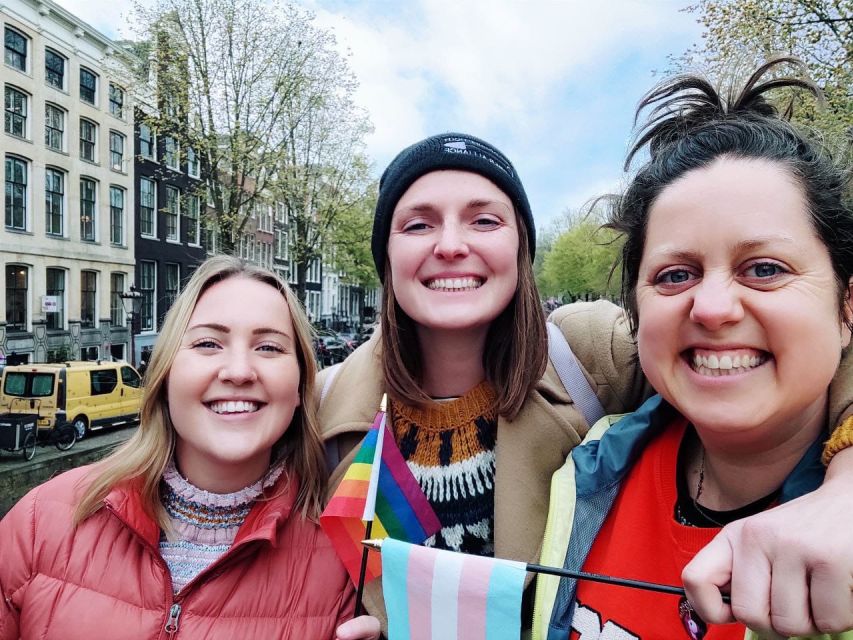
After Homomonument, you move on to Belle for about 10 minutes. Then you hit the Condomerie, also around 10 minutes. These two stops work together like a two-part lesson: one about identity and visibility, the other about practical survival during crisis.
At the Condomerie, you’ll learn a big factual anchor: it’s considered the first condom shop in the world, born out of necessity during the AIDS crisis. That’s not abstract history—it’s a reminder that health, sexuality, and safety were suddenly urgent, and queer communities responded with action. Sanne’s framing helps you see how a simple shop can represent something massive: public health in the face of stigma.
I also appreciate that the guide doesn’t treat this as “old news.” You’ll leave with a clearer sense of how protest and prevention can be part of the same landscape. The tour makes it easier to understand why Pride exists in Amsterdam as more than a party—it’s also about visibility, rights, and refusing to go silent.
Belle, for its part, is more about the personal human side of queer life. Even with limited time, Sanne ties it back to the idea that Amsterdam’s queer story isn’t only about famous events. It’s also about what people experienced day to day: love, being seen, and living with uncertainty.
The Red Light District through a queer perspective on Zeedijk Street
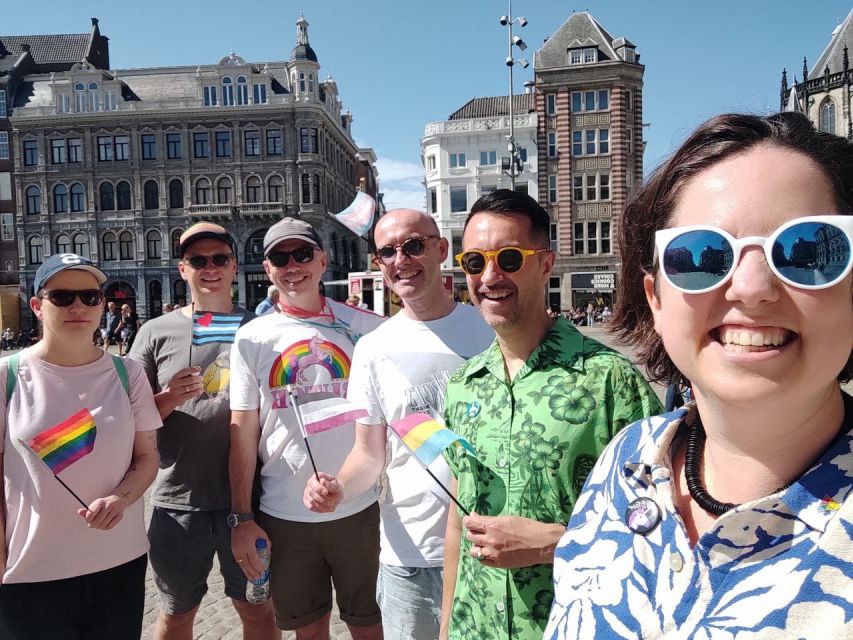
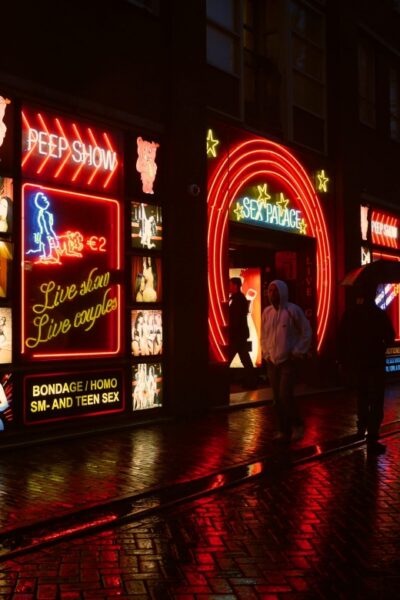
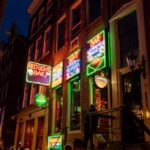
You’ll then spend about 15 minutes in the Amsterdam Red Light District area. This can be a touchy location for some people, so it helps that Sanne’s approach is intentional rather than sensational. The goal isn’t to make you stare; it’s to show how this part of the city fits into the queer narrative—economic reality, gender expression, and how society polices bodies and behavior.
The tour also walks along Zeedijk Street for about 15 minutes. This stretch helps you slow down and notice the ordinary structure of old Amsterdam: streets, storefronts, and the way neighborhoods evolve. Sanne uses the walk to connect specific people and moments that shaped queer life in the city.
Here’s the balanced take: the Red Light District is a real place, and the history around it can include painful stuff. If you’re easily shocked by sex-worker-related topics, this stop might not feel like “fun.” If you want a more honest Amsterdam, though, it’s hard to beat a guide who clearly understands why this area matters to queer history.
Pride Clothing, Eagle Amsterdam, and the in-between details
You’ll pass by Pride Clothing for about 5 minutes. After that, you pass by Eagle Amsterdam for roughly 5 minutes. These are shorter stops, but they’re smart choices because they show how queer identity isn’t stuck in the past.
Pride Clothing represents a more everyday kind of visibility—how people show up publicly, wear their pride, and turn identity into something you can spot without needing a history book. Eagle Amsterdam helps keep the route grounded in the living city. You’re not only learning; you’re moving through places that still feel active.
Even if you only catch glimpses, you’ll get the point: Amsterdam’s queer story continues in small ways, not just in monuments. The guide’s job here is to help you read the city like a local would—looking at signage, symbols, and where people gather.
Quick practical note: because these are pass-by moments, keep your phone ready but don’t trip. Side streets can be uneven, and you’ll want to stay steady while the group moves.
You can also read our reviews of more guided tours in Amsterdam





Kokopelli and Dancing Houses: art, identity, and a photo stop that actually earns its spot
Kokopelli gets around 10 minutes with a guided stop. This is one of those places where Sanne’s storytelling helps you connect a location to a broader identity story. The time is brief, but the guide uses it to keep the tour from becoming only a set of landmarks. You get something closer to “how queer life actually shows up in spaces.”
Then comes the Dancing Houses photo stop, about 10 minutes. This part is practical: you get a moment to take photos without feeling rushed, and you see another side of Amsterdam’s architectural personality. The clever thing is that the tour doesn’t separate “queer history” from “normal Amsterdam sightseeing.” It treats them as overlapping realities.
If you care about taking good travel photos, this stop is worth it. If you don’t, you can still use those 10 minutes for a quick rest and a water break, since the tour is walking-focused.
Café ’t Mandje: finishing with a real queer hangout feel
The tour ends at Café ’t Mandje. This is the kind of finish that makes the whole route click. Instead of stopping at a landmark and fading out, you land in a place where queer community has a long-standing social role.
You’ll finish after the walking route around the historic core and with enough time to keep the conversation going. This is also where you can ask Sanne questions you didn’t think to ask earlier, because the group is no longer in “next stop” mode.
I like tour endings like this. They give you a bridge from the story you heard to the city you’re actually visiting. You can check what’s on, grab a drink, and decide whether you want to stay in the queer center a little longer.
Price and value: is $59 for 2 hours worth it?
At $59 per person for a 2-hour walking tour, the real question isn’t only the price tag. It’s what you get for it.
You’re paying for three high-value things:
- A live guide (Sanne) who mixes personal stories with landmark facts
- A route that includes major LGBTQI+ reference points in Amsterdam’s old core, not just one or two stops
- Time spent at stops that matter, like Homomonument (20 minutes) and the Condomerie (10 minutes), instead of sprinting past everything
This tour also earns value through its tone. Sanne’s style is personal, and the tour encourages connection—queers and allies from different places can share their own stories. That’s hard to replicate with a self-guided route, even if you download a great map.
One caution: if you prefer purely neutral, “no feelings” history, this won’t match that style. It’s designed to move you. That’s the point. If you’re okay with that, the price feels fair for what you’re getting.
Who this tour suits best (and who might want to skip it)
This experience is a great fit if you:
- want LGBTQI+ history in Amsterdam with real people and real emotions attached
- like walking tours that connect the past to how the city looks and feels today
- enjoy meeting fellow travelers and allies, and you’re open to exchanging personal stories
It might be less ideal if you:
- get uncomfortable with stories involving AIDS-era hardship or sex-work related topics
- need a very light, entertainment-only sightseeing day
- can’t handle standing outdoors for a full 2 hours in rain or shine
The tour is wheelchair accessible, which is a plus if mobility is a concern. You’ll still want to bring comfy clothes and shoes, since it’s a walking route.
Booking it or skipping it: my straight advice
Book this tour if you want Amsterdam to feel personal and honest, not just postcard-pretty. Sanne’s mix of monuments, lived experience, and practical public-history moments—like the Condomerie and the way Pride is tied to protest—creates a way of seeing the city that you won’t get from the usual highlights.
Skip it if your travel day needs to be mostly carefree, or if you know ahead of time that emotional or controversial topics will derail your mood. For many people, though, this is exactly the kind of tour that makes a destination click.
FAQ
How long is the Amsterdam Queer City Walking Tour?
The tour lasts 2 hours.
What does it cost?
It costs $59 per person.
Where do you meet?
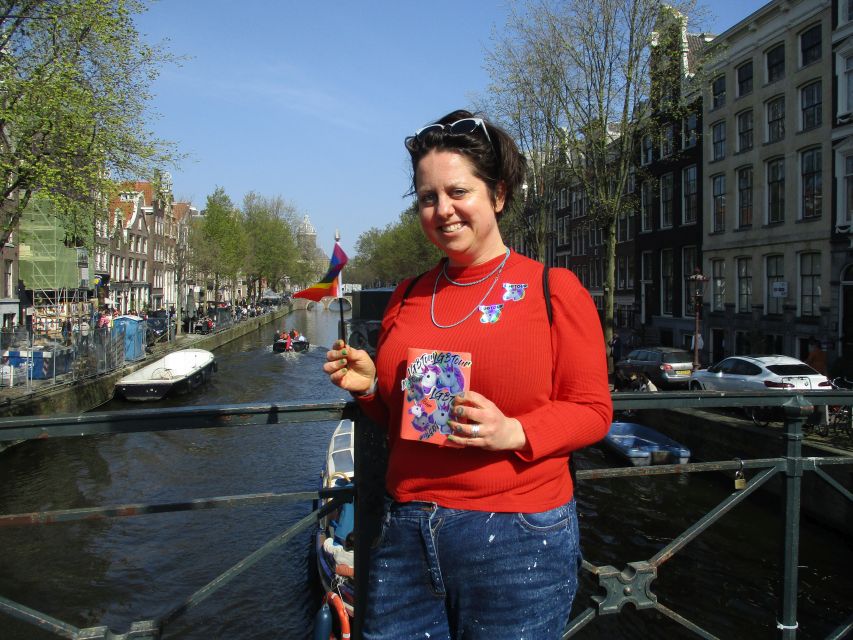
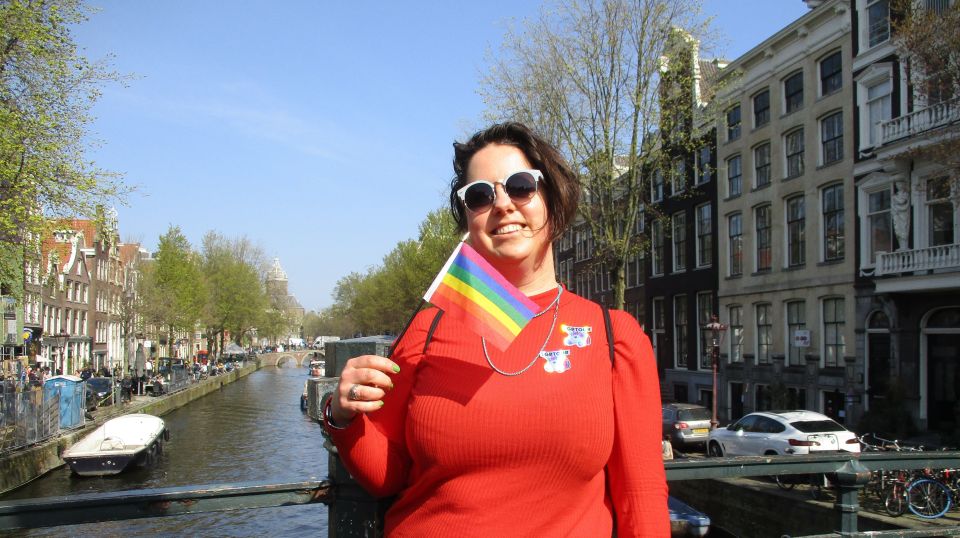
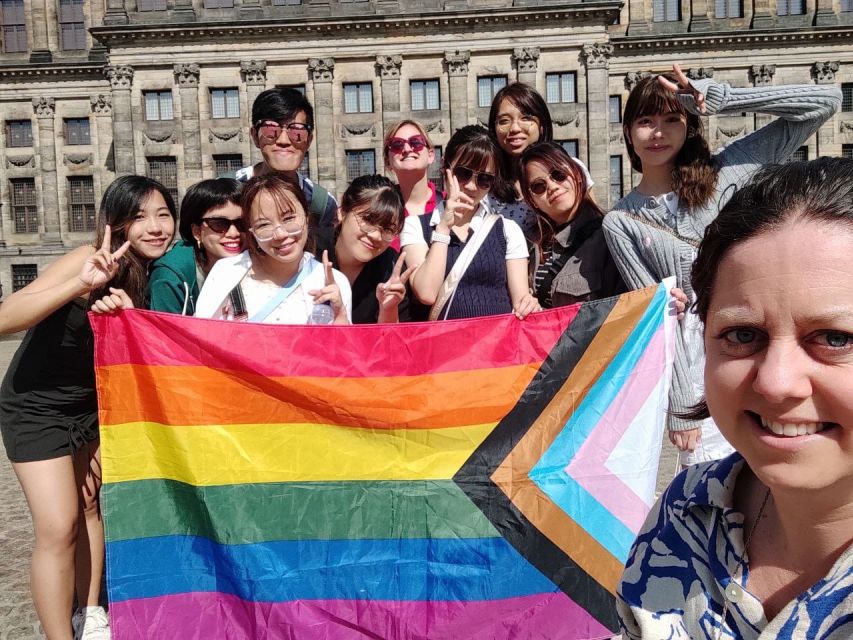
You meet at the National Monument at Dam Square. The guide recognizes you by a tiny rainbow flag.
Where does the tour end?
The tour finishes at Café ’t Mandje.
What languages are offered?
The live tour guide offers the tour in English and Dutch.
Is the tour wheelchair accessible?
Yes, the tour is listed as wheelchair accessible.
Does the tour run in bad weather?
It runs rain or shine.
What should I bring?
Bring comfortable shoes and comfortable clothes, plus sun hat, sunscreen, and rain gear.
What’s included in the experience?
You get the tour itinerary and a selection of the biggest stops and stories. It also includes elements like Pride and protest themes, the rainbow perspective, and specific stop narratives such as the unicorns at the Royal Palace area and the Condomerie story.
What cancellation timing is offered?
You can cancel up to 24 hours in advance for a full refund.
Is there a reserve and pay later option?
Yes. You can reserve now & pay later, meaning you can book without paying today.