REVIEW · AMSTERDAM
Amsterdam: The Life of Anne Frank Walking Tour
Book on GetYourGuide →Operated by Tour Company · Bookable on GetYourGuide
Anne Frank’s story starts with ordinary streets. This 1.5-hour walk takes you through the part of Amsterdam that shaped her before the world-famous hiding, using real places like schools, neighborhoods, and even the spot tied to her diary.
Two things I really like: you get the timeline of her early life (moving to Amsterdam in 1933) without turning it into a lecture, and you finish with a sense of Amsterdam beyond the usual museum loop—specifically Amsterdam-Zuid. The one thing to consider is this is mostly an outdoor walking tour and includes a small amount of walking, so it’s not for everyone with mobility needs.
In This Review
- What You’ll Learn Before You Visit the Anne Frank House
- Key Highlights I Think You’ll Appreciate
- Price and Time: $18 for a Focused 90-Minute Walk
- Merwedeplein 61 Start: Anne’s Square and Her Neighborhood Before the Annex
- Amsterdam-Zuid on Purpose: Why This Part of the City Changes the Feel
- Schools and Streets: Linking Anne’s Childhood to Real Places
- The Diary Connection: The Bookstore Stop Tied to Otto Frank’s Choice
- Miep Gies’ Home Area: Helpers, Risk, and Aftermath
- Making the Tour Fit Your Day: Practical Tips That Actually Help
- Who This Walking Tour Works Best For
- Guide Style and Overall Experience
- Should You Book the Amsterdam: The Life of Anne Frank Walking Tour?
- FAQ
- Where does the tour start?
- How long is the Anne Frank walking tour?
- What language is the tour in?
- Does this tour include entry to the Anne Frank House?
- What is included in the price?
- What should I bring?
- Is food or drink included?
- Is the tour suitable for wheelchair users or mobility impairments?
- Are pets allowed on the tour?
- What are the cancellation and payment options?
What You’ll Learn Before You Visit the Anne Frank House
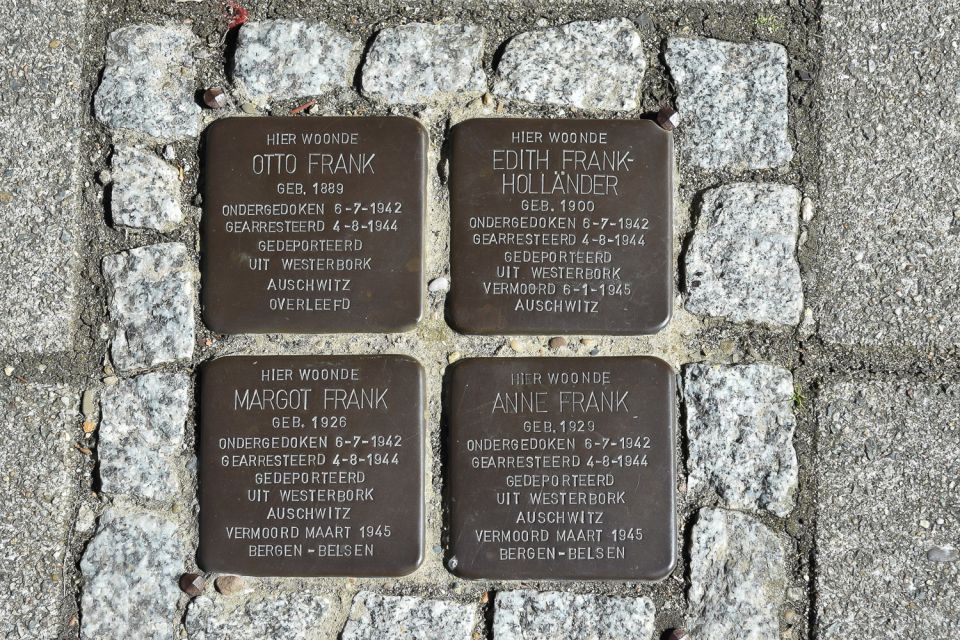
A lot of people connect Anne Frank only to the Secret Annex. Here, you’ll connect her to the years right before that—her childhood rhythm, the places she attended, and how the city around her shaped who she became. You’ll also learn what happened after her family was arrested, including the role of Miep Gies, one of the helpers tied to the story’s survival.
This tour doesn’t include entry into the Anne Frank House—it shows the surrounding area and the neighborhoods connected to her early years—so if that museum is your main goal, plan that separately.
Key Highlights I Think You’ll Appreciate
- Anne’s early-life landmarks: Schools, neighborhoods, and key streets where she grew up in Amsterdam
- Diary origin connection: You’ll see the bookstore where Otto Frank bought her the diary that became the famous manuscript
- Miep Gies’ home area: A stop connected to one of the courageous helpers who protected the family
- Amsterdam-Zuid off the main routes: A calmer, less touristy side of town built in the 1920s and 1930s
- English live guide: Q&A friendly and paced for a 90-minute walk
You can also read our reviews of more walking tours in Amsterdam


Price and Time: $18 for a Focused 90-Minute Walk
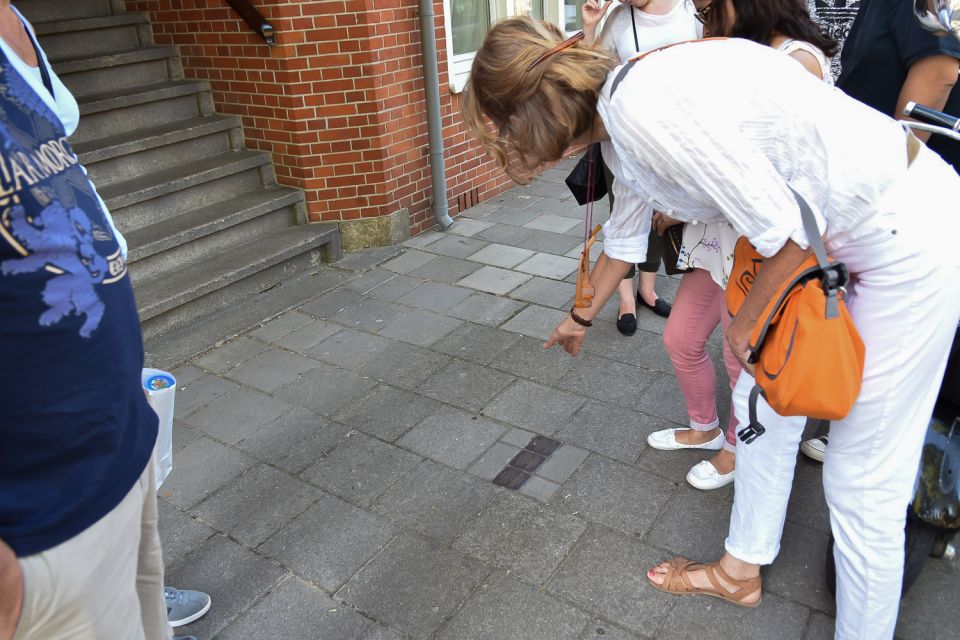
At $18 per person for about 1.5 hours, this tour is priced like a smart add-on—short enough to fit into a busy day, but long enough to make the story feel grounded in place. You’re not paying for a museum ticket here. Instead, you’re paying for a guided route that helps you connect Anne Frank’s world to specific neighborhoods and everyday locations.
If you’re trying to avoid stacking too many big-ticket attractions back-to-back, this is a good counterbalance. It works especially well on a day when you want meaning without spending the whole afternoon in lines.
One practical note: because this is a walking tour, you’ll want to treat it like one—comfortable shoes matter, and rain gear helps. The route also isn’t designed for wheelchair users or people with mobility impairments.
Merwedeplein 61 Start: Anne’s Square and Her Neighborhood Before the Annex
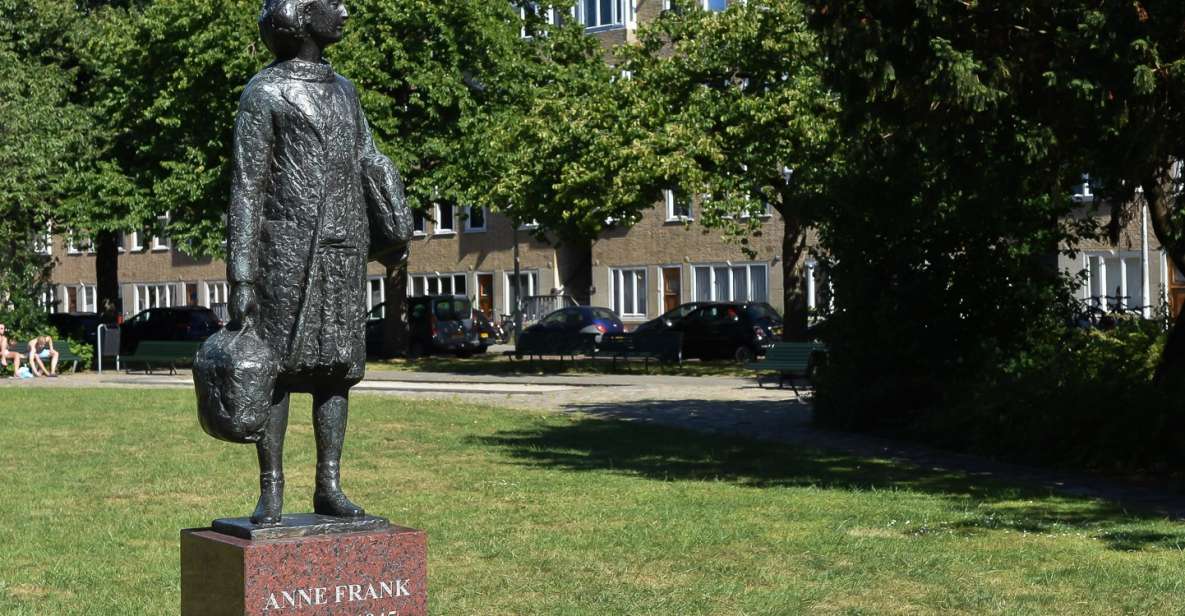
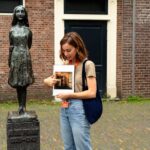
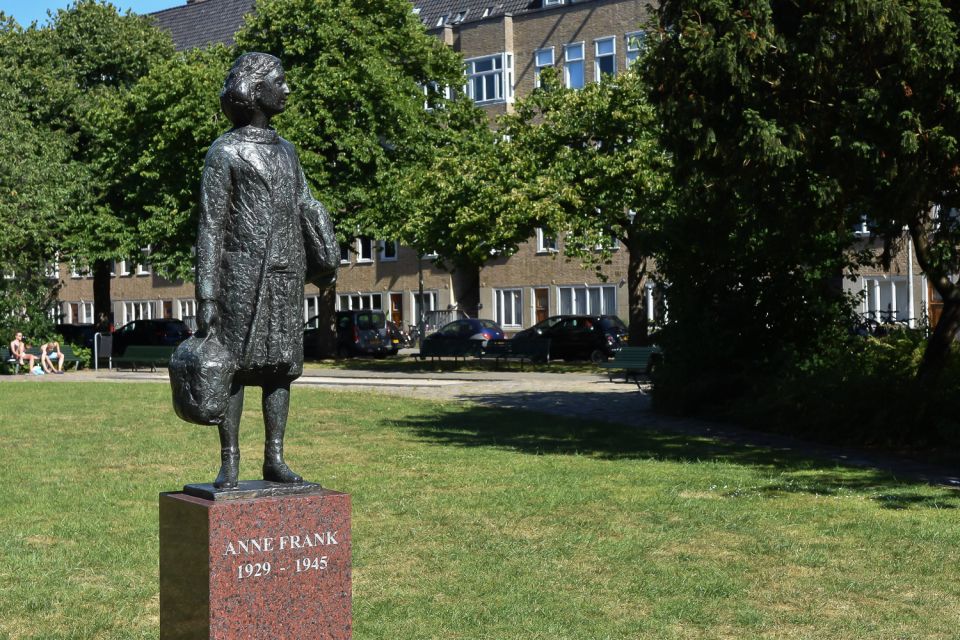
Your tour begins at Merwedeplein 61, at Square Merwedeplein in Amsterdam-Zuid, in front of the Anne Frank statue on the square. That matters more than it sounds. Starting where the area itself is tied to her early life helps you shift from reading the story to tracking it in space.
From the start, the focus stays on her pre-hiding years. You’ll move through the Amsterdam spaces that help explain how a young girl in the city became the Anne Frank people know—born June 12, 1929, in Frankfurt am Main, then moving to Amsterdam in 1933 when her father Otto Frank sought safety as antisemitism rose in Germany.
This is the kind of grounding I appreciate. It doesn’t ask you to memorize dates. It puts the dates next to real streets, so your brain builds a map.
Amsterdam-Zuid on Purpose: Why This Part of the City Changes the Feel
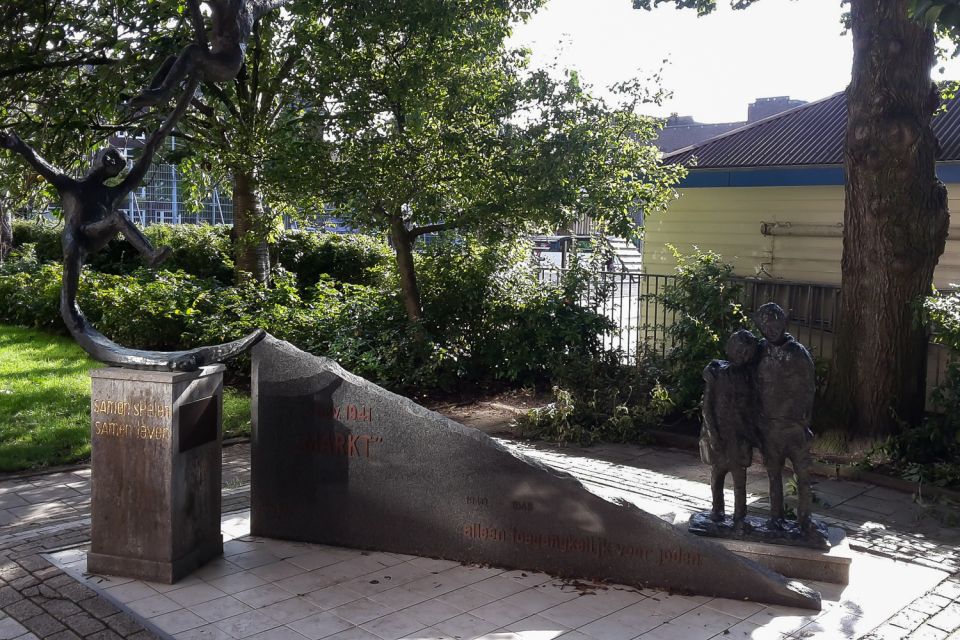
The tour takes place in Amsterdam South (Amsterdam-Zuid), not the packed historic-center corridor most visitors use. The area you walk through reflects planning and housing concepts built in the 1920s and 1930s, including ideas about social housing and urban design. Even if you’re not a design nerd, you can feel the difference in pace and scale.
This is one of the best value parts of the experience: you’re not just learning about the past—you’re seeing a side of Amsterdam many people skip. If you’ve already done canal tours and central sights, this is a satisfying way to refill your mental picture of the city.
You’ll also see how the story connects to a normal-life Amsterdam. That’s a big deal for understanding Anne Frank. The diary is famous, yes—but a young person’s life isn’t only hiding. It’s school days, neighborhoods, friends, and routines.
Schools and Streets: Linking Anne’s Childhood to Real Places
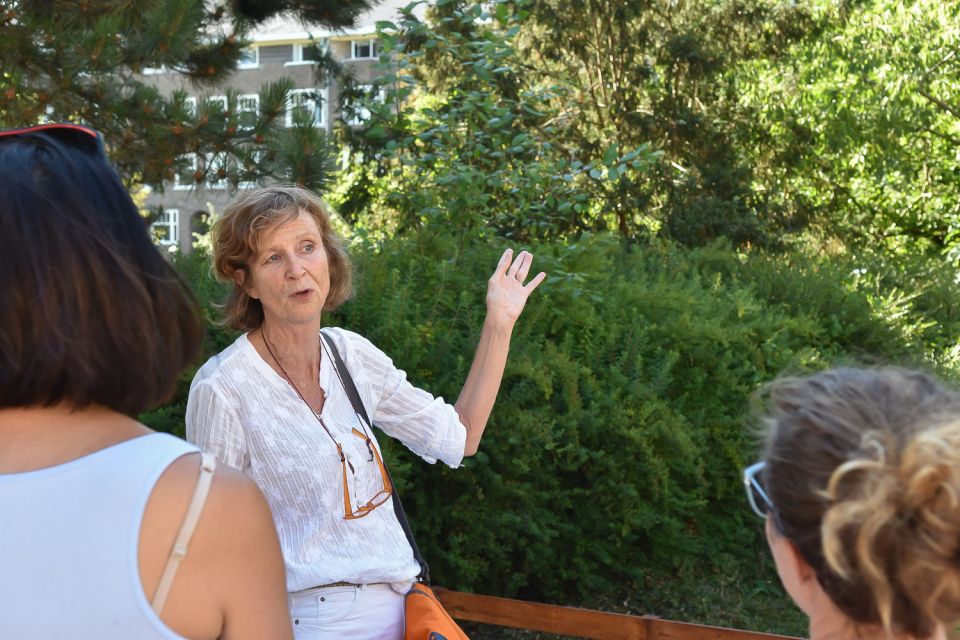
One of the tour’s core promises is that you’ll visit the schools and neighborhoods where Anne grew up. On a typical day in your life, schools and streets blend together. On this walk, they don’t. The guide ties each location to what was happening in her world at the time—how she spent time, what her surroundings were like, and how she moved through the city.
The benefit for you is focus. Instead of trying to research all of this on your own, you’re following a planned route where the guide connects the dots as you go. That makes it easier to remember details later, especially if you’re planning to read or revisit the diary after the walk.
And yes, there’s a small practical side: you’ll be outdoors and moving between stops. On rainy days, bring an umbrella, because the tour doesn’t claim indoor shelter.






The Diary Connection: The Bookstore Stop Tied to Otto Frank’s Choice
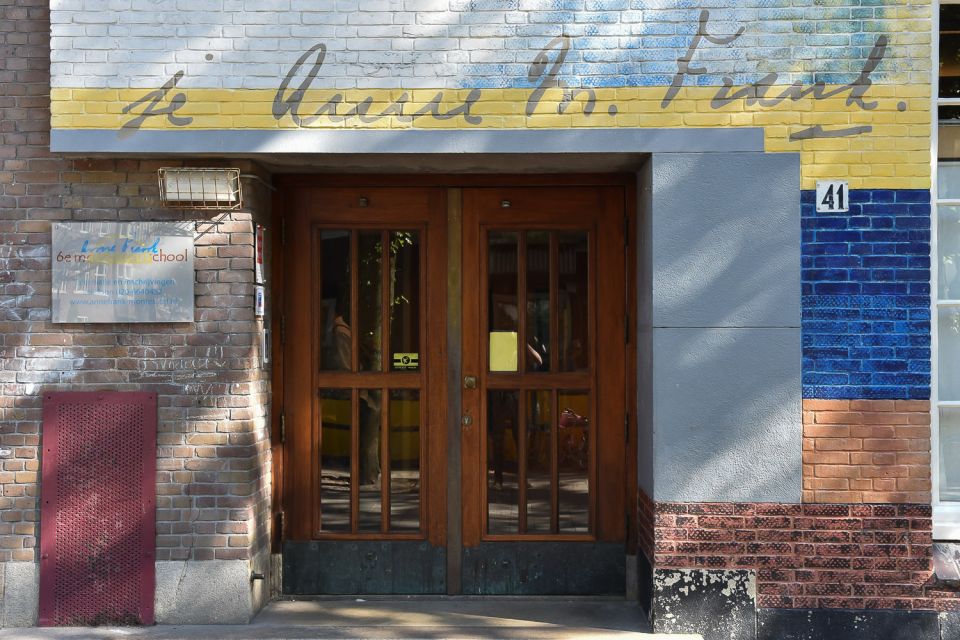
A standout stop is the bookstore where Anne bought her diary. That’s the moment where the story goes from historical to personal in a hurry, because it reminds you that the diary didn’t arrive out of nowhere. It started as a young girl choosing a notebook and deciding to write.
This matters because it keeps the focus on her voice—not only the tragedy. The diary became one of the most widely read books in history, with more than 30 million copies sold. But during the walk, you’re meant to picture the earlier stage: Anne Frank before she was a symbol.
If you like connecting a famous text back to the practical details of its origin, this part of the tour will land well.
Miep Gies’ Home Area: Helpers, Risk, and Aftermath
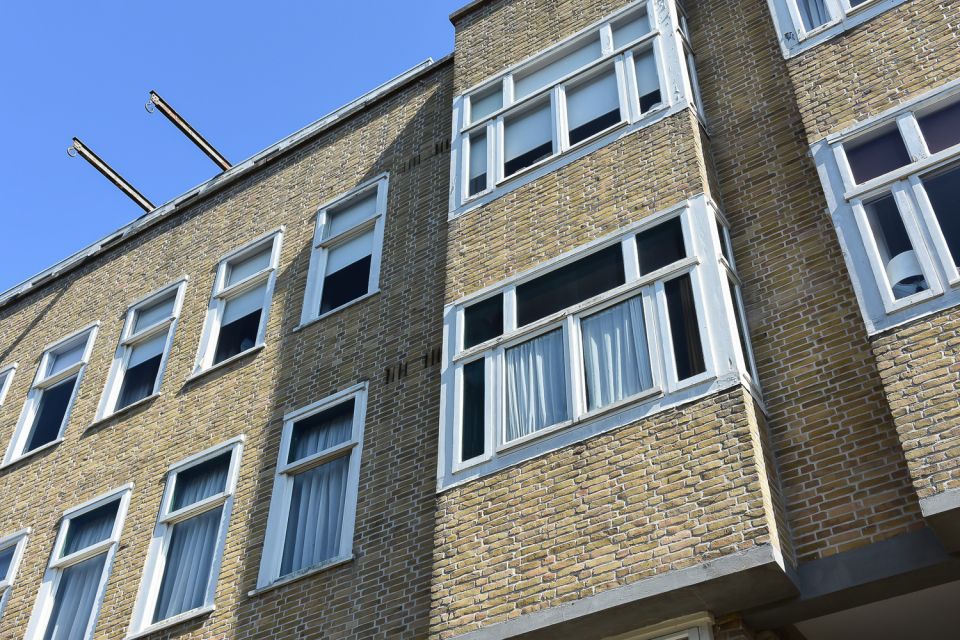
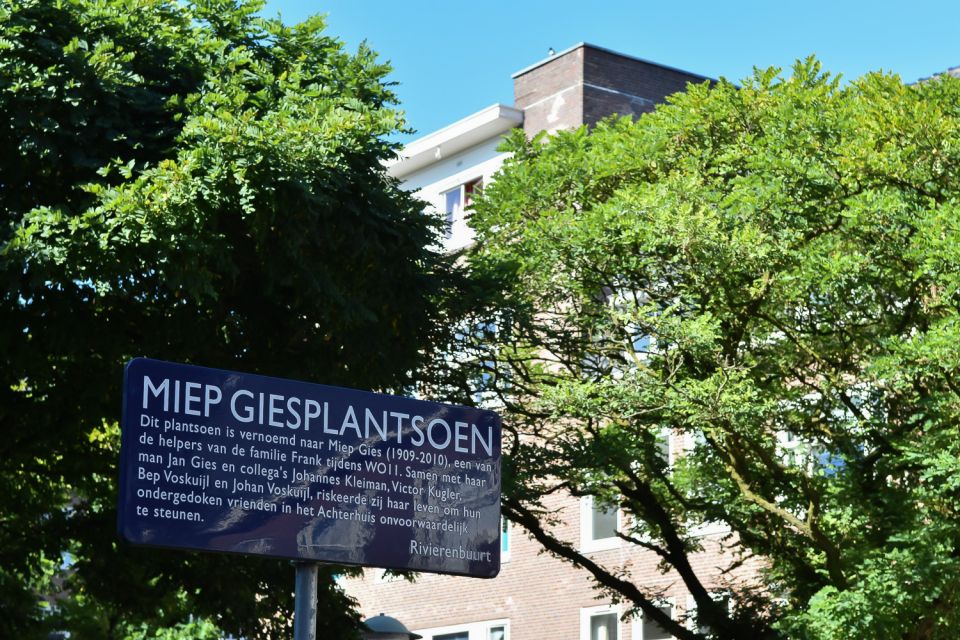
You’ll also discover the home of Miep Gies, one of the family’s helpers. Miep is tied to two crucial parts of the story: courage during the hiding period and the later saving of Anne’s diary after the arrest.
This stop is emotionally heavier than the school-and-street segments, but that’s kind of the point. The tour doesn’t only describe what happened. It points to people who chose to help despite the consequences.
For you, the value is balance: you’re not only learning about Anne Frank the writer. You’re also learning about the network around her—the adults and neighbors who risked protecting her. That helps the overall story feel less like a single isolated event and more like a human decision with real costs.
Making the Tour Fit Your Day: Practical Tips That Actually Help
Here’s how to make the most of the 1.5 hours without stress:
- Wear comfortable shoes. You’ll be walking a bit, and it’s not framed as a sit-and-watch tour.
- Bring an umbrella on rainy days. The tour notes that umbrellas are advised when it rains.
- Pack a camera if you want photos of exterior landmarks and street-level details.
- Expect to be outside most of the time; the tour is designed to show areas and neighborhoods, not to line up inside major attractions.
Also, remember the tour is English with a live guide, and it doesn’t grant access or entry into the Anne Frank House. If that museum is high on your list, plan it as a separate stop so you don’t expect this walk to replace it.
Who This Walking Tour Works Best For

This is a strong pick if you:
- want Anne Frank context beyond the Secret Annex
- like walking tours that teach you through specific locations
- prefer Amsterdam-Zuid to the main tourist crush
- want a short, meaningful experience that pairs well with other activities
It’s less ideal if you need wheelchair access or have mobility limitations, since it’s not suitable for wheelchair users and includes a small amount of walking.
If you’re traveling with kids, it could work depending on their attention span, but nothing in the tour description specifically promises kid-friendly pacing. If your group enjoys learning through real places, though, it can be a good match.
Guide Style and Overall Experience
The tour is run by a live English guide, and the reviews you’ll hear in your planning phase tend to praise two things: the guide energy and the quality of answers when questions come up. People also highlighted that the tour felt fun and fast-moving while still delivering real historical details.
That combination matters. A route like this lives or dies by interpretation. You’re outside looking at ordinary buildings and streets. The guide has to turn those visuals into story you can hold in your head—and the feedback on this one points toward guides doing exactly that.
Should You Book the Amsterdam: The Life of Anne Frank Walking Tour?
I’d book this tour if you want a meaningful, place-based Anne Frank experience that doesn’t require museum entry. It’s reasonably priced for what it does—giving you the early-life connections like schools, neighborhoods, the diary bookstore stop, and the Miep Gies area, all within a tight 90-minute walk.
Skip it (or plan differently) if you specifically need access to the Anne Frank House itself. This walk is about the surrounding world and the childhood route, not entering the museum.
FAQ
Where does the tour start?
The meeting point is Merwedeplein 61, at Square Merwedeplein in Amsterdam-Zuid, in front of the statue of Anne on the square.
How long is the Anne Frank walking tour?
The tour lasts about 1.5 hours.
What language is the tour in?
The tour is conducted by a live guide in English.
Does this tour include entry to the Anne Frank House?
No. This tour does not provide access or allow you to enter the Anne Frank House. It shows the area where she grew up.
What is included in the price?
The price includes the guide, the walking tour, and all taxes, fees, and handling charges.
What should I bring?
Bring comfortable shoes and an umbrella (advised on rainy days), and a camera if you want photos.
Is food or drink included?
No. Food and drinks are not included.
Is the tour suitable for wheelchair users or mobility impairments?
No. It is listed as not suitable for people with mobility impairments and wheelchair users.
Are pets allowed on the tour?
No. Pets are not allowed.
What are the cancellation and payment options?
It offers free cancellation up to 24 hours in advance for a full refund, and you can reserve now and pay later to keep plans flexible.