REVIEW · AMSTERDAM
Amsterdam: Walking Tour with Dutch Pancake Lunch
Book on GetYourGuide →Operated by Guides and Tours · Bookable on GetYourGuide
Amsterdam can feel like a maze of canals and clues. This tour turns that maze into a walk you can follow. I especially like the way it mixes famous landmarks with street-level stories, plus the fact that it ends with a real Dutch pancake lunch. The only thing to watch: the lunch experience is tightly timed, and if you have lactose intolerance, this one isn’t for you.
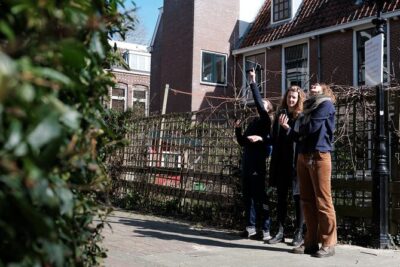
You’ll cover central Amsterdam at a good, human pace in a small group (up to 10), so you’re not just shuffling with strangers. I also appreciate the range of topics, from how the Dutch Golden Age built the city’s power to controversial chapters tied to the Red Light District and Amsterdam’s drug policies. One practical drawback to consider: the total trip is about 3.5 hours, so plan for a few walking hours in any weather.
And yes, there’s good value here because the guide doesn’t just point. They explain. Then you sit down for a structured meal with pea soup (or a Dutch deli starter), plus savory or sweet pancakes, finished with dessert or coffee.
In This Review
- Key highlights worth your attention
- Why this Amsterdam walking tour works for first-time visitors
- Getting started: Beursplein at 10:00 and where to meet
- The route: from Berlage-area streets to Dam Square on foot
- Hop from the city’s trading pulse toward the waterfront streets
- Zeedijk Street: where “old Amsterdam” is still readable
- Nieuwmarkt Square: a real crossroads, not just a photo stop
- The Jewish Quarter area: stories tied to place
- Zuiderkerk: architecture with a purpose
- Begijnhof: a calmer pocket inside a loud city
- Dam Square: the big finish before pancakes
- The history you’ll hear: Golden Age growth, Red Light origins, and drug policy
- Zeedijk, Nieuwmarkt, and the Jewish Quarter: what to notice while you walk
- Zuiderkerk and Begijnhof: two stops that change the mood
- Dam Square and the final transition to Dutch Pancake Masters
- The Dutch pancake lunch: what’s included and how the courses work
- Starter
- Main
- Dessert or coffee
- Pacing, group size, and why the tour feels easy to follow
- Price value: is $49 worth it?
- Who should book, and who might skip it
- Ready to book: my practical recommendation
- FAQ
- What time does the Amsterdam walking tour start?
- Where does the tour meet?
- How long is the experience?
- What’s included in the Dutch pancake lunch?
- Do you offer pancakes with sweet and savory options?
- Is the tour suitable for lactose intolerance?
Key highlights worth your attention
- A tight 2.5-hour guided walk that sets up the rest of your Amsterdam day
- Street-corner history about the Amstel River, the Dutch Golden Age, and controversial city chapters
- Central sights on foot, including Nieuwmarkt Square, the Jewish Quarter area, Zuiderkerk, Begijnhof, and Dam Square
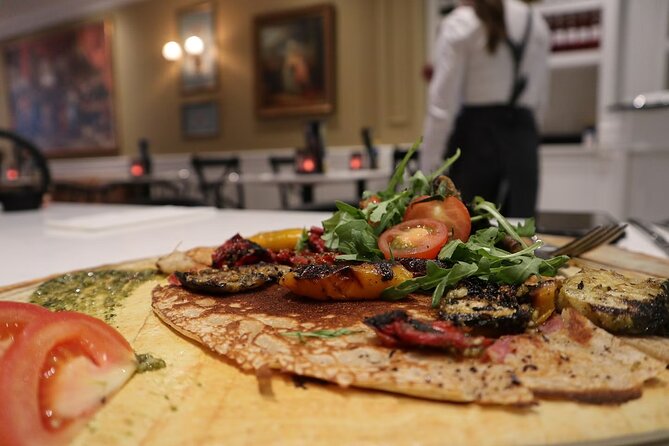
- A sit-down Dutch pancake menu with pea soup starter and a full pancake course
- Groups limited to 10, making it easier to hear stories and ask questions
- Past guides have brought energy, with groups led by Laula Garcia, Ilya, Miquel, and Laura noted for their storytelling
Why this Amsterdam walking tour works for first-time visitors
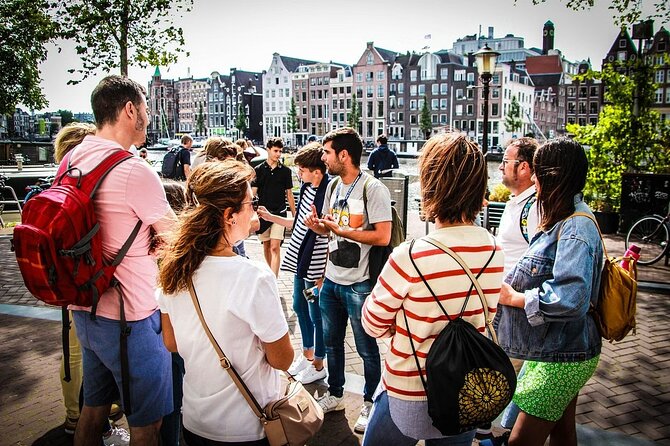
If you’re coming to Amsterdam for the first time, you need two things quickly: orientation and context. This tour gives both. You start in the area around Bistro Berlage / Beursplein, and in a few hours you’ll be able to picture how the old city fits together—canals, squares, neighborhoods, and the big moments that shaped the place.
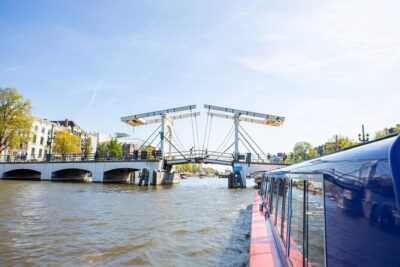
The big win is the balance. You’ll see the classic landmarks people photograph, but the guide keeps connecting them to real reasons they matter. The stories focus on how a small, muddy village by the Amstel River grew into Europe’s trading powerhouse during the Dutch Golden Age. That’s history you can actually place on a map as you walk.
The other win is the finish. Lots of walking tours end with a quick snack. This one sends you to a Dutch pancake restaurant for a proper meal: starter soup or local delicacies, then a pancake main, then dessert or coffee. It’s a great way to keep your energy up while you’re still in sightseeing mode.
You can also read our reviews of more walking tours in Amsterdam
Getting started: Beursplein at 10:00 and where to meet
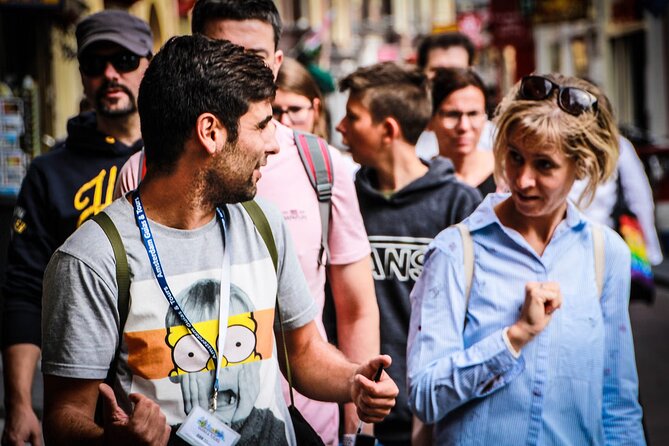
Timing matters here because you’re meeting right where the walk begins. The tour departs at 10:00 am, and you should arrive about 10 minutes early.
Look for the guide in front of the Cafe Bistro next to the bull figure. They’ll be easy to spot with a blue umbrella or an Amsterdam Guides & Tours logo tag. It’s a small group format, so being on time helps the whole day run smoothly.
This tour runs rain or shine, so pack for wet streets. Amsterdam weather can change fast, and you’ll still be outside between stops.
The route: from Berlage-area streets to Dam Square on foot
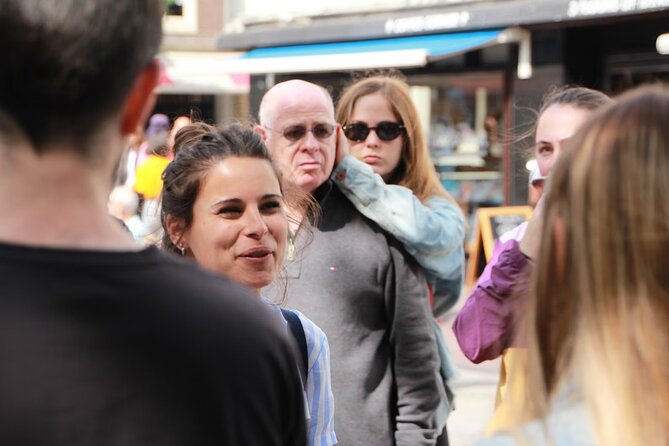
This is a central Amsterdam walk, meaning you’ll be moving through areas most visitors want to see—without long transit breaks.
Here’s how the route feels as you go:
Hop from the city’s trading pulse toward the waterfront streets
You begin near Bistro Berlage, then move through central stops that bring you from the more commercial/old-city core toward streets closely tied to trade and daily life. Along the way, your guide explains what you’re looking at and why that location mattered—so you’re not just reading plaques, you’re building a mental map.
Zeedijk Street: where “old Amsterdam” is still readable
On Zeedijk Street, you’ll get a sense of how Amsterdam’s neighborhoods connect to its bigger story. The area is known for its character and history, and your guide uses it as a jumping-off point for context you can carry into the next square and quarter.
You can also read our reviews of more tours and experiences in Amsterdam




Nieuwmarkt Square: a real crossroads, not just a photo stop
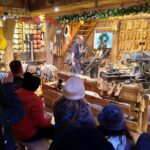
Nieuwmarkt Square is one of those places where the city’s layers show up clearly. Expect your guide to frame what you’re seeing—how the square functions, why it became important, and what it says about Amsterdam’s social and cultural development.
The Jewish Quarter area: stories tied to place
You’ll also pass through the Jewish Quarter area, where the tour focuses on how the city’s communities shaped Amsterdam. Even if you don’t know much before you start, the guide’s explanations help you understand why this part of town feels different from the grander squares.
Zuiderkerk: architecture with a purpose
Zuiderkerk is a visual anchor on the route. The guide uses it to connect landmark architecture to the way Amsterdam organized religion, power, and community life.
Begijnhof: a calmer pocket inside a loud city
Then you reach Begijnhof, a quieter, more tucked-away spot. This stop is especially valuable because it gives you a pause from the main streets—plus it lets the guide talk about how Amsterdam’s social history shows up in everyday spaces, not just big monuments.
Dam Square: the big finish before pancakes
Finally, you’re back near Dam Square, one of Amsterdam’s best-known public squares. Think of it as the moment the tour clicks into a broader view: you’re near the city’s headline landmarks, right before you sit down to eat.
And after the walk, your guide will point you toward the restaurant.
The history you’ll hear: Golden Age growth, Red Light origins, and drug policy
This tour doesn’t treat Amsterdam history like a museum lesson. It treats it like a chain of cause and effect you can watch unfold as you walk.
You’ll hear how Amsterdam went from a small settlement by the Amstel River to a major trading center during the Dutch Golden Age. That theme matters because it explains so much of what you see—wealth, building booms, merchant influence, and the city’s reputation for doing business differently.
Then the guide moves into chapters that are often touched lightly in guidebooks, including the origins of the Red Light District and Amsterdam’s pioneering drug policies. This is where the tour feels most like a conversation with the city rather than a checklist. It’s also where the guide’s tone matters: you want explanations that are clear, not sensational.
In fact, one of the most praised aspects of the experience is the guide performance. Past groups have highlighted guides like Laula Garcia for being energetic and sharp, Ilya for storytelling, and Miquel for keeping the pace entertaining without turning it into fluff. That’s exactly what you want in a history walk—enough structure to stay oriented, enough personality to keep you listening.
Zeedijk, Nieuwmarkt, and the Jewish Quarter: what to notice while you walk

These streets and squares are where your photos and your understanding line up.
- On Zeedijk Street, watch for the blend of commercial life and older city character. The guide helps you see it as part of Amsterdam’s trade and community story.
- At Nieuwmarkt Square, pay attention to how the space functions—because your guide will connect the location to major shifts in local culture and public life.
- In the Jewish Quarter area, focus on how the tour frames community history in a city that constantly evolves. Even when you’ve seen Amsterdam before, these explanations can make the neighborhood feel more specific.
This section is also a reminder of why the tour format works. If you’re doing Amsterdam mostly on your own, you may pass these places without knowing what to look for. With a guide, you get a few simple anchors: what this place was like, why it mattered, and what legacy it left behind.
Zuiderkerk and Begijnhof: two stops that change the mood
Not every part of Amsterdam feels the same. That’s why stops like Zuiderkerk and Begijnhof matter.
At Zuiderkerk, the guide helps you read the landmark as more than a pretty building. You’ll get context for why it’s there and how religious and civic life shaped the city’s layout.
Then you reach Begijnhof, which is a mental reset. This is the point where many people slow down naturally. It’s calmer than the surrounding streets, and it gives the tour breathing room—so you don’t feel like you’re sprinting from sight to sight. For me, that’s a big part of the value: you get variety in atmosphere, not just variety in architecture.
Dam Square and the final transition to Dutch Pancake Masters
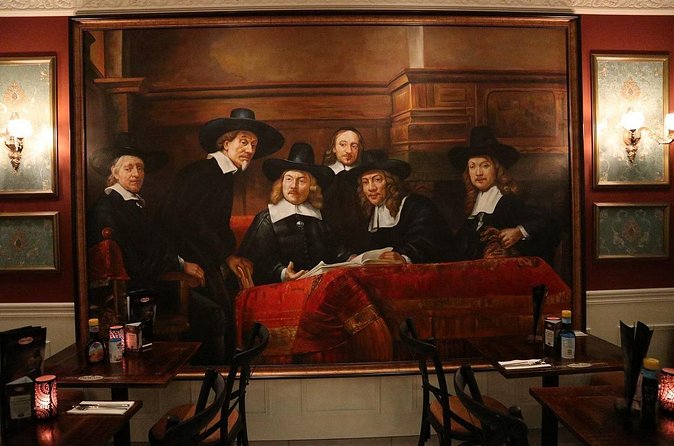
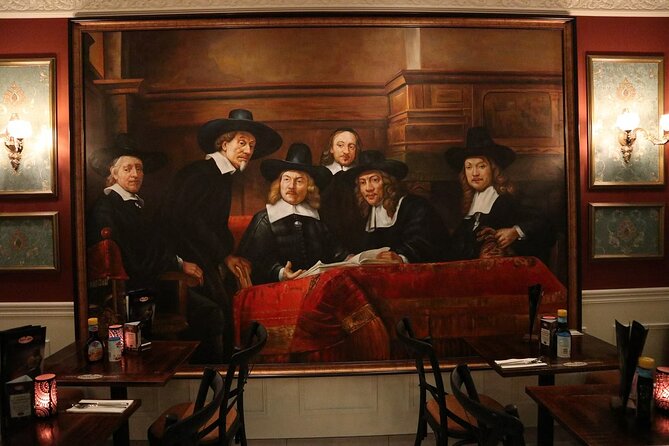
After the walk, you end near Dam Square, then head to lunch at The Dutch Master Pancakes Restaurant, Damrak 44. Your guide arranges it so there’s a booking under your name, and the restaurant is about 2 minutes on foot from Dam Square or Central Station.
This is a smart way to end the tour because you don’t lose time figuring out transit while you’re hungry. Instead, you shift from sightseeing mode to eating mode immediately.
One note based on what people have experienced: the pancake part is the most “variable” section. Many groups describe the meal as a highlight, but there have also been cases where the restaurant seemed unprepared for the group. If you have dietary needs beyond lactose intolerance, you might want to mention them when you arrive—then confirm your starter and main quickly with staff once seated.
The Dutch pancake lunch: what’s included and how the courses work
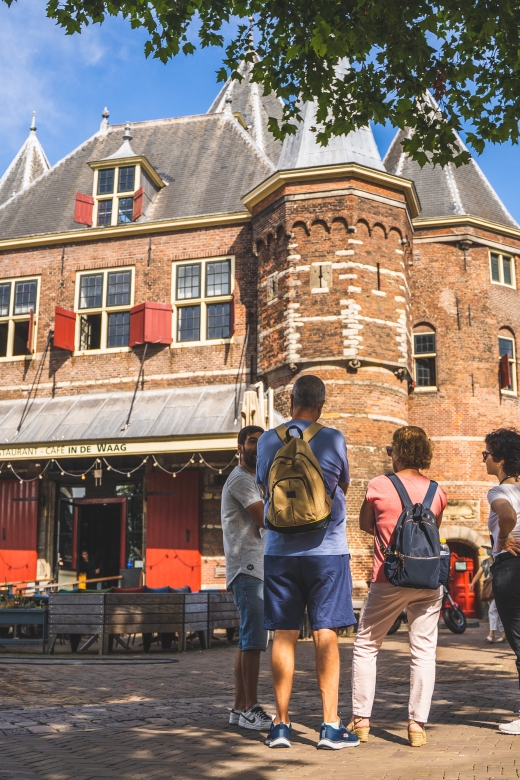
The lunch is built like a mini meal, not just a single pancake.
Starter
You’ll choose between:
- Dutch pea soup with smoked sausage, rye bread & bacon, or
- a selection of Dutch delicacies
This matters because pea soup is one of those Dutch flavors that feels different from the usual fries-and-fast-food Amsterdam options. It also sets a savory base, especially if you choose a sweet pancake afterward.
Main
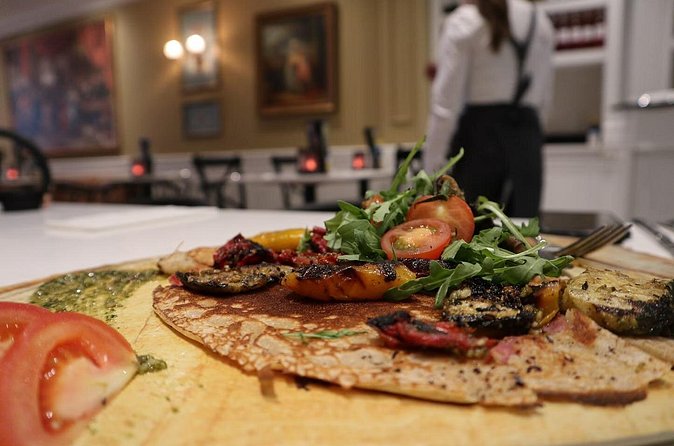
For the main, you get pancake with savory or sweet options. Either way, you’re eating something local, and it’s a meal you can feel good about after a 2.5-hour walk.
Dessert or coffee
Then there’s dessert or coffee to finish. It makes the pacing feel complete: you’re not rushing out right after the walk.
If you’re lactose intolerant, skip this one. The tour specifically says it isn’t suitable for people with lactose intolerance, so don’t plan on swapping ingredients on the fly.
Pacing, group size, and why the tour feels easy to follow
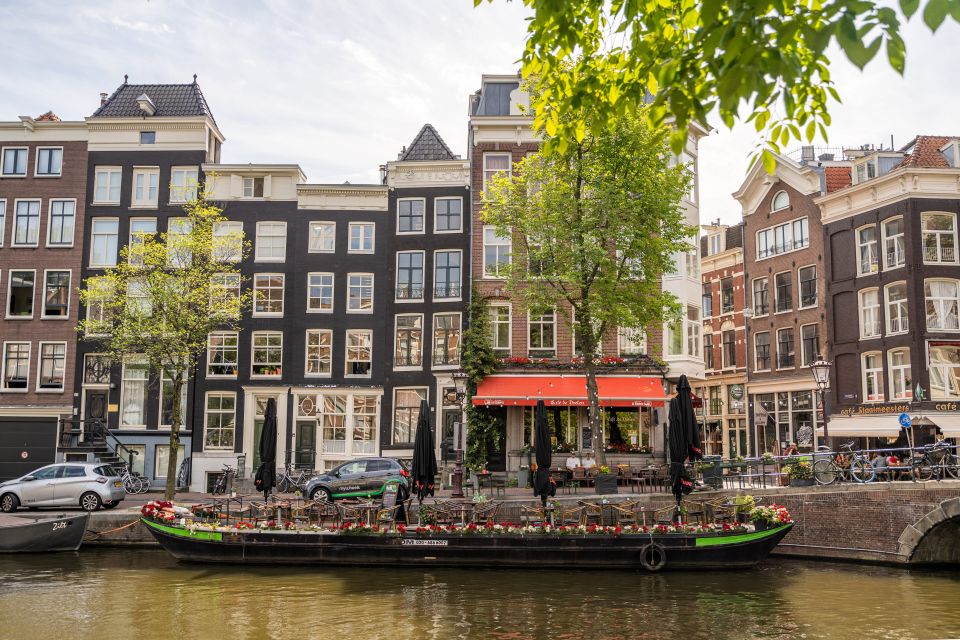
This is a small group experience limited to 10 participants per guide. That’s not a random marketing line. It affects how well you can hear the guide, how smoothly you can stop at key points, and how quickly you can ask a question if something clicks.
The guided walk is listed as 2.5 hours, with the total experience running closer to 3.5 hours once you factor in the lunch and movement between points. In practice, that means you should expect a fairly active morning or early afternoon.
The guide languages are English or Spanish (and Dutch-speaking guide is available on request). If you care about clear explanations, this language support is a big practical advantage.
Price value: is $49 worth it?
At $49 per person, you’re paying for two things: a guided orientation walk and a structured Dutch meal.
Compare that to doing the walking tour portion solo. In Amsterdam, paid walking tours often cost about the same range without food, especially when they’re led by professional guides. Here, the pancake menu is included—starter, main, and dessert or coffee—which is where the value really shows. You also don’t have to hunt down a restaurant or negotiate what to eat while you’re already out and about.
So the best way to think about the price is: you’re buying convenience plus context. The guide helps you see Amsterdam with purpose, and lunch prevents the usual mid-day scramble.
The only reason this might not feel like a slam dunk is if you land in a group where the pancake restaurant service is slow or the meal isn’t your style. Based on the feedback, most people love the pancakes and meal structure, but a few experiences weren’t as strong as expected.
Who should book, and who might skip it
This tour is a great match if you:
- want a first-time-friendly introduction to central Amsterdam
- like walking with a guide who explains more than just what’s visible
- want a proper Dutch meal without planning it yourself
It might be less ideal if you:
- have lactose intolerance (not suitable)
- prefer a very light walk with no longer indoor waits
- hate the idea of lunch being part of the schedule
It also works well for couples, solo travelers, and families who can handle a few hours of walking—some past groups included kids, and the pacing was described as good.
Ready to book: my practical recommendation
Book this tour if you want an Amsterdam day that feels organized but not stiff. The 2.5-hour guided walk gives you a foundation fast, and the pancake lunch keeps the day from turning into random snacking.
I’d be especially confident if you care about hearing the darker, controversial side of Amsterdam too—Red Light origins and drug policy aren’t watered down here. Add in a small group and strong guide energy (with past guides like Laula Garcia, Ilya, Miquel, and Laura noted for their delivery), and you get a tour that’s easy to recommend.
My only caution: go in expecting that the lunch is part of a set experience, not a flexible restaurant visit. If you’re picky about food quality or service timing, it’s worth being proactive when you sit down.
FAQ
What time does the Amsterdam walking tour start?
The tour departs at 10:00 am. The guide will be waiting at the meeting point, and you should arrive about 10 minutes early.
Where does the tour meet?
You meet at Bistro Berlage / the Beursplein area. The guide will stand in front of the Cafe Bistro next to the bull figure, identifiable by a blue umbrella or an Amsterdam Guides & Tours logo tag.
How long is the experience?
The guided walking tour portion is 2.5 hours, and the full experience is listed as about 3.5 hours.
What’s included in the Dutch pancake lunch?
Lunch includes a starter (Dutch pea soup with smoked sausage, rye bread & bacon, or a selection of Dutch delicacies), a pancake main (savory or sweet options), and dessert or coffee.
Do you offer pancakes with sweet and savory options?
Yes. The pancake main includes savory or sweet options as part of the included menu.
Is the tour suitable for lactose intolerance?
No. The tour is not suitable for people with lactose intolerance.