REVIEW · AMSTERDAM
Amsterdam: Waterland District Countryside Villages Bike Tour
Book on GetYourGuide →Operated by Yellow Bike Tours & Rental · Bookable on GetYourGuide
Fresh air beats Amsterdam traffic. In just 3.5 hours, you pedal out from central Amsterdam into the Waterland villages with a guide who turns windmills and dikes into real stories, and I particularly liked how guides like David and Willem kept the history practical, not preachy. You’re not just cycling for scenery—you’re getting context for why this part of North Holland looks the way it does.
I also like that the ride is built for comfort and confidence. You get flat, easy terrain, and your guide keeps the pace and stops workable for different comfort levels on a bike. The 30-minute break at Hotel-Cafe De Zwaan is long enough to stretch, snack, and reset before the return.
One watch-out: the café stop isn’t food-included. You’ll need to budget for drinks and anything you order while you’re taking that pause.
In This Review
- Key highlights worth your attention
- Why Waterland beats another city-sightseeing day
- Starting near Amsterdam Central: fast meet-up, clear direction
- The ride out of the city: quick ferry and immediate countryside feel
- D’Admiraal Windmill and the easy rhythm of short stops
- ‘t Nopeind, Zunderdorp, and the village texture you only get by bike
- Waterland’s story: why this district is shaped by sea and water
- The café break at Hotel-Cafe De Zwaan: the right pause point
- Durgerdam and the second ferry back to Amsterdam
- Bikes and comfort: flat doesn’t mean effortless
- Who this tour suits best (and who might want a different day)
- Price and value: $57 for a guide, a bike, and a full morning-plus break
- Small tips that make the ride smoother
- Should you book the Amsterdam Waterland Countryside Bike Tour?
- FAQ
- How long is the Amsterdam Waterland District countryside bike tour?
- Where does the tour start?
- Is bike rental included in the price?
- Are food and drinks included during the break?
- Do you ride a ferry during the tour?
- What languages is the guide available in?
- Can I cancel and get a full refund?
- What should I bring?
Key highlights worth your attention
- Waterland villages close to Amsterdam: you’re out of the city fast and back before you feel like you spent the whole day traveling
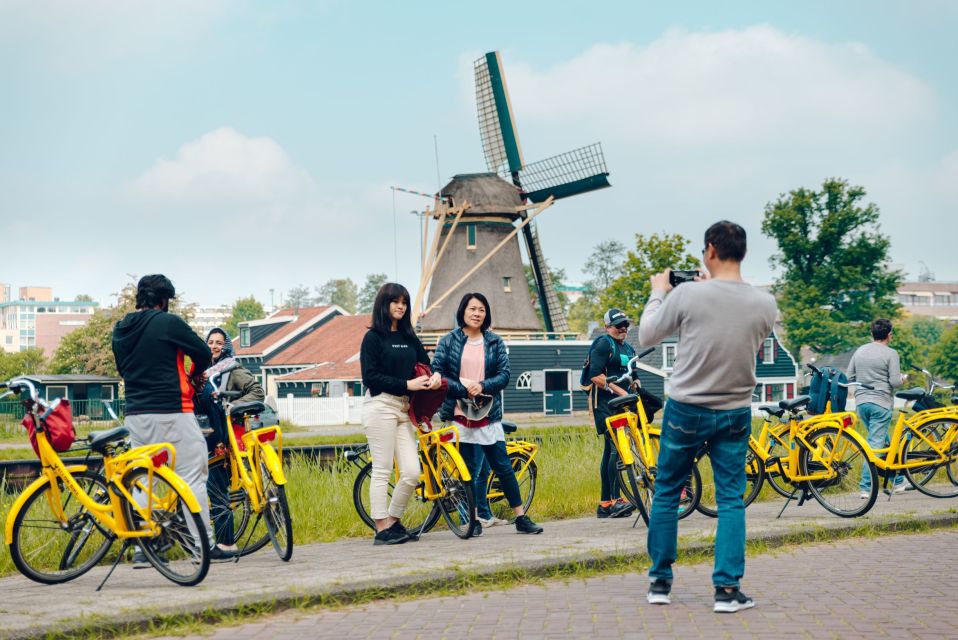
- Windmill viewing on the route: short stops like D’Admiraal help you spot local icons without turning the tour into a museum visit
- Ferry crossings for a change of pace: a quick ride early and another on the way back keeps things interesting
- Guide storytelling tied to water management: you’ll hear how land was reclaimed from the sea and why the district’s waterways matter
- A structured half-day rhythm: short sightseeing segments plus one solid break at Hotel-Cafe De Zwaan
Why Waterland beats another city-sightseeing day
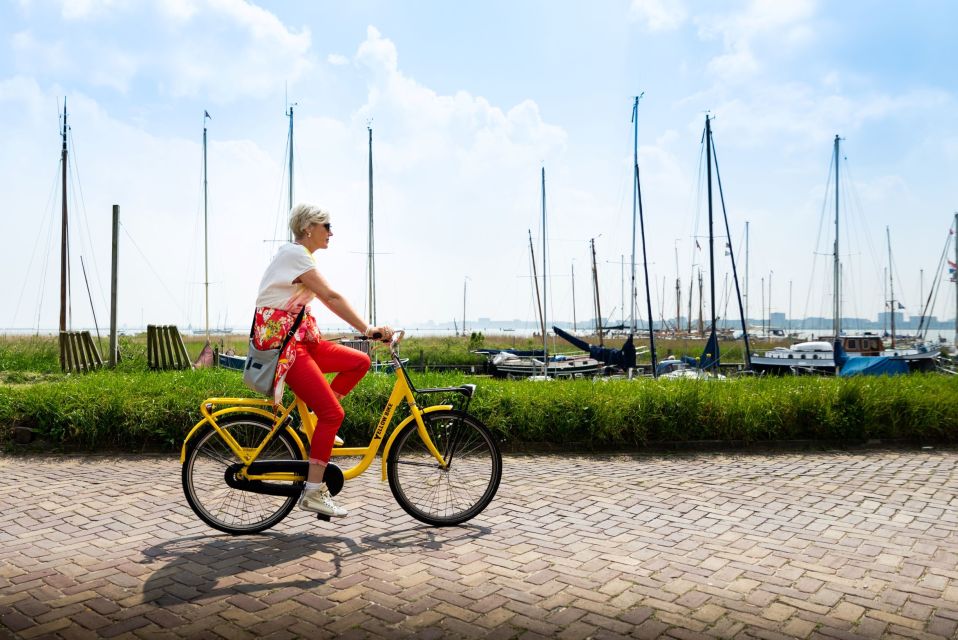
If you’ve already walked Amsterdam’s canals, you’ll appreciate a different kind of “Netherlands postcard.” This Waterland district tour takes you into the low, open countryside just north of the city, where dikes, waterways, and wooden houses do most of the talking. The best part is that the ride doesn’t feel like a random bike outing. You get an actual route, group pacing, and commentary that connects the geography to how people shaped this land.
Also, the timing works. A 3.5-hour guided ride means you can fit it early in your trip without sacrificing a full day. And because the terrain is flat, it’s a great option if you want a workout-lite day that still feels like a real excursion.
You can also read our reviews of more cycling tours in Amsterdam
Starting near Amsterdam Central: fast meet-up, clear direction
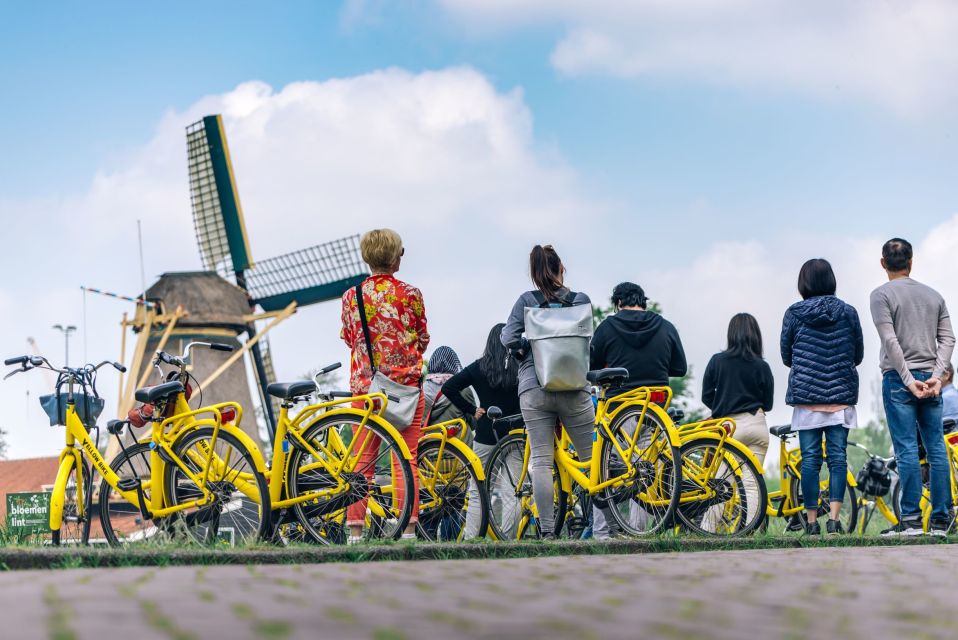
You meet the guide at Yellow Bike headquarters, a short walk from Amsterdam Central Station (Nieuwezijds Kolk 29). That matters because Amsterdam can feel like a maze when you’re hauling luggage or trying to line up tours around bike lanes and tram lines. Here, you’re anchored right by the station area, so you can get in, get briefed, and get rolling.
Before you depart, you’ll want to have the basics ready: comfortable shoes, water, and weather-appropriate layers. The tour is outdoors for the full ride time with a break, so plan for the Dutch habit of quick weather shifts.
The ride out of the city: quick ferry and immediate countryside feel
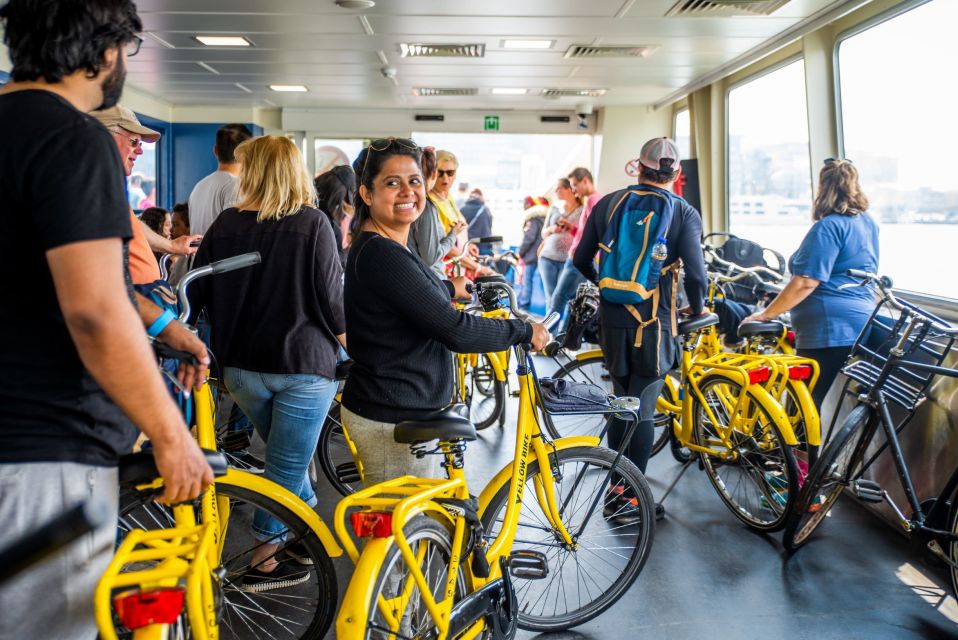
Once you start, you’re headed north and you’ll feel the change fast. The tour timing is tight enough that the city fades quickly, typically around a 15-minute ride to the countryside area. Along the way, expect a mix of scenic roads and water-adjacent stretches that make cycling feel very “Dutch,” very calm.
You also get a ferry segment early on (about 5 minutes). Even when it’s short, it breaks the rhythm in a good way. It’s a natural moment to look around, reposition your camera gear, and mentally reset before the sightseeing starts in earnest.
D’Admiraal Windmill and the easy rhythm of short stops
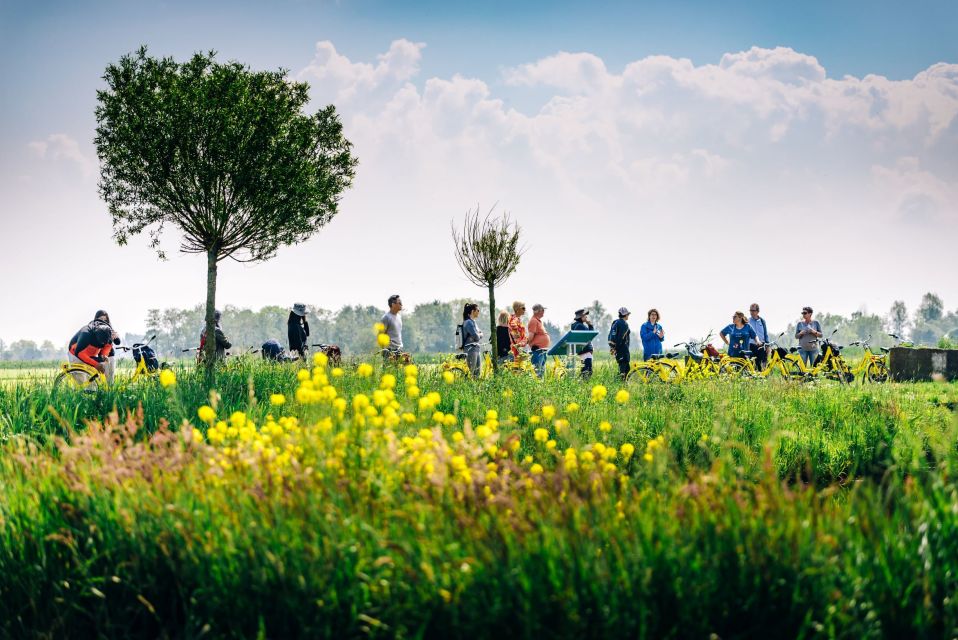
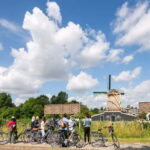
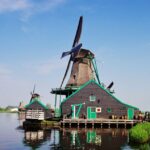
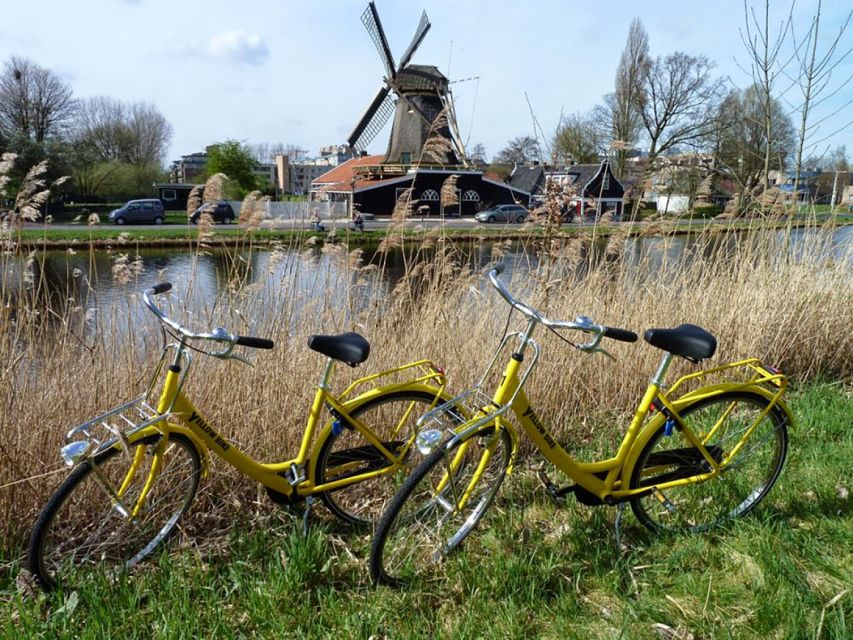
One of the first named sights is D’Admiraal Windmill, with a short sightseeing window (around 10 minutes). You’re not stuck waiting forever or losing the group to a long photo line. Instead, you get a quick arrival moment, a bit of context from your guide, and time to look at the windmill from the road or nearby vantage points.
This “short stop” style continues throughout the tour. The advantage is that you stay connected to the ride. You don’t feel like you’re constantly dismounting and remounting for big attractions. If your trip includes major museums later (Rijksmuseum, Van Gogh, that whole checklist), this format helps you balance the day: less indoor crowd time, more moving outdoors.
‘t Nopeind, Zunderdorp, and the village texture you only get by bike
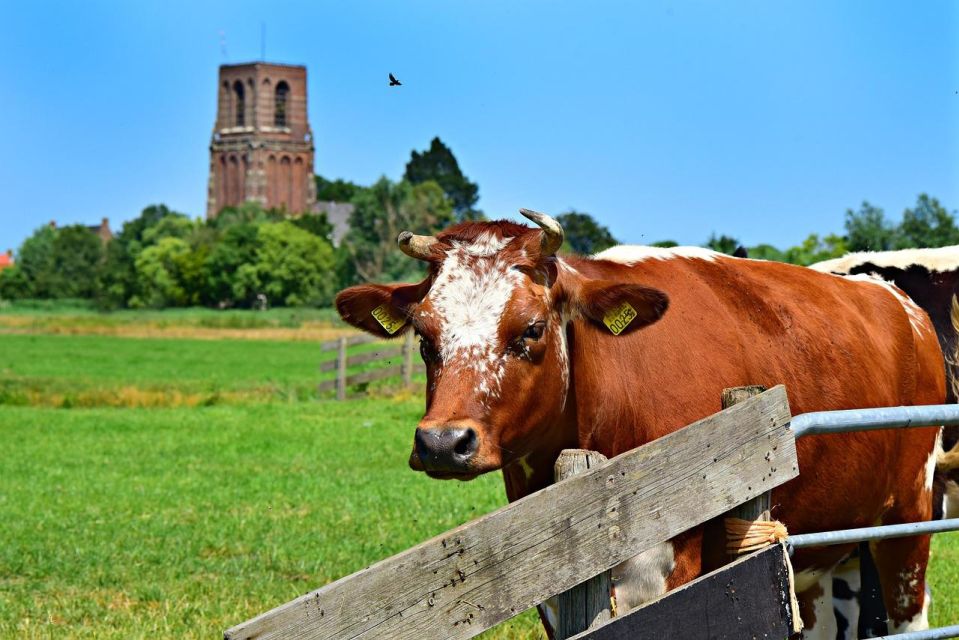
After the windmill, you move into a sequence of village stops that feel like stepping into everyday North Holland. You’ll pass through places such as ‘t Nopeind and Zunderdorp, plus a stop along Molenslootpad (each with roughly 10 minutes allotted for sightseeing).
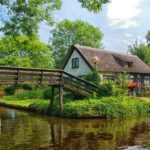
What I like about these small-town moments: they’re not “big landmark” stops. They’re the kind of locations that show you how the district actually functions—homes, roads, water edges, and the way routes connect villages without drama. If you prefer authentic local feel over only famous buildings, this is the right kind of pacing.
There’s also a practical benefit. Short sightseeing blocks let you get your bearings and photos without getting tired. If you’re new to cycling in a group, this structure helps you learn the flow quickly: arrive, listen, look, move on.



Waterland’s story: why this district is shaped by sea and water
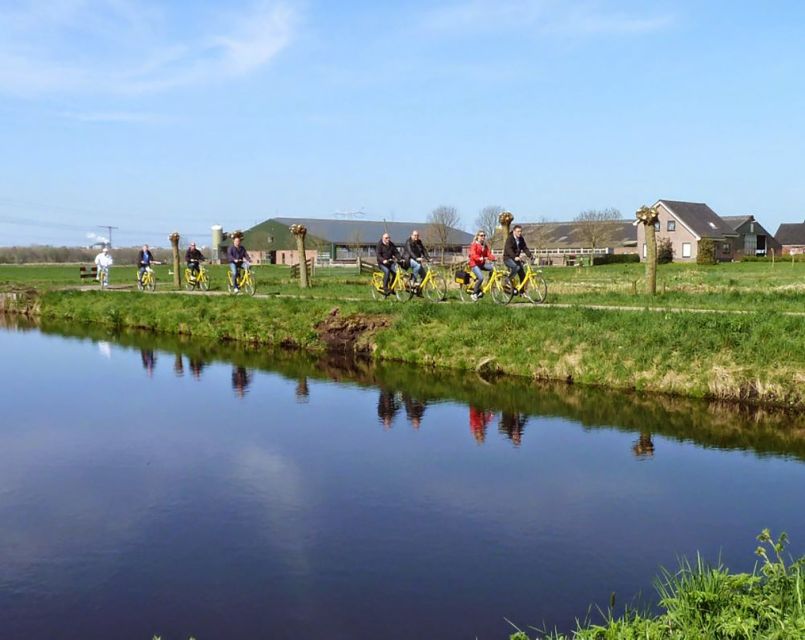
A big reason this tour earns strong ratings is the guide commentary. The information centers on how Waterland was reclaimed from the sea, and how the district’s dikes and waterways shaped daily life. You’ll hear this explanation as you ride alongside the water-related infrastructure that gives the area its identity.
This kind of storytelling is more useful than you might expect. When you’re riding flat roads bordered by waterways, the “why” turns random scenery into something you can actually read. You start noticing how water control and settlement patterns go together. Even if you don’t remember every detail, the big idea sticks: this isn’t just pretty countryside; it’s engineered land.
Guides also tend to keep the content interactive. Several people noted that questions were welcome and that the guide pace matched the group, which is especially helpful if you’re traveling with mixed biking comfort levels.
The café break at Hotel-Cafe De Zwaan: the right pause point
Your main break comes halfway through the tour at Hotel-Cafe De Zwaan for about 30 minutes. This stop is the practical half of the experience: you’ll get a chance to sit down, cool off, and refuel without turning the tour into a long meal.
Just remember what’s not included: food and drinks aren’t provided. That’s not a flaw—it keeps the tour flexible—but it means you should bring cash or a card you can use in the Netherlands, depending on what that café accepts. One practical takeaway: keep a little budget aside for that break so you’re not negotiating your order with limited options.
Also, don’t underestimate the timing. Thirty minutes is enough to eat something small and still rejoin the group comfortably. If you linger too long, you’ll feel the pressure later when you’re trying to catch the cycling rhythm for the return.
Durgerdam and the second ferry back to Amsterdam
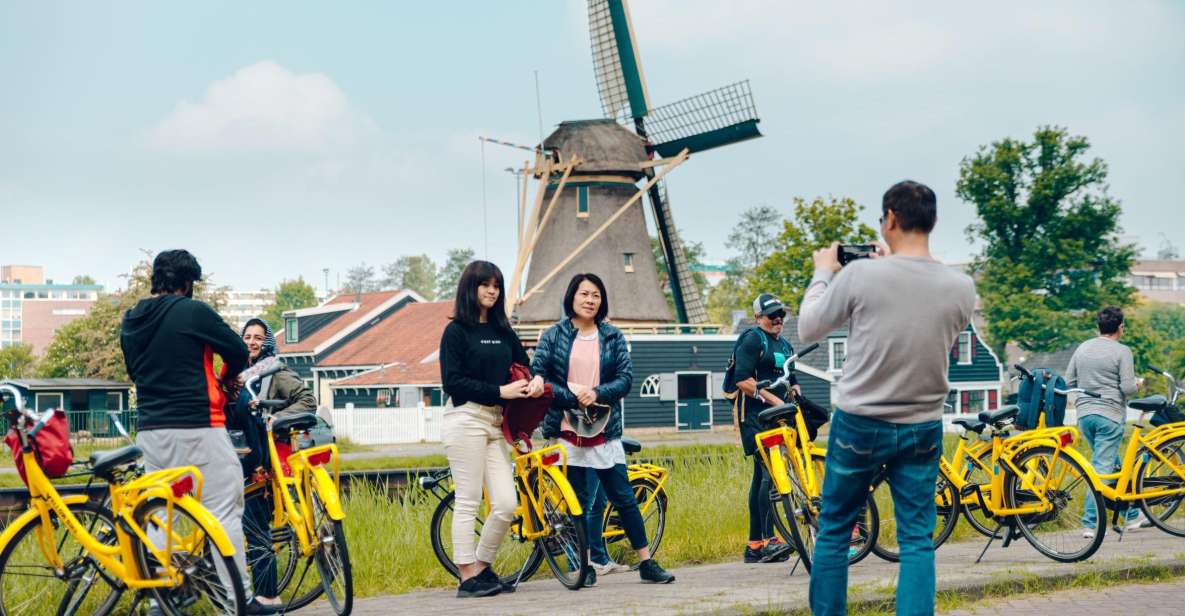
In the final stretch, you reach Durgerdam (around 10 minutes sightseeing). Like the other village stops, this is about visual texture—how the houses sit, how the roads bend, and how water stays part of the picture.
Then the tour heads back toward Amsterdam, including another ferry segment (about 10 minutes). That second crossing works like a bookend: it reminds you that this isn’t only about cycling, it’s also about traveling through a water-shaped region. When you land back closer to the starting point, you’ll likely feel a nice mix of tired legs and satisfaction, especially if you’ve been stuck in the dense city all week.
Bikes and comfort: flat doesn’t mean effortless
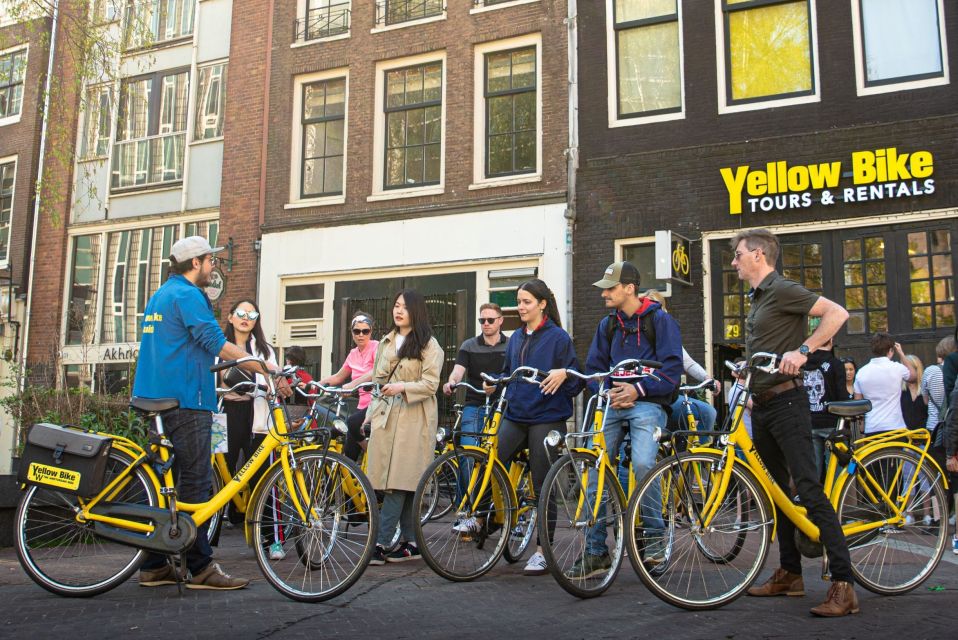
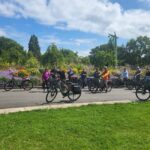
The tour highlights call out comfortable bikes and flat terrain, and the ride is described as easy and suitable for a broad range of abilities. You should expect low-stress cycling conditions: you’re not climbing hills, and the route is meant to be enjoyable for a half-day.
That said, I’d plan for some leg work depending on the specific bike you get. One review noted that the bikes can be more basic than you might expect, including single-speed style effort. If that’s your first time on gears-free cycling, you’ll want to lean on the guide and group pacing and not sprint at the start.
The other comfort factor is how often you get to stop. With short sightseeing windows, you’re not stuck riding through long stretches without breaks. You get enough pauses to reset your shoulders and hands on the handlebars.
Who this tour suits best (and who might want a different day)
This is a strong fit if you want:
- A countryside experience without complicated logistics
- A guided ride with history context
- A route that stays flat and manageable for most people on standard bikes
- A half-day activity that doesn’t wreck your energy for dinner or museums afterward
It’s not suitable for people with mobility impairments (the tour is explicitly not made for that).
If you’re a cyclist looking for intense training, you might find the pace moderate. If you want a fast, athletic bike workout, this probably won’t scratch that itch. But if your goal is “see more than the canal belt, with a guide handling route and timing,” it hits the mark.
Price and value: $57 for a guide, a bike, and a full morning-plus break
At about $57 per person for roughly 3.5 hours, you’re paying for more than bike rental. You’re getting:
- A live guide (English and Dutch)
- Bike rental included
- One structured break (about 30 minutes)
That’s good value if you’d otherwise be paying for a rental bike plus the hassle of planning a route on your own. Amsterdam is bike-friendly, but stepping outside the city into Waterland with a clear itinerary still takes coordination. Here, the guide handles that.
The only “hidden” cost is the café stop. Since food and drinks aren’t included, you’ll spend extra based on what you choose to order. If you plan ahead and treat that break like part of your budget, the overall value stays solid.
Small tips that make the ride smoother
- Bring water even if the day looks mild. You’ll ride for hours outdoors.
- Wear shoes you can walk in easily during the short stops.
- If you want options at the café, carry payment you can use there. Some shops may not take every card type.
- Keep your phone accessible for dike-and-water views, especially around the ferry segments where the perspective changes fast.
- If you’re unsure about cycling comfort, start steady. The guided pacing is designed to work for participants, but your body still needs a warm-up.
Should you book the Amsterdam Waterland Countryside Bike Tour?
Yes, if you want an easy, scenic, guided break from Amsterdam that still feels like a real experience. The flat route, the village stops, and the water-focused history make this more than a simple ride through open air. Guides like David and Willem are repeatedly praised for clarity and for being interactive, which matters when you want the “why” behind what you’re seeing.
I’d think twice only if you need food fully included (because it’s not) or if you’re expecting high-end road-bike comfort every single day. If you’re open to a basic rental bike and you want to see how Waterland looks and why it was shaped by water, this tour is a good match—and it’s one of the more efficient ways to get out of the city without losing a whole day.
FAQ
How long is the Amsterdam Waterland District countryside bike tour?
The tour lasts about 3.5 hours, including an approximate 30-minute break.
Where does the tour start?
You meet at Yellow Bike headquarters, a 3-minute walk from Amsterdam Central Station. The address given is Nieuwezijds Kolk 29.
Is bike rental included in the price?
Yes. Bike rental is included along with a tour guide.
Are food and drinks included during the break?
No. The tour includes an approximate 30-minute break, but food and drinks are not included.
Do you ride a ferry during the tour?
Yes. There is a ferry segment early in the tour (about 5 minutes) and another ferry segment on the way back (about 10 minutes).
What languages is the guide available in?
The tour guide speaks Dutch and English.
Can I cancel and get a full refund?
Yes. Free cancellation is available up to 24 hours in advance for a full refund.
What should I bring?
Bring comfortable shoes, water, and weather-appropriate clothing.