REVIEW · AMSTERDAM
Humans of Amsterdam: Cultural Walking Tour incl. meeting 2 locals
Book on Viator →Operated by Who Is Amsterdam Tours · Bookable on Viator
A good walking tour helps you read a city fast. This one focuses on meeting real Amsterdam locals and pairing it with classic sights, plus real food and drink like apple pie and craft beer. You start with the Homomonument and then move through Protestant church views, a coffeeshop story, the canal belt, and the Red Light District with a personal lens.
One thing to plan for: you’ll spend about 4 hours on foot in mixed weather, and it can include adult-themed material connected to the Red Light District. If you’re sensitive to that topic, or you hate walking in rain, I’d weigh that before booking.
In This Review
- Key highlights you’ll feel right away
- A story-first Amsterdam walk, built for your first days
- Meet two locals: the real reason this tour feels different
- Homomonument and the gay-rights context you’ll remember
- The Western Church (Westerkerk) stop: a city symbol in plain sight
- Paradox Coffeeshop and Ludo’s story: cannabis culture with context
- The UNESCO Canal Belt walk: reading the city from its waterways
- Cafe Papeneiland: brown-bar coziness plus apple pie
- De Wallen (Red Light District) with Rose’s perspective: honest and uncomfortable, in a useful way
- Brouwerij de Prael: ending with Fer, and a beer that feels like closure
- Price and value: what you’re really paying for
- Practical tips that make the day smoother
- Should you book Humans of Amsterdam?
- FAQ
- How long is the Humans of Amsterdam walking tour?
- What does the tour cost?
- Is the tour in English?
- How many people are in the group?
- Where does the tour start and end?
- What food and drinks are included?
- Do I need to buy tickets for the sights?
- Is there a dress or fitness requirement?
- Can I cancel for a refund?
- What happens at the Red Light District stop?
Key highlights you’ll feel right away
- Two local storytellers: you’ll meet at least two people with lived-in stories, not just “facts.”
- Small group size: maximum of about 8–10 people keeps the walk from feeling like a cattle line.
- Food and drink included: apple pie at a historic brown cafe, plus coffee/tea and a craft beer toast.
- Adult neighborhood handled with context: De Wallen comes with a personal story and video (not just shock value).
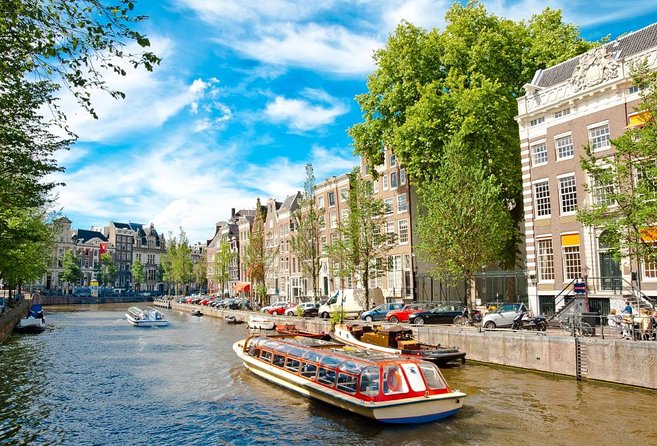
- Canal Belt views in a walk that actually explains them: UNESCO canal-ring context without turning it into a museum lecture.
A story-first Amsterdam walk, built for your first days
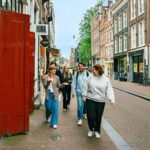
This tour works especially well when you want orientation without the usual script of “look at this building, here’s a date.” The guide keeps the pacing friendly and the stops varied, so you’re not stuck bouncing between only canals and churches. You’ll also get a sense of Amsterdam’s values and humor through how locals talk about their city.
You’re not just collecting landmarks. You’re learning how Amsterdamers make meaning out of the place: from rights and protest to daily rituals like coffeeshop culture and the city’s famously social vibe. The small group matters here, because you can ask questions without waiting behind a crowd.
You can also read our reviews of more walking tours in Amsterdam
Meet two locals: the real reason this tour feels different
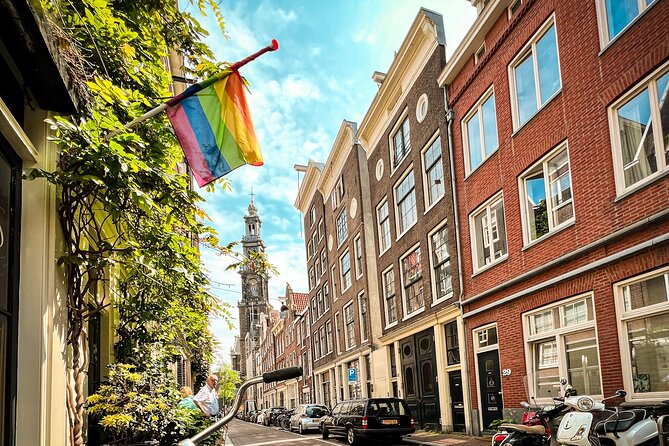
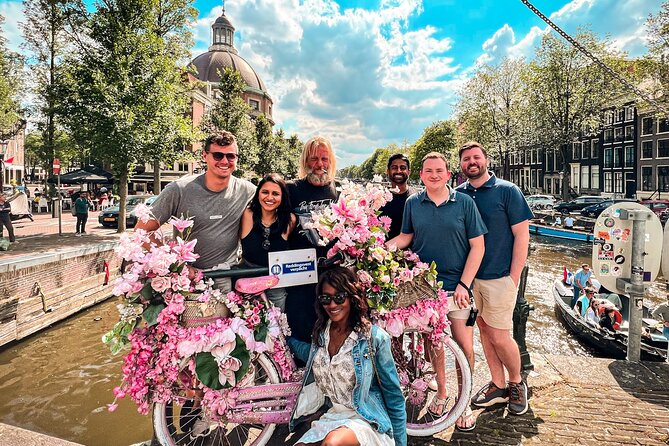
The biggest “value driver” isn’t any one building. It’s the fact that you’re scheduled to meet at least two locals with different life angles. Depending on the day, you might meet a coffeeshop owner (the Paradox connection comes through), a flower-bike style local (Warren is named in past runs), and an Amsterdam sex worker (Rose’s perspective is built into the De Wallen portion).
This isn’t a stage performance where a person recites a guidebook page. The stories are the point. That’s why you come away knowing how neighborhoods feel from the inside, plus what questions locals actually get asked all the time.
If you enjoy travel that’s human-scaled—short chats, real opinions, and context—this approach is the sweet spot. If you mainly want classic sightseeing with no conversation, you might prefer a more traditional walking tour.
Homomonument and the gay-rights context you’ll remember
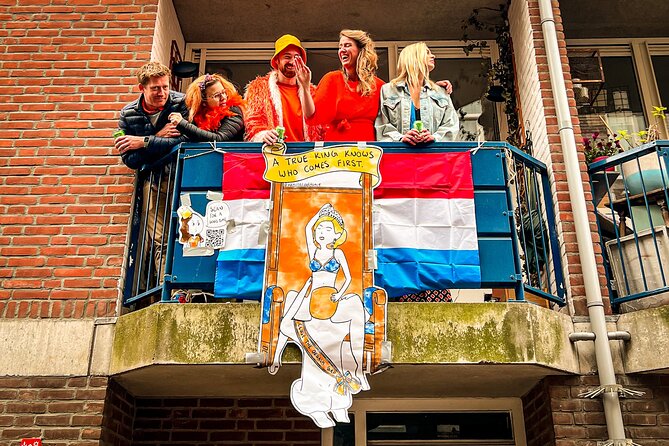
You begin at the Homomonument. This is the kind of landmark that can look simple at a distance, but hits harder once you understand why it exists and what it represents in a city known for progressive politics. The stop is brief (around 15 minutes) and you’ll get the story behind why the monument matters locally and beyond.
Why it’s worth your time: it sets the tone for the entire walk. Amsterdam isn’t just “pretty canals.” It’s a place where public life and personal rights are discussed in visible ways.
Practical note: if you’re photographing, this is a good early stop for photos, but plan to stay focused on the guide’s explanation too. The “why” is what makes the spot meaningful.
The Western Church (Westerkerk) stop: a city symbol in plain sight
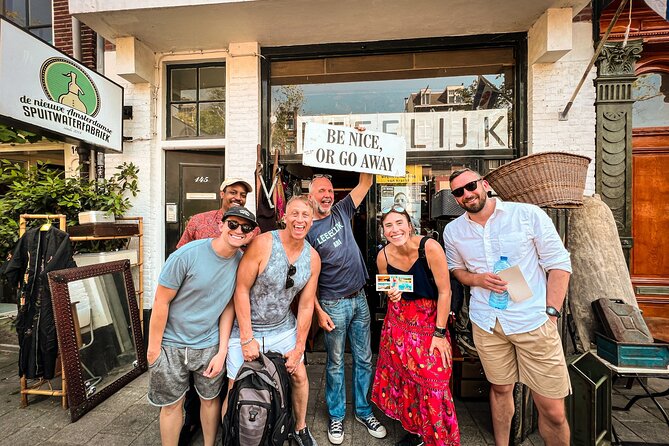
Next, you shift from one kind of public identity to another: the Western Church, built from 1619 to 1631. It’s described as Amsterdam’s biggest Protestant church, and its bell tower—called Westertoren—is treated as a pride point and a city symbol that still stands today.
What makes this stop interesting in practice is how it connects architecture to civic identity. The walk doesn’t just point at a tower and move on. You get the sense that Amsterdam’s skyline and worldview grew together.
A possible drawback: if churches aren’t your thing, this can feel like a “view-and-explain” moment rather than a deep interior experience. Still, even then, it’s a useful anchor point for understanding how the city talks about its landmarks.
Paradox Coffeeshop and Ludo’s story: cannabis culture with context
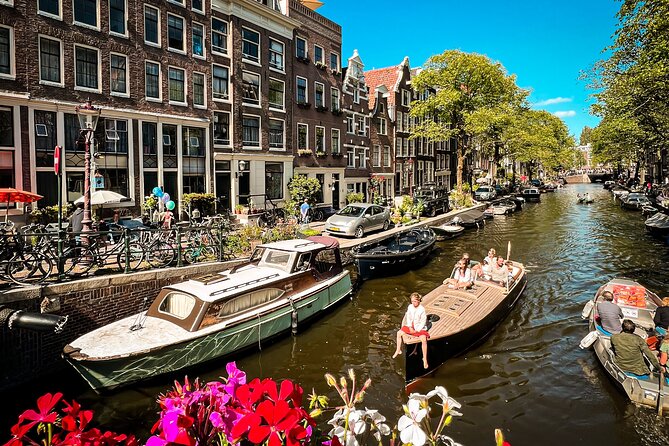
Amsterdam’s coffeeshops can be misunderstood in a hurry. This stop works better because it’s built around the story of Ludo, the owner of Paradox. You’ll learn how cannabis culture fits into the city’s everyday rhythm, not just how it shows up in movies or stereotypes.
Why this part is a win: the guide ties the topic to people. That matters when you’re trying to understand a place with complicated laws and strong opinions. Also, you get a sense of what makes coffeeshops feel local—cozy, social, and part of the city’s character.
Past references include that Anthony Bourdain was among the travelers who enjoyed Paradox. You don’t need that name to enjoy the stop, but it does signal that this is a known, well-regarded place rather than a random storefront.
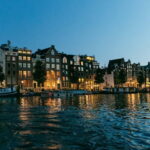



The UNESCO Canal Belt walk: reading the city from its waterways
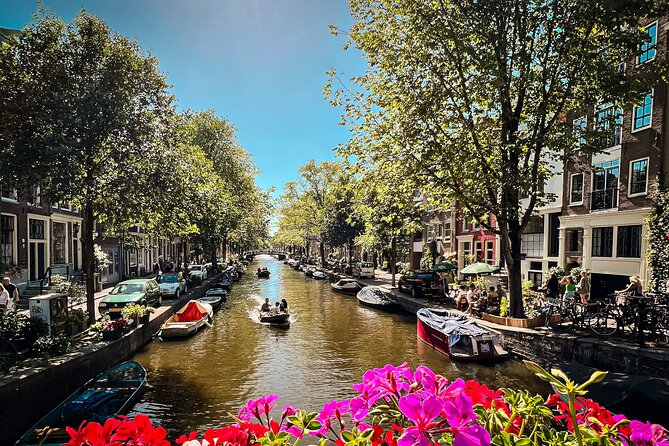
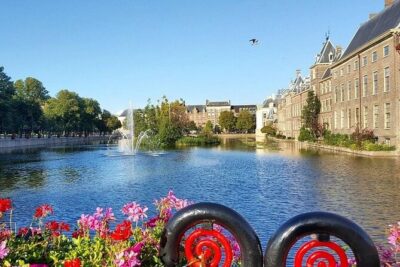
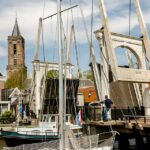
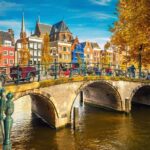
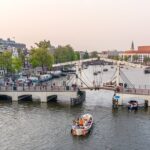
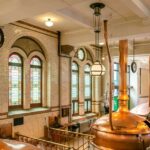
Then you get the canal-ring portion: the Amsterdam Canal Ring, also recognized as UNESCO heritage. Instead of only “look at the water,” you’ll see canal houses and the overall pattern of the canal belt, with the guide explaining what you’re looking at and why it matters.
This is where Amsterdam starts to feel like a system. You’ll get the sense that waterways weren’t just decoration; they shaped where people lived, how the city functioned, and how the city expanded. Even if you’ve seen canal photos before, walking the right stretches changes the scale fast.
One tip: bring a phone camera you can hold steady. Canal stops are great for pictures, but you’ll want to capture details like canal-house facades and the curve of the waterways without stopping too long in the middle of foot traffic.
Cafe Papeneiland: brown-bar coziness plus apple pie
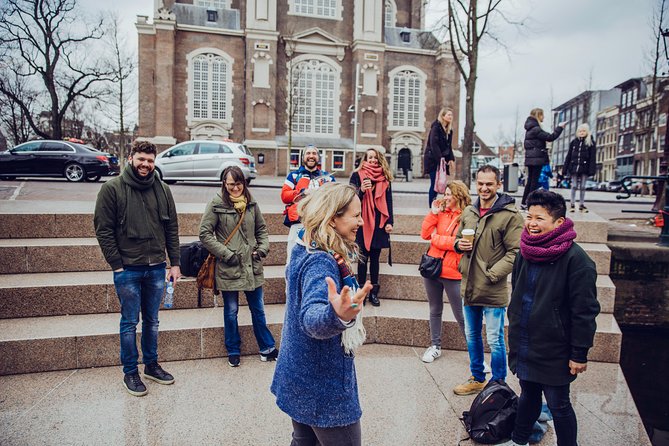
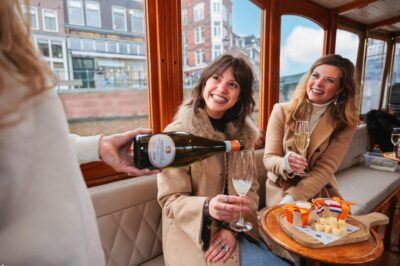
Next comes Cafe Papeneiland, a 200-year-old brown bar where Amsterdam’s social mood shows up in the food and the room. You’ll enjoy one of the city’s best apple pies here, plus a coffee/tea/soft drink or beer/wine alongside it depending on your preference.
The word you’re trying to translate is gezelligheid: cosiness as a way of life. This stop gives it to you on a plate. It’s also a smart pacing break after earlier stops, because the tour builds energy through walking and then lets you reset with something warm, sweet, and very local in feel.
A practical downside to consider: this is about 30 minutes. If you’re the type who loves lingering at cafes, you’ll still enjoy it, but don’t expect a long sit-down.
De Wallen (Red Light District) with Rose’s perspective: honest and uncomfortable, in a useful way
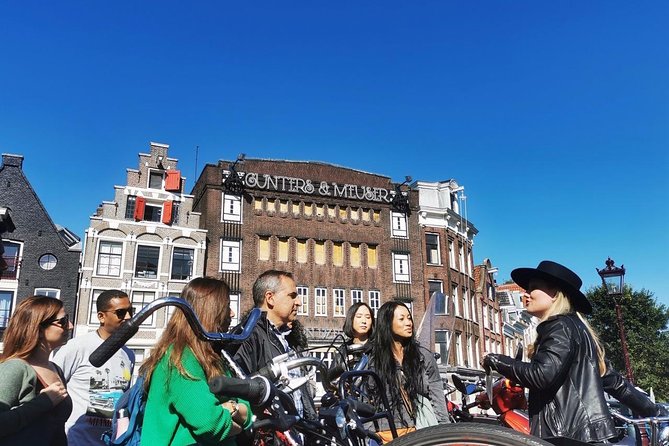
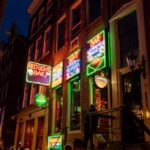
This is the most sensitive stop, and the tour doesn’t hide that. You’ll visit De Wallen and hear the personal story of Rose, a sex worker. The experience also includes showing the interior and features of a real brothel through video.
This stop can be valuable even if you’re not a “nightlife” person, because it reframes the neighborhood. The goal isn’t titillation. It’s context, and the contrast between how the district is viewed from outside versus how it works up close.
Still, be realistic about your comfort level. If adult content makes you queasy, or if you’re uncomfortable with sexual topics in daylight, plan to handle this with care. You’ll be better off choosing a different tour if you know you won’t like it.
Also: this part tends to be emotionally heavier than the church or canal sections. It’s okay to take a slower breath, ask questions if you want, and focus on the human story rather than the spectacle.
Brouwerij de Prael: ending with Fer, and a beer that feels like closure
You finish at Brouwerij de Prael, described as Amsterdam’s most “honest bar.” Here you toast with craft beer and hear the inspiring story of Fer, the owner, including how he started the microbrewery with a mission.
Why the ending works: it returns you to Amsterdam’s daily culture. You’ve walked through rights, architecture, local cannabis culture, canals, and adult neighborhood realities. Ending with a microbrewery gives you a social reset and a taste of something you can keep talking about after the tour ends.
If beer isn’t your thing, the tour notes other beverage options are available alongside the apple pie, but the craft beer toast is part of how the experience closes.
Price and value: what you’re really paying for
At $143.97 per person for about 4 hours, this isn’t a budget stroll. The value comes from packing multiple “paid experiences” into one format.
You’re getting:
- A small group size (maximum around 8, sometimes up to 10 in the listing data)
- Two local meet-and-greet stories minimum
- Apple pie at a historic brown cafe
- Coffee/tea/soft drink plus alcohol options, including craft beer at the end
- A guide who ties sights to culture and to the people who live there
A normal sightseeing-only tour can cost similar money, but it often lacks the local-meet factor and the included food/drink. Here, the meals and the meetings reduce your on-the-go spending and make the tour more than “just walking.”
One more value note: the stops include items marked free admission in the schedule, which helps keep your day from turning into a ticket-buying day. (You’re not paying extra just to stand in front of something.)
Practical tips that make the day smoother
This is a walking tour with moderate fitness needs. You’ll want comfortable shoes and a jacket you can layer. Even if the weather looks fine, Amsterdam can change quickly, and the tour is designed to run in all weather, so plan as if rain is possible.
Start time is 1:00 pm, and it’s built for daytime energy that transitions into the Red Light District area later. If you prefer ending earlier, this schedule may feel like a commitment, but it also means you avoid the late-night crowds that can turn things chaotic.
It’s also offered in English, near public transport. That helps if you’re hopping between neighborhoods during your visit.
Should you book Humans of Amsterdam?
Book it if you want Amsterdam as people experience it: two local storytellers, a canal walk with meaning, a historic pie stop, and a Red Light District segment that tries to explain rather than mock. It’s a strong fit for first-time visitors who want real orientation fast, plus travelers who like conversation and context.
Skip it if you mainly want quiet, classic “postcard views,” or if adult-themed stops will make you uncomfortable. The tour includes Rose’s story and brothel video content, so your comfort level matters as much as your interest level.
If you’re unsure, I’d treat it like this: choose it for the local-meeting format, not for a checklist of sights. That’s where the tour does its best work.
FAQ
How long is the Humans of Amsterdam walking tour?
It lasts about 4 hours (approximately).
What does the tour cost?
The price is $143.97 per person.
Is the tour in English?
Yes, the tour is offered in English.
How many people are in the group?
The tour is listed with a maximum of 10 travelers, and it’s described as an intimate small group with just 8 participants.
Where does the tour start and end?
It starts at Homomonument, Westermarkt, 1016 DW Amsterdam, and ends at Brouwerij De Prael, Oudezijds Armsteeg 26, 1012 GP Amsterdam.
What food and drinks are included?
You get apple pie at a historic brown cafe, plus coffee and/or tea with your pie. The tour also includes alcoholic beverages, including a craft beer toast.
Do I need to buy tickets for the sights?
The stops listed in the schedule show free admission for the Homomonument and other featured places on the route, and the tour is marked with admission ticket free at those points.
Is there a dress or fitness requirement?
You should have a moderate physical fitness level, and you should dress for the weather because the tour goes in all weather.
Can I cancel for a refund?
Yes, you can cancel for free up to 24 hours in advance for a full refund.
What happens at the Red Light District stop?
You visit De Wallen and hear the personal story of Rose, with video showing the interior and features of a real-life brothel.