REVIEW · AMSTERDAM
Jordaan, Anne Frank and Leidseplein tour in English
Book on GetYourGuide →Operated by Camaleon Tours · Bookable on GetYourGuide
Three hours, and Amsterdam feels suddenly personal. This English tour links the 17th-century Canal Ring with the Anne Frank story, so the city’s past sits right where you’re standing. It’s a focused route that helps you connect streets, buildings, and WWII in a way you can actually remember.
I especially like how the route teaches you to read Amsterdam. You’ll see wealthy-merchant palaces, the narrowest house, and iconic houseboats, then watch the vibe shift as you head into the Jordaan with its brown cafés and distinct side-street character. It’s not just sights—your guide turns them into a map of how people lived.
One key consideration: the Anne Frank House ticket is not included. If you want to go inside during the tour, you’ll need to arrange that separately, or plan for what you can cover around the house and nearby sites instead.
In This Review
- Key things that make this tour worth your time
- Why this 3-hour route is a smart way to start Amsterdam
- Starting at Central Station: get ready for the first stretch
- The Canal Ring: where you learn to spot Amsterdam’s “tells”
- Jordaan: brown cafés, narrow streets, and a neighborhood with character
- Anne Frank House area: understanding the story without needing to rush
- A timing note you should take seriously
- Prinsengracht and Westerkerk: when the city turns into a timeline
- Vondelpark and the Museumplein finish: a break that doesn’t feel like filler
- Value for $29: what you’re really buying
- Walking reality: pace, rain, and cyclist attention
- Is this the right tour for you?
- Should you book this Jordaan and Anne Frank tour?
- FAQ
- How long is the tour?
- What language is the tour guide?
- Where do I meet the guide?
- What is included in the price?
- Do I need a ticket for the Anne Frank House?
- Where does the tour end?
- Is there free cancellation?
Key things that make this tour worth your time
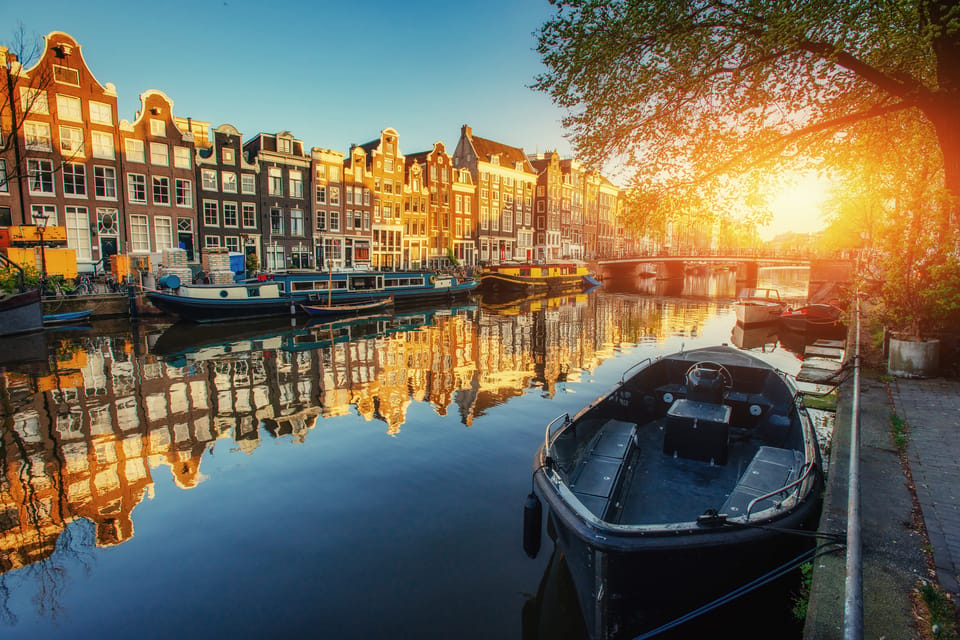
- Canal Ring orientation fast: world-heritage canal views and architecture in a tight walk
- Jordaan atmosphere explained: brown-café culture and street-level Amsterdam you’ll recognize later
- Anne Frank context on the ground: including the house area and WWII hardship in Amsterdam
- Westerkerk stop: the church tied to what Anne mentioned in her diary
- A real park pause: time for a walk through Vondelpark, the largest park in Amsterdam
- Museumplein finish: you end near Van Gogh Museum and Rijksmuseum so you can keep going
Why this 3-hour route is a smart way to start Amsterdam
Amsterdam can feel like a lot on day one. You’ve got canals, bridges, museums, and neighborhoods that each have a personality. This tour is built to reduce that chaos. In just three hours, you get a “greatest hits” chain of places—plus the meaning behind them—so your own wandering later makes more sense.
The biggest advantage is how the guide stitches themes together. You’re not hopping randomly. You start with the Canal Ring (the 17th-century heart of the city), shift into the Jordaan’s day-to-day culture, then connect to the Anne Frank area and the WWII story. Then you land in a calmer setting with a Vondelpark walk. It’s a clean arc: wealth and design, community life, wartime reality, then a breather.
You can also read our reviews of more tours and experiences in Amsterdam.

Starting at Central Station: get ready for the first stretch
The meeting point is in front of Amsterdam Centraal (Stationsplein 10). Plan to show up about 15 minutes early. Your guide carries a green umbrella, so it’s easy to spot the right person once you’re there.
After that, there’s a walk from the station area toward Amsterdam-Centrum. Expect a bit of group gathering and orientation talk at the start. The tour’s structure includes short guided segments mixed with walking, so the pace matters. If you’re the type who hates standing around, wear shoes that are comfortable for a steady stroll and be patient during the beginning moments when the guide gets everyone aligned.
The Canal Ring: where you learn to spot Amsterdam’s “tells”
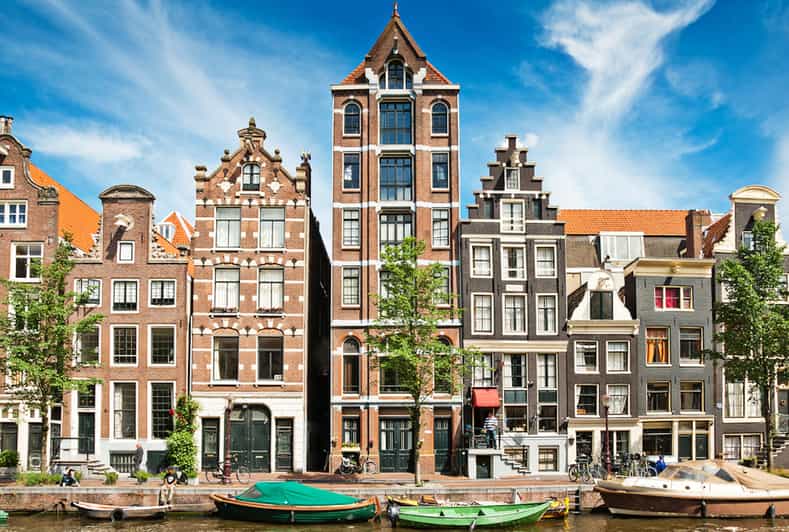
This part is the payoff for anyone who likes seeing cities as physical stories. You’ll move through the Canal Ring area, known for its 17th-century canal system and listed as a World Heritage Site. Your guide points out features that you can easily miss if you’re only taking photos.
Here are the kinds of details that make this stop useful:
- Merchant palaces: you’ll see how wealth looked when it was built into the city’s shape.
- Narrowest house in Amsterdam: it’s a quick, surprising landmark that helps you remember the canal belt.
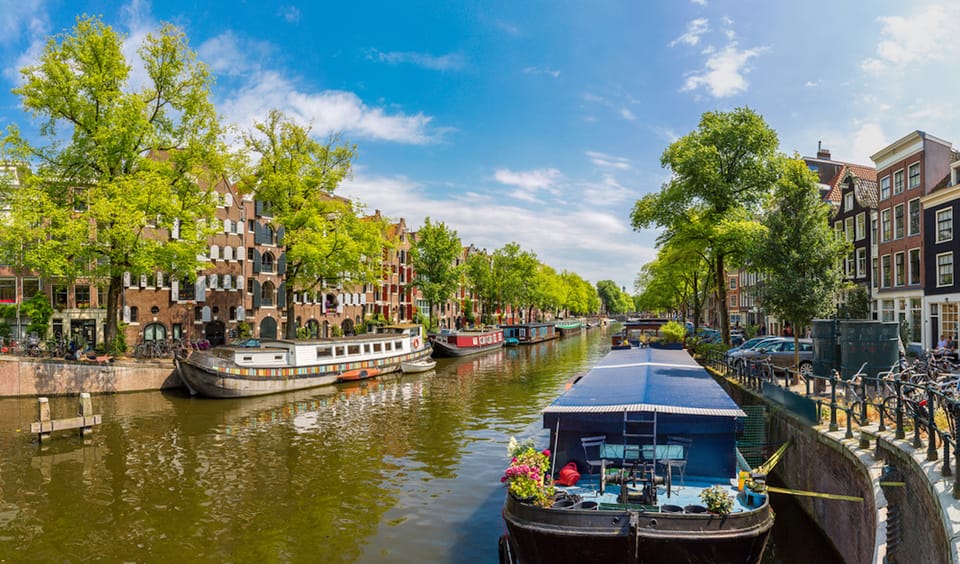
- Houseboats: Amsterdam’s living patterns show up on the water, not just on land.
This is also where you pick up the “geometry” of the city—how streets funnel into canals and how bridges connect neighborhoods. Once you know that, you’ll stop feeling lost every time you turn down a side street.
Jordaan: brown cafés, narrow streets, and a neighborhood with character
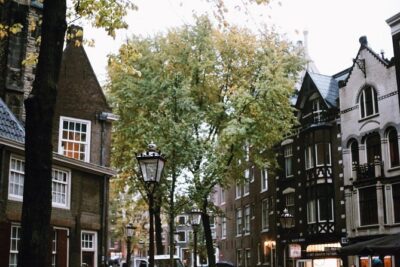
After the Canal Ring, you head into the Jordaan, often described as a bohemian-feeling area with its own daily rhythm. The guide keeps this stop practical: instead of just telling you it’s charming, you learn what to look for in the neighborhood’s layout and vibe.
Expect a guided walk with time to take in:
- the feel of brown cafés (cozy, community-rooted hangouts)
- the sense of a neighborhood made of small streets rather than grand boulevards
- the kind of local Amsterdam mood you can carry into your own wandering later
One real-world tip: Amsterdam streets can be tight, and cyclists can move fast and appear suddenly, sometimes in groups. If you’re wearing thick-soled shoes or you’re distracted by looking up at canals, slow down at corners. It makes the walk safer and calmer.
Anne Frank House area: understanding the story without needing to rush
The tour heads from the Jordaan toward the Anne Frank area via Prinsengracht, a canal route known for its classic Amsterdam scenery. Here’s where the guide’s storytelling matters. You’ll learn history in a way that’s anchored to place—so the story doesn’t float in your head as just dates.
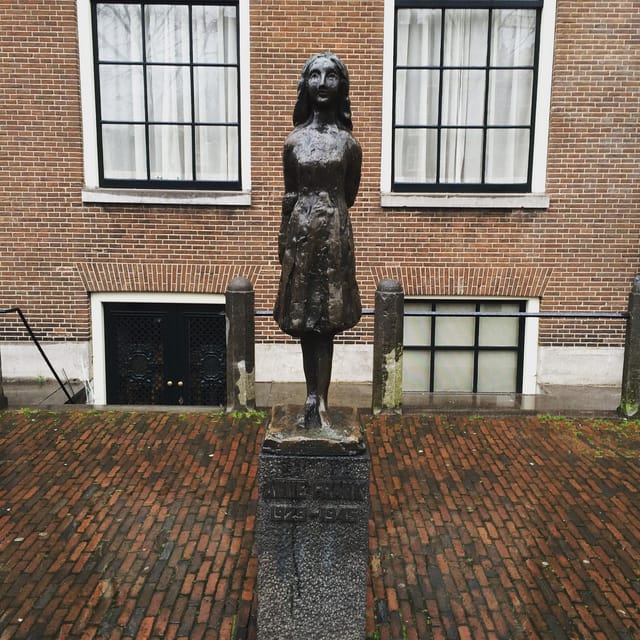
At the house area (you’ll also walk briefly near the museum square), you get a detailed explanation of:
- the house’s place in Anne Frank’s life
- how WWII was endured in Amsterdam
- how this neighborhood experience tied into the broader reality of occupation and fear
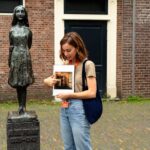
This stop also includes mention of Westerkerk, a church that Anne wrote about many times in her diary. You’ll walk there after the house area, which helps you connect the book to the city’s skyline and street corners.


A timing note you should take seriously
The Anne Frank House ticket is not included. That means your experience depends on how you plan in advance. If you want to go inside, you’ll need to buy your ticket separately and coordinate with your day. If you don’t, you can still learn a lot from the surrounding area and the guide’s context, but your visit won’t be the full museum experience.
Prinsengracht and Westerkerk: when the city turns into a timeline
This section is where the tour gains weight. Prinsengracht gives you the visual calm of canals, but the guide uses that calm as a contrast to wartime reality. Walking along the canal while you hear the story helps you understand why Anne Frank’s world felt both ordinary (streets, routines, neighborhoods) and frightening (secrecy and danger).
Then you reach Westerkerk, tied to the diary through the church Anne mentioned repeatedly. If you enjoy connecting literature to geography, this is a meaningful stop. Even if you’ve read parts of the diary before, seeing how it lines up with city landmarks makes the story feel more grounded.
Vondelpark and the Museumplein finish: a break that doesn’t feel like filler
After the WWII-focused stops, you switch gears into green. You’ll take a walk through Vondelpark, the largest park in Amsterdam. This is a good pacing change because you’ve been moving through dense streets and canal-side scenery, and the park gives you room to breathe and just watch.
There’s one practical consideration, though. The tour is only three hours long, so the park segment may be brief. On some schedules, the Vondelpark portion can be shortened if time runs tight. That’s not a dealbreaker, but it’s something to expect if you were hoping for a long, slow park stroll.
You’ll also finish close to Museumplein, where you can find the Van Gogh Museum and the Rijksmuseum. Ending near the museum area is smart. It’s an easy launching point for whatever you want next—another museum, a café, or just more canal wandering.
Value for $29: what you’re really buying
At $29 per person for a 3-hour English tour, the value is mostly in the guidance. You’re not paying for transportation; you’re paying for someone to point out the details and connect them into a story you can remember.
What you get:
- a professional English-speaking guide
- a structured route through major areas (Canal Ring, Jordaan, Anne Frank sites, Westerkerk, Leidse Square area, and Vondelpark)
- guided explanations at key points, not just a casual walk
What you don’t get:
- Anne Frank House ticket (you must arrange this separately)
So if your top priority is going inside the Anne Frank House during the same day, factor in that extra planning step. If your priority is context and orientation—understanding the city’s layout and the WWII story at the sites where it happened—this price is a fair deal.
Walking reality: pace, rain, and cyclist attention
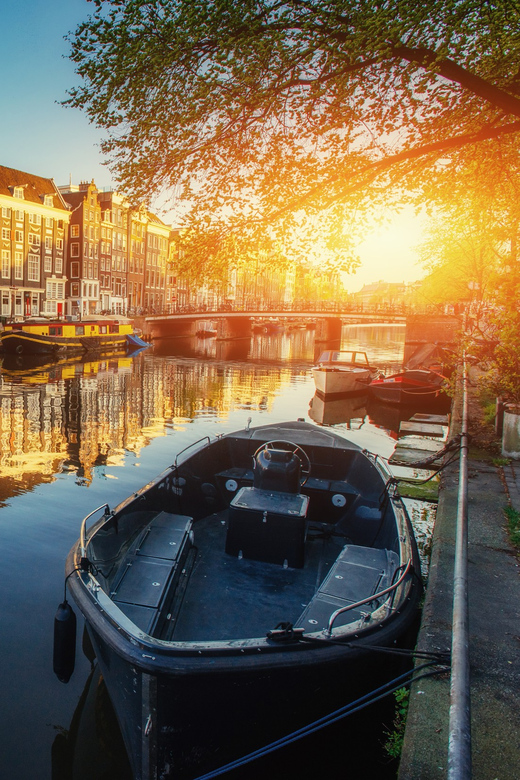
This is a walking tour with multiple short segments. That means comfort matters. Bring shoes that handle cobblestones and narrow streets. Also plan for weather. Amsterdam can turn on you fast, and rain gear is never wasted.
Cyclists deserve a special mention. When you’re in pedestrian-heavy lanes and canal-side streets, bikes can appear quickly and move in groups. Keep your head up, step aside when needed, and don’t assume you’ll always have an easy lane.
Is this the right tour for you?
I’d say this tour fits best if you want:
- a quick, guided framework for Amsterdam’s neighborhoods
- Anne Frank context tied to specific places, including Westerkerk
- an end point near Museumplein so you can keep your day flexible
It may be less ideal if:
- you strongly dislike waiting at the start and want nonstop movement
- you’re counting on a long Vondelpark time window
- you want the Anne Frank House visit included automatically (it isn’t)
One more honest note: any walking tour’s quality depends on the guide and the day’s timing. If communication is hard or the group gets stuck at the meeting area too long, the experience can feel frustrating fast. I’d still go prepared for a steady pace, but keep expectations grounded.
Should you book this Jordaan and Anne Frank tour?
Yes, if you want a well-structured way to connect Amsterdam’s canal-world and neighborhood life to the Anne Frank story, without spending half a day figuring out where to go. The $29 price makes sense because you’re buying guided interpretation, not just sightseeing.
Before you book, do two things: plan for a separate Anne Frank House ticket if you want to go inside, and bring practical walking gear. If you’re ready for a focused three-hour loop—Canal Ring to Jordaan to Anne Frank and WWII context, then a calmer finish at Vondelpark and near Museumplein—you’ll get a lot out of it.
FAQ
How long is the tour?
The tour lasts 3 hours.
What language is the tour guide?
The tour is in English.
Where do I meet the guide?
Meet in front of Amsterdam Centraal Station at Stationsplein 10. You should arrive 15 minutes before departure, and the guide will be holding a green umbrella.
What is included in the price?
The tour includes a professional, English-speaking guide.
Do I need a ticket for the Anne Frank House?
Yes. The Anne Frank House ticket is not included.
Where does the tour end?
The tour ends at Museumplein, 1071 DJ Amsterdam.
Is there free cancellation?
There is free cancellation up to 24 hours in advance for a full refund.