REVIEW · AMSTERDAM
REDKULT: Red Light District & Historical City Center
Book on GetYourGuide →Operated by Herzblut Amsterdam Stadtführungen · Bookable on GetYourGuide
Amsterdam’s contradictions, on foot.
I love how this tour treats the Red Light District as a real neighborhood with real people and real context, not a cartoon version. I also like the pairing with the Historic City Center and Grachtengordel, so you see how Amsterdam’s canal-ring city life sits right next to the city’s most notorious street.
One consideration: it’s a walking route through an area that can feel uncomfortable if you prefer strictly family-friendly sightseeing. Also, it runs rain or shine, so you’ll want shoes and clothing that handle standing around and moving at a steady pace.
In This Review
- Key moments that make REDKULT feel worth it
- The smart way to see Amsterdam’s Red Light District (without going numb)
- Starting at Beursplein 4: easy meeting, quick orientation
- Red Light District walking: what you’ll focus on and what to expect
- Historic City Center + Grachtengordel: how the canal-ring changes the story
- How long is 2.5 hours, really? A pace you can handle
- What you learn: context, insider tips, and the human angle
- Practical value: what $32 buys you in Amsterdam time
- What to bring (and what to skip) so the walk stays pleasant
- Accessibility notes: check before you assume
- Who should book REDKULT?
- Should you book REDKULT?
- FAQ
- What areas does the REDKULT tour cover?
- How long is the tour?
- What language is the tour guide?
- Where do we meet for the tour?
- Is food or drinks included?
- Does the tour run in bad weather?
- How big is the group?
Key moments that make REDKULT feel worth it
- Small group size (up to 8) keeps the guide’s pacing relaxed and Q&A realistic
- German guide with humor and facts makes sensitive topics easier to follow
- Red Light District context helps you understand the place and the people behind the headlines
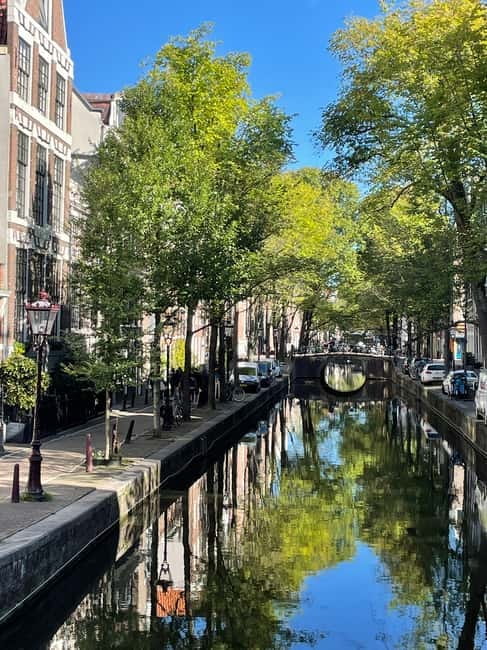
- Historic City Center + Grachtengordel gives you architecture-and-canals variety in one loop
- Insider tips for after the walk so you leave with next-day ideas, not just photos
The smart way to see Amsterdam’s Red Light District (without going numb)
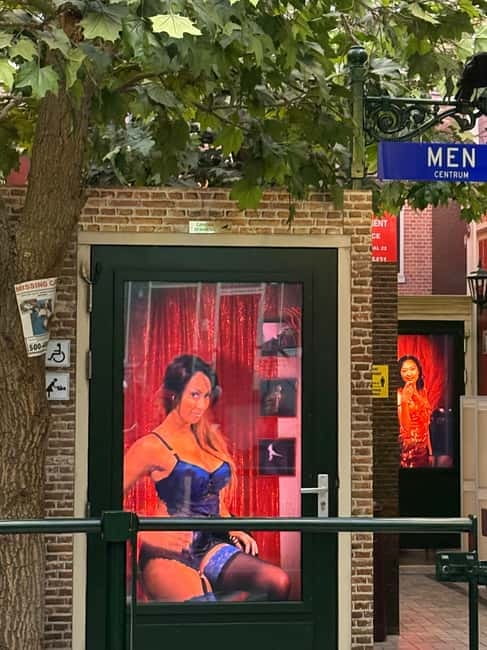
Amsterdam is famous for canals, bicycles, and neat museum days. But it’s also a city of contrasts, and the Red Light District is part of that truth. This tour doesn’t ask you to gawk; it asks you to look with context—how the area works, why it exists, and who people are in it.
What makes this work well is the tone. In the best moments, the guide mixes history and everyday reality with humor. That combo matters because the subject is sensitive, and you’ll get farther if your guide can explain without preaching or turning it into a spectacle.
Also, you’re not just hearing one side. The tour is set up as a guided walk where you can ask questions and get background that helps you connect the dots between the streets you’re standing on and the broader city around them.
You can also read our reviews of more city tours in Amsterdam



Starting at Beursplein 4: easy meeting, quick orientation
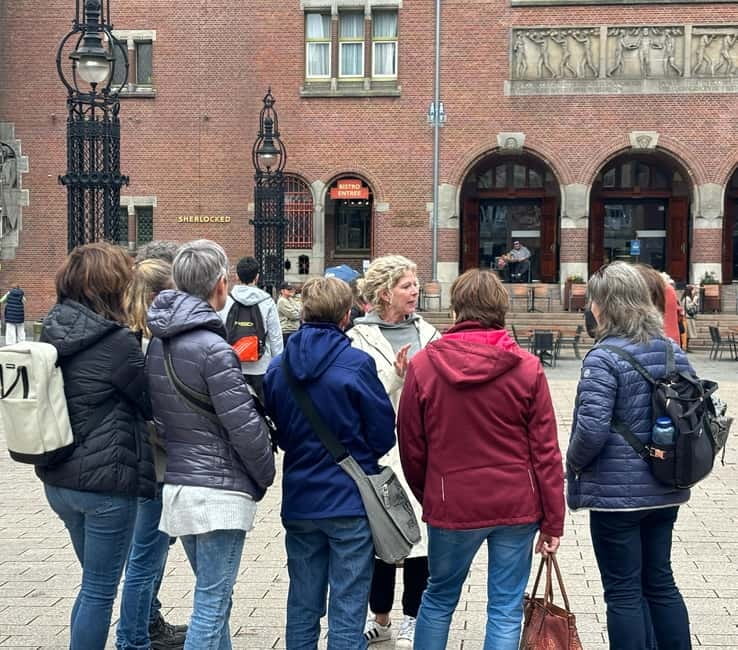
Your tour starts at Beursplein 4, between the two fountains, right between Amsterdam Centraal and Dam Square (about a 3-minute walk from either). That’s a nice setup because you can arrive from different directions without wrestling with complex transit planning.
Look for your guide with a black-and-white striped band around their neck. Arrive about 5 minutes early so you’re not rushed, especially if you’ve been sprinting through wind and rain.
If you’re arriving from Central Station, I suggest giving yourself an extra minute or two just to slow your pace before the walk begins. The tour is 2.5 hours, and it goes best when you start the way you mean to finish: ready to walk and listen.
Red Light District walking: what you’ll focus on and what to expect
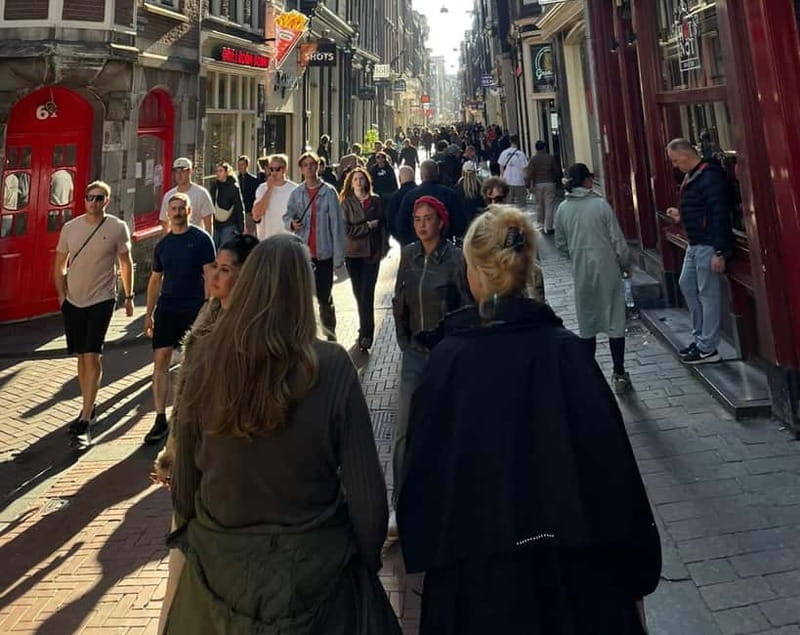
This isn’t a quick drive-by. The core of REDKULT is a guided walking tour of the Red Light District, paired with explanations about the place and the people who work in it. You should go in with the mindset of learning the “how and why,” not seeking shock value.
A helpful detail: the tour is described as cheerful and fun, with relevant background and insider tips. That matters because it nudges the conversation toward understanding—how the district fits into the city’s social and cultural geography.
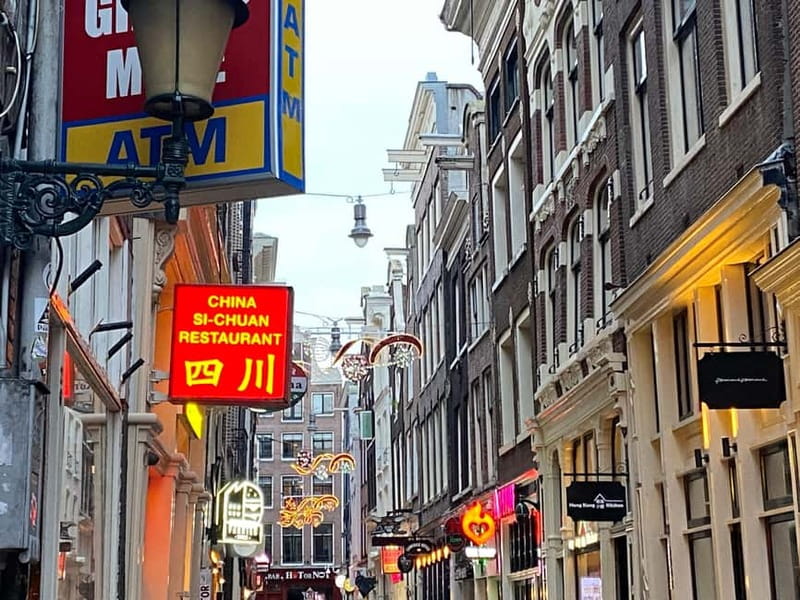
You’ll also see the reality of street-level Amsterdam. The area has its own visual language—lighting, shopfront-style spaces, and the busy rhythm of pedestrians and cyclists. A guide helps you read it quickly so you’re not just staring at your phone.
One more note: there are rules. Luggage or large bags aren’t allowed, and intoxication, alcohol, and drugs aren’t permitted. That keeps the walk comfortable for everyone and helps the guide maintain the tone.
Historic City Center + Grachtengordel: how the canal-ring changes the story
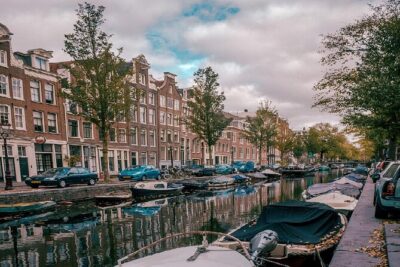
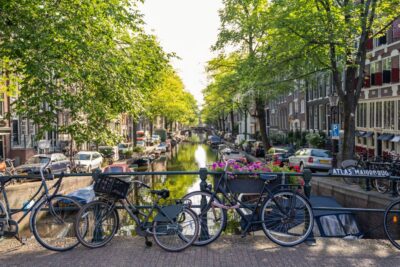
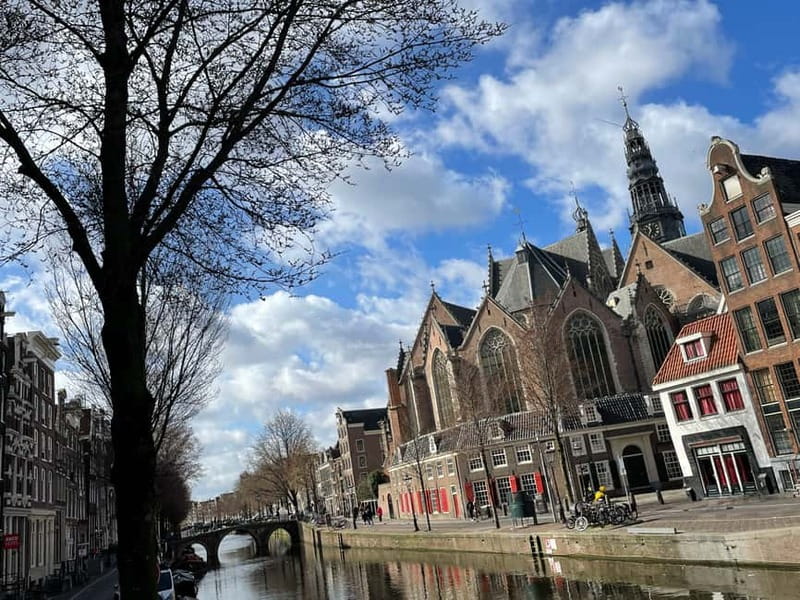
The second half of the tour energy shifts from the district’s headlines to Amsterdam’s city-shape. You’ll walk through the Historic City Center and around Grachtengordel, so you get a sense of how Amsterdam’s canal-ring planning and architecture influence everyday life.
This pairing is smart for two reasons.
First, it gives you contrast. You’re not only learning about one famous zone; you’re seeing it placed next to the parts of Amsterdam that visitors often associate with romance, order, and heritage.
Second, it helps your brain build a map. Once you’ve walked through the canal-ring area, the city feels less like separate attractions and more like one connected urban design. That makes your remaining time in Amsterdam easier, since you’ll start to understand how neighborhoods relate to each other.
I also like that the tour doesn’t just point things out. It’s described as full of city history background, anecdotes, and impressions. That kind of storytelling is what turns “I saw buildings” into “I understand why the city looks the way it does.”
How long is 2.5 hours, really? A pace you can handle
The tour lasts 2.5 hours and stays a walking format throughout. That length is long enough for real context, but not so long that you’re counting minutes every ten minutes.
Because the group is small (limited to 8 participants), the pacing tends to be more flexible. That’s where the guide’s style matters—if they’re funny and clear, you keep moving without feeling like you’re being rushed through uncomfortable topic matter.
The guide language is German. If you’re not confident in German, you might want to check if you’re comfortable following explanations in a language you’re still learning. The tour is still worth considering for the visuals and general flow, but it’s clearly built around live guiding in German.
And yes, it runs rain or shine. So plan for wet pavement and occasional pauses if the weather gets annoying. Bring water and dress for the forecast.
You can also read our reviews of more historical tours in Amsterdam






What you learn: context, insider tips, and the human angle
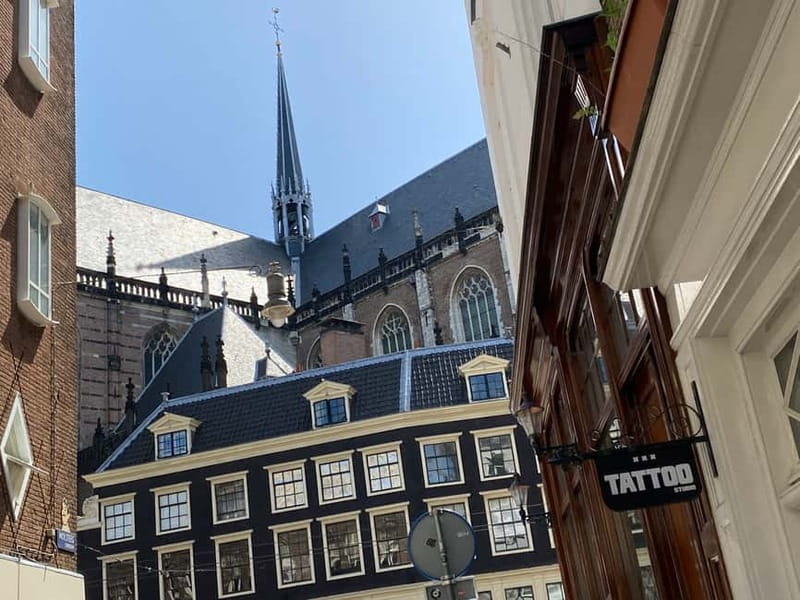
The tour’s big promise is insight: learn about the place and the people who work in the Red Light District, then connect that to Amsterdam’s historic setting. That “human angle” is what makes the walk feel different from a purely sightseeing loop.
The strongest reported moments are guide-led storytelling with humor and factual background. One guide named Anne stood out for people because she combined humor with expertise, and her information was interesting without feeling overloaded. Another highlight: guides include tips for what to do next day in Amsterdam, which helps if you’re planning your schedule while your memories are still fresh.
You can think of this tour as a set of explanations that makes your later self-guided wandering smarter. After 2.5 hours, you’ll likely know where to look, what patterns to notice, and which streets tell the bigger Amsterdam story.
Practical value: what $32 buys you in Amsterdam time
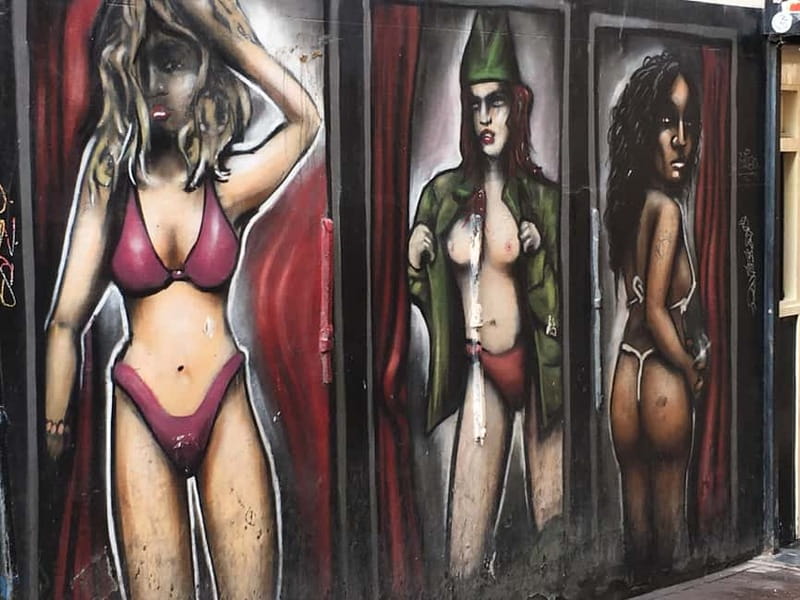
At $32 per person, the value here is the guide time plus the fact that you’re covering multiple themed areas in one loop. You’re paying for someone to do the translating work between what you see and what it means.
A walking tour in Amsterdam can easily turn into either a lecture or a photo-walk. This one is described as entertaining, with background information, anecdotes, and lots of relevant context. If that matches your travel style, $32 for 2.5 hours with a small group can feel like a fair trade.
Just be realistic about what’s not included. Food and drinks aren’t provided, and there’s no mention of stops for meals. That means you should plan a snack or plan your meal around the tour rather than assuming you’ll grab something during it.
Also remember: tips are not included in the ticket price. If you liked the guide’s humor and clarity, you’ll probably want to tip—use your judgment based on your experience.
What to bring (and what to skip) so the walk stays pleasant
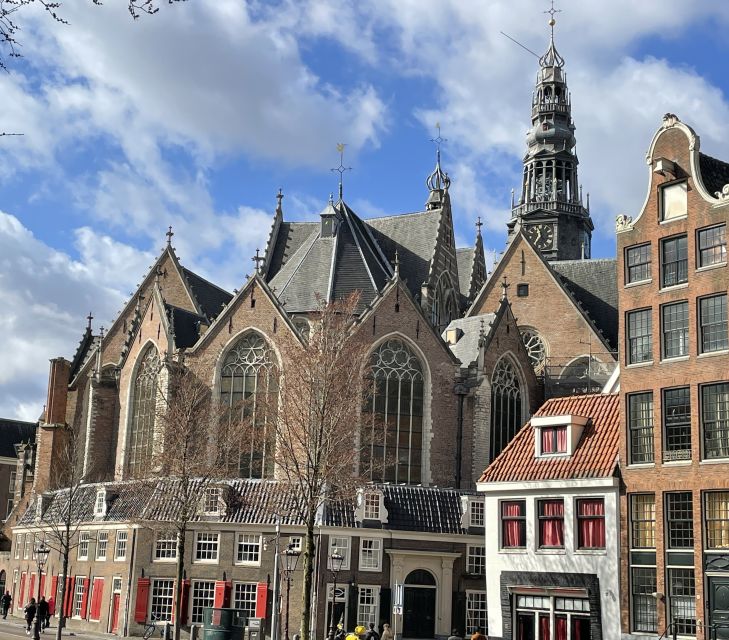
Bring comfortable shoes. You’ll be on foot for the whole 2.5 hours, and Amsterdam surfaces can be slick after rain. Also bring water, since food and drinks won’t be provided.
Weather-appropriate clothing matters because it runs rain or shine. Even if you’re bundled up, the pace can still get you warm and sweaty, so it’s worth choosing layers you can adjust.
Skip big bags. Luggage or large bags aren’t allowed, so pack lightly. If you’re traveling with a daypack, keep it manageable.
Finally, keep the rules in mind: intoxication, alcohol, and drugs aren’t allowed. It’s not just policy; it keeps the tour atmosphere respectful and easier to enjoy.
Accessibility notes: check before you assume
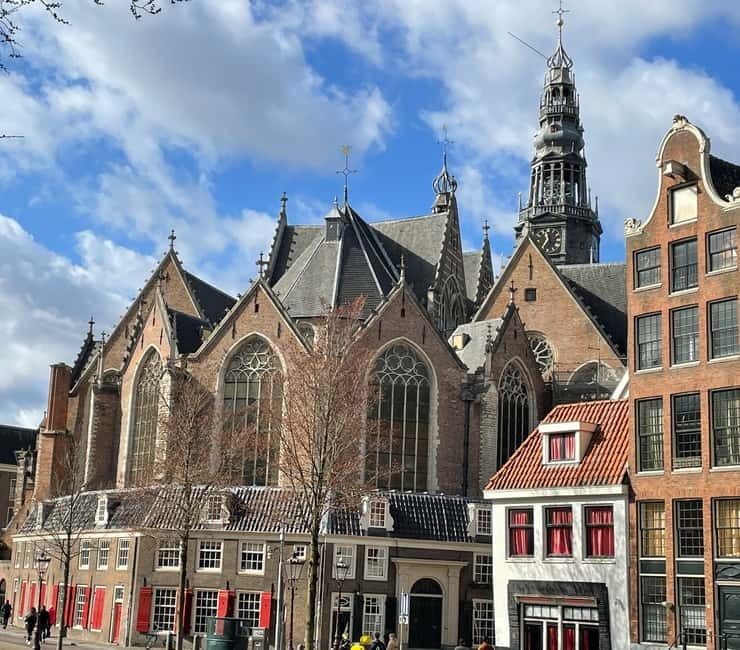
The activity lists wheelchair accessible, but it also says it’s not suitable for people with mobility impairments. That mismatch can happen when different constraints apply to different mobility needs.
If accessibility is a deal-breaker, I recommend contacting the operator before booking. Ask what parts of the route are easiest, how the group handles wet weather, and whether your specific mobility needs can be accommodated.
In the meantime, consider that it’s a street-level walking route through busy areas. Even when a wheelchair can physically roll, uneven ground and crowd flow can still matter.
Who should book REDKULT?
This tour is a strong fit if you want Amsterdam with context. If you’re the type who hates vague “see this, take a photo” tours, you’ll probably enjoy the focus on background, insider tips, and guide storytelling.
It also makes sense for couples, friends, and solo travelers who like a small group. Limited to 8 participants, it’s easier to hear the guide and easier to ask questions without feeling lost in a crowd.
If you’re traveling with kids, it may not be ideal because the Red Light District is central to the experience and the theme is adult. If you’re sensitive to uncomfortable topics or you prefer purely scenic routes, this might not match your comfort level.
Should you book REDKULT?
Book it if you want one efficient, guided way to understand Amsterdam’s toughest contrast: the Red Light District paired with the historic canal-ring city. The best version of this tour happens when you enjoy human explanations, a bit of humor, and learning how neighborhoods work.
Skip it if you want a light, family-friendly sightseeing loop, or if you’re not comfortable walking through an area tied to adult themes. Also, if language is a concern, remember the guide is live in German, and the tour is built around that.
If you’re on the fence, consider this simple test: do you want more meaning than postcards? If yes, REDKULT is a practical choice.
FAQ
What areas does the REDKULT tour cover?
It covers the Red Light District, the Historic City Center, and the Grachtengordel area.
How long is the tour?
The duration is 2.5 hours.
What language is the tour guide?
The live tour guide language is German.
Where do we meet for the tour?
The tour starts at Beursplein 4, in the middle between the two fountains, between Central Station and Dam Square.
Is food or drinks included?
No. Food and drinks are not included.
Does the tour run in bad weather?
Yes, it takes place rain or shine.
How big is the group?
It’s a small group limited to 8 participants.