REVIEW · AMSTERDAM
Amsterdam: City walking experience with a local
Book on GetYourGuide →Operated by Guidance Travel · Bookable on GetYourGuide
Amsterdam makes more sense on foot. This 2-hour walking tour with a local guide connects the postcard Amsterdam you’ve seen on Instagram to the city’s real story: canals, WWII scars, bikes, and the culture that keeps Amsterdam famously open-minded.
I like two things most. I really value the local perspective—the way the guide (often Manouk) ties together big landmarks like Dam Square and Amsterdam Centraal with street-level context you won’t get from a standard loop. And I love the hands-on pacing: a small-group feel, time to ask questions, plus a simple food moment (stroopwafel) and a small souvenir at the end.
One consideration: you won’t go inside the Royal Palace. If that interior visit is your top goal, plan a separate ticket day. Also, the tour talks about Amsterdam’s adult-and-cannabis history through the 3 XXX’s theme, so it’s not the best fit if you want a purely family-friendly, PG-only stroll.
In This Review
- Key things to love about this Amsterdam walking experience
- Entering Amsterdam on foot, with a local who links old and new
- Meeting at Beursplein: quick to find, built for walking pace
- Dam Square to Spui Square: the center of power and the center of people
- Begijnhof and Huis aan de Drie Grachten: quiet corners that change your view
- Nieuwmarkt Square to Amsterdam Centraal: living transport, layered history
- The canals, the bikes, WWII, and the 3 XXX’s: what the guide connects
- The stroopwafel stop and souvenir: small, but the right kind of payoff
- Price and value: what $28 buys you in Amsterdam
- Who this walk is for, and who should pick something else
- Should you book this local Amsterdam walk?
- FAQ
- How long is the Amsterdam city walking experience?
- Where do I meet the guide?
- What’s included in the price?
- Is the Royal Palace included in the tour?
- What language is the tour offered in?
- Is the tour suitable for kids and everyone?
Key things to love about this Amsterdam walking experience
- Manouk-style guide energy: friendly, question-friendly, and heavy on practical city suggestions
- Real context at the main sights: canals, Dam Square, Begijnhof, and Amsterdam Centraal explained like a living city
- The “3 XXX’s” theme with facts: coffeeshops and prostitution discussed in historical and modern terms
- Bikes, both serious and funny: why there are so many and where they go when they seem to vanish
- Mid-tour stroopwafel + end souvenir: a small treat that feels authentically Dutch, not a hard sell
Entering Amsterdam on foot, with a local who links old and new
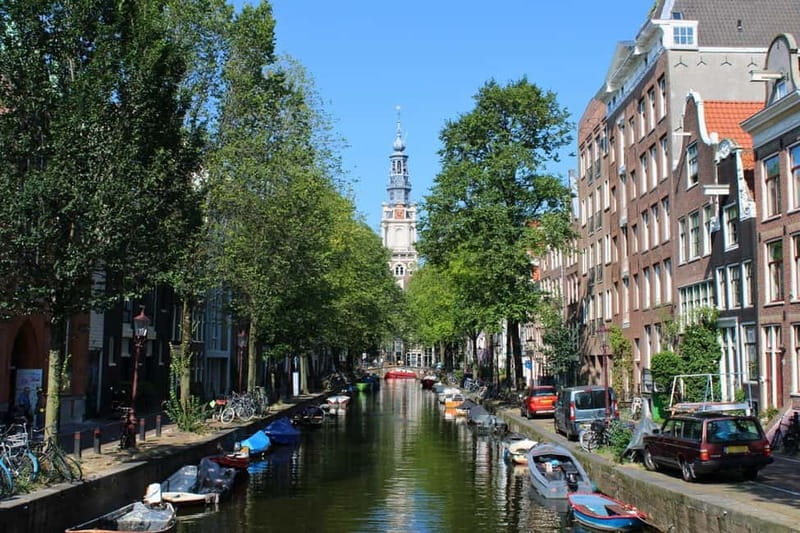
Amsterdam has two faces. One is easy to photograph. The other is harder to grasp unless someone explains what you’re seeing and why the city grew this way.
That’s the point of this walking format. In about two hours, you cover a smart stretch through Amsterdam Centre while learning how a medieval settlement became a modern place known for tolerance—and how that reputation wasn’t just luck. Expect conversations that connect everyday details (like street layout and bike traffic) to bigger historical moments, including the impact of WWII and the way the canal belt shaped development.
And yes, the tour doesn’t forget to be pleasant. You’ll stop for a stroopwafel mid-walk—one of those Dutch snacks that tastes like caramel trapped between two thin cookies. It’s an easy way to keep energy up while the guide’s stories keep flowing.
You can also read our reviews of more walking tours in Amsterdam


Meeting at Beursplein: quick to find, built for walking pace
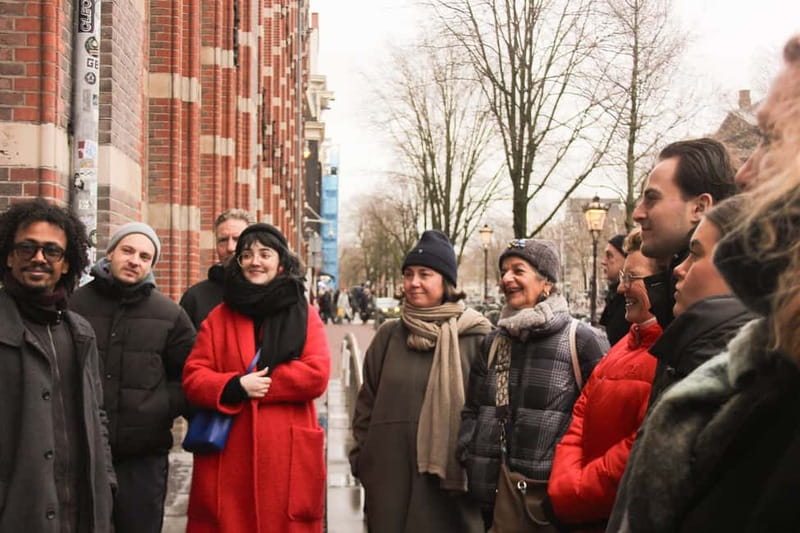
You start at Beursplein, at the bottom of the stairs of Bistro Berlage. The guide waits near the large black lantern, holding a sign that says Guidance.
This matters more than it sounds. Amsterdam can be confusing at first—different streets look close but aren’t. Starting at a straightforward square helps you settle into the day fast. And because the whole experience is designed as a walk, you’ll get the rhythm of Amsterdam in real time: bridges, canalside sightlines, and that stop-and-look-and-listen pace locals actually use.
The tour is listed as wheelchair accessible, which is a genuine plus for a city that can be uneven. It’s also a small-group experience, with an option for a private group if you want less mixing and more personalized questions.
One more fit note: it’s not suitable for children under 12, so adults get the most comfortable, relevant pace for the topics covered.
Dam Square to Spui Square: the center of power and the center of people
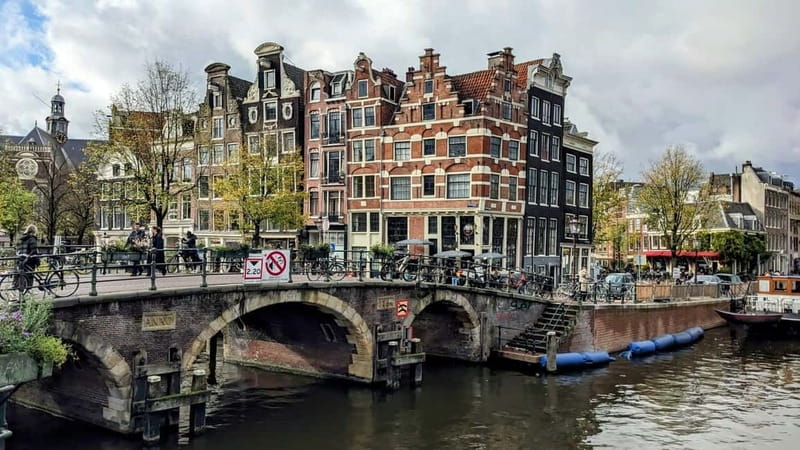
You’ll begin with Dam Square, then move toward Spui Square. This is the stretch where Amsterdam feels like Amsterdam: official buildings nearby, crowds moving through, and streets that constantly shift between tourist flow and local daily life.
At Dam Square, the guide sets the stage. You’ll connect the Royal Palace area with the broader idea of how Amsterdam grew and reorganized itself over time. Even though you won’t enter the palace, you still get context for why this square remains a symbolic heart of the city.
Then comes Spui Square, which is a great counterbalance. Dam Square can feel ceremonial. Spui Square feels more human and everyday. It’s a smart pairing: you learn how the city’s identity is both constructed (history, power, monumental spaces) and lived (street culture, daily movement, and the small choices people make every day).
If you’re the kind of visitor who wants to understand what you’re photographing—not just take the photo—this portion does that well.
Begijnhof and Huis aan de Drie Grachten: quiet corners that change your view
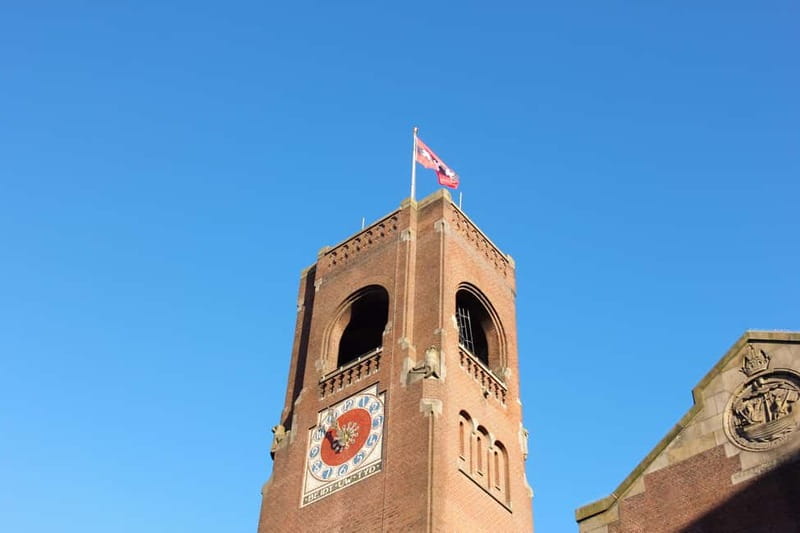
Next you’ll visit Begijnhof, a place that’s famous precisely because it doesn’t behave like the busy city around it. Begijnhof is one of those spots where the atmosphere shifts the moment you step in. Even if you’ve seen photos, being there helps you feel how older Amsterdam survives inside a modern city.
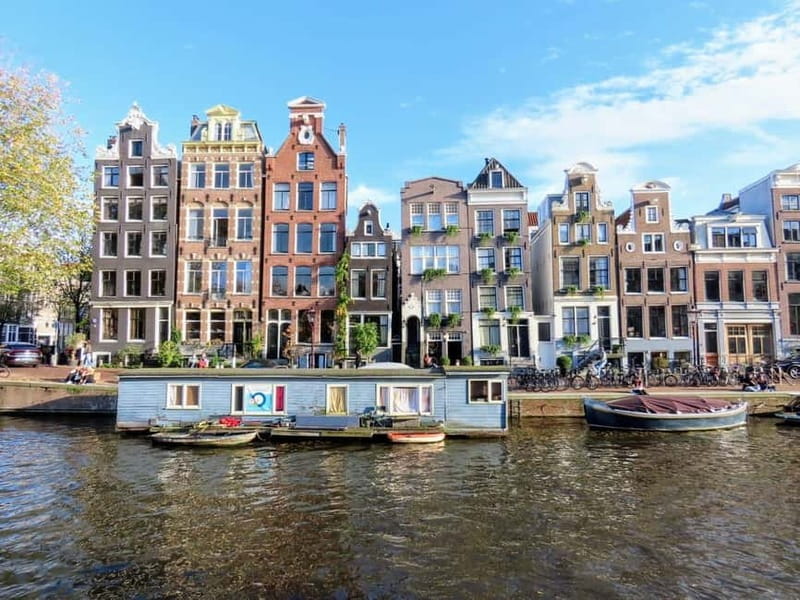
You’ll also check out Huis Aan De Drie Grachten, which adds another layer: this is Amsterdam’s architecture as story. The guide’s explanations focus on how the city’s fabric evolved, not just how pretty it is. It’s the difference between admiring buildings and understanding how and why people built in canalside Amsterdam.
A good walking guide will use stops like these to slow you down. You’ll have time for photo angles and small moments to look closely. The tradeoff is simple: this isn’t the tour for people who want maximum distance and constant action. It’s a better match if you like to linger and make sense of the place.
Nieuwmarkt Square to Amsterdam Centraal: living transport, layered history
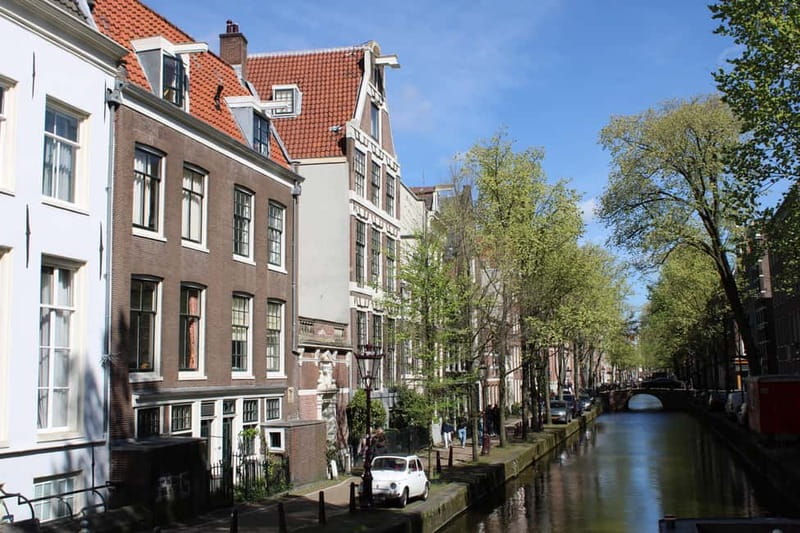
From Nieuwmarkt Square you move toward Amsterdam Centraal Station. This is a key segment because it shows how Amsterdam treats movement—people, goods, and time—as part of the city’s identity.
Nieuwmarkt Square gives you a feel for Amsterdam’s older layers in a more street-level way. Then Amsterdam Centraal lands the story in modern infrastructure. The station is a huge visual anchor, but the guide uses it to talk about change: how the city adapted to new needs while still carrying older patterns forward.
This stop is also where you’ll get more of that “history meets now” feeling that makes the tour worth doing early in your trip. By the time you reach Centraal, you’re not just seeing a landmark—you’re building a mental map of how Amsterdam works.
Also, if you care about transit logic, Amsterdam Centraal helps you orient. It’s where a lot of your future travel thoughts will start: how you’ll move around the city, how you’ll plan museums, and how you’ll avoid backtracking.
You can also read our reviews of more city tours in Amsterdam





The canals, the bikes, WWII, and the 3 XXX’s: what the guide connects
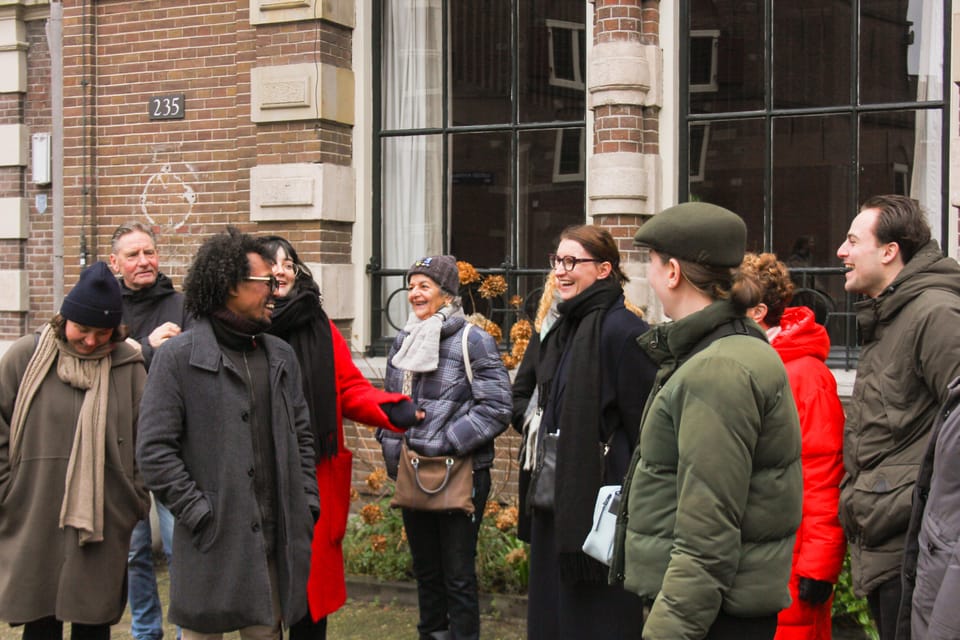
This tour’s big strength is how it threads themes through the walk. You’re not just hitting points on a list.
Here’s what you can expect to hear about, explained in plain language:
- The UNESCO-listed canal belt and how the canals shaped Amsterdam’s development
- WWII’s impact and how the city’s story didn’t reset after the war—it continued, altered
- Amsterdam as a hub for coffeeshops and prostitution, tied into the tour’s 3 XXX’s theme
- Bikes: why Amsterdam has so many and what happens to bikes that seem to disappear
That last part gets extra fun. In bike-crazy Amsterdam, it’s easy to think the streets run on cute tradition. The guide gives the practical reality behind the bike culture—how it’s managed and why so many bikes coexist on the same narrow lanes.
About the adult topics: the tour includes them as historical and modern social issues, not as a circus. Still, it’s wise to know the subject matter before you book, especially if you prefer a strictly family-friendly sightseeing style.
The stroopwafel stop and souvenir: small, but the right kind of payoff
A tour can have perfect landmarks and still feel forgettable. This one adds a small, tangible payoff without turning into a shopping event.
You’ll get to enjoy a stroopwafel midway through the walk—the Dutch cookie with the caramel filling. It’s not a fancy detour. It’s a quick reset that makes the next stretch easier, especially if you’ve been walking in museum heat or cold drizzle.
Then you’ll receive a small souvenir at the end. From what’s been described, the surprise is the kind you’ll actually want to keep, not a random trinket you toss in a drawer.
One bonus: guides like Manouk are also known for sharing practical city suggestions beyond the walking route. If you’re building a short list for the next day—coffee spots, places to eat, bookshops, or museums—this tour can give you a helpful starting point.
Price and value: what $28 buys you in Amsterdam
At $28 per person for a 2-hour guided walk, the value depends on how you travel.
If your goal is to simply see famous places, you can do that on your own. Amsterdam is very walkable, and the big squares and canals don’t require tickets. But the real cost here is time and understanding. You pay for a guide to connect:
- what you’re seeing now
- how the city got that way
- and what to do next so you don’t waste hours guessing
This tour includes a local guide, a Dutch snack, and a small souvenir. That snack isn’t just an add-on; it keeps the tour comfortable at the halfway mark. And the guide’s tips on what’s worth your time tend to be the kind that can save you hours later.
Also consider group size. A small-group walk is usually the sweet spot for questions. The goal isn’t a lecture where you watch someone else talk. It’s a guided stroll where you can ask why the canals look the way they do or why bikes act like they have their own traffic rules.
Who this walk is for, and who should pick something else
This experience is a strong match if you:
- want a first-day style orientation to Amsterdam Centre
- like history explained in a real-city way, not just dates and plaques
- enjoy canals, architecture, and city-life stories
- want candid context on modern Amsterdam, including coffeeshops and prostitution topics under the 3 XXX’s theme
- prefer a small-group vibe with time to ask questions
It may be less ideal if you:
- primarily want indoor, ticketed sightseeing (since the Royal Palace isn’t visited inside)
- need a strictly family-friendly agenda (the adult-history topics mean it isn’t designed for young kids)
- want a fast, nonstop “cover everything” sprint
Should you book this local Amsterdam walk?
I’d book it if you want to leave Amsterdam knowing more than what you saw on postcards. This tour does the job of turning landmarks into meaning, and it does it with practical humor and street-smart context.
Skip it if your one non-negotiable is entering the Royal Palace, or if you’d rather avoid adult-history themes entirely. For many other visitors, though, this is a very efficient way to get your bearings quickly, learn how the city works, and still enjoy a real Dutch treat.
If you’re only doing one guided experience early in your trip, this is the kind that helps every other plan make more sense.
FAQ
How long is the Amsterdam city walking experience?
It lasts 2 hours.
Where do I meet the guide?
Meet at Beursplein, at the bottom of the stairs of Bistro Berlage. The guide will be by the large black lantern holding a sign that says Guidance.
What’s included in the price?
The tour includes a local guide, a Dutch snack, and a small souvenir.
Is the Royal Palace included in the tour?
No. The tour does not include entrance to or a visit inside the Royal Palace.
What language is the tour offered in?
The live guide leads in English and Dutch.
Is the tour suitable for kids and everyone?
It is not suitable for children under 12. Alcohol and drugs are not allowed during the activity. The tour is listed as wheelchair accessible.