REVIEW · AMSTERDAM
Amsterdam: Guided Off-The-Beaten-Track Walking Tour
Book on GetYourGuide →Operated by Herzblut Amsterdam Stadtführungen · Bookable on GetYourGuide
Amsterdam gets better when you walk it. This 2.5-hour, small-group tour threads together canals you recognize and neighborhoods you usually skip, with a guide who explains how Amsterdam turned trading wealth into the city you see today.
I especially like how it balances big-ticket sights like Dam Square with quieter streets in the Jordaan, so you finish with a feel for the city’s layout instead of just photos. You also get practical stop-and-stare architecture moments—Golden Age canal houses, houseboats, converted warehouses—plus market-day food ideas around Noordermaarkt.
One thing to consider: the tour is German-only and it runs rain or shine, so plan around a solid 2.5 hours of walking with comfortable shoes and water.
In This Review
- Key things you’ll notice on this tour
- Entering The Route: Beursplein To Dam, With Fast City-Wiring
- Dam Square: Royal Palace, National Monument, and Nieuwe Kerk Context
- Torensluis: The Former Maut Bridge And Why Canals Were Power
- Westerdoks And The Western Islands: Modern Design Meets Everyday Amsterdam
- Brouwersgracht To Prinsengracht: Architecture Stops You Can Actually Read
- The Jordaan District: Why It Feels Like Amsterdam’s Heart
- Anne Frank House And Westerkerk: Big Names, Tight Context
- Noordermaarkt: Market-Day Flavor, Food Ideas, And Local Stops
- When You Want To Wander On Your Own: 9 Straatjes And Quick Exit Options
- Price And Value: Why 46 USD Can Feel Like a Deal
- Who Should Book This Tour (And Who Might Skip It)
- Should You Book This Off-The-Beaten-Track Walking Tour?
- One last practical tip
- FAQ
- How long is the Amsterdam guided off-the-beaten-track walking tour?
- Where do I meet the guide?
- What language is the tour guided in?
- What group size should I expect?
- Is the tour wheelchair accessible?
- What should I bring?
- Does the tour run in bad weather?
- Is alcohol or drugs allowed?
- Is there a market stop during the tour?
Key things you’ll notice on this tour
- Dam Square orientation: Royal Palace, National Monument, and Nieuwe Kerk, explained in plain terms
- Torensluis and the canal-belt story: how Amsterdam’s growth shaped the canals you’ll walk by
- Westerdoks and Western Islands feel local: modern design next to older shipyard life
- Golden Age details: 17th-century canal houses, focusing on architecture you can actually spot
- Jordaan + Noordermaarkt: markets, smaller canals, and quick ideas for what to eat and where to go
Entering The Route: Beursplein To Dam, With Fast City-Wiring
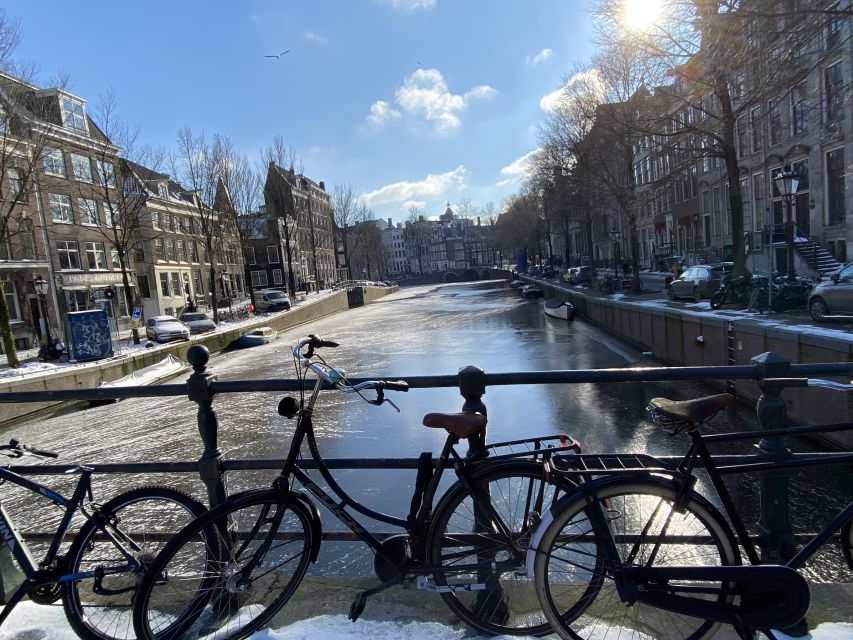
The meeting point is BEURSPLEIN / Damrak, about 350 meters from Amsterdam Centraal. You’ll spot your guide wearing a black-and-white striped band around the neck—an easy way to group up before you start moving.
Right away, you’re in the “Amsterdam center math.” The route is designed so you gradually build a mental map: Dam Square first, then the canal belt logic that explains why the city grew the way it did. For me, that’s the real value of a guided walk—your feet cover ground, but your brain gets the structure.
You’ll also be with a small group (the size varies by departure, but it’s capped around the small end—think up to 4 to 6 people). That matters here because Amsterdam streets can be tight. Smaller groups move cleaner, and you’re not shouting over the whole crowd.
You can also read our reviews of more walking tours in Amsterdam

Dam Square: Royal Palace, National Monument, and Nieuwe Kerk Context
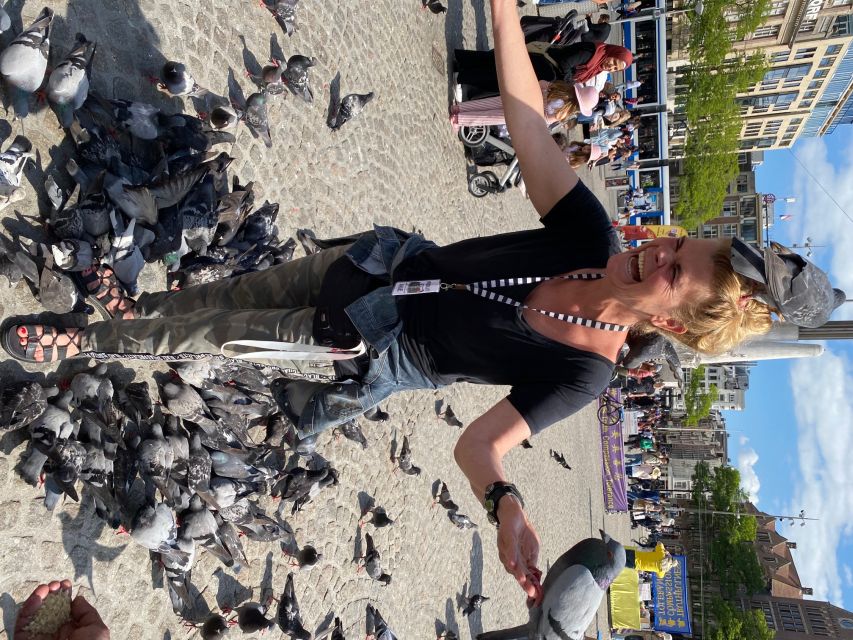
Dam Square is the obvious starting point, but the tour doesn’t treat it like a quick checkbox. You’ll focus on the Royal Palace, the National Monument, and the Nieuwe Kerk, and the guide’s job is to connect each place to what Amsterdam stood for at different moments.
One useful angle is how the tour frames Amsterdam as a trading powerhouse, then links that wealth to the monarchy and the city’s “official” face. You’ll be looking at major buildings, yes—but you’ll also understand why they matter to the bigger story of the city.
If the Nieuwe Kerk or other interiors are open to the public, you may get a chance to look inside. Even a short look can change how you read the exterior, especially when you hear what the building represents.
Practical note: Dam Square is busy. Go with comfortable shoes and a ready-to-walk mindset. This part is about orientation, not lingering forever.
Torensluis: The Former Maut Bridge And Why Canals Were Power
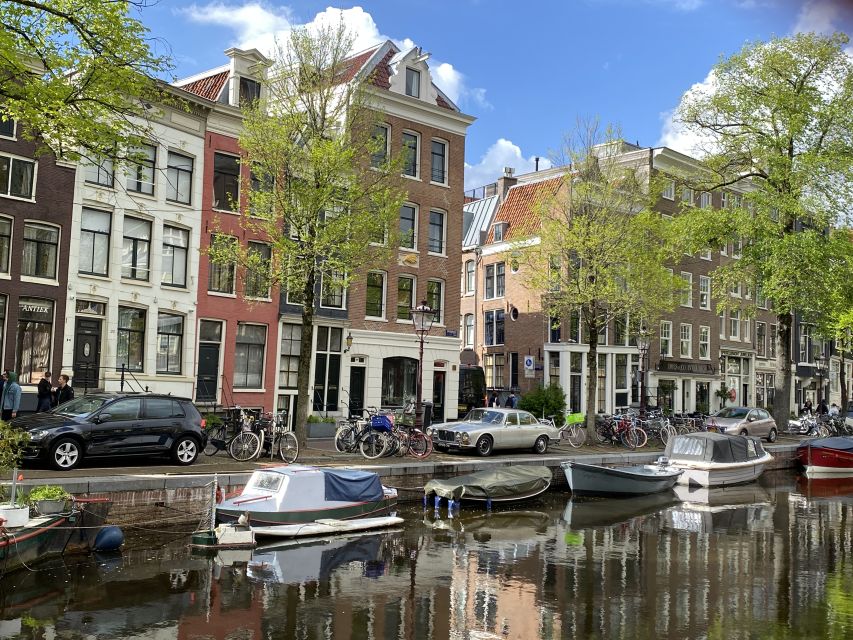
From the Magna Plaza area, the walk continues to Torensluis, described as Amsterdams former Maut bridge. This is one of those stops where the guide helps you see infrastructure as history, not just scenery.
Here’s why I like this: the tour uses Torensluis as a bridge into the canal belt story—how Amsterdam’s canal network was created and how it developed as the city’s needs changed. You’re not just passing over water; you’re learning how the city engineered routes for goods, people, and control.
This section also sets you up for later architecture viewing. Once you understand the canal belt purpose, the canal houses along the route feel less like random pretty buildings and more like a coordinated system. You start spotting details with meaning: how canal-facing façades look designed for status, trade, and visibility.
Westerdoks And The Western Islands: Modern Design Meets Everyday Amsterdam
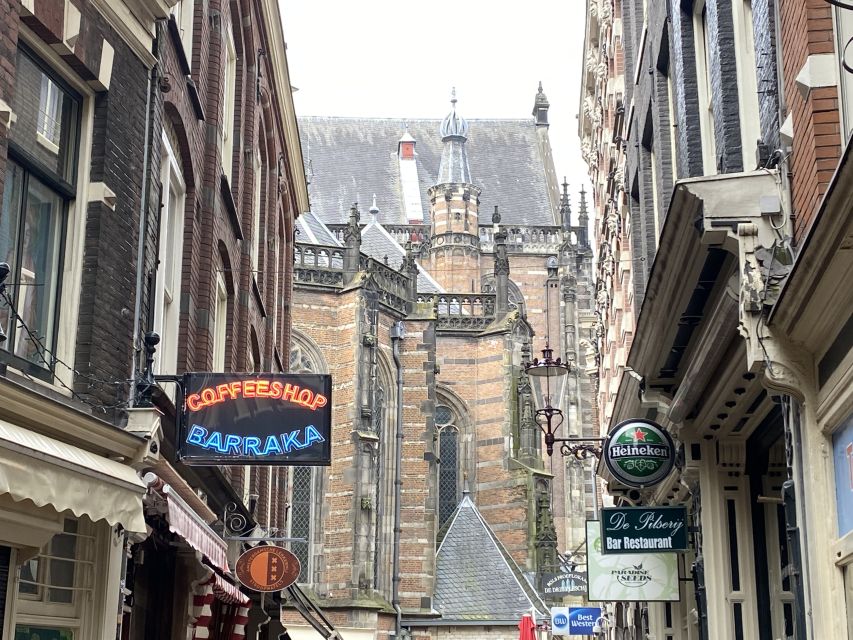
Next comes the direction of the Haarlemmer Buurt and the Western Islands. This stretch is where the tour shifts from “icon Amsterdam” into “you live here Amsterdam.”
The guide talks about former small shipyards and day-to-day life in this part of the city. And there’s a fun detail: the route mentions that you can also swim if you want. I’d treat that as an optional “only if you’re prepared” moment, not a core requirement—because Amsterdam is still Amsterdam, with real weather and real logistics.
Then you curve back through Westerdoks, including a pass by the newly designed area and its houseboats. This contrast is exactly what makes the tour feel off the busiest tourist track. You get older canal structure, then modern urban design nearby, without it feeling like whiplash.
If you’ve only seen Amsterdam in postcard form, you’ll appreciate this part more than you expect. It shows that the city isn’t frozen in Golden Age romance. It keeps building, and people keep using the water and streets as part of daily life.
Brouwersgracht To Prinsengracht: Architecture Stops You Can Actually Read
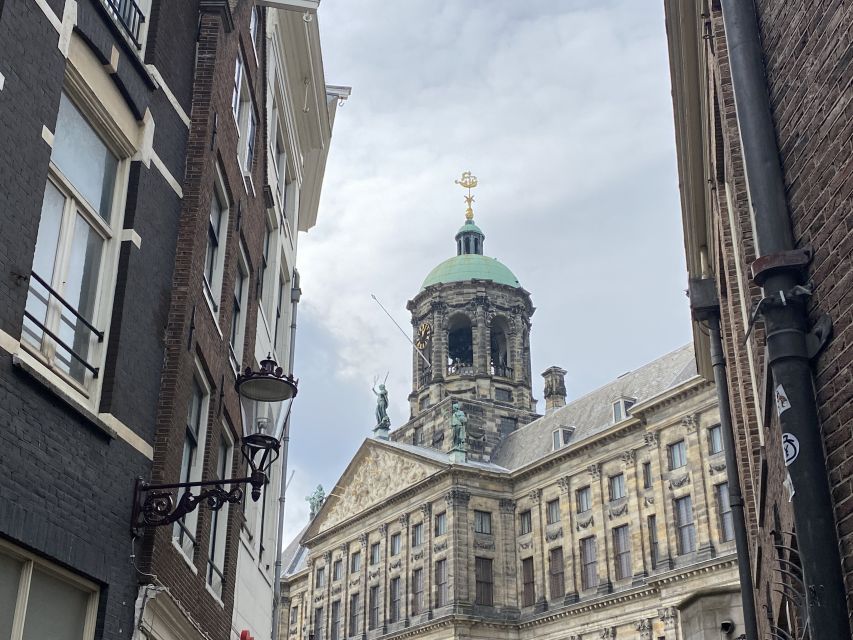
After Westerdoks and the canal-side returns, the walk moves toward Brouwersgracht, where you’ll see converted warehouses. That’s a key term on this tour: conversion. Amsterdam has a habit of reusing buildings rather than wiping everything clean.
You’ll keep heading along canal lines toward the outermost canal area, described here as Prinsengracht, and then onward to the Jordaan district. This arc helps you notice how the city changes while still staying unmistakably Amsterdam.
The highlight in this section is the way you’re invited to look closely at 17th-century Golden Age canal houses. Instead of a lecture that sounds impressive but goes in one ear and out the other, the guide points out details you can see: façade rhythm, how buildings sit tight to the canal edge, and the careful craftsmanship that was built into “everyday” structures for wealthy residents and trade.
Even if you’ve seen canal houses in photos, this kind of stop-and-look changes what you remember. You’ll start comparing buildings, not just admiring them.
You can also read our reviews of more guided tours in Amsterdam





The Jordaan District: Why It Feels Like Amsterdam’s Heart
The tour’s structure deliberately lands you in the Jordaan, described as one of the city’s most lively and charming neighborhoods. And it really does feel different from the Dam area—smaller canals, quieter side streets, and a neighborhood pace that doesn’t revolve around a single main square.
This is also where the tour’s “off-the-beaten-track” character becomes obvious. You’re moving through a part of Amsterdam that’s still central to daily city life, but not stuck in the same high-volume tourist rhythm.
You’ll get a sense of how the Jordaan connects back to earlier canal planning. The guide’s storytelling makes it easier to understand why streets and waterways feel interlocked. By the time you reach the smaller canals, you’ll recognize patterns: where homes face the water, where streets funnel traffic, and how the neighborhood layers old and new.
A good sign you’re doing it right: you’ll stop thinking of Amsterdam as a list of attractions and start seeing it as a system. That’s the goal.
Anne Frank House And Westerkerk: Big Names, Tight Context
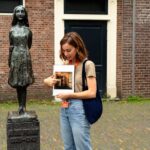
No tour of Amsterdam’s center would be complete without the “famous places,” and this one includes the Anne Frank House and the Westerkerk.
On a walking tour, the Anne Frank House stop works best as a moment of context, not a sightseeing sprint. You’ll see it as part of the Jordaan canal scene, which helps the location feel grounded rather than isolated. And the guide can connect it to what Amsterdam looked like in earlier eras, tying it back to the city’s broader growth story.
Then there’s the Westerkerk, including its tower and eventful history. A tower can become a landmark you use for orientation later, even after the tour ends. When you understand what you’re looking at, you can navigate your own way without feeling lost.
This part of the walk can also help you decide how long you want to spend in the area on your own after the tour. You’ll leave knowing where the neighborhood energy is, and you’ll know what to circle back to.
Noordermaarkt: Market-Day Flavor, Food Ideas, And Local Stops
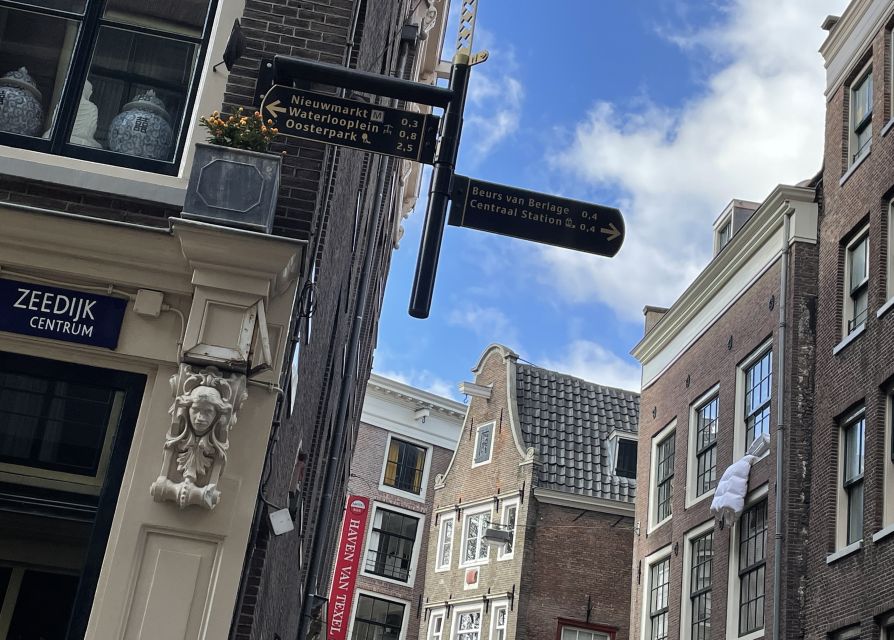
If your tour day lines up with market hours, you’ll make a short visit at Noordermaarkt. This is a smart addition because it breaks up the architecture focus with real street-level life.
The guide will walk you along diverse market stalls. If you want to snack, you’ll get suggestions like trying haring and sampling Amsterdam’s best ice cream (that’s the phrasing used in the tour experience, and it’s the kind of recommendation that’s useful for decision-making in the moment).
There’s also practical food guidance beyond the market. You can ask for dinner restaurant recommendations around the Jordaan area, plus ideas like the best appeltaart and tasty drinks. Even if you don’t follow every suggestion, you’ll leave with a shortlist and a sense of what flavors and places match your mood.
This section works particularly well early in a trip, because it gives you leverage. You learn what’s nearby and how locals think about eating out, so your later nights feel less random.
When You Want To Wander On Your Own: 9 Straatjes And Quick Exit Options
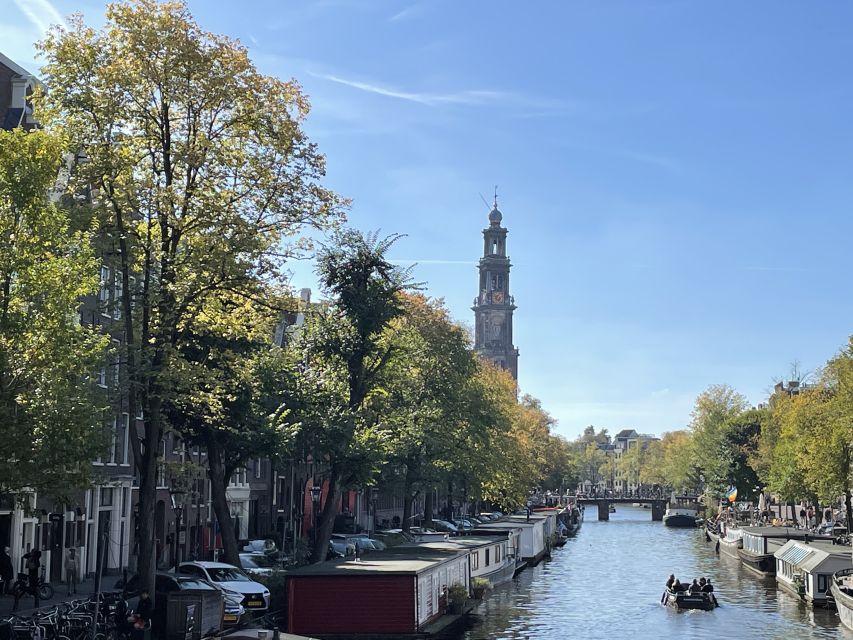
After seeing key sights around Jordaan, the tour gives you an optional way to continue on your own. If you want to head back toward the meeting point, the guide can accompany you, especially after you’ve seen the Homomonument.
From there, you can branch out into the 9 Straatjes, Amsterdam’s smaller shopping streets. This is where the tour’s earlier neighborhood storytelling pays off. You’re not just walking into shops. You’re returning to the kind of streets the guide helped you understand.
If your energy is good, this is a solid plan for the next hour or two. You’ll know which direction feels most like the Jordaan and which way leads back to the bigger center.
Price And Value: Why 46 USD Can Feel Like a Deal
At about $46 per person for roughly 2.5 hours, this tour lives in a mid-range price zone for Amsterdam walking tours. The question is whether you’re buying a guide—or buying a guided map of how Amsterdam works.
Here’s why I think the value can be strong:
- You get a live German guide and a small group size that keeps the experience from feeling crowded.
- You cover a long chain of neighborhoods and canal zones in a way that’s hard to stitch together confidently on your own.
- You get architecture guidance for Golden Age canal houses, plus modern contrasts at Westerdoks, plus market ideas at Noordermaarkt.
If you’re the type who enjoys architecture and how cities evolve, the guide’s explanations can save you hours of guessing later. And if you’re traveling with only a short window in Amsterdam, 2.5 hours is long enough to change how you see the city, but short enough to still enjoy the rest of your day.
Do note the language factor: because it’s German-led, it’s not the right pick if you need English interpretation.
Who Should Book This Tour (And Who Might Skip It)
This tour is a great match if you want more than the usual center highlights. You’ll likely enjoy it if you care about:
- canal architecture and the logic of the canal belt
- the Jordaan neighborhood feel
- a mix of classic landmarks and modern Westerdoks contrasts
- market-day stops and practical food ideas
It might not be ideal if you only want the biggest headline attractions and don’t care about neighborhood context. Also, if German isn’t workable for you, you’ll miss a big part of what makes the tour special.
Because the walk happens rain or shine, bring layers and plan to stay comfortable even if the weather turns.
Also: alcohol and drugs aren’t allowed, and the experience isn’t aimed at party vibes. It’s meant for attentive walking and city listening.
Should You Book This Off-The-Beaten-Track Walking Tour?
I’d book this tour if you want Amsterdam to click into place—Dam Square to Jordaan, with canal-belt explanations and real neighborhood texture. The itinerary’s strength is that it teaches you how to look: torensluis and canal planning, Golden Age façade details, and the modern Westerdoks and houseboat contrast.
If German works for you, and you’re fine with 2.5 hours on foot, it’s a smart value. The small-group size helps a lot, and it’s the kind of tour that makes your later self-guided wandering easier.
One last practical tip
Do the tour early in your visit if you can. You’ll get orientation, then you’ll spend the rest of your trip wandering with better instincts.
FAQ
How long is the Amsterdam guided off-the-beaten-track walking tour?
It lasts about 2.5 hours.
Where do I meet the guide?
Meet at BEURSPLEIN / Damrak, about 350 meters from Amsterdam Centraal. The guide will have a black-and-white striped band around the neck.
What language is the tour guided in?
The live tour guide speaks German.
What group size should I expect?
It’s a small group. The information provided indicates a limit of up to 4 persons and also mentions up to 6 participants, depending on the departure.
Is the tour wheelchair accessible?
Yes, it’s listed as wheelchair accessible.
What should I bring?
Bring comfortable shoes, sunscreen, and water, plus comfortable clothes.
Does the tour run in bad weather?
Yes. It takes place rain or shine.
Is alcohol or drugs allowed?
No. Intoxication, alcohol, and drugs are not allowed.
Is there a market stop during the tour?
There’s a short visit to Noordermaarkt on market days, with time to stroll the stalls and get food ideas like haring and ice cream.