REVIEW · AMSTERDAM
Amsterdam private city walking experience with a local
Book on Viator →Operated by Guidance Travel · Bookable on Viator
Amsterdam clicks into place faster on foot. This private 2-hour city walk takes you through major squares, quiet courtyards, canal-area oddities, and one of the Netherlands’ most famous stations—explained by a real person, not a script.
I especially like how the guide (Manouk, if you get her) builds the story around what you care about. You get personalized pacing plus practical add-ons like maps and photos, and you may even pick up small local bites and clear food tips along the way.
One thing to think about: at $180.62 per group (up to 12), the total can be pricey if you’re traveling solo or as a small pair, and the tour is still a solid chunk of walking (about 2 to 2.5 hours).
In This Review
- Key highlights to look forward to
- Starting at Beursplein: How Amsterdam got its name
- Dam Square and the Royal Palace: Power, memory, and the street-level view
- Begijnhof: A calm courtyard that teaches Amsterdam’s tolerance
- House on the Three Canals: The canal-house puzzle piece
- Nieuwmarkt: Waag, guilds, and the dancing houses
- Zeedijk: From Chinatown danger in the 1970s to a street re-made
- Centraal Station: The architecture you remember after the tour
- Price and value: What $180.62 per group buys you
- Timing your walk in real life (and staying comfortable)
- Who this private Amsterdam walk is best for
- Should you book this Amsterdam private city walk?
- FAQ
- How long is the Amsterdam private city walking experience?
- What is the price for the tour?
- Is this tour private?
- What language is the tour offered in?
- Where does the tour start and end?
- Is there a mobile ticket?
- What stops are included on the route?
- Is the tour mostly walking?
- Are service animals allowed?
- What is the cancellation policy?
Key highlights to look forward to
- Private group up to 12 with a guide who can adjust the walk to your questions and interests
- Seven high-impact stops in central Amsterdam, starting and ending at Beursplein
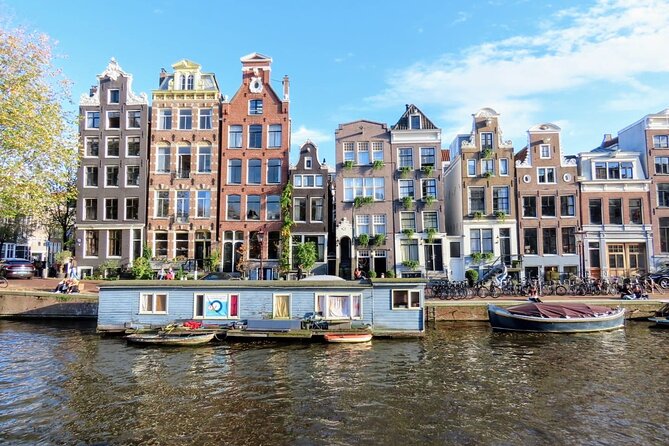
- Canal-era details like the house on three canals and the idea of a bicycle bridge
- Tolerance and community history in the Begijnhof courtyard, plus Amsterdam’s religious background
- Neighborhood contrast from WWII landmarks to Zeedijk’s Chinatown past and later changes
- Prepared guide style with maps/photos and lots of time for follow-up questions
Starting at Beursplein: How Amsterdam got its name
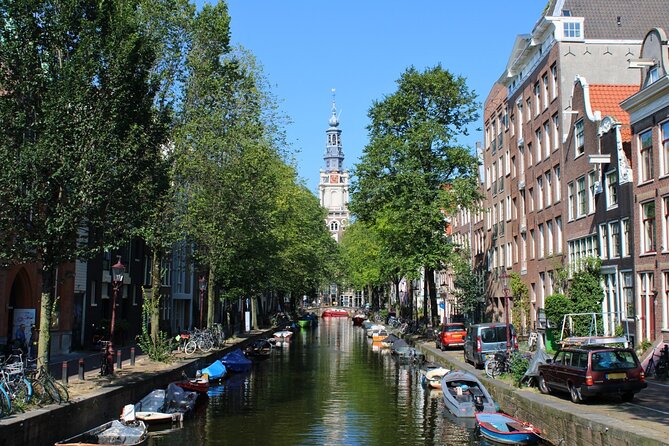
Most walking tours start with canals and call it a day. This one starts at Beursplein, and that’s a smart move because it sets the tone for how Amsterdam became Amsterdam.
You’ll spend about 15 minutes learning how a fishing village setting grew into the center of the global economy in the 17th century. The guide also explains how the city got its name—simple facts at first, but they matter because they make the rest of your stops feel connected rather than random.
If you like your history grounded in real geography, you’ll appreciate this. You can stand in the square, look around, and then understand why the city expanded the way it did. The main consideration here is timing: the first stop is short, so come ready with questions instead of trying to absorb everything at once.
You can also read our reviews of more walking tours in Amsterdam
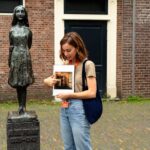


Dam Square and the Royal Palace: Power, memory, and the street-level view
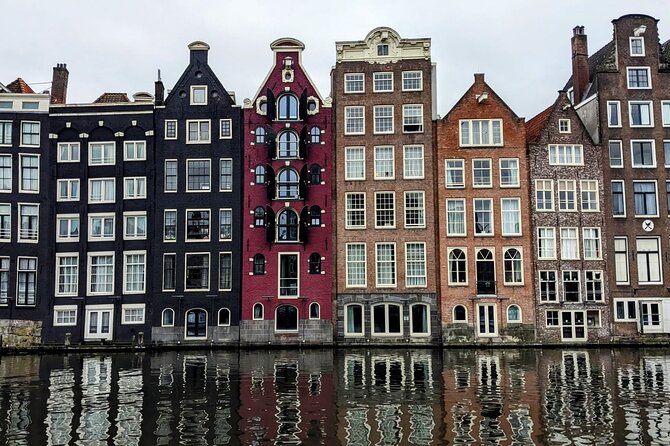
Next comes Dam Square, another 15-minute stop that hits a lot of emotional and political weight in a small area. You’ll hear why this square is so tied to how Amsterdam formed as a city.
You’ll also admire the Royal Palace on the Dam and learn how the area connects to the Second World War. This is one of those moments where your brain starts linking architecture to events. It’s not just pretty buildings; it’s a place that carried real consequences.
The practical upside: Dam Square is easy to reach and easy to picture in your head later. The only catch is that squares can feel busy, and your walking pace will depend on the moment you arrive. Since it’s private, your guide can manage the flow better than a big-group tour.
Begijnhof: A calm courtyard that teaches Amsterdam’s tolerance
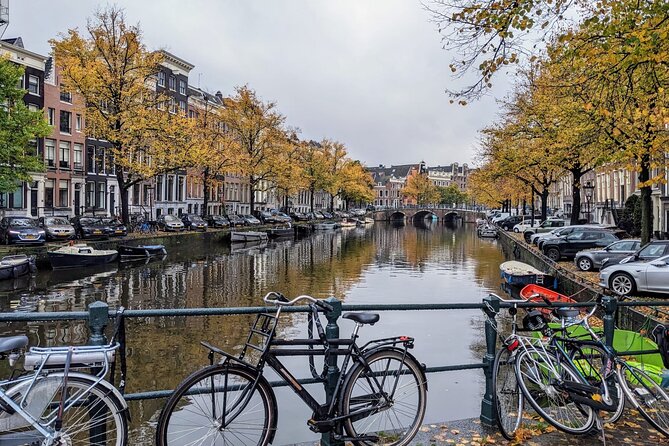
Then you get a reset. Begijnhof is one of those places where the noise from the streets drops away, and the tour gives you time—around 15 minutes—to notice why that matters.
You’ll learn about the religious history tied to this courtyard and what it reveals about Amsterdam’s tolerance. The guide also points out older elements you can actually see: one of the oldest houses in Amsterdam and two wooden cottages.
What I like about this stop is that it teaches tolerance without turning it into a lecture. You’re in the space, surrounded by buildings that help you understand why communities formed the way they did. It’s a great break if you’ve been walking past big monuments and want something more human-scale.
House on the Three Canals: The canal-house puzzle piece
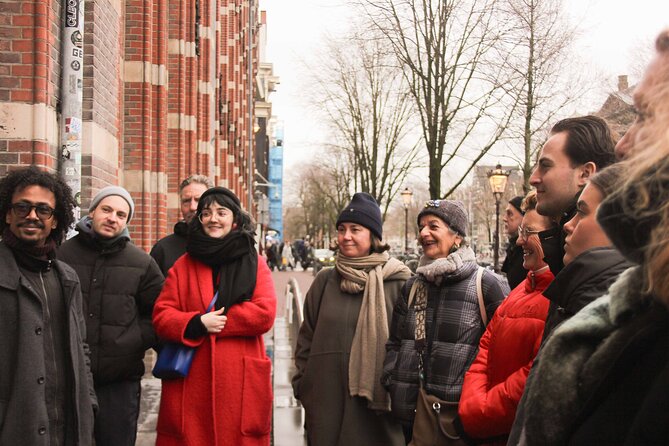
From Begijnhof, you’ll move into canal-area storytelling at House on the Three Canals. Expect about 15 minutes here.
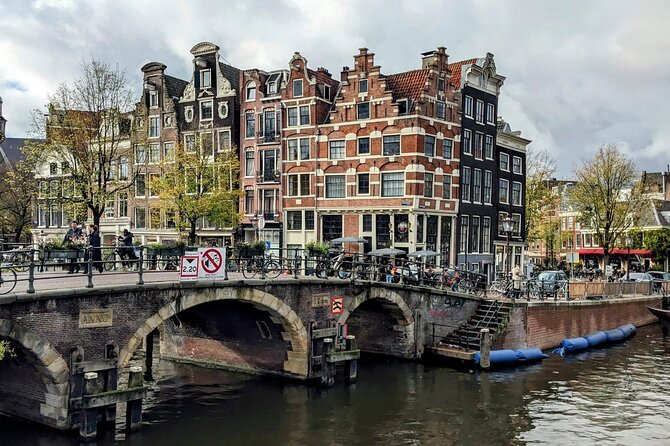
The big draw is the house itself: it sits across three canals, which makes it feel like Amsterdam’s waterways are part of the architecture plan rather than just scenery. You’ll also learn about the bicycle bridge—a detail that’s small but very “Amsterdam,” because it connects daily life with how the city is built.
This is one of the stops where your guide’s explanations can really change how you see what’s in front of you. If you’re into architecture or urban design, you’ll likely enjoy this segment more than you expect. If you’re not, just go for the wow-factor: it’s hard to forget a building that literally sits among canals.
Nieuwmarkt: Waag, guilds, and the dancing houses
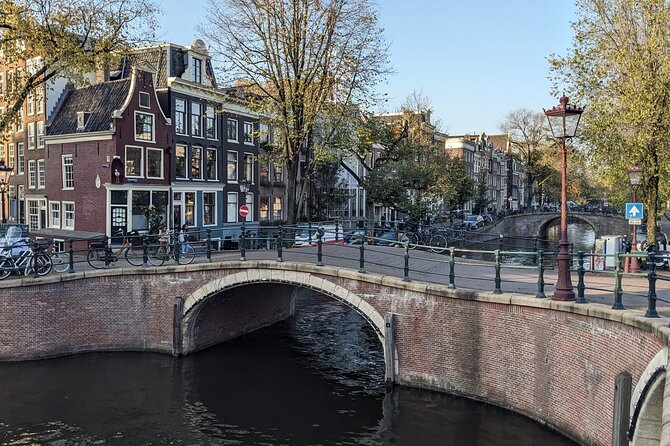
Next is Nieuwmarkt, where the tour runs about 30 minutes—longer than most stops on the route. That extra time is for good reason: there are multiple layers here.
You’ll discover the Waag, one of the old city gates that later became a guild hall. Then the guide connects that to the importance of guilds in Amsterdam, explaining how trade and craft shaped the city’s identity.
Finally, you’ll see the so-called dancing houses—those tilted, quirky canal-era buildings that look like they’re swaying even when you’re standing still.
Why this stop works: it ties physical places to social systems. A guild hall isn’t just a building; it’s the reminder that Amsterdam’s wealth and craft culture didn’t appear out of thin air.
The main consideration is attention span. Thirty minutes is enough to learn a lot, but if you’re tired, ask your guide to slow down or focus on just one theme (guilds vs. architecture vs. specific sights).
You can also read our reviews of more city tours in Amsterdam





Zeedijk: From Chinatown danger in the 1970s to a street re-made
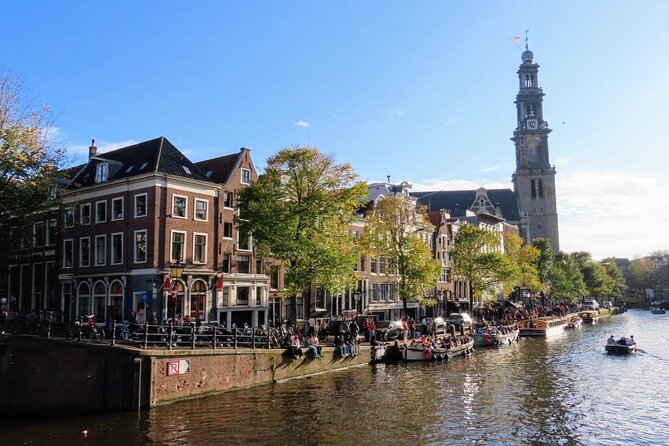
After the architecture and guild talk, the tour shifts gears at Zeedijk (about 15 minutes). This is where Amsterdam gets very real and very local.
You’ll learn about Chinatown on Zeedijk, including how this street was once the most dangerous area in Amsterdam during the 1970s. Then you’ll hear how things declined and how the street changed into a favorite spot for many Amsterdammers.
This isn’t the kind of neighborhood story you can get from a brochure. It gives context to why the street feels different now, and it helps you understand that urban change often happens through long, complicated shifts rather than instant “makeovers.”
If you’re visiting with kids or you just want a less heavy stop, this still works because the tour keeps the facts grounded in what you can see on the street. Wear comfortable shoes, because this area is part of a walk through dense central streets.
Centraal Station: The architecture you remember after the tour
Your final major stop is Centraal Station, with about 15 minutes allocated. Even if you’re not a train person, this is a can’t-miss piece of Amsterdam’s visual identity.
You’ll explore one of Amsterdam’s most stunning buildings, learn why the station’s location mattered for centuries as a transportation hub, and hear how it became a historical symbol of connection and prosperity.
What makes this stop feel satisfying is the contrast: you finish where visitors naturally arrive, but you leave understanding why it matters beyond the facade. You also get a clean wrap-up because the activity ends back at the meeting point at Beursplein.
The main drawback is the time box. Fifteen minutes is enough for the highlights, but not enough to treat the station like a museum. If you’re the type who could spend an hour inside checking details, plan a bit of extra solo time after the tour.
Price and value: What $180.62 per group buys you
This tour costs $180.62 per group and is built for private time, up to 12 people. That pricing can look high or reasonable depending on how you’re traveling.
If you’re coming with friends or family (especially three to six people), it often feels like smart value because you’re buying:
- a guided, question-friendly walk through central Amsterdam
- a route that mixes major sights with quieter historical corners
- a guide who can adjust to interests (history, architecture, and neighborhood context)
If you’re traveling solo, you’ll want to do a quick math check. You still get the benefits of a private walk, but the cost per person can be less appealing than a group tour. In that case, consider whether you’ll really use the private aspect: asking lots of questions, stopping longer at one place, and getting tailored tips.
A practical plus: it’s in English, and you’ll have a mobile ticket. That saves time versus digging for paper confirmations.
Timing your walk in real life (and staying comfortable)
This tour runs about 2 hours and can take 2 to 2.5 hours total depending on pace and questions. That means you should treat it like a planned outing, not just a casual stroll.
A few practical tips:
- Wear shoes you’d use for city walking. The route keeps you moving and includes multiple stops.
- If you’re sensitive to crowds, aim to ask your guide to pace your time at busy squares like Dam Square.
- Since the walk is in the center, you can easily pair it with other nearby sights afterward.
Also, this is the kind of experience you’ll likely want to book ahead if your dates are fixed—on average, it’s booked about 46 days in advance. Early planning tends to help if you want a specific guide or time window.
Who this private Amsterdam walk is best for
This works especially well if you want:
- architecture + history in a walkable format (not a bus tour)
- a route that balances big-name spots with calmer courtyards
- a guide who can answer questions without rushing you
- local-style extras like maps/photos and the chance of practical food tips
It’s also a good fit if you’re traveling with parents, since the stops are short and the guide can help keep the pace comfortable. One of the nice things about a private setup is that you’re not forced to match the energy level of strangers.
If you’re the type who likes to wander with no structure, you might find the stops too guided. But if you want context while you walk, you’ll get a lot out of the route.
Should you book this Amsterdam private city walk?
I’d book it if you want a tight, smart route through central Amsterdam with an English-speaking guide who brings the details to life—especially the tolerance story at Begijnhof, the canal-house oddity at the House on the Three Canals, and the neighborhood context at Zeedijk.
Skip or reconsider if you’re trying to minimize cost as a solo traveler. The format is private, and the price reflects that. Also, if you hate walking for even 2 hours, you’ll likely feel it.
If you do book, come with curiosity. Bring questions about how Amsterdam became what it is—trade, tolerance, guilds, and how the city rebuilt itself street by street. You’ll get more out of the tour when you can steer it toward what you actually want to understand.
FAQ
How long is the Amsterdam private city walking experience?
It takes about 2 hours (with an average of around 2 to 2.5 hours).
What is the price for the tour?
The price is $180.62 per group (up to 12 people).
Is this tour private?
Yes. It’s a private tour/activity, so only your group participates.
What language is the tour offered in?
The tour is offered in English.
Where does the tour start and end?
The meeting point is Beursplein, 1012 JW Amsterdam, Netherlands, and the tour ends back at the meeting point.
Is there a mobile ticket?
Yes, it includes a mobile ticket.
What stops are included on the route?
You’ll visit Beursplein, Dam Square, Begijnhof, House On The Three Canals, Nieuwmarkt, Zeedijk, and Centraal Station.
Is the tour mostly walking?
Yes. Between highlights you explore the city on foot while the guide discusses topics along the way.
Are service animals allowed?
Yes, service animals are allowed.
What is the cancellation policy?
Free cancellation is available up to 24 hours in advance for a full refund. If you cancel less than 24 hours before the start time, the amount paid isn’t refunded.