REVIEW · AMSTERDAM
Private Amsterdam WW2 walking tour
Book on Viator →Operated by Trigger Tours · Bookable on Viator
Jewish Amsterdam tells its WW2 story street by street. A private guide strings together the Portuguese Synagogue, resistance sites, and deportation landmarks into one focused walk, so the meaning sticks. I especially like that it’s private for your party and runs on a simple 2-hour loop that keeps you moving without planning stress. One caution: guide tone really matters on a tour like this, and one guide named Aaron received complaints about a harsh, sarcastic approach.
Two things I’d bet on for most people: the route concentrates on the Jewish community’s experience in clear chapters, and the tour is built around stops where the visit cost is mostly out of your way. You’ll also get a guide who can connect what you’re seeing to what happened next, instead of just pointing at plaques. As a consideration, the most famous add-on people want—Anne Frank House—has a separate ticket and isn’t included.
In This Review
- Key highlights worth your attention
- A private WW2 walk that keeps the story in order
- Portuguese Synagogue: the Jewish Golden Age starts the story
- Auschwitz Monument and the deportation story, told close up
- Verzetsmuseum Amsterdam: resistance as an essential chapter
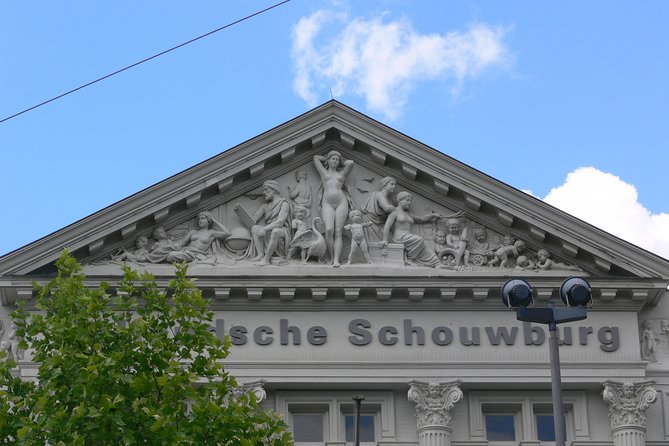
- Hollandsche Schouwburg: where deportations were organized
- De Plantage and the Spinoza Monument: history beyond the memorials
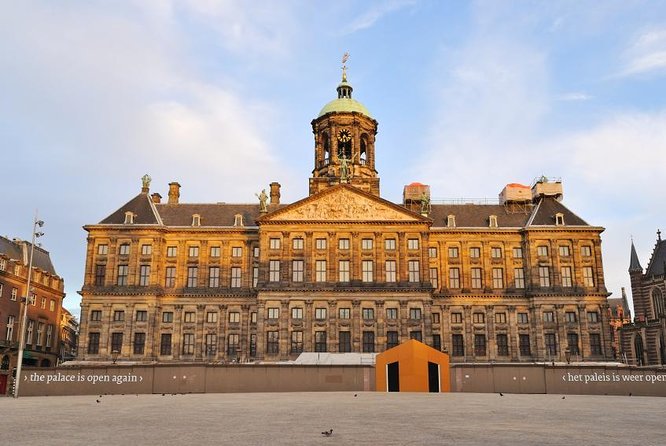
- Dam Square and the Royal Palace: the public center after catastrophe
- Anne Frank House: the story is guided, but admission is on you
- Price and value: what $126.31 per person buys you
- What to watch for: guide fit and pacing around Anne Frank
- Who this WW2 walk is best for
- Should you book this Private Amsterdam WW2 walking tour?
- FAQ
- How long is the private Amsterdam WW2 walking tour?
- Is this tour private or do I join others?
- What language is the tour offered in?
- Where does the tour start?
- Does the tour include entry tickets for all stops?
- Is Anne Frank House included in the tour?
- Are service animals allowed?
- What is the cancellation policy?
Key highlights worth your attention
- Private for your group only: no mixing with strangers, so questions come fast and feel personal
- WW2 story told in “chapters”: Jewish life, deportation, resistance, then the public-square aftershock
- Most stop entries are free: Portugese Synagoge, Auschwitz Monument, Verzetsmuseum Amsterdam, and more
- Service animals welcome: a thoughtful detail for many visitors
- Anne Frank House is not ticketed: your guide can frame the story, but you handle admission separately
- Ends near major landmarks: Dam Square and the Royal Palace area close out the walk
A private WW2 walk that keeps the story in order
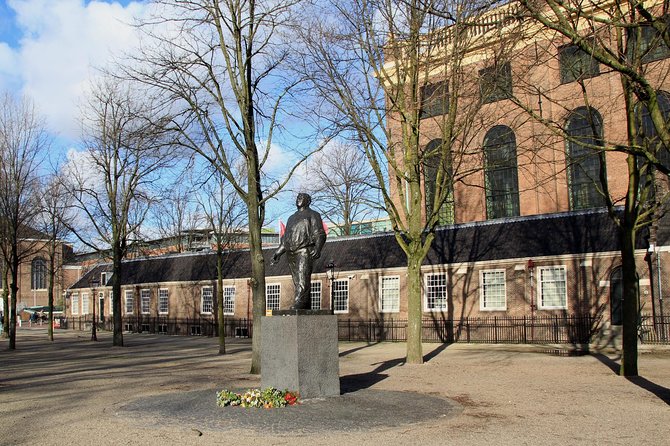
Amsterdam can feel like a postcard—until you walk the routes that shaped modern history. This tour is built for that pivot. Your guide ties the Jewish community’s Golden Age presence to the machinery of persecution, then shows where resistance and survival efforts fit into the same city.
I like that it’s private and timed to about 2 hours. That means you get to ask questions and adjust your pace without the usual herd effect. It also helps you process heavy moments without spending your whole day on logistics.
You can also read our reviews of more walking tours in Amsterdam


Portuguese Synagogue: the Jewish Golden Age starts the story
You begin near Amstel 51C, and the first stop is the Portuguese Synagogue (often called the heart of Amsterdam’s Sephardic Jewish community). The guide explains how this community became one of Europe’s largest and wealthiest Jewish groups during the Dutch Golden Age—and how the synagogue’s size reflected that.
This is also an active place of worship and a major sight. The free admission ticket detail matters here: you can focus on context and architecture without worrying that each stop will add another entry fee. It’s a strong way to start, because it reminds you that this was not only a tragedy story—it began with vibrant community life.
Practical note: this is a solemn, meaningful setting. Dress and behavior matter, like you would at any house of worship.
Auschwitz Monument and the deportation story, told close up
Next comes the Auschwitz Monument, where your guide turns from community life to deportation. The focus is on what the monument represents and what deportation meant for Amsterdam’s Jewish residents—how individuals were targeted, transported, and erased from daily life.
The short time here (about 10 minutes) keeps things moving, but the guide’s job is to make each location feel specific. That’s what makes a “monument stop” work: not just seeing stone, but understanding why that exact spot holds weight.
If you like guided walks that give you structure, this stop does it well. It’s hard to remember dates when you’re just staring at a landmark. A good guide gives you the human thread.
Verzetsmuseum Amsterdam: resistance as an essential chapter
From there you head to Verzetsmuseum Amsterdam, centered on the Jewish resistance in Amsterdam. This stop often changes how people think about WW2 in the Netherlands. Instead of only focusing on victimhood, the guide highlights resistance and the choices people made under impossible pressure.
Again, the timing is tight—about 10 minutes—but the museum stop is the point: it gives you a mental “bridge” between deportation and survival efforts. You leave with a clearer understanding that resistance wasn’t one dramatic moment. It was networks, risk, and daily decisions.
Hollandsche Schouwburg: where deportations were organized
Then you reach Hollandsche Schouwburg, a site tied to deportation camps. Your guide explains the role this place played in the deportation process—how people were processed and sent onward.
This is one of the stops where you can feel the difference between reading history and standing in the middle of it. It’s also why a private guide is useful. If you want to ask a question—about what you just learned, or about how Amsterdam’s role worked—you can.
The stop is short, but that doesn’t mean it’s shallow. On a route like this, your guide’s narrative is doing the heavy lifting so the location doesn’t become just another stop on a list.
You can also read our reviews of more private tours in Amsterdam




De Plantage and the Spinoza Monument: history beyond the memorials
After the deportation-related sites, the tour shifts to De Plantage. This is where you get a break from purely memorial heavy stops and see the neighborhood history and setting. The guide shows you the area’s character and connects it back to the bigger story of Jewish Amsterdam in everyday terms.
Then you see the Spinoza Monument, a reminder that Amsterdam wasn’t only defined by what happened in wartime. The guide frames the monument and its meaning, helping you see how memory lives in public space—not only in museums.
I like this segment because it prevents history from feeling like a straight line of sorrow. You get a city view again—streets, squares, and scale—while still keeping the story grounded.
Dam Square and the Royal Palace: the public center after catastrophe
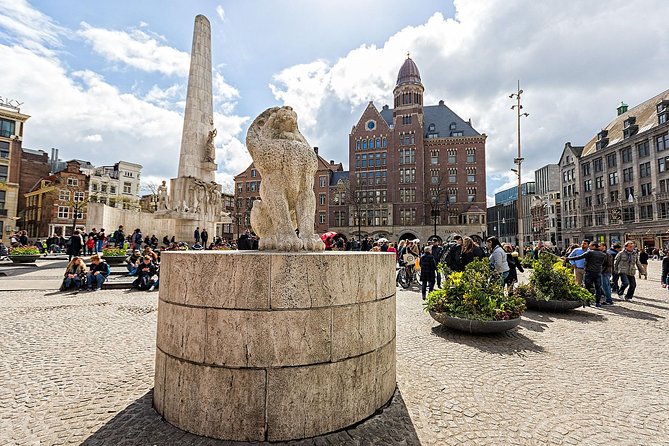
As you walk toward Dam Square, the tour moves from quiet sites back into a major public stage. The guide explores the Dam Square monument, then you continue to the Royal Palace Amsterdam area.
Why this matters: WW2 memory sits inside a functioning city, not in a museum bubble. Ending here helps you understand how Amsterdam holds its past in the same spaces where daily life continues.
Even if you’re not a palace super-fan, this part can be worth it because it changes your perspective. You start to notice how the city’s layout, public identity, and landmark culture overlap with the darker layers under the surface.
Anne Frank House: the story is guided, but admission is on you
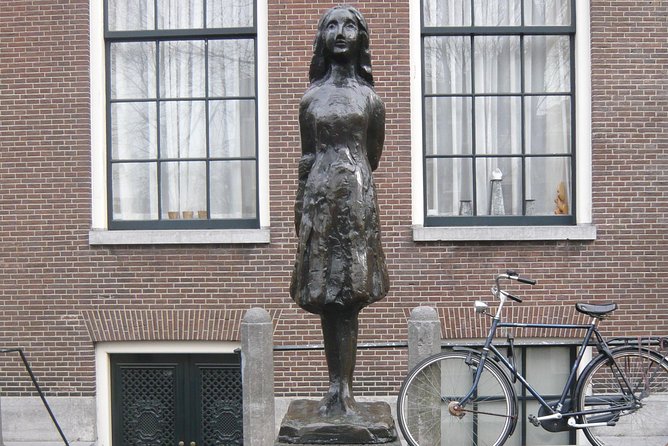
The tour includes time where your guide talks more about the Anne Frank story, but Anne Frank House admission is not included. So you should treat this as framing time, not as a ticketed visit unless you’ve already arranged it.
This is important for your planning. If you want to actually go inside the house, you’ll need a separate ticket and likely a bit of extra time. If you don’t, you can still get a meaningful narrative from the guide, but don’t expect the museum entry to happen automatically.
This also explains why some people feel surprised by pacing. You’re getting a guided explanation, not a full self-guided museum block.
Price and value: what $126.31 per person buys you
At about $126.31 per person for roughly 2 hours, the biggest value isn’t just the route—it’s the fact that this is private. You’re paying for a guide who can shape the story in a way that fits your questions and your comfort level with heavy topics.
Also, many of the key stops are listed as free: Portugese Synagoge, Auschwitz Monument, Verzetsmuseum Amsterdam, Hollandsche Schouwburg, and the other major points. That helps keep the overall cost predictable. You’re mainly paying for interpretation, not stacking fees for entry after entry.
If you’re traveling as a small group, private tours often make more sense than you expect. Everyone stays together, your questions don’t get swallowed by a big crowd, and you can adjust when the emotional weight of a stop hits.
What to watch for: guide fit and pacing around Anne Frank
This tour succeeds when the guide can hold a respectful tone and explain connections clearly. The route hits emotionally intense subject matter—so demeanor isn’t a small detail. One guide named Aaron received complaints about a condescending style and sarcasm. If you’re the kind of person who shuts down when you feel judged, guide matching is worth taking seriously.
Also, keep expectations aligned with what’s included. Anne Frank House is discussed, but the entry isn’t part of this package. If you’re hoping for a timed museum visit inside the house, plan it separately and don’t assume the tour will automatically cover it.
Finally, the total time is about 2 hours. That pace is helpful for efficiency, but it also means you won’t linger for long at each stop. If you prefer slow reading time, you may want to schedule additional independent visits to the spots that interest you most afterward.
Who this WW2 walk is best for
This works especially well if you want a structured overview of Amsterdam’s WW2 era with a clear emphasis on the Jewish experience. It’s also a strong pick if you like walking tours where the guide explains how places connect, rather than just naming sights.
It’s a good choice for couples or small families who want control. Service animals are allowed, and the tour runs in English with a mobile ticket.
If you want maximum museum time—like a long, ticketed Anne Frank House visit—this may not be your only stop. Think of it as the story framework, then add the deeper time where you want it.
Should you book this Private Amsterdam WW2 walking tour?
Book it if you want a focused, private route that moves through major WW2 and Jewish history landmarks in a logical sequence, ending in the heart of the city at Dam Square and the Royal Palace area. The free admission nature of many stops helps the value feel grounded, and the private format keeps questions and pacing personal.
Hold off or plan carefully if Anne Frank House entry is a top priority. You’ll still get the story context from the guide, but you’ll need to handle museum admission separately. And if your comfort depends on guide style, it’s smart to double-check your assigned guide before locking in.
FAQ
How long is the private Amsterdam WW2 walking tour?
It lasts about 2 hours.
Is this tour private or do I join others?
It’s private. Only your group participates.
What language is the tour offered in?
The tour is offered in English.
Where does the tour start?
The meeting point is Amstel 51C, 1018 EJ Amsterdam, Netherlands.
Does the tour include entry tickets for all stops?
Many stops note free admission tickets. However, Anne Frank House admission is not included.
Is Anne Frank House included in the tour?
Your guide will tell you more about the Anne Frank story, but Anne Frank House admission is not included.
Are service animals allowed?
Yes, service animals are allowed.
What is the cancellation policy?
You can cancel for a full refund if you cancel up to 24 hours in advance of the experience start time.