REVIEW · AMSTERDAM
Private tour: Your own Amsterdam: walk through the old city
Book on Viator →Operated by Snurk.Travel · Bookable on Viator
Amsterdam’s old-city plot starts at Centraal. This private walk uses the city like a timeline, with an in-person guide who connects what you see to the Golden Age, Dutch religion, and everyday life. I love the calm pacing—mostly 15 to 30 minutes at each stop—so you can actually look around. I also like the mix of “big story” landmarks and human-scale places, including In ’t Aepjen, an authentic bar tied to Amsterdam’s older wooden architecture.
The main thing to plan around: the tour doesn’t include coffee or snacks, and Portuguese Synagogue admission isn’t included, so you may need to budget for that last entry.
In This Review
- Key highlights worth clocking
- From Centraal to the Golden Age: how the walk actually works
- St. Nicholas Basilica: religion, war, and why the building matters
- In ’t Aepjen: Dutch drinking culture in an old wooden-house setting
- Chinatown and the street contrast effect
- Nieuwmarkt and De Waag: family leisure, myths, and punishment stories
- Rembrandt House: why the guide puts extra attention here
- Portuguese Synagogue finish: the Jewish quarter’s quieter rhythm
- Price and value: what you’re paying for at $265.05 per person
- Getting the timing right: 22 days out and mobile tickets
- Who should book this walk (and who might not)
- Quick booking decision: should you book this tour?
- FAQ
- How long is the walk through Amsterdam’s old city?
- Is this tour private?
- What language is the tour offered in?
- Where do we meet the guide?
- Where does the tour end?
- Are admission tickets included for the stops?
- Do I get a mobile ticket?
- Are coffee, tea, or snacks included?
- What is the cancellation policy?
Key highlights worth clocking
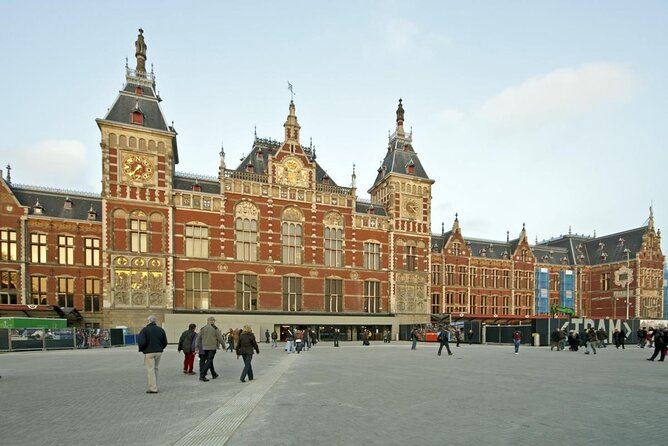
- Centraal Station as the opening scene with Golden Age context before you even leave the square
- St. Nicholas Basilica used for the Catholic vs Protestant story and the Eighty Years’ War fallout
- In ’t Aepjen stop inside the oldest wooden-house setting for a true taste of local drinking culture
- A stop at Chinatown plus a walk toward Nieuwmarkt and De Waag for neighborhood-by-neighborhood contrasts
- Nieuwmarkt/De Waag focus on myths, punishments, and family leisure around the former anatomical theatre
- The Jewish quarter ending near the Portuguese Synagogue and flea market area for a quieter, layered finish
From Centraal to the Golden Age: how the walk actually works
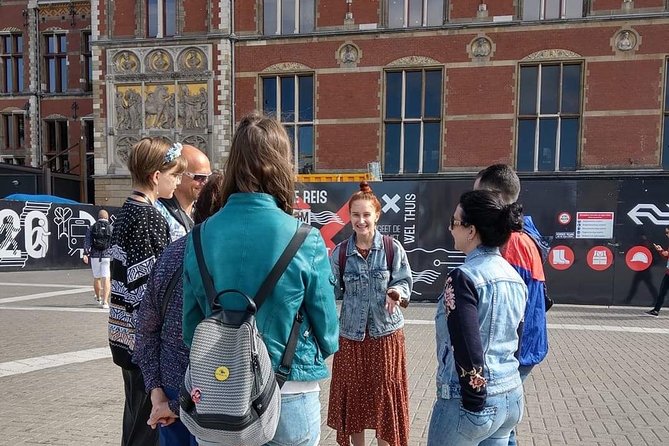
You start at Amsterdam Central Railway Station, at Stationsplein 13a (1012 AB). It’s a smart starting point because it’s not just a transport hub—it sets your mental map. Your guide begins with Dutch history framed around the Golden Age, so you’re not wandering through pretty streets with zero context.
The pacing is also practical. This is about three hours total, and the itinerary is built as short landings—roughly 15 minutes in most stops, with a longer stretch around Nieuwmarkt and De Waag. That matters, because Amsterdam’s center can feel endless fast. Short segments keep the story from blurring, and you get enough time to read façades, street layouts, and key sightlines without feeling rushed.
One more thing I appreciate: this is a true private tour. Only your group participates, so you can ask questions and adjust on the fly. In past tours like this, I’ve seen guides handle weather without drama—Anna, for example, kept going through rain and even hail without letting the mood collapse. That’s the kind of confidence you want when you book a walking tour.
You can also read our reviews of more walking tours in Amsterdam
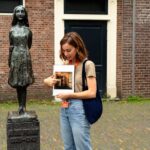


St. Nicholas Basilica: religion, war, and why the building matters

After Centraal, the next stop is St. Nicholas Basilica (St. Nicolaaskerk). Even though this church was built after the Golden Age, it still works as a story anchor. The idea is simple: you learn how the religious split in the Netherlands connects to the Eighty Years’ War and what came after.
Why this is valuable for you: Amsterdam is famous for tolerance in the modern sense, but the city’s past was not gentle. A guide who points out the Catholic and Protestant threads helps you understand why certain districts and institutions took the shapes they did. Without that link, a church can look like a pretty stop on a photo route. With the link, it becomes a clue.
Time here is about 15 minutes, and admission is listed as free. That’s a nice bonus because it keeps your budget predictable early in the walk. If you’re the type who likes to look up at architecture and then immediately understand the “why,” this is one of the better matches in the itinerary.
Possible consideration: as with any active church site, you’ll want to be mindful of interior rules and your group’s movement. Don’t expect this to feel like a slow museum visit. It’s more of a focused orientation than a long stay.
In ’t Aepjen: Dutch drinking culture in an old wooden-house setting
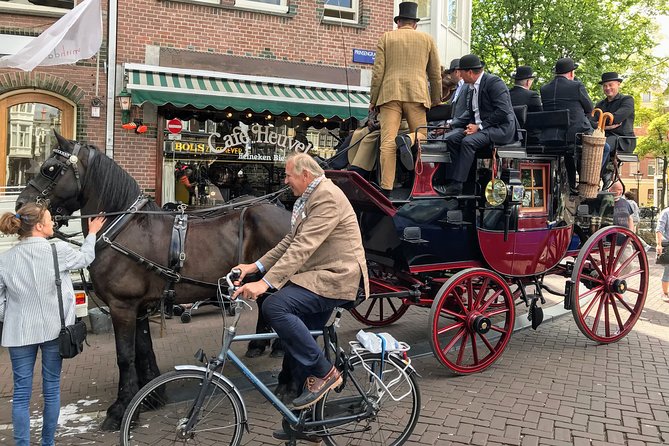
Then you shift from “big history” to everyday life at In ’t Aepjen—an authentic bar set in the oldest wooden house of Amsterdam. Time is about 15 minutes, and admission is free.
This stop is one of the most fun parts because it’s not asking you to memorize dates. It’s showing you how Dutch culture has always had a social side—drinking traditions, games, and big celebrations—tied to national mentality. The guide also connects the stories with art by painters like Jan Steen and Frans Hals. Even if you don’t know the names yet, you’ll see how art is used as evidence of what people valued.
The practical upside for you: 15 minutes is just long enough to reset your brain after churches and squares. And since the tour doesn’t include coffee or snacks, this is at least a culture-first pause where you’re not forced into a long sit-down.
Possible consideration: if you’re expecting a formal tasting or a guaranteed drink, the details you provided don’t promise that. The itinerary is built around storytelling and the bar’s setting. Plan to buy drinks only if you want them, not because they’re part of the package.
Chinatown and the street contrast effect
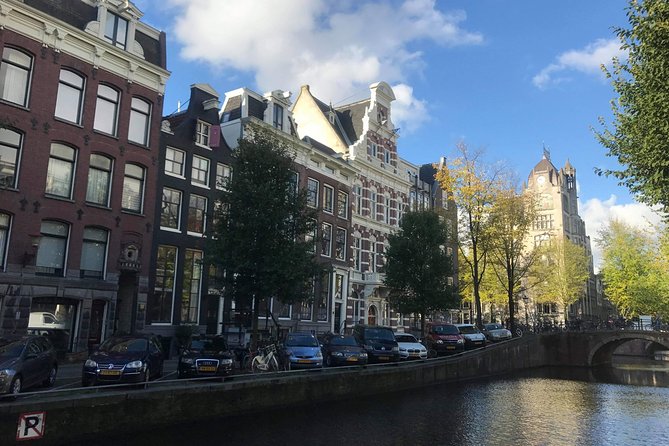
Next comes Chinatown. The itinerary doesn’t list a specific attraction inside Chinatown—think of this as a neighborhood walk-through, about 15 minutes, with admission free.
Why it’s worth including: Amsterdam’s center changes quickly. One street can feel like Golden Age storytelling mode; the next can feel like a different cultural lane. Even in a short stop, you’ll get a sense of the city’s layered immigration patterns and modern identity.
If you like to travel with your eyes open, this short segment helps. It stops you from treating Amsterdam like one single theme. You finish the walk feeling like you’ve moved through the city’s different communities, not just its monuments.
Nieuwmarkt and De Waag: family leisure, myths, and punishment stories
This is one of the itinerary’s biggest chunks—about 30 minutes—centered on Nieuwmarkt and De Waag. Admission is listed as free.
Here’s what your guide will focus on: this square held plenty of mysterious secrets and myths, and it was extremely popular among families for leisure time. That contrast is key. You’re in a place that’s remembered for darkness in stories, but people also came to relax there.
Your guide also ties the scene to the former anatomical theatre nearby, and uses Golden Age imagery—including references to Rembrandt’s work—to talk about witches, prisoners, and punishments. That might sound heavy, but handled well, it gives you a fuller sense of what “daily life” meant in the 1600s. You’re not just seeing architecture; you’re seeing a social world where entertainment and fear could exist in the same neighborhood.
How to get more out of this stop:
- Look at the square layout and the way streets funnel into it.
- Think about why families would gather there—then compare that to the darker stories your guide shares.
- Ask questions if something feels contradictory. A good guide will connect the dots.
Possible consideration: this section is story-heavy and a bit darker in theme. If you prefer lighter history, you might want to pace your questions so the group stays comfortable.
You can also read our reviews of more city tours in Amsterdam






Rembrandt House: why the guide puts extra attention here
After the Nieuwmarkt/De Waag area, there’s a special focus on Rembrandt House. The itinerary doesn’t state a specific time length here, but it flags this stop as important enough to spotlight.
This is the part of the walk where the guide aims to connect Rembrandt’s life, talent, and fate to what mattered for a successful artist during the Golden Age. For you, this is useful because it prevents Rembrandt from becoming a generic name on a postcard. Instead, you learn how art careers were shaped by the economic and social pressures of the era.
Also, this is exactly the kind of stop where a guide’s tone matters. When a guide tells stories well, the building stops being “a place you pass” and becomes a character in the narrative.
One small planning note: since the tour details you shared don’t specify whether Rembrandt House entry is included, don’t assume a ticket is part of this segment. Treat it as a highlight and let your guide confirm what you’ll do and see during that time on the street.
Portuguese Synagogue finish: the Jewish quarter’s quieter rhythm
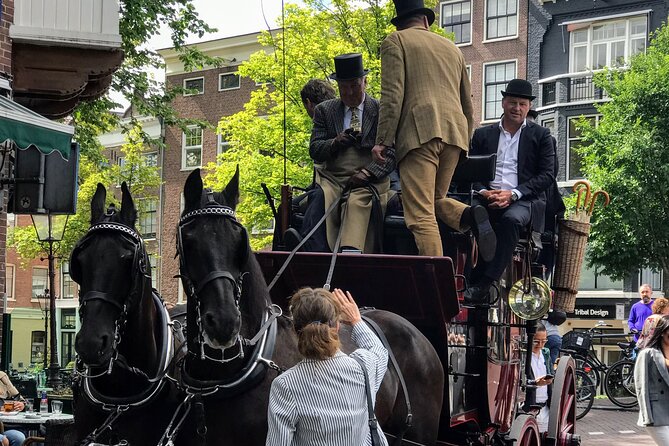
The tour ends in the Jewish Neighborhood area, near the Portuguese Synagogue of Amsterdam at Mr. Visserplein 3 (1011 RD). This final stop segment is listed as about 20 minutes, with admission not included.
This part of the walk is built to feel different from the earlier stops. The itinerary highlights a lovely, quieter district and points you toward sights like the Jewish Historical Museum area and the Portuguese synagogue, plus mention of a famous flea market nearby. The theme here is the Jewish diaspora in the Netherlands: traditions, lifestyle, and rights.
Why this ending works: you’re finishing where the stories slow down. After squares, war echoes, and public legends, the Jewish quarter gives you a sense of community life and identity—less spectacle, more continuity.
Possible consideration: because Portuguese Synagogue admission is not included, your group may need to handle the entry separately. Also, the tour ends there, so don’t plan to rush off immediately if you want a few extra minutes in the area after the guide finishes.
Price and value: what you’re paying for at $265.05 per person
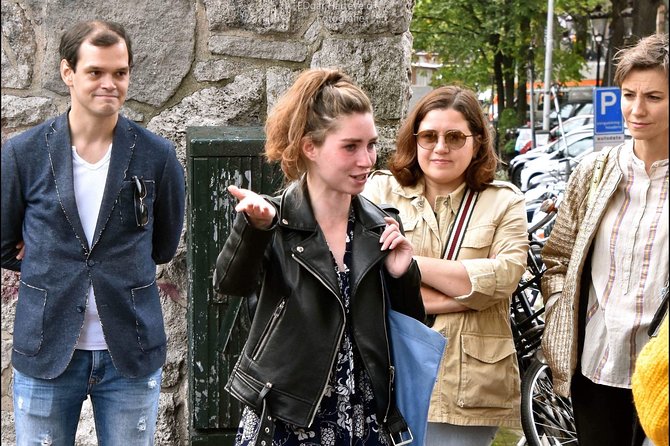
At $265.05 per person for about three hours, this isn’t a “cheap and cheerful” walking tour. The value is in two places:
1) You’re getting a private, in-person guide. That means you can ask questions, and the route can stay focused on your interests. In one example from a past group, Oleksandr adjusted the program to match questions and preferences, and answered everything during the walk.
2) Many stops are free-entry. The itinerary lists admission free for Centraal Station (as a meeting point/story stop), St. Nicholas Basilica, In ’t Aepjen, Chinatown, and Nieuwmarkt and De Waag. That helps you avoid the “I paid for a tour but still had to buy half the tickets” feeling.
Where costs could rise: Portuguese Synagogue admission isn’t included. Also, coffee and/or tea and snacks aren’t included, so you’ll either skip refreshments or grab them on your own.
If you’re booking solo, the price can feel steeper. If you’re traveling as a small group, you’re paying for the convenience and focus of your own guide rather than fighting for space in a crowd. This is a good fit when you want a guided storyline more than you want the cheapest possible walking route.
Getting the timing right: 22 days out and mobile tickets
On average, this experience is booked about 22 days in advance. That suggests it’s popular enough that you’ll do better by planning earlier rather than later, especially if you’re traveling near peak season.
You also get a mobile ticket, and the meeting point is near public transportation. Translation: you shouldn’t need complicated logistics to find the start of the walk. Just make sure you’re there on time, since the tour is structured around short stops and quick transitions.
Weather matters too. Amsterdam rain doesn’t care about your itinerary. The good news is that guides seem ready for it—Anna kept going through rain and even hail—so you can expect the walk to continue instead of getting canceled at the first drop.
Who should book this walk (and who might not)
You’ll likely enjoy this tour if:
- You like a story-led walk more than a photo scramble.
- You want Golden Age context tied to real places, not just a generic overview.
- You’re interested in how religion, art, and everyday social life connect across neighborhoods.
- You prefer a private guide who can answer your questions and keep the pace comfortable.
You might want to skip it or pair it with something else if:
- You want lots of indoor time or museum galleries where you can linger.
- You’re sensitive to heavier topics, since the Nieuwmarkt/De Waag section includes witches, prisoners, and punishments in the storytelling.
- You don’t want to pay any entry fees at the end, since Portuguese Synagogue admission isn’t included.
Quick booking decision: should you book this tour?
I’d book this tour if you want Amsterdam with a thread—religion, Golden Age life, art, and community identity—without spending half the day commuting between far-flung sites. The strong value is the private, in-person guide plus multiple free-entry stops, which keeps the tour feeling intentional rather than billable.
Skip it only if you’re chasing a longer museum-style experience or you don’t want to handle Portuguese Synagogue admission on your own. Otherwise, this is a smart way to see the old city in a tight time window and leave with clearer connections between what you saw and what it meant.
FAQ
How long is the walk through Amsterdam’s old city?
It’s approximately 3 hours.
Is this tour private?
Yes. Only your group will participate.
What language is the tour offered in?
It’s offered in English.
Where do we meet the guide?
You meet at Amsterdam Central Railway Station, Stationsplein 13a, 1012 AB Amsterdam.
Where does the tour end?
It ends at the Portuguese Synagogue of Amsterdam, Mr. Visserplein 3, 1011 RD Amsterdam.
Are admission tickets included for the stops?
Most stops list admission tickets as free. Portuguese Synagogue admission is listed as not included.
Do I get a mobile ticket?
Yes, the tour uses a mobile ticket.
Are coffee, tea, or snacks included?
No. Coffee and/or tea, and snacks are not included.
What is the cancellation policy?
You can cancel for a full refund up to 24 hours in advance of the experience start time. If you cancel less than 24 hours before, the amount paid is not refunded.