REVIEW · AMSTERDAM
Rembrandt House & Neighborhood Exclusive Guided Walking Tour
Book on Viator →Operated by Babylon Tours Amsterdam · Bookable on Viator
Rembrandt’s Amsterdam starts with water and ends at his doorstep. This 2.5-hour private route stitches together canals, guild-era landmarks, and the life Rembrandt built in the city. I especially like how you get Rembrandt context before you ever step into Het Rembrandthuis, and I like that the walk hits several real neighborhood stops, not just a checklist.
My main caution: you’ll want to plan for the museum rules (small bag only) and for the possibility that Rembrandt’s house can have occasional closures. If it’s delayed more than an hour past the start time, you get an alternative but the tour won’t offer refunds or discounts.
In This Review
- Key things that make this tour worth your time
- Rembrandt’s Amsterdam: the real idea behind this walk
- Meeting point and timing: what to expect at Cobra Café
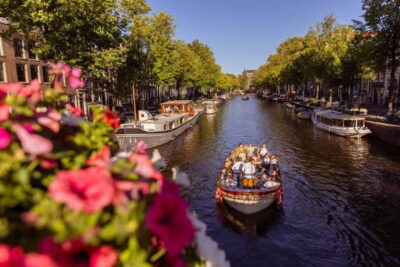
- Spiegelkwartier and the canal belt: where the story starts
- Keizersgracht: why Amsterdam names matter
- Museum Van Loon (outside view context) and Ferdinand Bol’s link
- Bloemenmarkt and Munttoren: quick color, useful context
- Rembrandtplein and the Night Watch bronze cast: art made public
- The Amstel and Stopera: where Amsterdam’s modern rhythms show up
- Jodenbuurt: the former Jewish neighborhood and preserved streets
- Inside Het Rembrandthuis: what you’re actually getting for the included ticket
- Guide quality: why a friendly expert can make or break it
- Price and value: is $159.21 a fair deal?
- Who should book this tour (and who might skip it)
- Should you book this Rembrandt House & neighborhood tour?
- FAQ
- Where is the meeting point and what time does the tour start?
- How long is the Rembrandt House and neighborhood walking tour?
- Is the tour private, or do I share it with others?
- Is the tour in English?
- Are entrance fees included?
- What should I know about bags, security, and dress?
- Is pickup from my hotel included?
Key things that make this tour worth your time
Private group feel: your guide stays with just your group (not shared with strangers).
Rembrandt context before the museum: you walk the same canal-and-guild world that shaped him.
Entrance fees included: the Rembrandt House museum entry is part of the package.
Strong neighborhood route: you cover major canals, Rembrandt Square, and the former Jewish neighborhood.
Good guide moments: the guide name Haas comes up in feedback for being friendly and on-point.
Rembrandt’s Amsterdam: the real idea behind this walk
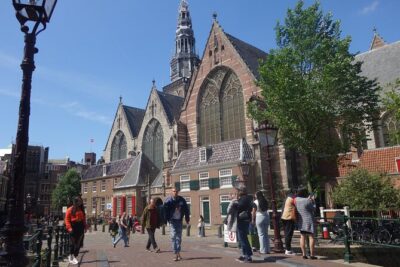
This tour isn’t only about seeing Rembrandt’s house. The bigger win is the way the route explains his world through the streets around him. You start in the canal belt area where Amsterdam’s center grew teeth—defenses, commerce, art galleries, antiques—and then you slowly work your way toward the museum.
That flow matters because Rembrandt doesn’t live in a vacuum. You’re going to hear why canals like the Singelgracht and Spiegelgracht mattered, what the Keizersgracht naming signals, and how guild culture shaped the art scene. By the time you’re standing inside the museum, the objects and etchings feel less random.
Also, the tour runs rain or shine, so it’s built for real weather. If you hate wasting half a day waiting for dry skies, that’s a plus.
You can also read our reviews of more walking tours in Amsterdam



Meeting point and timing: what to expect at Cobra Café
You meet at Cobra Café (Hobbemastraat 18) at 1:30 pm. It’s a practical start point because it’s close enough to public transport, and you’re not trudging across the city just to begin.
From there, you walk from canal to canal and landmark to landmark before finishing at the Rembrandt House Museum on Jodenbreestraat 4. The total time is listed at about 2 hours 30 minutes, which usually means you’ll be walking at a steady city pace for a couple of miles, depending on your group’s speed. One note from feedback: the route was described as around 2 miles, which is very doable if your legs are reasonably fine.
This is a moderate-fitness type outing, so if you know you tire quickly on cobbles or bridges, plan accordingly. Comfortable walking shoes are not optional in Amsterdam.
Spiegelkwartier and the canal belt: where the story starts
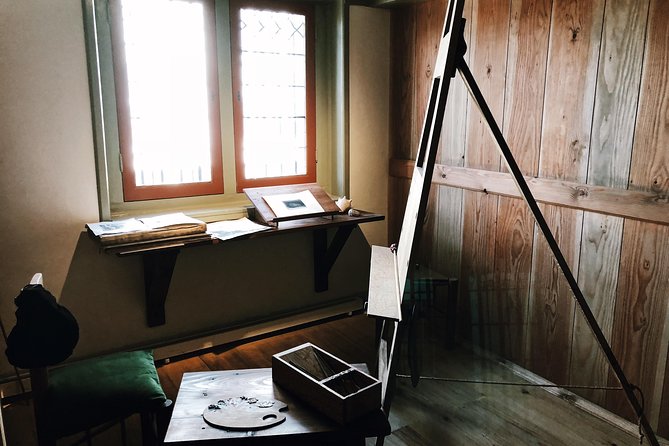
The first stretch takes you toward the Singelgracht and then onward to the Spiegelgracht. The point here isn’t just pretty water views. The route explains that the Singelgracht formed part of the city’s earlier outer defenses, so you’re looking at the edge of Amsterdam’s historic growth—not just scenery.
Then the tour pivots into the center of the canal zone on the Spiegelgracht, which is part of the Canals of Amsterdam UNESCO World Heritage listing. Expect lots of art-gallery and antique vibes along this route, which is exactly the kind of atmosphere that makes “artists in the city” feel tangible.
Even if you’re not a canal superfan, this part helps you read Amsterdam. You start to notice how the city’s layout supports daily life: where people traded, where people gathered, and where culture could cluster.
Keizersgracht: why Amsterdam names matter
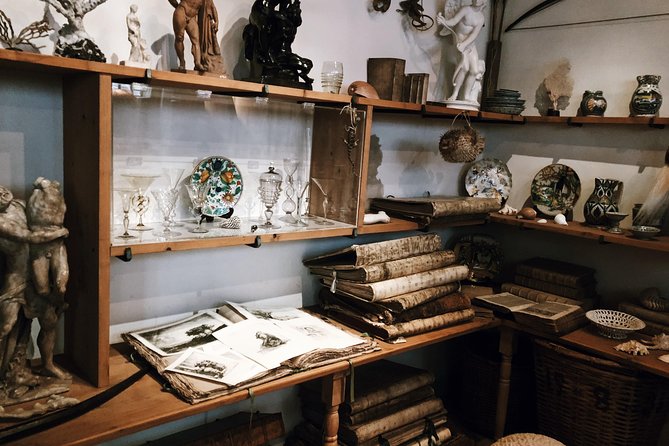
Next up is the Emperor’s Canal (Keizersgracht). The tour framing is specific: it’s the middle of the three main canals in Amsterdam, named after Emperor Maximillian of Austria, and it’s the widest canal in the inner city.
This stop is short, but it’s useful. Canal names sound like trivia until you realize they reflect who held power and which parts of the city attracted wealth. That’s the kind of background that makes Rembrandt’s story click, because his career depended on buyers, collectors, and the social machinery around art.
A practical tip: keep your phone handy for photos at canal crossings and bridges. The scenery changes quickly, and the group pace moves on.
Museum Van Loon (outside view context) and Ferdinand Bol’s link
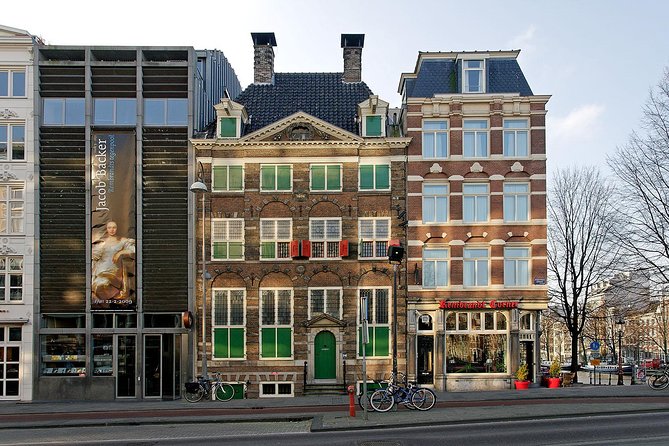
You’ll pass Museum Van Loon, a canal-side house, and the tour notes it’s known as the home of Ferdinand Bol, Rembrandt’s favorite pupil. This is one of those stops where you’re not necessarily going in—at least, the admission is listed as not included.
But the association is the point. Bol matters because it shows how Rembrandt’s workshop functioned and how his influence spread through students. So when you later see Rembrandt’s own works in the museum, you’re not just looking at one man—you’re seeing a small artistic ecosystem.
If you’re the type who likes to connect dots between people and places, this kind of landmark stop is a smart use of time.
You can also read our reviews of more guided tours in Amsterdam





Bloemenmarkt and Munttoren: quick color, useful context
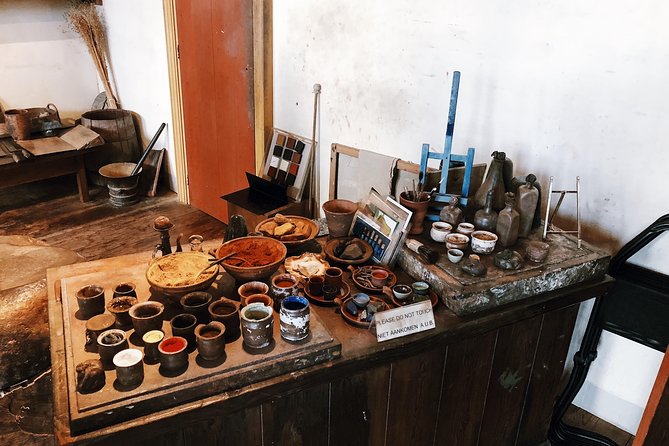
You walk through Bloemenmarkt, Amsterdam’s flower market area. Around it, you’ll see the Munttoren (Mind Tower), originally part of one of the main gates in Amsterdam’s medieval city wall.
This is a nice reset in the middle of the tour. One minute you’re in art-gallery and canal-world thinking; the next you’re in a market zone where everyday commerce overlaps with historic infrastructure. It’s also a solid photostop if your group doesn’t mind weaving around stalls.
The listing marks Munttoren admission as not included, so treat this as a look-from-the-street moment unless your guide tells you otherwise on the day. Either way, it’s worth seeing because gates and towers explain how Amsterdam controlled movement long before the canal belt became a postcard.
Rembrandtplein and the Night Watch bronze cast: art made public
Then you reach Rembrandtplein, one of Amsterdam’s busiest squares. The tour focuses on a bronze-cast representation of Rembrandt’s most famous work, The Night Watch, displayed for the artist’s 400th birthday in 2006.
This stop has two jobs. First, it anchors you in Rembrandt’s public image—this is how the city celebrates him. Second, it gives you a moment to think about how a huge painting can become a civic icon, not just a museum piece.
You’ll see references here to the monument with the Night Watch cast, and it’s set up for easy viewing even in a busy square. If you travel with kids or anyone who needs frequent breaks, this kind of stop works well because you don’t have to walk away from the center of action.
The Amstel and Stopera: where Amsterdam’s modern rhythms show up
Next, you walk by the Amstel River. Two bridges get attention: the Skinny Bridge and the Blue Bridge. The Blue Bridge isn’t blue now; the naming comes from a wooden blue bridge that spun across the Amstel back in the 17th century.
That detail is useful because it shows how infrastructure changes but names and stories can linger. Amsterdam often keeps the memory even when the structure evolves.
From there you reach Stopera, the building complex housing both the city hall and the Dutch National Opera and Ballet. Construction took at least 60 years, which gives you a quick sense that “big culture” and “big civic life” were designed together here.
This section isn’t about Rembrandt directly. It’s about the city machine that still exists. When you’re headed to a 17th-century artist’s home, it’s good to remember Amsterdam never stopped building.
Jodenbuurt: the former Jewish neighborhood and preserved streets
The route then moves toward Jodenbuurt, the former Jewish neighborhood. The tour notes that many historically important buildings are preserved and managed by the Jewish Cultural Quarter.
This part adds emotional and historical weight. It’s not just scenery; it’s a reminder that Amsterdam’s artistic stories unfolded inside real communities with real lives. A neighborhood like this helps you understand that Rembrandt’s time included diverse people and shifting social realities.
Expect a walking segment that feels more grounded than the square-and-bridge moments. If you prefer tours that give you context instead of only landmarks, you’ll appreciate this pivot.
Inside Het Rembrandthuis: what you’re actually getting for the included ticket
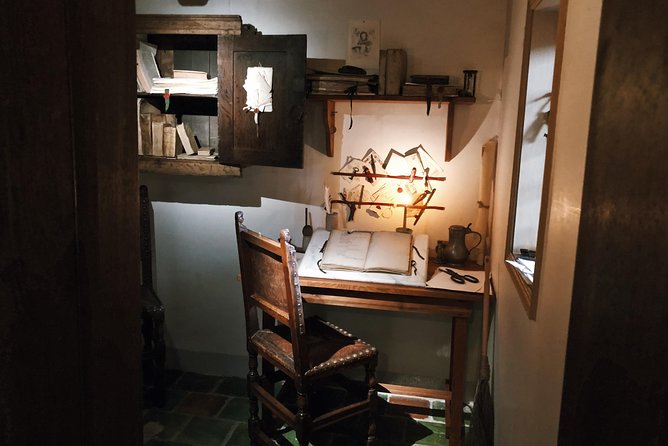
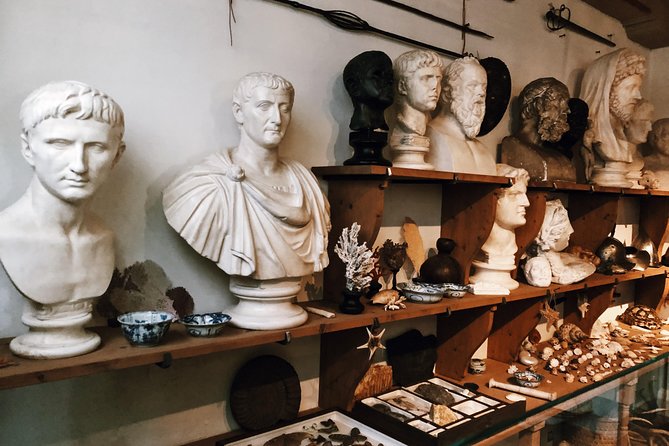
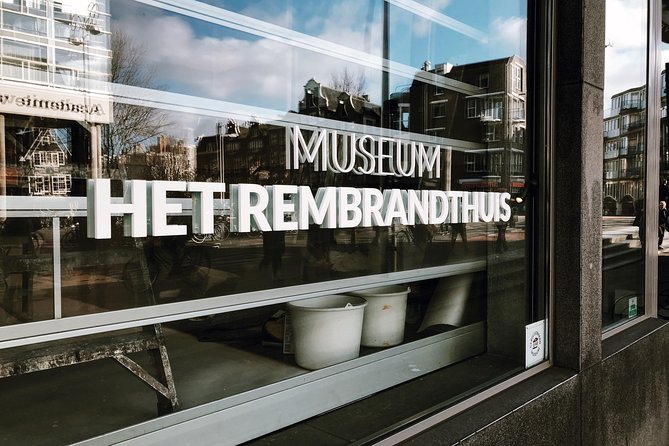
The final stretch is the Museum Het Rembrandthuis, Rembrandt’s house and art museum. The listing says Rembrandt lived and worked there between 1639 and 1656. The collection includes Rembrandt’s etchings and paintings of his contemporaries.
This is where the tour justifies its focus on “neighborhood + house.” You’ve already seen the canal belt logic and the civic-art signals in the city. Now you can connect that context to what the museum holds: a home where art-making wasn’t separate from daily life.
Practical stuff matters here. The tour information warns about security rules and bags: no large bags or suitcases inside, only handbags or small thin bag packs allowed through security. Dress requirements also apply for entry to some sites, so keep your outfit practical.
One subtle detail that can affect your experience: some areas inside the museum have quiet or restricted rules about speaking. Your guide provides information about where those rules apply before you enter, so you won’t be surprised mid-tour.
Guide quality: why a friendly expert can make or break it
A big theme in the feedback is that the guide made the experience flow. Haas was mentioned as pleasant and good at connecting details—especially around Rembrandt’s artistic development and the house itself.
That kind of guidance matters in a museum home setting. These places can feel static if you’re just staring at objects. With the right explanations, you start noticing how the collection reflects the artist’s process and social network.
If you want more than a photo walk, this is where your money goes: the guide turns stops into meaning, not just locations.
Price and value: is $159.21 a fair deal?
At $159.21 per person for about 2.5 hours, this price isn’t “cheap,” but it’s not random either. You’re paying for a private guided walking route plus guided museum entry, and the listing states that entrance fees are included.
The value swings based on who’s in your group. If you’re coming with someone and want a private format, it can feel easier to justify. If you’re traveling solo and you’re the type who loves history-but-also loves efficiency, you’ll probably get your money’s worth because you’re not spending time figuring out the route or missing key context.
It also helps that the tour is in English, includes a mobile ticket, and runs rain or shine—so fewer “travel day compromises.”
One more angle: the route includes several major landmarks with admission listed as free at most stops, while a couple of places show admission as not included. That’s fine because the tour isn’t promising you’re doing everything inside every building. It’s prioritizing the Rembrandt House entry, which is the main event.
Who should book this tour (and who might skip it)
This works best if you like your Amsterdam with structure. You want the neighborhood walk, but you also want your guide to explain why things matter—canals, guild-era connections, neighborhood shifts, and the way Rembrandt fits into it.
It also suits anyone who wants a calmer alternative to hopping between sites all day. The pace is set by the tour, and the house visit is the centerpiece.
You might consider skipping if:
- You only want big-ticket indoor museums with lots of time inside each one.
- You’re traveling with a large bag or suitcase and don’t plan to follow the museum bag rules.
- Your schedule can’t handle the possibility of occasional Rembrandt House closures, where an alternative is offered if delays run past an hour (with no refunds/discounts in those cases).
Should you book this Rembrandt House & neighborhood tour?
If your goal is to see Rembrandt’s home and understand the city around him, I think this is a strong booking. The route builds context in a way that makes the museum feel smarter, not just prettier.
Book it if you want:
- Private group time with a guide who connects details.
- A walk that mixes canals, market sights, civic buildings, and neighborhood history.
- A museum visit where you don’t have to guess what to focus on.
Skip it if you only want a quick house photo and you’re not interested in the neighborhood route. In that case, you could do the museum on your own and save the guided cost.
Either way, plan for small-bag entry and wear shoes that handle Amsterdam walking.
FAQ
Where is the meeting point and what time does the tour start?
The tour meets at Cobra Café, Hobbemastraat 18, 1071 ZB Amsterdam, Netherlands. The start time is 1:30 pm.
How long is the Rembrandt House and neighborhood walking tour?
The duration is listed as about 2 hours 30 minutes.
Is the tour private, or do I share it with others?
This is described as a private tour/activity, meaning only your group participates. The tour notes that a certain semi-private option may change the guide arrangement.
Is the tour in English?
Yes, the tour is offered in English.
Are entrance fees included?
All entrance fees are included. The tour also notes that admission for the Rembrandt House museum is included.
What should I know about bags, security, and dress?
The tour notes that no large bags or suitcases are allowed inside the museum; only handbags or small thin bag packs are allowed through security. It also says appropriate dress is required for entry into some sites.
Is pickup from my hotel included?
No. The price does not include hotel pickup or drop-off, and the recommendation is to use Uber or a taxi.