REVIEW · AMSTERDAM
Amsterdam Must-See Historical City Walk with Local Expert
Book on Viator →Operated by Friendly Local Guides · Bookable on Viator
First impressions matter, and this walk gets you oriented fast. It’s a tight, small-group route (up to 10 people) that threads together Amsterdam’s biggest sights without making you wait around. I like that the focus is practical: you learn the why behind the places while you’re snapping photos at spots like Dam Square and the Canal Ring.
One thing to keep in mind: this is mostly a pass-by experience, and admission isn’t included for multiple major stops. Also, while the guide quality can be excellent, there are reports of a no-show, so you should plan to confirm the meetup day-of.
In This Review
- Key Points I’d Use to Plan Your Walk
- Why This 10-Person Amsterdam History Walk Works for First-Time Visitors
- Dam Square: Your Quick Orientation Hub and Photo Magnet
- Oude Kerk: Medieval Walls and a Surprisingly Whimsical First Impression
- Damrak: Old-Time Traces, Canal-City Style, and a Key Architectural Detail
- Beursplein to Royal Palace and Nieuwe Kerk: Power, Ceremony, and Facade-Spotting
- Amsterdam Canal Ring (UNESCO) and Keizersgracht: The Walk That Teaches You How to See the Canals
- Westerkerk, Rembrandt, and Anne Frank: Major Names, Real Location Cues
- Gay Monument and Noorderkerk: Places That Show Amsterdam’s Moral Map
- The Bulldog Coffeeshop Stop and the Red Light District: Liberal Policies in Street-Level Reality
- Cafe Papeneiland and the Comfort Stops That Keep the Walk Human
- What Really Happens Over 1 Hour 45 Minutes (So You’re Not Expecting Too Much)
- Price and Value: A Short Walk With Big Context (Plus the Ticket Fine Print)
- Reliability Matters: When a No-Show Can Ruin Your Day
- Who This Tour Suits Best
- Should You Book This Amsterdam History City Walk?
Key Points I’d Use to Plan Your Walk
- 90-minute format: enough time to connect the city’s key landmarks without tiring you out.
- Max 10 people: you’re more likely to get real attention instead of hearing only from the back.
- Photo-and-story stops: iconic exteriors plus specific anecdotes that help you remember what you saw.
- UNESCO Canal Ring: you get canal basics you can actually use when you explore later.
- History meets modern Amsterdam: monuments and neighborhoods show the city’s values, not just old buildings.
- Ticket reality: many stops look incredible from outside, but you’ll need separate entry if you want inside access.
Why This 10-Person Amsterdam History Walk Works for First-Time Visitors
Amsterdam is a city where it helps to have a map in your head, not just on your phone. This walk is designed for that. The route moves through the historic center fast, so by the end you’re not just seeing pretty facades—you understand how the pieces connect: square to church, square to canal, canal to neighborhoods, and so on.
I also like the time pressure in a good way. You get roughly 1 hour 45 minutes of concentrated guidance. That’s ideal when you’re jet-lagged, arriving mid-trip, or trying to squeeze in something meaningful before dinner plans.
Small groups matter here. When you’re limited to 10 travelers, a guide can keep the pace reasonable and still answer questions. You’re less likely to lose the thread if you fall behind by a minute. And when you’re walking a lot of cobblestones, that kind of flexibility is underrated.
You can also read our reviews of more walking tours in Amsterdam


Dam Square: Your Quick Orientation Hub and Photo Magnet
Your first stop, Dam Square, is Amsterdam’s best starting point because so much funnels into it. You’ll see the Royal Palace edge of the square, museum energy, tram stops, street performers, and the constant flow of people moving through the center.
What makes Dam Square useful on a guided walk is the context. Instead of treating it as just a busy plaza, the guide gives you the “how to read it” version: what this location has represented over time and why so many landmarks orbit here.
Drawback: Dam Square can be crowded. In peak hours, you may need to plan for a bit of jostling to get clean photos and to hear the guide over street noise. If you’re hoping for quiet, this is probably not the best time of day to expect it.
Oude Kerk: Medieval Walls and a Surprisingly Whimsical First Impression

Next comes Oude Kerk (Old Church), an older medieval building with a distinctive look. It’s one of those spots where the architecture feels like it has personality—people often describe it as unusually shaped compared with what they expect in a Dutch capital.
This stop works well because it anchors you in the older Amsterdam layer. The guide’s job here is to connect the church to the city’s timeline, so you don’t just register it as an old building. You start noticing how Amsterdam’s religious buildings sit right inside the everyday urban flow.
Practical note: the tour duration is short here. Plan to use this moment for exterior viewing and quick orientation, not as a full church visit.
Damrak: Old-Time Traces, Canal-City Style, and a Key Architectural Detail

From Oude Kerk, you head to Damrak, a corridor that still shows traces of earlier Amsterdam life. This is also where you can start noticing how the city’s canal-based DNA shapes streets and architecture.
You’ll hear attention drawn to a standout modern contrast along the route: the so-called dancing house. It’s the kind of detail you’d miss if you were simply walking for photos. With a guide’s explanation, it starts to make sense as a statement in a city that’s often thought of as strictly traditional.
One consideration: Damrak is popular. You’ll blend into tourist traffic, so if you want wide-open photos, you may need to step aside briefly while the group regroups.
Beursplein to Royal Palace and Nieuwe Kerk: Power, Ceremony, and Facade-Spotting
At Beursplein, you get a square that’s used for different events—cultural, political, and entertaining. What’s helpful is that the guide knows the place well enough to point out what many people walk past.
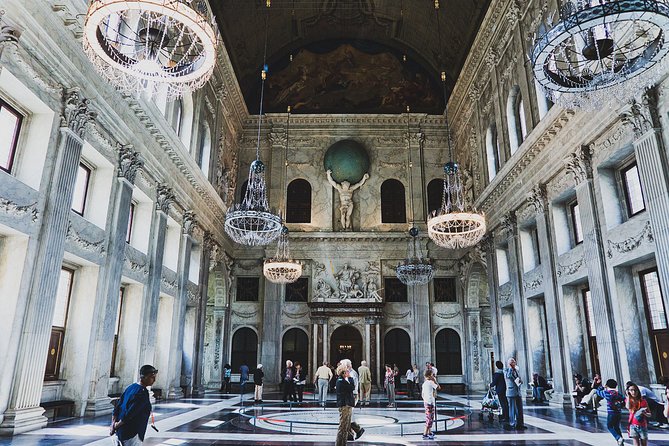
Then it’s on to the Royal Palace Amsterdam. Even if you don’t go inside (admission isn’t included), the exterior is worth your time. You’ll be able to walk around and notice decorative details and how the facade facing the square is designed to impress.
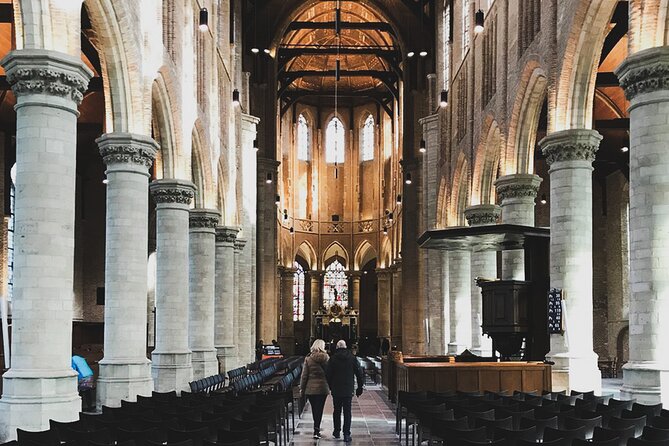
Right next door is Nieuwe Kerk (New Church), which is used for investiture ceremonies and royal weddings. Again, you’re mostly viewing from outside during this kind of walk, but the guide’s commentary helps you connect the building to what it’s used for today.
Potential drawback: because this walk is compact, the palace and church moments are brief. If you love architectural interiors or want to go deep with audio tours, you’ll likely want to add separate time after the walk.
You can also read our reviews of more city tours in Amsterdam






Amsterdam Canal Ring (UNESCO) and Keizersgracht: The Walk That Teaches You How to See the Canals
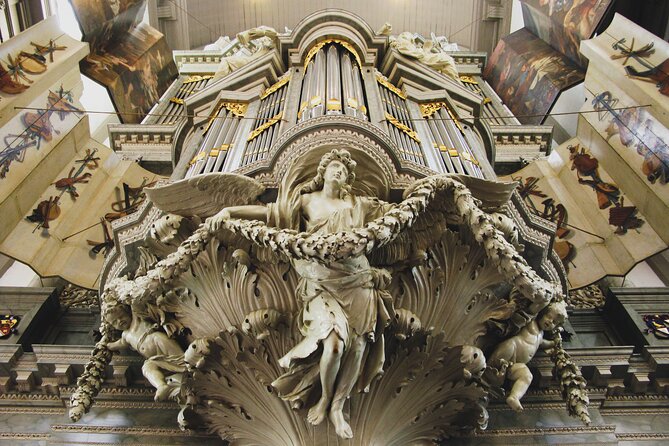
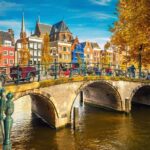
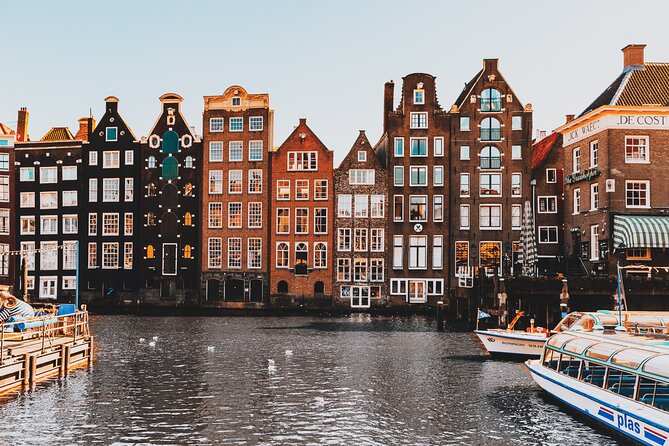
The best “aha” segment for many visitors is the Amsterdam Canal Ring. The canal system here isn’t just scenic—it’s part of Amsterdam’s identity, with more than a hundred kilometers of canals, about 90 islands, and roughly 1,500 bridges. The Herengracht, Prinsengracht, and Keizersgracht were built in the 17th century, and the canal belt is listed as a UNESCO World Heritage Site.
During the walk, the guide helps you slow down enough to notice patterns. Even a short stop along the canal can help you understand why Amsterdam feels structured in watery lines instead of random neighborhoods.
Then you’ll get a stroll by Keizersgracht (Emperor’s Canal). This is where the route leans into the everyday details: historical houses along the banks, little boutiques and offices, and bicycles parked on bridges. Those details are small, but they’re how you feel the city after the postcard part fades.
One thing I’d watch: the tour time at each point is tight (around five minutes). If you want canal photos with fewer crowds, aim for a quiet mindset and be ready to reposition quickly when the group moves.
Westerkerk, Rembrandt, and Anne Frank: Major Names, Real Location Cues
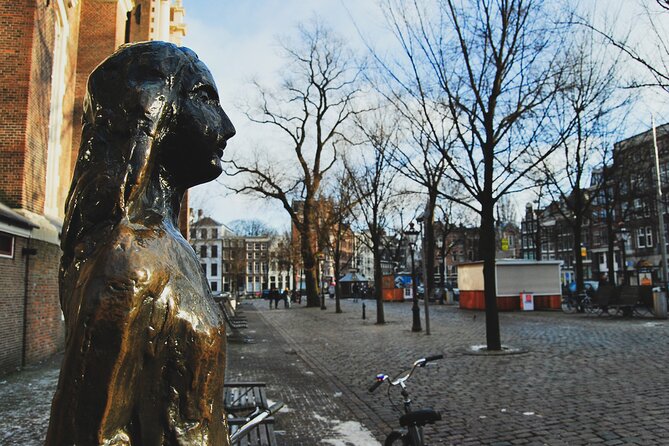
The route continues to Westerkerk, described as the tallest church in Amsterdam. It’s associated with Rembrandt’s burial, though the exact grave location isn’t known. That mix—famous story, uncertain facts—often makes history feel more honest and human.
You’ll also hear it tied to Anne Frank: the diary references the nearby house and the area around the church. This matters because it helps you connect the memorial sites you’ll see later with the geography you’re standing in now.
After that, you pass by an Anne Frank-related monument and her house. You don’t need to be an expert to get value from this pass-by moment. The guide gives the essentials about Anne Frank and Jewish persecution, plus the significance of her diary as a written document denouncing Nazism.
Important practical note: this is not a long visit. If you want to go inside the Anne Frank House, you’ll need separate arrangements since admission isn’t included here. Treat the walk as context so you can decide what kind of next step you want.
Gay Monument and Noorderkerk: Places That Show Amsterdam’s Moral Map
A standout stop for many people is the Homomonument, which commemorates gay men and lesbians who were victims of persecution. It’s also used as a site for activities like flashmobs, meetings, and photo exhibitions, so it’s not only memorial—it’s part of ongoing civic life.
The guide’s job here is to make sure you don’t miss it. Monuments like this can be recognizable once pointed out, but easy to overlook if you’re only scanning for big-ticket landmarks.
Then comes Noorderkerk, connected to Amsterdam residents who resisted Dutch Jewish persecution. This stop adds weight to the walk by shifting from famous European names to local acts of resistance and community choices.
These segments work best when you’re open to quiet meaning. If you want only big, cheerful photo moments, these stops might feel heavier than the average “greatest hits” tour.
The Bulldog Coffeeshop Stop and the Red Light District: Liberal Policies in Street-Level Reality
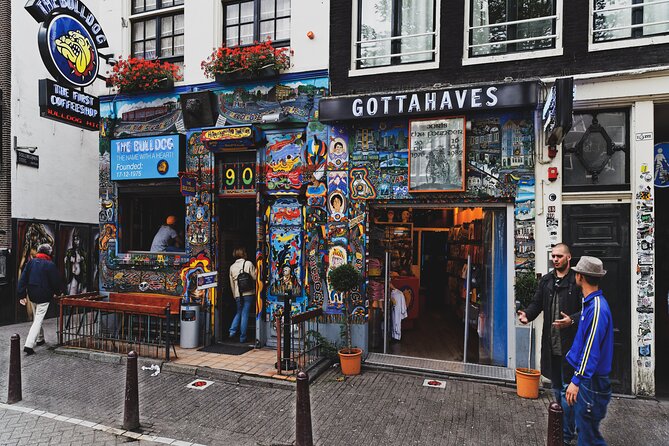
The tour includes a glimpse of modern Amsterdam at The Bulldog Rock Shop Coffeeshop. Your guide will share how cannabis sales in small quantities are allowed and explain points around legalization and decriminalization. This is the kind of subject that’s hard to grasp from guidebooks alone, because it lives in everyday signage and street routines.
Then you’ll head into the Red Light District, but with an off-the-beaten-path angle. The route focuses on a different perspective than the generic “walking through lit windows” version. It’s presented as part of Dutch culture, with its own charm and character.
Reality check: this area is photogenic but also intense. If you’re uncomfortable with explicit sights or mature themes, you should consider whether this part fits your travel style.
Cafe Papeneiland and the Comfort Stops That Keep the Walk Human
Between heavier stops, the route passes Cafe Papeneiland, one of Amsterdam’s oldest cafes. What I like about this kind of detour is that it turns the city from monuments back into lived-in places.
This cafe is known for apple pie, and it’s described as cozy, more pub-like, where locals meet over a glass of beer. Even if you don’t stop for a bite, the contrast is useful: it reminds you Amsterdam isn’t only history in stone.
And yes, it’s a good visual break. After churches, squares, and memorials, a cafe stop helps you reset before you continue through the center.
What Really Happens Over 1 Hour 45 Minutes (So You’re Not Expecting Too Much)
This tour is designed as a fast overview. Many stops are timed at about five minutes, so the goal is not deep entry tickets or long explanations at each site.
That’s a strength if you’re the type who likes to build a mental map. It’s also a limitation if you want to sit inside places, use audio guides, or spend long stretches looking at details. For major entries like the Anne Frank area and other churches/palaces that don’t include admission, you should be ready to add time separately after the walk if you want the full experience.
Also, since it includes icon photo spots but doesn’t include entry tickets, the tour works best as a kickoff. You’ll know where to return next with intent.
Price and Value: A Short Walk With Big Context (Plus the Ticket Fine Print)
You should judge value here by what’s included, not just what’s named. This experience includes:
- A friendly local guide
- Fees and taxes
- Iconic photo spots
- Expert advice on where to go and what to do after the tour
- A small group limit of 10
That’s good value for people who like planning. In Amsterdam, knowing what to do next matters as much as what you saw today.
The main value tradeoff is the ticket reality: multiple stops note admission tickets are not included. So even if the exterior looks amazing, you may still pay separately for entry if you want to go inside.
If you’re trying to keep costs tight, you can still enjoy the walk fully from outside at several spots listed as free to view. If you want inside visits at the palace, churches, or Anne Frank House, budget extra.
Reliability Matters: When a No-Show Can Ruin Your Day
The best guides can make this route sing. One review example highlighted a guide named Stacy as excellent—high energy, clearly enthusiastic, and dressed so the group could spot her in a crowd, with momentum kept throughout.
On the other hand, the reviews also include no-show incidents where a guide didn’t arrive and contact was difficult. That doesn’t mean it will happen to you, but it does mean you should protect your schedule.
My advice: on the morning of the tour, double-check your meeting point address and your start time. Have your phone ready for quick contact. Give yourself a little buffer that day, so you’re not betting an entire itinerary on one fixed plan.
Who This Tour Suits Best
This walk fits you if:
- You’re arriving and need quick orientation
- You want a short, structured history experience without full-day planning
- You like small-group guiding and story-driven stops
- You’re open to the range of Amsterdam, from memorial sites to modern policy topics
It might not fit as well if:
- You want long museum-style visits inside major attractions
- Mature or explicit sights in the Red Light District would make you uncomfortable
- You’re traveling on a schedule with zero flexibility (because the walk can be impacted by guide delays)
Should You Book This Amsterdam History City Walk?
If you want a smart first step, I’d book it—especially if you like learning how the city fits together and you appreciate guidance that helps you choose what to do next. The short format and the small group size are the big wins, and the route hits iconic areas like Dam Square, the Canal Ring, and key landmarks tied to major stories.
But go in with eyes open. Admission isn’t included for several major stops, and the tour can’t replace a dedicated visit to places like Anne Frank House if that’s your priority. Also, because there have been no-show complaints, you should confirm on the day and keep a backup option nearby.
If you do those two things, you’ll get a useful, high-impact Amsterdam primer in under two hours.