REVIEW · AMSTERDAM
Small Group LGBTQ+ History Tour in Amsterdam
Book on Viator →Operated by Badass Tours · Bookable on Viator
Amsterdam has a queer past worth walking. This 2-hour small-group LGBTQ+ history tour turns street corners into stories you can actually picture. You’ll start in the city’s nightlife heart and work your way through quieter canals and monuments that most people skip.
What I like most is the max of eight people, which keeps the pace human and the guide’s attention on everyone. The second big win is how the tour strings together LGBTQIA+ themes across centuries, with stops that connect personal lives to laws, religion, and state power.
One thing to keep in mind: it’s outdoors and weather matters. On a rainy or windy day, you may feel the walk and the short stop times a bit more than you’d like.
In This Review
- Key takeaways before you go
- Why This LGBTQ+ History Walk Feels Personal in a Max-8 Group
- Price and Value: What $47.34 Really Covers
- Meeting Point to Torensluis Bridge: How the Route Works
- Stop-by-Stop: The Stories You’ll Hear Across Centuries
- Rembrandtplein: Nightlife, Power, and a Marriage That Changes the Record
- Munt Tower (Munttoren): When Ordinary People Tried to Shield Friends
- Koningsplein: A Name Connected to LGBTQIA+ History the Church Tried to Hide
- Emperor’s Canal (Keizersgracht): The Pope of the Gays, a Lesbian Love Triangle, and Legal Consequences
- Gay Monument: Celebration, Mourning, and a Badass Lesbian Hero
- Herengracht: Queer Resistance in an Inconspicuous Canal House
- Torensluis: A Trans Soldier’s Message in the 18th-Century Militia
- Guides and Energy: Why Storytelling Is the Main Attraction
- Who This Tour Fits Best (and Who Might Want Something Else)
- Should You Book This LGBTQ+ History Tour in Amsterdam?
- FAQ
- FAQ
- How long is the Small Group LGBTQ+ History Tour?
- What group size is this tour?
- Is the tour offered in English?
- Where do I start and where does the tour end?
- Is there a separate admission fee for the stops?
- What kind of ticket do I receive?
- What’s the policy if the weather is bad?
Key takeaways before you go
- Max 8 people means the group stays intimate and questions feel easy to ask.
- Two hours, seven stops keeps the tour focused, with stories tied to specific places.
- Seven free outdoor stops lets you spend your money on the guide, not ticket add-ons.
- English-only experience with a local storyteller style (including guides like Guus and Elyzabeth, based on past tours).
- Citywide route links nightlife, canal life, resistance, and memorials in one sweep.
- Ends on Torensluis bridge by the Multatuli sculpture, so you finish with a clear landmark.
Why This LGBTQ+ History Walk Feels Personal in a Max-8 Group
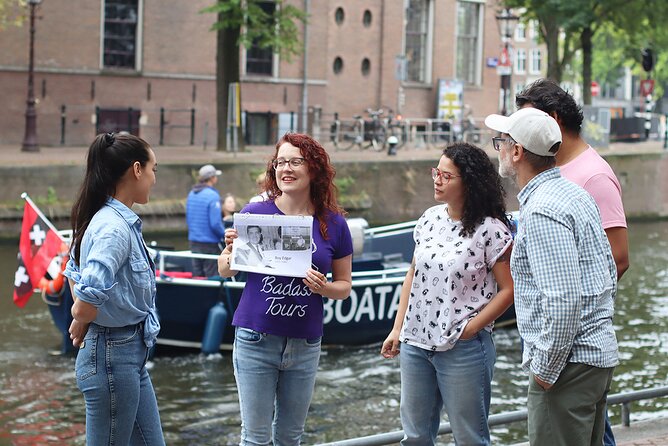
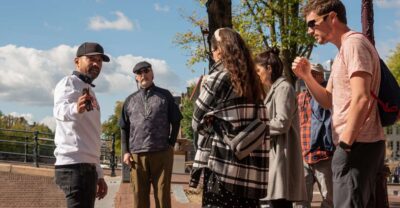
Amsterdam can be overwhelming on foot: you spot a canal, a church, a statue, and suddenly you’re lost in details. This tour avoids that. With no more than eight people, you get a guided path with enough breathing room to hear the point of each stop.
I also like the “storytelling” approach. The guide is described as a local who’s a history fan and a storyteller, and that matters because LGBTQIA+ history doesn’t always show up in plaques. Here, the guide helps connect what you see in the street to what was happening in people’s lives.
You’ll be moving through the city at a steady pace for about two hours, so think of this as a walk that gives you direction. After, you’ll know where to look again when you’re on your own.
You can also read our reviews of more historical tours in Amsterdam



Price and Value: What $47.34 Really Covers
At $47.34 per person for roughly 2 hours, you’re paying for three things: a local guide, a tight route, and a lot of interpretation per stop. This isn’t a “see a building, take a photo, move on” experience.
A big value lever is that each stop includes admission ticket free sites, so you’re not paying extra just to stand where the story happened. You’re also getting a mobile ticket, which is simple for last-minute travelers and reduces friction at check-in.
Compared with private tours, small-group pricing often gives you the best mix: you still get the guide’s full attention, but you’re not paying for a whole vehicle or a private pace.
Meeting Point to Torensluis Bridge: How the Route Works
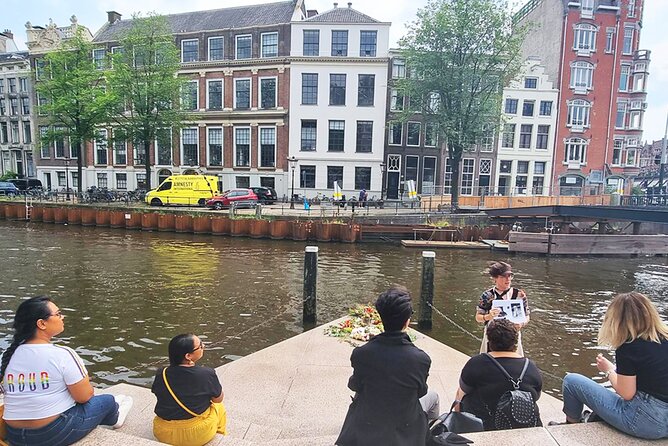
The tour starts at Utrechtsestraat 4, 1017 VN Amsterdam. It ends on Torensluis, 1012 VK Amsterdam, on the bridge by the Multatuli sculpture. That matters because Torensluis is a natural “finish line” you can orient around when you continue exploring.
You’ll be outside most of the time, so plan like you would for any canal-city walking tour. Wear shoes that handle uneven sidewalks and have a light layer ready. The tour also requires good weather, so if forecasts look rough, you’ll likely want to check your schedule early rather than assuming it’ll run no matter what.
If you’re using public transit, the tour is described as being near public transportation, which helps if you’re juggling museum days or dining plans.
Stop-by-Stop: The Stories You’ll Hear Across Centuries
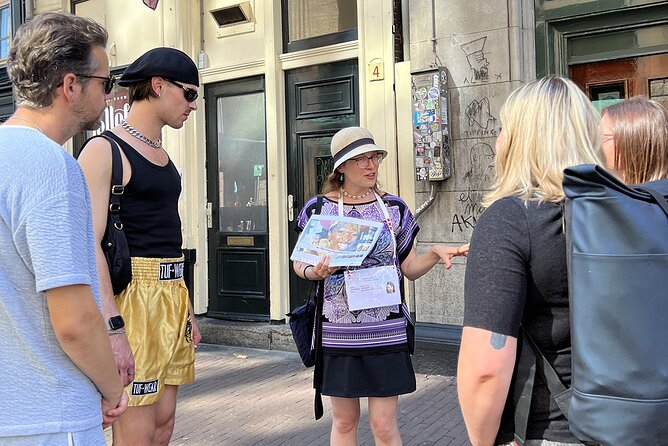
Rembrandtplein: Nightlife, Power, and a Marriage That Changes the Record
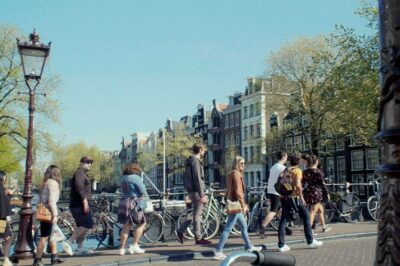
You begin at Rembrandtplein, one of Amsterdam’s most recognizable nightlife squares. The tour gives you a quick overview of the city first, then drops into LGBTQ+ stories tied to clubgoers and public life.
This stop includes three headline ideas: LGBTQ club culture, a married king who had affairs with men, and a story connected to the world’s first legal gay marriage in Amsterdam. Even if you only remember one thing from the tour, this is the place to anchor it: the city’s LGBTQ history isn’t hidden in the margins—it shows up in the public record and in the way power operated.
Possible drawback: Rembrandtplein can be busy depending on the time of day. Short stop time plus crowd noise means you’ll want to listen closely and not get distracted.
You can also read our reviews of more tours and experiences in Amsterdam

Munt Tower (Munttoren): When Ordinary People Tried to Shield Friends
Next is the Munttoren area, where the tour focuses on a shopkeeper who tried to protect friends in the face of state violence. This is a more personal kind of history: not famous names at the center of attention, but someone taking a real risk to help others.
I like that the tour doesn’t treat LGBTQIA+ history like it’s only about salons and famous artworks. It’s also about everyday decisions under pressure—bravery that doesn’t always come with a monument.
This stop is brief, so don’t expect time for a long photo session. Treat it as a “story landing” point.
Koningsplein: A Name Connected to LGBTQIA+ History the Church Tried to Hide
At Koningsplein, you’ll hear how a familiar name connects to LGBTQIA+ history—and how the Catholic church tried to keep parts hidden. This is a reminder that religion, law, and reputation were tightly linked, and what people could say in public could change what survived in archives.
This stop is useful if you’ve ever thought Amsterdam’s history is only about canals and tolerance vibes. The tour makes room for the uncomfortable reality: institutions fought to control stories.
Drawback to consider: because the tour is short here, you’ll want to keep your attention on the guide’s explanation rather than scanning everything around you.
Emperor’s Canal (Keizersgracht): The Pope of the Gays, a Lesbian Love Triangle, and Legal Consequences
The tour then moves to Keizersgracht, where the stories get especially colorful. You’ll hear about the Pope of the Gays, a 17th-century literary lesbian love triangle, and a pompous doctor whose actions may have accidentally helped give lesbians legal cover.
This is where the tour feels like Amsterdam itself: layered, architectural, and full of references that take patience to uncover on your own. The canal setting also makes the stories easy to picture—these weren’t abstract debates, they were lives unfolding along streets and houses like the ones you’re standing near.
Possible drawback: canal-side areas can be windy and cold in shoulder seasons. Keep your hands warm so you can focus on listening.
Gay Monument: Celebration, Mourning, and a Badass Lesbian Hero
At the Gay Monument, the tour shifts into memory and meaning. Since its unveiling, it’s described as a place for both celebration and mourning for Amsterdam’s LGBTQIA+ community.
The guide uses the monument to celebrate a badass lesbian hero, which is a tone I appreciate. It keeps remembrance from becoming only solemn. You’re invited to see the people behind the rights movements, not just the outcome.
If you’re the type who likes quiet reflection, this stop may feel like the emotional peak. If you’re not, you might still enjoy it because it gives the tour a strong closing message before the final canal neighborhood stories.
Herengracht: Queer Resistance in an Inconspicuous Canal House
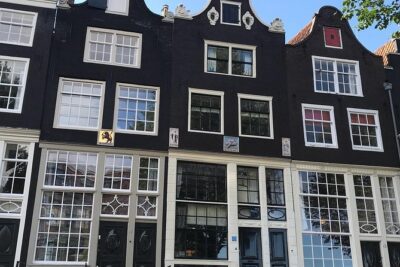
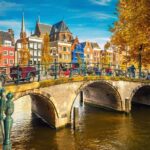
Next is Herengracht, a canal known for its elegant edges and classic Amsterdam views. The tour doesn’t treat it as postcard scenery. Instead, it highlights queer Resistance fighters working in an inconspicuous canal house.
That contrast is the point. Amsterdam’s look can be polished, but the people inside had to make choices—often quietly—to survive and resist. Hearing that story here changes how you read the buildings after the tour.
Possible drawback: since the area is visually striking, it’s easy to get distracted by the architecture. Let the guide steer your attention back to the human story.
Torensluis: A Trans Soldier’s Message in the 18th-Century Militia
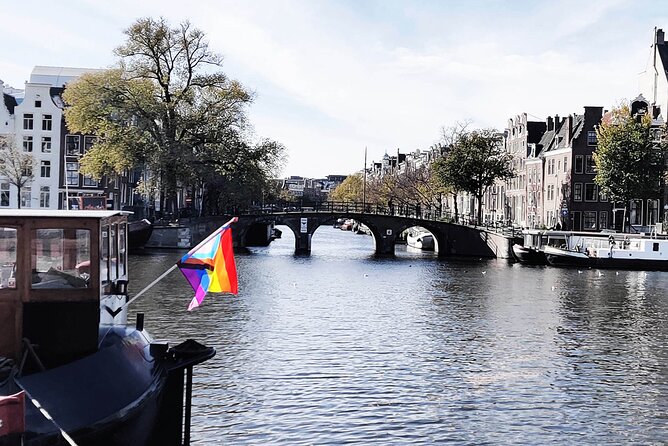
The final stop is Torensluis, at the end of the tour. Here, the story centers on a trans soldier who served in the 18th-century Amsterdam militia. The tour uses the location to highlight a surprising message: identity and service existed in ways that don’t fit neat stereotypes.
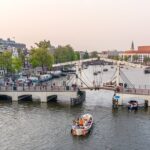
Ending on a bridge also works well. Once you step onto Torensluis, you’ve got a natural vantage point and a clean finish you can navigate from. The tour ends by the Multatuli sculpture, which gives you a concrete spot to remember even if you don’t memorize street numbers.
Guides and Energy: Why Storytelling Is the Main Attraction
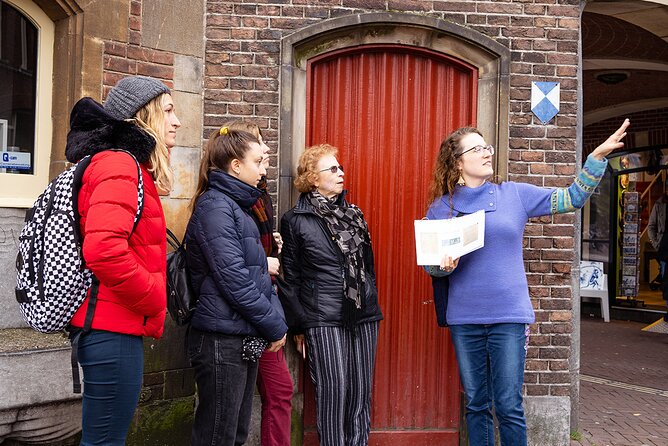
Based on past tours led by guides such as Guus and Elyzabeth, the format seems designed around momentum and humor without losing respect. One review highlights how Guus kept the group entertained even in cold, wet, windy weather, and another emphasizes Elyzabeth’s engaging, inspiring approach.
That’s exactly what you want from a history tour like this. If the guide only recites facts, you’ll miss the meaning. If the guide only tells stories, you’ll still leave hungry for context. Here, the guide’s job is to connect both: what happened, and why it matters for how you understand Amsterdam today.
Who This Tour Fits Best (and Who Might Want Something Else)
This tour fits you if you want LGBTQ+ history in a walkable, human-sized format. It’s ideal for history buffs, queer travelers, and anyone curious about Amsterdam beyond the usual canals-and-bikes checklist.
It also suits locals and long-time visitors because it points to places people often overlook and connects a wide time span of stories. If you’ve lived in Amsterdam and still feel like you’re only seeing the surface, this is the kind of route that can change your perspective fast.
The biggest “maybe not” is emotional or sensitive content. The itinerary includes state violence, institutions trying to hide stories, and themes of mourning. If you prefer lighter sightseeing only, you might find some stops heavy even though the tour stays engaging.
Also, plan around the weather requirement. This is not a sit-down museum tour where you can wait out the day.
Should You Book This LGBTQ+ History Tour in Amsterdam?
If you want a focused, story-led LGBTQ+ history tour in Amsterdam with a small-group feel, this one is a strong pick. The value is clear: $47.34 for about two hours, a local guide, free outdoor stops, and seven distinct locations connected to real lives and real power.
Book it if you’re the type who likes learning from place—where the story happened, what it looked like then, and how it echoes now. Skip it if you want a full-day program, museum-style indoor pacing, or purely light entertainment.
FAQ
FAQ
How long is the Small Group LGBTQ+ History Tour?
It runs for approximately 2 hours.
What group size is this tour?
The tour has a maximum of 8 travelers.
Is the tour offered in English?
Yes, it’s offered in English.
Where do I start and where does the tour end?
The tour starts at Utrechtsestraat 4, 1017 VN Amsterdam, Netherlands, and it ends on Torensluis, 1012 VK Amsterdam, Netherlands, by the Multatuli sculpture.
Is there a separate admission fee for the stops?
The itinerary lists each stop as admission ticket free.
What kind of ticket do I receive?
You’ll get a mobile ticket.
What’s the policy if the weather is bad?
This experience requires good weather. If it’s canceled due to poor weather, you’ll be offered a different date or a full refund.