REVIEW · AMSTERDAM
Financial History Tour
Book on Viator →Operated by Historical Amsterdam Tours · Bookable on Viator
Follow the money through Amsterdam.
This private Amsterdam Financial History Tour connects the city’s culture to the way money evolved, starting at historic exchange architecture and working your way through a route built for photos and stories. I like that the tour is private and flexible, so you can move at a pace that fits your group, and I also like how the focus stays on real financial turning points rather than vague trivia.
What I really appreciate is the storytelling angle that links buildings and institutions to how Amsterdam’s economy worked in practice. The reviews specifically call out guide Tijs de Boer for insights plus useful local hints, which is exactly what you want when a tour topic can get dry. One possible drawback: this is a finance-minded tour, so if your ideal day is mostly canals and art, you may find the emphasis narrower than expected—and stops are short, so you’ll want to ask questions while you’re there.
In This Review
- Key highlights
- Beurs van Berlage: The money-making architecture start
- Stadsarchief Amsterdam: Archives inside a former bank-style building
- Dutch merchants and the mechanics of wealth
- Tulip Mania on the Amsterdam floating flower market setting
- A private 2.5-hour route that stays flexible
- Where you meet and how the route ends across Dam
- Photo opportunities built into the story
- Price and value: $390.50 per group (up to 10)
- Who should book this Amsterdam Financial History Tour
- Is the guide the reason to book? It matters here
- Should you book this tour?
- FAQ
- How long is the Financial History Tour in Amsterdam?
- What does the tour cost and is it per person or per group?
- Is this tour private?
- Is the tour offered in English, and do I get a mobile ticket?
- Where do we meet and where does the tour end?
- Can I cancel for a full refund?
Key highlights
- Private group format for up to 10 people, with a route designed to feel personal.
- Beurs van Berlage as your first stop, grounding the story in Amsterdam’s exchange-building era.
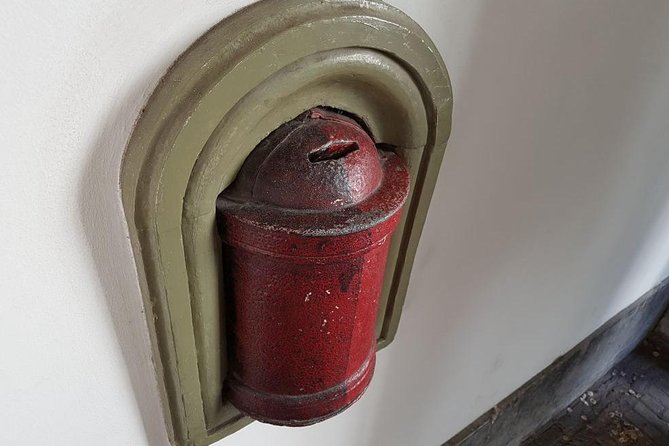
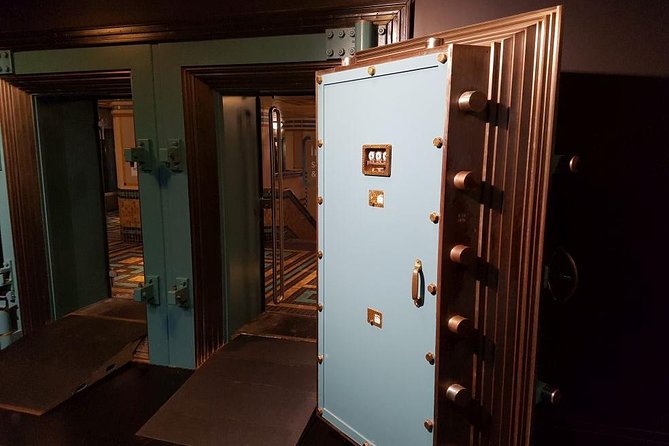
- Stadsarchief Amsterdam in a former 1920s bank-style setting, with city archive “treasury” vibes in the basement.
- Merchants, money-making, and bubble logic, with clear lessons you can actually remember.
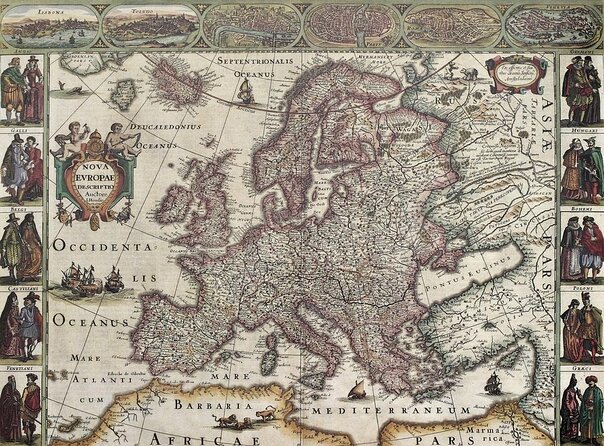
- Tulip Mania at the Amsterdam floating flower market setting, tying Dutch speculation to place-based storytelling.
Beurs van Berlage: The money-making architecture start
You kick off right at Beurs van Berlage, a building that instantly explains why Amsterdam became such a magnet for trade and finance. Even if you’re not a finance person, the place sets the tone: this is where exchanging goods and ideas needed serious infrastructure, not just backroom deals.
What I like here is how the tour starts with a “center of gravity.” The exchange buildings around Dam Square weren’t random landmarks. They were part of a system that helped merchants operate at scale, which then shaped the city’s culture—how people worked, how wealth moved, and how risks were discussed.
Also, this first stop is short (about 10 minutes) and free for admission, so it’s a low-stress entry point. You get enough time to orient yourself and understand what you’re looking at, without feeling like you’re trapped at a single wall for half the tour.
You can also read our reviews of more historical tours in Amsterdam



Stadsarchief Amsterdam: Archives inside a former bank-style building
Next comes Stadsarchief Amsterdam, where you shift from money-as-movement to money-as-record. The stop is centered on the historical and financial heart of the city—plus the practical question of who holds the documents when the economy changes.
This is the kind of stop that turns “history” into something tangible. The basement reveals the city’s archives, and that detail matters: archives are where you learn how institutions remembered what happened. You’re not just hearing that Amsterdam ran on finance—you’re seeing the kind of place where decisions and transactions would leave traces.
This stop runs about 10 minutes and includes admission ticket access. In real-world terms, it means you can show up without figuring out ticket logistics or spending extra time searching for the right entrance. And since the tour is in English, you’ll be able to follow the story without translation lag.
Dutch merchants and the mechanics of wealth
After the exchange and archives, the tour moves into people: rich merchants and how they made their money. This is where Amsterdam’s financial story becomes less abstract. Merchants weren’t just wealthy; they were skilled at timing, networks, and risk.
I find this part useful because it frames wealth as a process, not a magic trick. You start to understand that money in Amsterdam wasn’t only about having capital—it was about turning information and opportunity into profit, then persuading others to join the system.
If you’re the type who likes mental checklists, you’ll likely appreciate how this segment connects business behavior to outcomes you can still see in the city today. The guide’s job here is to keep it readable, and the reviews highlight a guide who gives both insights and local hints—so you get context you can use while you’re walking.
Tip: if you’re curious about how speculation really works, ask how the merchants weighed opportunities before the “big bubble” story. You’ll likely get an answer that helps the Tulip Mania piece click faster later.
Tulip Mania on the Amsterdam floating flower market setting
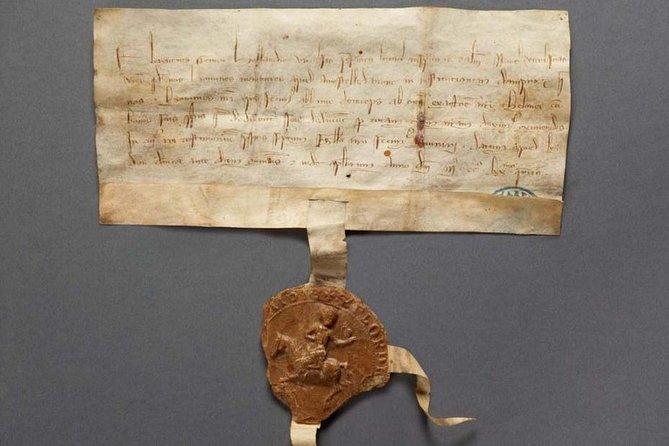
Then the tour tackles a classic: the first economic bubble, linked to Dutch Tulip Mania. The key word here is bubble, because this isn’t just a flower story. It’s a story about expectations, prices, and how enthusiasm can change value faster than fundamentals.
The setting mentioned is the Amsterdam floating flower market, which helps you anchor the lesson in the real city layout. Even if you don’t want a heavy economic lecture, you’ll come away with a clearer sense of why bubbles happen and how they spread through networks of buyers and sellers.
What you’ll likely walk away with is a better instinct for interpreting financial headlines in general. Tulip Mania is memorable because it’s so visual and human—people wanted something, prices rose, and then the story demanded a new level of belief just to keep things moving.
This section also ties back to the earlier stops. The exchange buildings explain the infrastructure, the archives explain the record-keeping, and the merchants explain the behavior. Tulip Mania is the moment where all those pieces collide into something dramatic.
A private 2.5-hour route that stays flexible
This tour is private, meaning only your group participates. That changes the feel right away. Instead of battling for attention in a larger crowd, you can ask follow-ups, request a photo pause, or slow down when a street corner looks interesting.
The duration is about 2 hours 30 minutes, which is a sweet spot for a topic like this. Long enough to build a chain of ideas, short enough to avoid boredom or fatigue—especially in a walk-heavy city center.
You should also expect moderate physical fitness requirements. That generally means comfortable walking shoes and an attitude of steady pace, not sprinting. There’s no need to be an athlete, but Amsterdam cobblestones and canal-side unevenness can add up if you’re not ready.
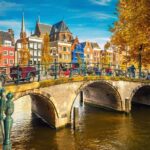
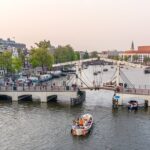
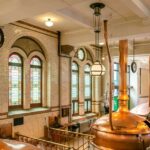


Where you meet and how the route ends across Dam
You start at Bistro Berlage, Beursplein 1, 1012 JW Amsterdam. The finish is at Rokin 24HS, 1012 KS Amsterdam, on the other side of the Dam—about 500 meters from where you started.
That matters more than it sounds. Finishing near Rokin can be convenient for continuing your day, grabbing a coffee, or stitching the tour into a broader sightseeing loop without crisscrossing the city for hours.
The tour is also near public transportation, which helps if you’re arriving from another part of Amsterdam. And because it uses a mobile ticket, you won’t need to scramble for paper or printouts at the last second.
If you’re the kind of traveler who plans tightly, the good news is this route doesn’t drag you across multiple neighborhoods. It’s concentrated, designed for stories tied to central landmarks.
Photo opportunities built into the story
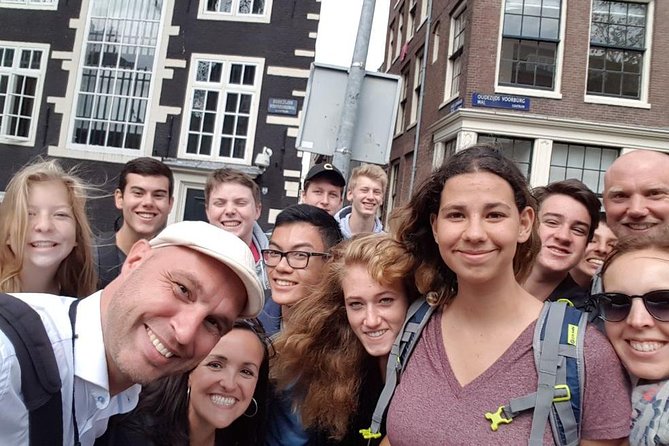
One of the real perks here is that the tour is set up with photo moments at iconic locations, plus “in-between” scenes that work well for quick snapshots. Amsterdam photography is all about timing: you want the right light, not just a famous name.
The stop order gives you a natural sequence to photograph—exchange architecture first, then the archive setting, then the merchant-and-market storytelling. You’ll also get chances to frame shots that make the city’s financial theme visible, not just something tacked onto your itinerary.
If you care about photos, I’d treat it like this: arrive with a plan. Decide what you want most—architecture, street views, or landmark context—and then ask the guide to recommend the best angle at each stop.
This is also where private flexibility helps. If your group is moving slower, you won’t have to pretend you’re fine just to keep up with a bigger group.
Price and value: $390.50 per group (up to 10)
The price is $390.50 per group for up to 10 people, with an estimated duration of about 2 hours 30 minutes. That sounds high if you’re picturing paying per person, but here’s the practical math: if you’re traveling with friends or family and can fill up to even half the group size, the effective cost per person drops quickly.
What makes the pricing feel more reasonable is the private format plus a targeted topic. You’re paying for a tailored walking experience centered on Amsterdam’s financial evolution, not a generic overview tour. And because the tour focuses on specific places—Beurs van Berlage and Stadsarchief Amsterdam, plus the merchant and Tulip Mania storytelling—you’re not spending your money on vague stops with little meaning.
Also, the fact that it’s booked about 28 days in advance on average is a sign that people plan ahead for this kind of specialty tour. If your dates are set, booking earlier usually keeps your options open, especially in peak seasons when English-guided experiences can fill up.
Who should book this Amsterdam Financial History Tour
This tour is a strong match if you enjoy one of these styles of travel:
- You like connecting place to how people lived and worked
- You enjoy business history and want a story you can picture, not just read
- You’re the type who asks questions and wants answers in plain language
It’s also a good choice for mixed-interest groups. Even if not everyone is obsessed with finance, the architecture, the archive setting, and the market lesson give plenty to keep the day varied.
If your group mainly wants broad art museums or canal-cruise vibes, you might find the financial angle too focused. But if you want a memorable Amsterdam theme that goes beyond the postcard circuit, this one delivers.
Is the guide the reason to book? It matters here
The reviews give extra weight to the guide experience. In particular, Tijs de Boer gets called out as a fabulous guide full of insights and local hints. That’s exactly what you want for a topic like Dutch financial innovation, because the difference between a good and great tour is usually the explanation, not the building.
So my advice: if you see this tour, don’t treat it like a checklist. Treat it like a guided conversation. Bring your curiosity—why Amsterdam, why this timing, why bubbles happen—and the best guides will turn that curiosity into clear, memorable answers.
Should you book this tour?
Yes, if you want Amsterdam with a theme that actually changes how you look at the city. The private setup, the focus on key institutions like Beurs van Berlage and Stadsarchief Amsterdam, and the Tulip Mania segment make it a smart use of 2.5 hours.
I’d skip it only if your group strongly prefers purely scenic sightseeing with no finance angle, or if you dislike tours where you’ll spend most of the time on ideas and storytelling rather than open-ended wandering.
FAQ
How long is the Financial History Tour in Amsterdam?
The tour lasts about 2 hours 30 minutes.
What does the tour cost and is it per person or per group?
It costs $390.50 per group, up to 10 people.
Is this tour private?
Yes, it’s a private tour/activity, and only your group participates.
Is the tour offered in English, and do I get a mobile ticket?
The tour is offered in English, and it uses a mobile ticket.
Where do we meet and where does the tour end?
You meet at Bistro Berlage, Beursplein 1, 1012 JW Amsterdam, and you end at Rokin 24HS, 1012 KS Amsterdam.
Can I cancel for a full refund?
Yes. You can cancel up to 24 hours in advance for a full refund.