REVIEW · AMSTERDAM
LGBTQI+ History Tour of Amsterdam
Book on Viator →Operated by Special Amsterdam Tours · Bookable on Viator
Amsterdam has a second, louder story. This 2-hour LGBTQI+ history walk traces how rights, fear, and courage shaped the city, with Henk telling it in a personal way. I especially like the small group setup and the chance for straight allies to feel genuinely welcome. One thing to plan for: it’s a walking tour, and the pace depends on staying comfortable outdoors.
You’ll move through central Amsterdam with a guide who’s lived through the early days of the movement there. Along the route, the tour connects specific places to bigger turns in Dutch life, including harder chapters like AIDS and loss. The trade-off is that you won’t have time for big indoor attractions like the Royal Palace itself.
In This Review
- Key takeaways before you go
- Why This LGBTQI+ History Walk Works So Well in Amsterdam
- Price and What You Actually Get for $42.33
- Getting There: Westermarkt Start and Zeedijk Finish
- Stop 1: Gay Monument and the Netherlands’ First Major Mark
- Canal Walk Toward Dam Square: City Planning as Social History
- Royal Palace Area: Why It Matters Without Going Inside
- Dam Square: Central Power Meets LGBTQI+ Visibility
- Red Light District Walk: The Leather Street Stories
- Chinatown and Bet van Beeren: When Safety Replaces Fear
- Henk’s Tour Style: Lived Experience, Humor, and Hard Topics
- Who This Tour Fits Best (and Who Might Prefer Another Format)
- Should You Book This LGBTQI+ History Tour in Amsterdam?
- FAQ
- How long is the LGBTQI+ History Tour of Amsterdam?
- What time does the tour start, and where does it end?
- Where do I meet the guide?
- Is the tour offered in English?
- How big is the group?
- What’s included, and what should I bring?
Key takeaways before you go
- A real local voice: Henk shares stories from his own lived experience of early LGBTQI+ activism in Amsterdam
- Small group, more interaction: up to 15 people means more time for questions and side conversations
- Tickets for two major stops: the Gay Monument and Dam Square segments include admission where noted
- Allies are invited: the tone is friendly to straight visitors and anyone curious about LGBTQI+ history
- Hard history, with humor: the tour uses warmth, wit, and even Dutch poetry to cover tough topics
- Ends at an iconic bar: you finish at Café ’t Mandje / Zeedijk with a stop at Bet van Beeren
Why This LGBTQI+ History Walk Works So Well in Amsterdam
This is the kind of tour that helps you see Amsterdam differently right away. Instead of only focusing on famous landmarks, the walk uses a handful of central streets and squares to explain how LGBTQI+ life became visible, contested, and eventually protected.
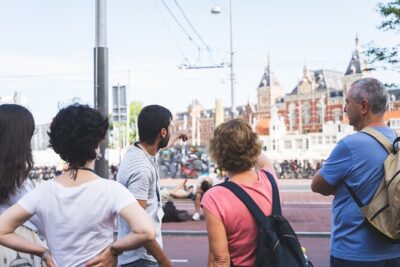
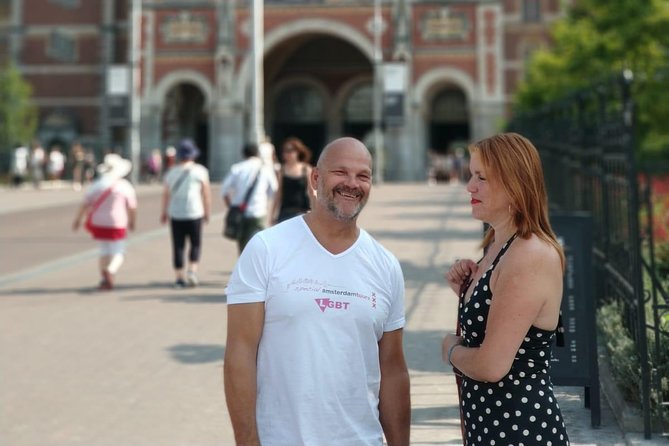
What makes it work is the guide. Henk isn’t just reciting dates. He frames the story as something people fought for, lost, and rebuilt. That personal angle is one of the reasons the tour gets such consistent praise, and it’s also why it feels welcoming even if you’re new to the subject.
You’ll also get the benefit of a small group. With a crowd, walking tours can turn into passive sightseeing. Here, the setup encourages back-and-forth questions as you go, so you’re not stuck waiting until the end.
You can also read our reviews of more historical tours in Amsterdam



Price and What You Actually Get for $42.33
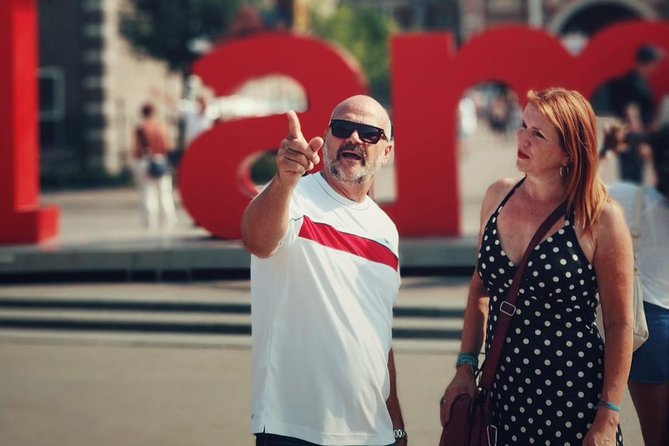
At $42.33 per person for about two hours, this isn’t a “free walking chat” style tour. What you’re paying for is a guide who can connect multiple time periods while keeping the route tight enough to stay in central Amsterdam for most of the experience.
Two stops include admission, which matters for value: you’re not paying only for storytelling. You also get a host/escort service, a mobile ticket, and an English-language guide. The Royal Palace is specifically noted as not included, so you’re not paying for palace entry that won’t happen on the tour.
If you’re deciding between tours, treat this as a guided education session on foot. It’s a good fit if you want meaning with your walking time, not just photos and quick facts.
Getting There: Westermarkt Start and Zeedijk Finish
The meeting point is Westermarkt 2L, 1016 DW Amsterdam, with a start time of 11:00 am. The route ends at Café ’t Mandje, Zeedijk 63, 1012 AS Amsterdam, and that finish is walkable from Central Station.
Two practical notes that make your life easier:
- Wear walking shoes. Even though it’s only about two hours, the tour covers several central areas.
- Bring water. The tour guide doesn’t include bottled drinks, and you’ll appreciate having water during the walk.
You’ll also do better if you check the weather before heading out. This experience is stated as requiring good weather, and that’s exactly the kind of factor that can affect comfort on a city stroll.
Stop 1: Gay Monument and the Netherlands’ First Major Mark
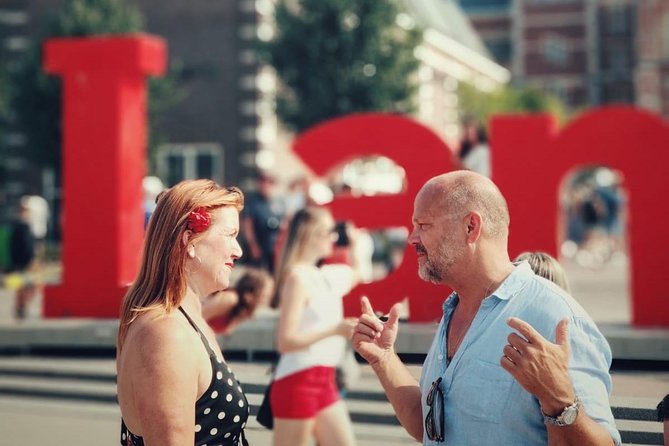
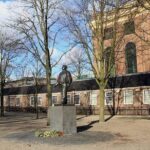
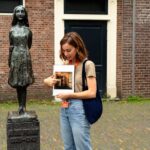
You start at the Gay Monument, dedicated to gay victims in past, present, and future. This first stop sets the tone. It’s not vague or symbolic in a way that avoids details; it’s a clear reminder that rights didn’t arrive by luck.
The guide shares how the Netherlands reached the milestone of having the first monument in the world tied to gay victims. You’re given about 30 minutes here, including admission, which gives the moment room to land instead of turning into a quick photo stop.
Why I think this opening works: it gives you a framework for everything that follows. Once you’ve seen the monument, you’re ready to understand why later places around Dam Square, the canal area, and nightlife streets carry emotional weight—not just tourist appeal.
Canal Walk Toward Dam Square: City Planning as Social History

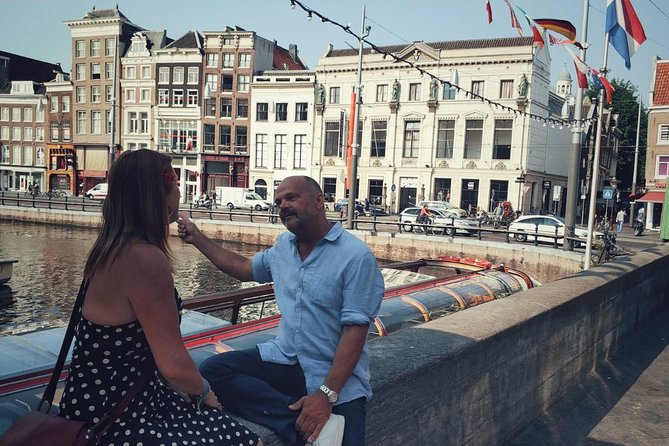
After the monument, you walk along the canals toward Dam Square, with a focus on 17th-century houses and what’s described as early city planning. This is one of those tour segments that can feel “just sightseeing” if you’re not expecting it.
But the point is useful: Amsterdam’s physical layout often shaped who could be present, who could gather, and where communities could form. The guide uses the urban form to support the human story, so the streets become part of the explanation, not just a backdrop.
As you go, listen for how the guide ties architecture and planning to everyday life. Even if you mainly came for LGBTQI+ history, this segment helps you understand why the city became what it is.



Royal Palace Area: Why It Matters Without Going Inside
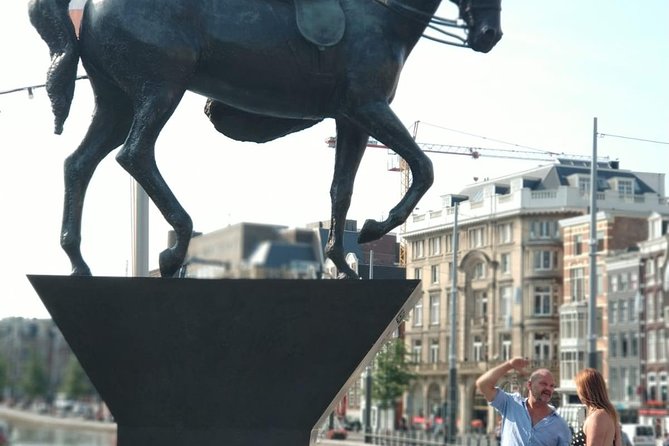
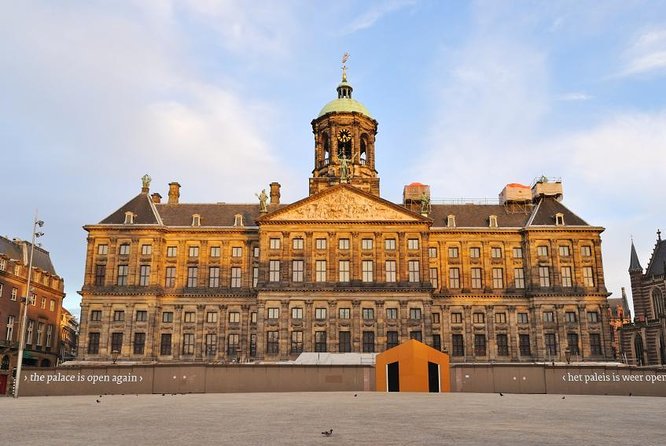
At Dam Square, you’ll spend time hearing the origin of the Royal Palace and how it connects to gay life in the 17th century. The timing is short (about 15 minutes), and importantly, palace admission is not included.
That limitation is worth considering. If you expect to tour the palace interior, you won’t. Still, the value here is that you get a guided explanation of the palace’s place in the story of power and visibility during that period.
If you want a deeper palace experience later, plan to visit independently after the tour. The guide’s takeaway can give you better context when you do.
Dam Square: Central Power Meets LGBTQI+ Visibility
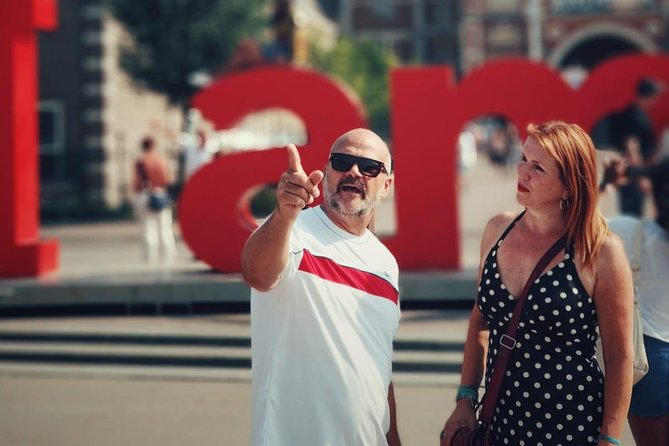
Next you hit Dam Square, with about 10 minutes and admission included for the guided segment. Dam Square is the city’s center, so it’s also a place where history, law, and public attention intersect.
The guide focuses on Dam Square’s long history and what’s described as everything LGBT-related here. That makes sense: central squares are where public life happens, and public life is exactly where rights and backlash get tested.
This stop also helps you “read” the city while you’re still in motion. You’ll start noticing how certain locations feel different when you know what happened there.
Red Light District Walk: The Leather Street Stories
From Dam Square, the tour goes through the red light district, including mention of the leather street of Amsterdam. This is one of the more emotionally charged parts of the walk because it’s where commerce, stigma, and survival have mixed for generations.
You won’t get a sanitized tour version. The guide answers questions if you’re interested in details about the red light district. That Q-and-A energy is one of the reasons people like the small group size so much—there’s room to ask what you actually want to know.
A practical tip: if you’re not comfortable with adult-themed sights, give yourself a moment to adjust. The tour moves through the area as part of the history lesson, not as a detached street walk for entertainment.
Chinatown and Bet van Beeren: When Safety Replaces Fear
The route continues to the area described as China town, once said to be the roughest street in Amsterdam. The guide connects that past to LGBTQI+ history, including why German soldiers in WWII were not allowed in this part of the city.
Then comes the ending that many people remember most: a stop at Bet van Beeren, described as the oldest gay bar in Amsterdam. You’ll finish your tour at Café ’t Mandje on the Zeedijk, which keeps the final moments practical and social.
This ending is valuable even if you don’t plan to stay for long. It gives you a “living history” stop—somewhere the community has kept showing up over time. It also matches the tone of the guide, who mixes facts with human stories.
Henk’s Tour Style: Lived Experience, Humor, and Hard Topics
One of the biggest reasons this tour earns a near-perfect rating is how Henk teaches. His style blends historical points with personal perspective, and he doesn’t avoid difficult parts of the LGBTQI+ story.
People specifically mention moments tied to loss to AIDS, and how the tour uses empathy rather than shock. That matters, because a history tour can accidentally become cold if the guide sticks only to dates and names.
You’ll also notice humor. There are mentions of a warm, joking approach, plus touches like Dutch poetry that show up in the middle of real history rather than at the end as trivia. And if weather turns, people report the guide being prepared—one person even noted a rainbow umbrella.
For you, the practical takeaway is simple: expect a guide who communicates clearly, answers questions, and makes room for respect. If you like history that feels human, this will fit.
Who This Tour Fits Best (and Who Might Prefer Another Format)
This walking tour is a strong match if you want:
- A focused route in central Amsterdam instead of a long bus day
- Context about LGBTQI+ rights and recognition, not only landmarks
- A guide who can handle both light and difficult topics
- A tour where allies are welcomed and not treated like outsiders
You might want to choose something else if:
- You dislike city walking in mixed weather
- You’re expecting a museum-style indoor pace with long stops inside major sites
- You want multiple big-ticket attractions beyond what fits into an about-2-hours route
Should You Book This LGBTQI+ History Tour in Amsterdam?
If you’re spending only a short time in Amsterdam and you want one experience that changes how you understand the city, I’d book this. The route is tight, the stops are meaningful, and Henk’s lived perspective gives the story weight.
Book it especially if you like tours where you can ask questions and where the guide covers real human moments, not just polished highlights. And do yourself a favor: bring water, wear comfy shoes, and plan to spend a little extra time afterward near Zeedijk—this tour ends right where you can keep the conversation going.
If you want a shortcut to whether it’s your kind of thing, look for what you’ll get here: small group, a guide who lived the early movement, and a walking lesson that connects gay history to the actual streets you’re standing on.
FAQ
How long is the LGBTQI+ History Tour of Amsterdam?
It’s about 2 hours (approximately).
What time does the tour start, and where does it end?
The tour starts at 11:00 am and ends at Café ’t Mandje, Zeedijk 63, 1012 AS Amsterdam.
Where do I meet the guide?
Meet at Westermarkt 2L, 1016 DW Amsterdam.
Is the tour offered in English?
Yes, it’s offered in English.
How big is the group?
The tour has a maximum of 15 travelers.
What’s included, and what should I bring?
You’ll have a tour escort/host. You should bring your own water and walking shoes. Admission is included for the Gay Monument and the Dam Square segment, while the Royal Palace is not included.