REVIEW · AMSTERDAM
Amsterdam: Jewish Quarter and History Guided Tour
Book on GetYourGuide →Operated by Trigger Tours · Bookable on GetYourGuide
WWII has a route in Amsterdam. This walking tour follows it through the Jewish Quarter, using real landmarks to explain day-to-day life under Nazi occupation and the city’s fate from 1940 to 1945. I especially like how the guide frames the story around lived experience, not just dates, and how the walk threads together major sites such as the Portuguese Synagogue and the Dockland area tied to deportations.
The best part is the balance: you get both what Amsterdam life looked like for Jewish residents and what the occupation did to the community’s safety and normal routines. One thing to keep in mind: this is a heavy subject, and it’s still a 2-hour walking format with no food stop built in.
In This Review
- Key things you’ll notice on this Jewish Quarter walk
- Walking the Jewish Quarter: why this 2-hour format works
- From the Amstel River into Nazi-occupied Amsterdam (1940–1945)
- Portuguese Synagogue and the Jewish institutions you’ll actually recognize
- How the tour handles day-to-day life under occupation
- Dokwerker and the Auschwitz Monument: remembering in the real city
- The Anne Frank House ending: diary context, not just famous pages
- Guides, group size, and why questions feel welcome
- Price and value: is $23 for 2 hours a good deal?
- Who this tour fits best (and who might want another option)
- Quick tips so you get more from the walk
- Should you book this Jewish Quarter and History Guided Tour?
- FAQ
- How long is the tour?
- Where does the tour start?
- What landmarks will I see?
- Is the tour private or shared?
- What’s included in the price?
- Is food and drinks included?
- What languages are offered?
- What are the cancellation terms?
- How much does it cost?
Key things you’ll notice on this Jewish Quarter walk
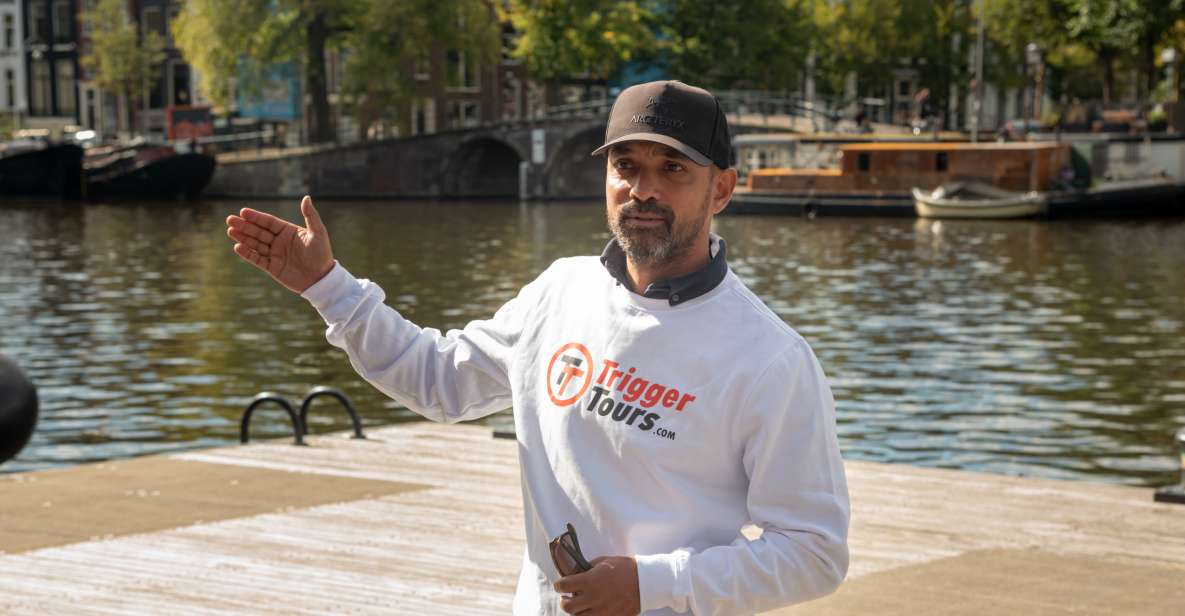
- It starts by the Amstel River, then moves into the occupied-city story from 1940–1945
- You pass core Jewish institutions like the Portuguese Synagogue, Jewish Historical Museum, and Jewish Council headquarters
- Dokwerker and the Auschwitz Monument bring the war’s impact into street-level view
- You end at Anne Frank House, with context on how her diary gained worldwide attention
- Guides handle sensitive material with care, and small groups make it easier to ask personal questions
- The route is built for understanding, not for museum checklists
Walking the Jewish Quarter: why this 2-hour format works
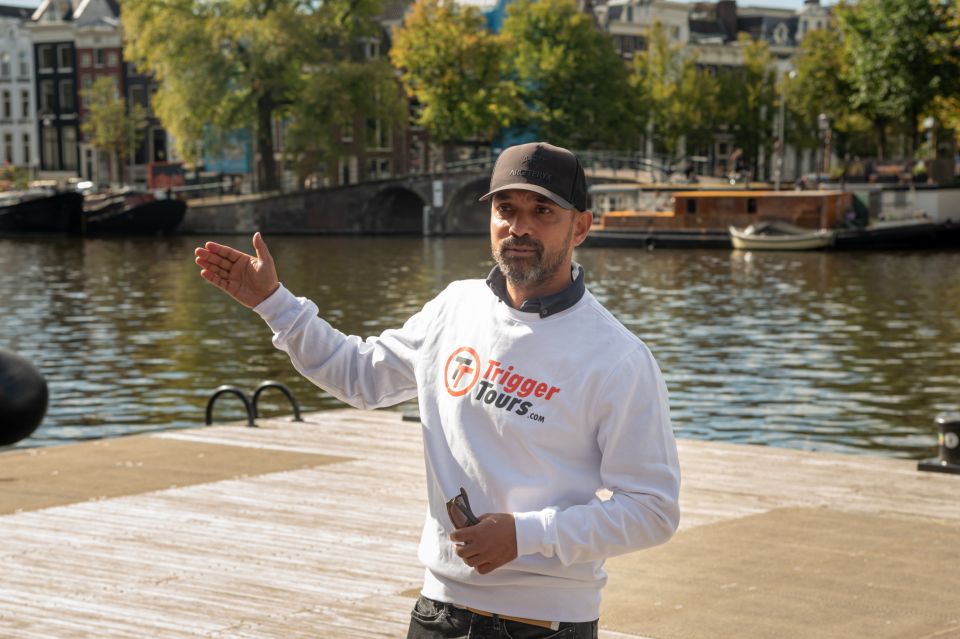
Amsterdam has plenty of tours. This one feels different because it treats the streets like evidence. You’re not just seeing where famous names happened—you’re learning how Jewish residents moved through daily life, and how that normal world was dismantled during occupation.
The duration matters. At 2 hours, the tour has enough time to connect several important stops without turning into a marathon. That time limit also helps you focus: you listen, you see, and you learn the meaning of what you’re looking at—like why a specific building or memorial matters, and what it says about choices made under pressure.
You can also read our reviews of more guided tours in Amsterdam


From the Amstel River into Nazi-occupied Amsterdam (1940–1945)
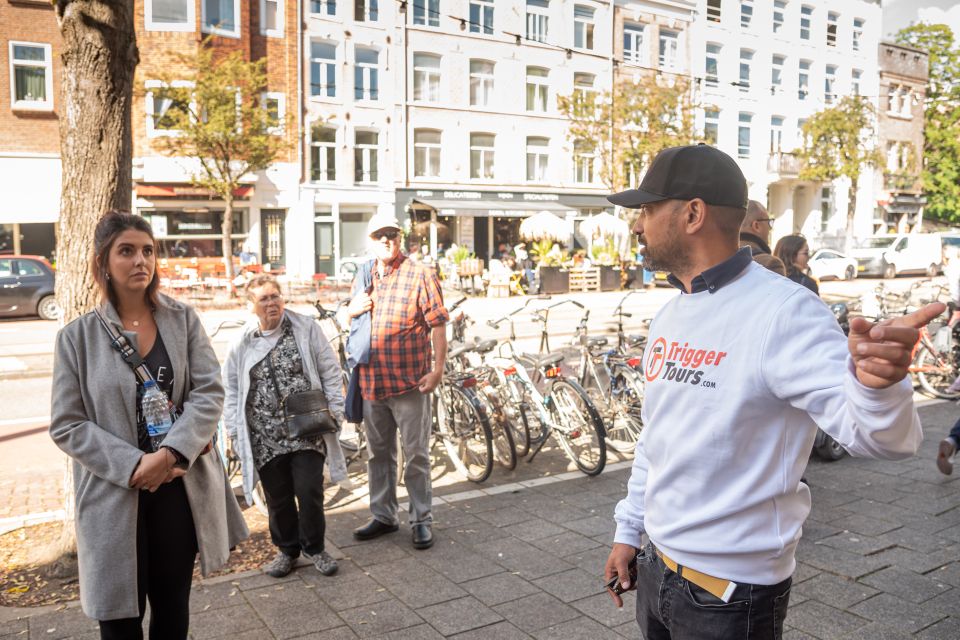
The walk kicks off along the Amstel River, which is a strong way to begin because it places you in the city’s geography first. Once you’re oriented, the guide layers in the occupation story—how Nazi control reshaped Amsterdam from 1940 until 1945, and how that affected the capital’s Jewish community.
What you gain here is context for everything that comes later. Without that setup, stops like synagogues and memorials can feel like separate dots. With it, the sites become chapters in a single timeline: how restrictions grew, how safety narrowed, and how the city’s Jewish life was transformed.
Portuguese Synagogue and the Jewish institutions you’ll actually recognize
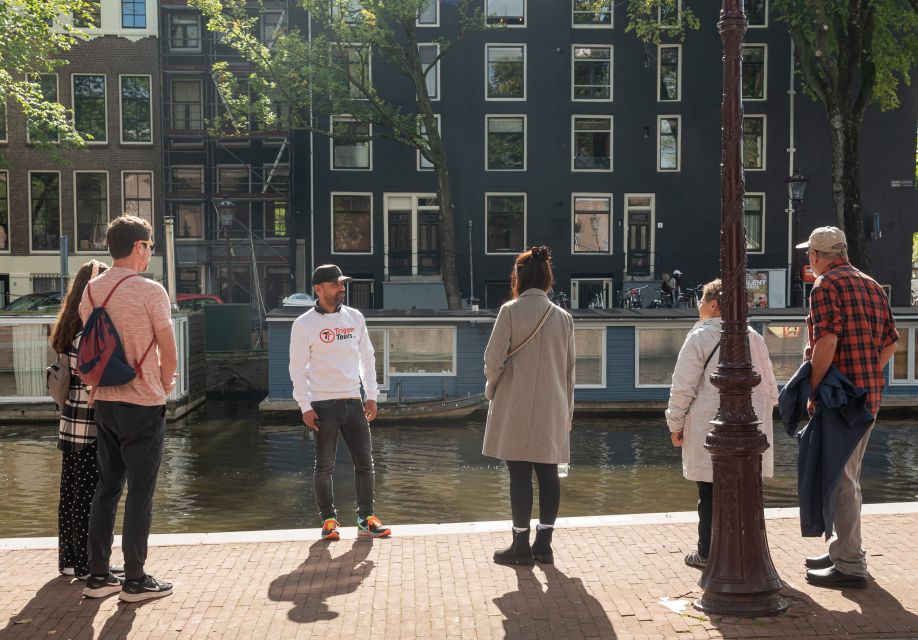
One of the tour’s strengths is that you don’t just hit memorials—you also see institutions that represent Jewish Amsterdam before the war and during its most painful years. Along the route, you’ll pass the Portuguese Synagogue, the Jewish Historical Museum, and the Headquarters of the Jewish Council.
Here’s why I think these stops matter for you: they prevent the story from becoming only persecution and tragedy. Jewish life wasn’t only what happened under occupation—it included organized community structures, religious practice, and cultural memory. The guide’s job is to connect each landmark to real functions and real people.
You’ll also hear meaning assigned to what you’re seeing, not just facts about what the building is. That’s the difference between looking at a façade and understanding what that façade represents.
How the tour handles day-to-day life under occupation
This is where the tour earns its reputation. The storyline centers on what it was like to live through occupation as a Jewish resident—what changed, what choices were limited, and how daily routines became risky.
You’ll hear how the Dutch behaved toward Jewish people during this period. That’s important because it complicates the story in a useful way. It moves beyond simple good-versus-bad explanations and instead shows how occupation created fear, pressure, and moral strain across an entire society.
Also, the pacing is designed so the guide can keep sensitive themes respectful. In the comments from past guests, the guides are repeatedly praised for handling personal and difficult questions with patience, including guides named James, Aaron, Joshua, Jyry, and Masha. I’d treat that as a clue that you’re likely to get a thoughtful, controlled delivery rather than a rushed script.
Dokwerker and the Auschwitz Monument: remembering in the real city

If you want one lesson from this tour, it’s how memory works when it’s built into the street. The walk includes Dokwerker and the Auschwitz Monument, and the guide explains what these places represent.
These stops are powerful because they turn history into something you can stand beside. You’re not far away, looking through a brochure. You’re in the city where these themes land—seeing how memorials and named locations force a visible kind of remembrance.
One consideration: depending on the exact route variant, some walkers may find the ending focus to land more around the Holocaust memorial area than the Anne Frank entrance. The tour information you’ll receive says you finish by Anne Frank House, but it’s worth confirming your specific meeting/route details when you book so you know what your final stop will be.
You can also read our reviews of more historical tours in Amsterdam





The Anne Frank House ending: diary context, not just famous pages
The tour finishes in front of Anne Frank House. That stop can feel predictable if you only associate it with the diary as a “must-see” item. The guide’s angle is what makes it matter: you’ll connect what you’re seeing to the diary’s broader story—her best-selling writing, and how it was published by her father, Otto Frank, which is part of how the diary gained worldwide recognition.
For your planning, think of this as the tour’s final link in a chain. Earlier stops focus on community life and institutions, then the memorial stops take you into occupation and survival themes. The Anne Frank segment turns the experience toward personal testimony—how a single life and a single set of words became a global record.
Guides, group size, and why questions feel welcome
This tour is offered as private or shared (and you can end up in a small group). That matters more than it sounds, especially with a subject this emotional. In the feedback, people repeatedly praised guides for being friendly, answering questions, and adjusting the flow to what the group wanted to know.
You’ll also see a pattern in the kinds of compliments offered: guides were described as able to respond to sensitive, personal inquiries without getting flustered, and to keep the pace appropriate for the group. One guest even highlighted the value of being able to talk one-on-one when it was just two people on the tour.
If you’re someone who learns by asking, this is a good format. You’ll likely get more from the stops because the guide can tailor explanations based on what you’re curious about, whether that’s the Jewish Quarter’s pre-war life or the occupation’s daily constraints.
Price and value: is $23 for 2 hours a good deal?
$23 for a 2-hour guided walking tour is a solid price for what you’re getting—multiple major landmarks, a guided narrative that connects them, and live explanation in English or Spanish. You’re also avoiding the “tour tax” of trying to teach yourself the meaning of each site on your own while walking.
What you should assume—and plan around—is that this is a walking tour with no food or drinks included. That means you’ll want to pair it with a nearby meal plan before or after, especially if you’re visiting in winter or during busy seasons when you might otherwise wait longer for food.
In value terms, you’re paying for interpretation. Amsterdam is full of buildings that can look similar if you don’t know why they matter. Here, you’re buying a clear explanation of why these particular places are linked to WWII Jewish life, the occupation period, and remembrance.
Who this tour fits best (and who might want another option)

This tour is a great fit if you want:
- A structured way to understand WWII-era Jewish life in Amsterdam
- A walk that connects memorials to community context
- A guided explanation that stays sensitive and factual
- A short, manageable time commitment in the city
It’s also a good choice if you’re visiting Amsterdam once and you want the Jewish Quarter story to be coherent by the end. The route is designed so the stops talk to each other—rather than leaving you with a list of separate sites.
If you’re the type who needs lots of quiet time at each point to absorb details, you may find a 2-hour format tight. One piece of feedback suggested slowing down could help people absorb monuments more fully. Still, the tradeoff is that you get a complete narrative in one go.
Quick tips so you get more from the walk
You’ll get the best experience if you show up ready to listen. Bring a notebook or just notes in your phone so you can track themes the guide returns to—especially how everyday life changed under occupation.
Also, wear shoes that work on city streets. This is a walking tour through multiple landmarks, and comfort makes it easier to focus on the story.
Should you book this Jewish Quarter and History Guided Tour?
Yes—if you want a focused, guided way to understand Amsterdam’s Jewish Quarter through the lens of WWII. The main reasons to book are simple: you’ll see major landmarks tied to Jewish community life and occupation-era reality, and you’ll get a guided narrative that connects those places into a clear story.
If you’re sensitive to heavy topics, plan for that emotionally. This tour isn’t light, and the power comes from that. But if you want respectful, factual context and a route that turns streets and monuments into meaning, this is a strong use of your time in Amsterdam.
FAQ
How long is the tour?
It lasts 2 hours.
Where does the tour start?
The walk begins by the Amstel River.
What landmarks will I see?
You’ll pass key Jewish and WWII-related landmarks, including the Portuguese Synagogue, Jewish Historical Museum, Headquarters of the Jewish Council, Dokwerker, the Auschwitz Monument, and you finish at Anne Frank House.
Is the tour private or shared?
It’s offered as a private or shared walking tour, including small group options.
What’s included in the price?
The price includes the walking tour and a guide.
Is food and drinks included?
No, food and drinks are not included.
What languages are offered?
The live tour guide is available in English and Spanish.
What are the cancellation terms?
There is free cancellation up to 24 hours in advance for a full refund.
How much does it cost?
The price is listed as $23 per person.
If you tell me your travel dates and whether you prefer private or small group, I can help you decide how to fit this into a first-time Amsterdam day.