REVIEW · AMSTERDAM
Amsterdam: Private Pedicab Historical Sightseeing Tour
Book on GetYourGuide →Operated by Bram de Haan Events · Bookable on GetYourGuide
Pedicabs turn Amsterdam’s past into motion. This private 2-hour ride links Dam Square, the 17th-century canal district, the Jewish quarter, a Chinatown peek, and the museum area, guided by local Bram with stories you can actually picture as you pass the buildings.
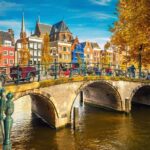
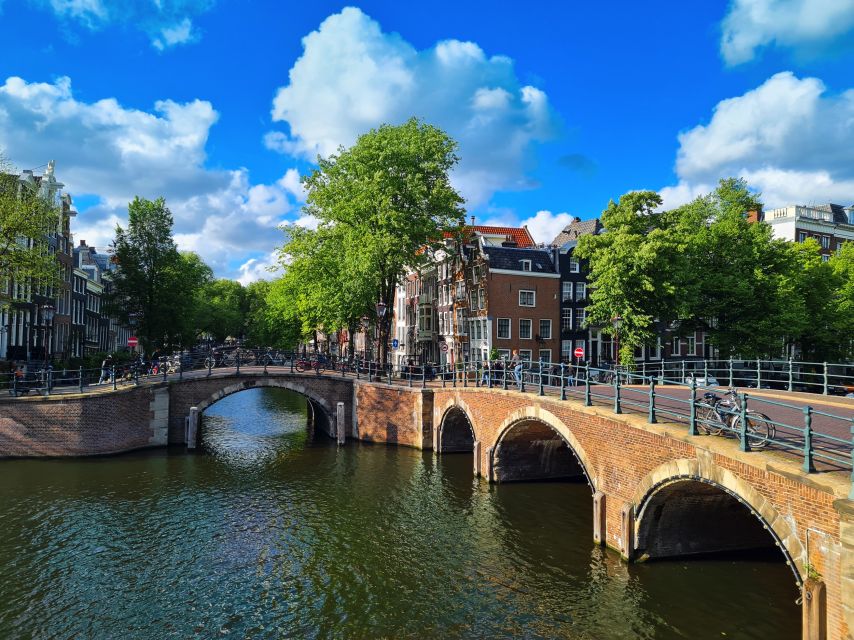
I especially love the close-up street views you get from a pedicab, including bridges, the Amstel River, and the canal-house architecture around the historic center.
One thing to consider: it’s a compact route, and cold or rainy weather can affect comfort, even though you do get a blanket.
In This Review
- Key highlights worth planning for
- Entering Amsterdam’s story from Dam Square
- What could slow you down here?
- Zeedijk and the old city’s dikes: cafés, gates, and quick Chinatown glimpses
- A practical thought
- Montelbaanstoren and the Oude Waal: defenses, lookout points, and houseboats
- Photo angle you’ll care about
- The Jewish Quarter: synagogues, the Holocaust Name Monument, and diamond-era canal homes
- Consideration for your mood
- Amstel River viewpoints and the Skinny Bridge photo moment
- Why this is a good use of pedicab time
- Riding through the 17th-century canal district: merchant rings and real geometry
- A note on expectations
- Museumplein and the Rijksmuseum tunnel stop: canal-ring meets the museum era
- What you should do right after
- How the private pedicab setup gives value in 2 hours
- Safety and fit
- Guide style you’ll appreciate
- Food and drinks are on you
- Should you book this Amsterdam private pedicab tour with Bram?
- FAQ
- How long is the Amsterdam private pedicab historical sightseeing tour?
- What does the tour price include?
- Where does the tour start, and how do I meet the guide?
- What languages are available for the live guide?
- Are there weight limits for this tour?
- Can I choose where to end the tour?
- Is free cancellation available?
Key highlights worth planning for
- Dam Square start point gives you the city’s origin story right away, including the Royal Palace area and major monuments
- 17th-century canal ring plus 7 bridges means you see the Amsterdam people picture, from the street level
- Jewish quarter focus includes synagogues, the Holocaust Name Monument, and Sephardic diamond-era canal houses
- Amstel River photo moments from the skinny bridge area and multiple river viewpoints
- Museumplein stop ties the canal-era city to the Rijksmuseum and Van Gogh Museum neighborhood
Entering Amsterdam’s story from Dam Square
Your tour kicks off at Dam Square, the core of Amsterdam’s old center and the starting point for how the city grew. From here, you get the big landmarks that help you orient fast: you’ll pass the Royal Palace area, the New Church area, and the National Monument. Even if you’ve only seen Amsterdam on postcards, this is where the map starts to make sense.
I like this approach because it’s not just a drive-by. You’ll be given a clear thread of what changed over time, so the canal houses and neighborhoods you’ll see next don’t feel random. On a first trip, that mental map can be worth more than another photo stop.
You can also read our reviews of more private tours in Amsterdam


What could slow you down here?
Dam Square is a busy focal point, so it can take a moment to settle in. Expect a quick start and then a steady roll-out through smaller streets where the pedicab really shows its value.
Zeedijk and the old city’s dikes: cafés, gates, and quick Chinatown glimpses
Next comes Zeedijk. Today it’s a regular street, but it used to function as a dike that protected the old city. That detail matters. It turns what looks like just another Amsterdam street into a piece of engineering and survival, which is exactly the kind of context that makes walking tours click too.
As you continue, you’ll pass by the oldest café still standing with its original interior. You won’t spend forever there, but it’s a great mental anchor: Amsterdam didn’t just build canals, it also built the everyday spaces that people used daily.
You’ll also get a glimpse of Chinatown nearby. This isn’t positioned as a separate Chinatown tour with a deep cultural immersion; it’s more of a “see the neighborhood shift” moment. If you like that contrast, you’ll enjoy how the guide connects it to the broader city story.
Finally, you’ll reach New Market Square. Here, one of the most important buildings is a 15th-century city gate standing right in the middle of the square. Seeing a gate inside a modern open space is a perfect example of Amsterdam’s habit of keeping older layers visible.
A practical thought
Because this portion mixes history with multiple quick visual stops, keep your camera ready and your questions tighter. You’ll get better use out of the guide’s explanations if you’re listening for themes, not just landmarks.
Montelbaanstoren and the Oude Waal: defenses, lookout points, and houseboats
The tour then moves to Montelbaanstoren, an old watch and defense tower tied to Amsterdam’s expanded defense line from the early 16th century. The tower is more than a photo shape. It helps you understand why the city built outward the way it did, and why water mattered so much.
From that area, you’ll also have a good lookout over the Oude Waal. This is where houseboats and 17th-century canal houses come into view together, creating a background of older architecture while everyday life happens in the water. In other words: history isn’t locked behind museum glass.
You can also read our reviews of more historical tours in Amsterdam





Photo angle you’ll care about
If you like pictures, this is one of your best stretches. The combination of canal-side lines, houseboat silhouettes, and older brick facades gives you depth without needing a major climb.
The Jewish Quarter: synagogues, the Holocaust Name Monument, and diamond-era canal homes
This is one of the most meaningful parts of the ride. In the Jewish quarter, you’ll see the very first synagogue Jewish people were allowed to build in Western Europe over 350 years ago, often referred to as the Big Synagogue. Across the street, you’ll also notice the Portuguese Synagogue.
The stops here do something useful: they connect places to time. You’re not just seeing buildings; you’re seeing how rules, community life, and historical change shaped where people could worship and live. That helps the area feel real, not just scenic.
Next comes the Holocaust Name Monument, with 102 thousand bricks giving the names of Dutch Jewish victims of World War II. It’s a heavy stop, and it’s also one that benefits from explanation. If you want the emotional weight without guessing, let the guide lead the context.
Near this area, you’ll also see a row of beautiful old 17th-century canal houses. They were inhabited by Sephardic Jewish immigrants who became successful in the diamond business. That business detail is important because it shifts the story from only suffering to also work, community building, and economic life.
Consideration for your mood
This section is emotionally serious. If you want to move through heavy topics at your own pace, plan to pause if you need a moment, and give yourself time after the tour to reset.
Amstel River viewpoints and the Skinny Bridge photo moment
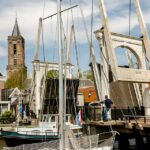
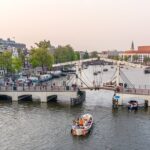
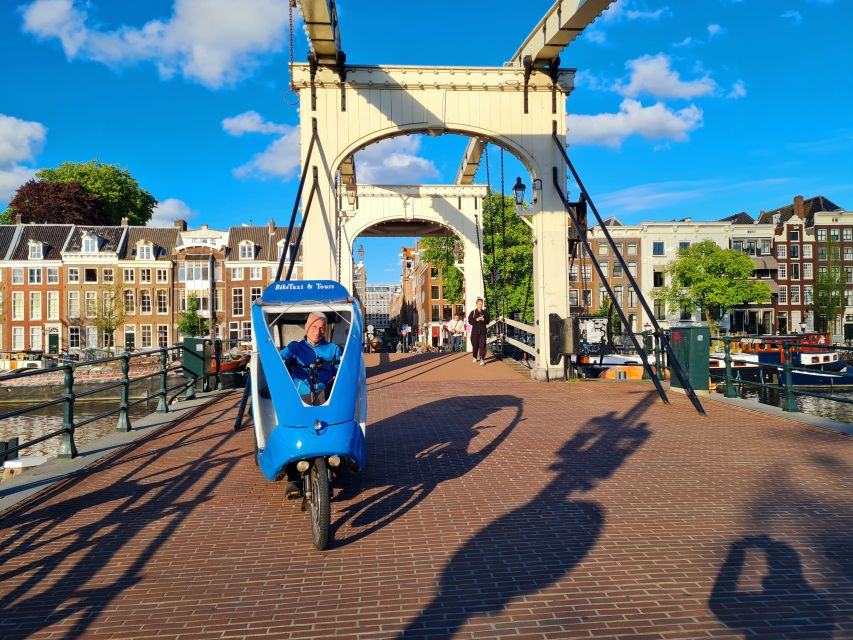
As the ride continues, you’ll head toward the Amstel River. One standout stop is the area around the skinny bridge, famous for its look and for lighting at night with hundreds of light bulbs. Even if your timing isn’t perfect for nighttime views, you’ll still get the recognizable bridge shape that makes people stop and point.
You’ll also get panoramic views over the canalised river Amstel, which is a main and wider canal in Amsterdam. From here, the city’s waterways stop being abstract. You see how the river threads through daily space and connects neighborhoods.
Why this is a good use of pedicab time
From a regular bus, rivers can feel like scenery passing by. From a pedicab, you’re closer to the street edges and the bridge lines, so it’s easier to notice details in the canal houses and bridge geometry.
Riding through the 17th-century canal district: merchant rings and real geometry
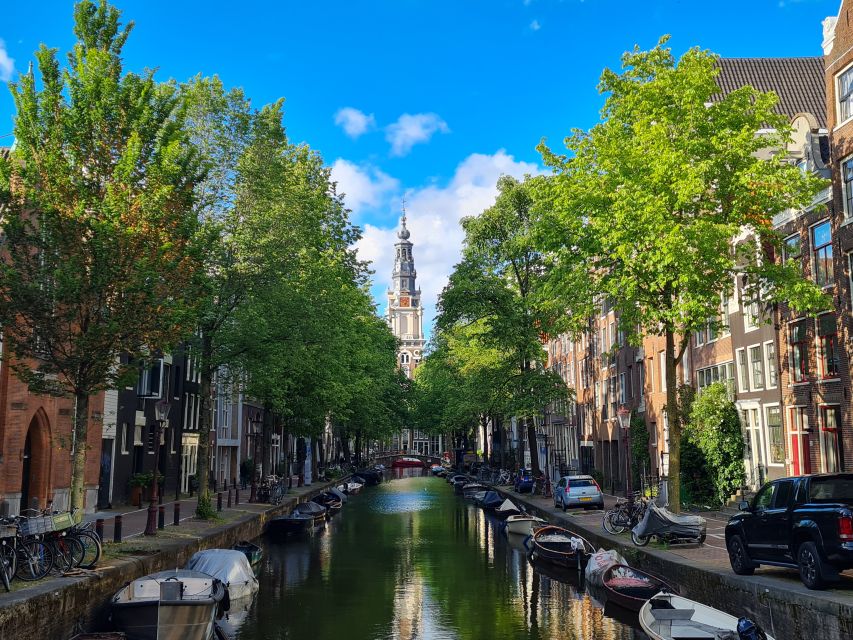
Now you get the classic Amsterdam canal district. On a map, it shows up as half circles around the old center. Riding through it is a fast way to understand how Amsterdam’s layout followed its waterways.
You’ll see the typical canal houses that were once homes of successful merchants. The key detail you’ll learn is that the houses may look similar at first glance, but they’re slightly different. Those differences often point back to building era and priorities, and the guide helps you spot what to look for.
This is where the tour becomes more than sightseeing. You start noticing the repeated patterns that give Amsterdam its signature look, and you also start catching the exceptions that tell you the city evolved instead of being built in one single moment.
A note on expectations
You won’t be measuring architecture like a professor. But you’ll come away with a practical sense of why the canal ring looks the way it does and how Amsterdam’s wealth and design choices shaped it.
Museumplein and the Rijksmuseum tunnel stop: canal-ring meets the museum era
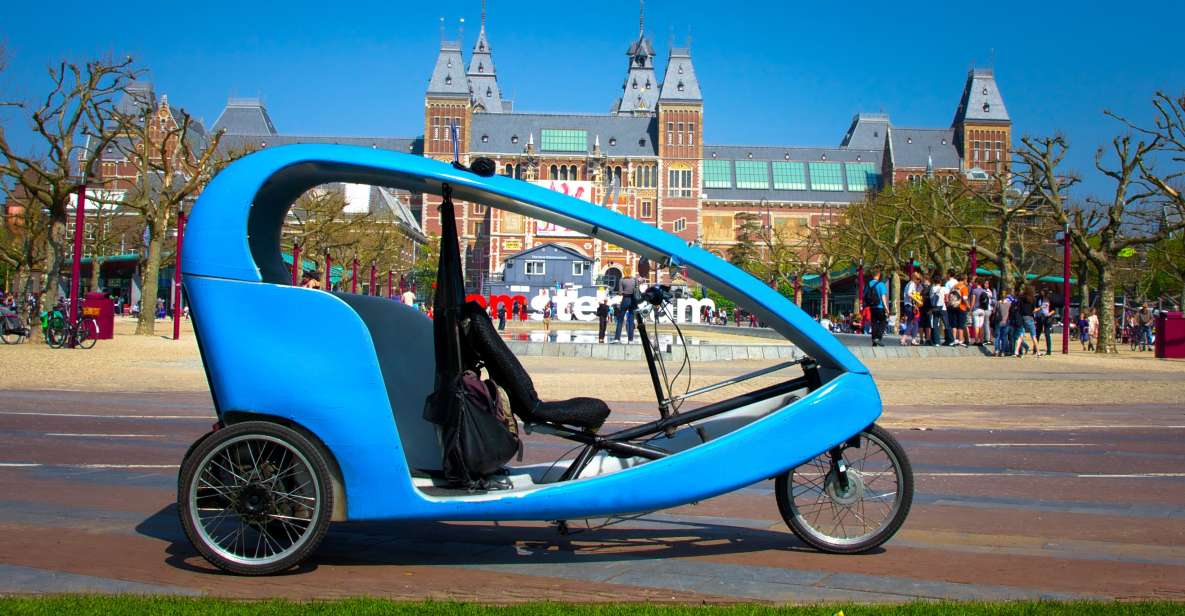
The final major stop is Museumsquare, a large 19th-century green open square home to the country’s most important museums, including the Rijksmuseum and Van Gogh Museum. This is a fun ending point because it contrasts the older canal geometry with a more open urban plaza.
You’ll drive through the tunnel of the Rijksmuseum and then make a stop in the middle of the square. That tunnel moment is a reminder that modern Amsterdam can fold you through historic landmarks rather than simply around them.
If you’re planning a longer museum day later, this stop is useful. It gives you a sense of how the museum cluster sits within the city and how easy it is to transition from canals to culture.
What you should do right after
If museums are on your agenda, take a few minutes here to decide which direction you want to walk next. You’ll likely feel more confident about where you are and which entrances make sense.
How the private pedicab setup gives value in 2 hours
This tour is priced at $230 per group up to 2 people, for a total duration of 2 hours. The math matters: for a couple or two friends, you’re often looking at roughly $115 per person, but the real value is what that group price buys you—a private ride, pickup and drop-off, and a guide who can tailor attention as you go.
You’ll get pickup from your hotel and then drop-off back where you started. You should wait outside in front of the hotel. That reduces decision fatigue, especially if you’re juggling luggage, jet lag, or just want to start strong.
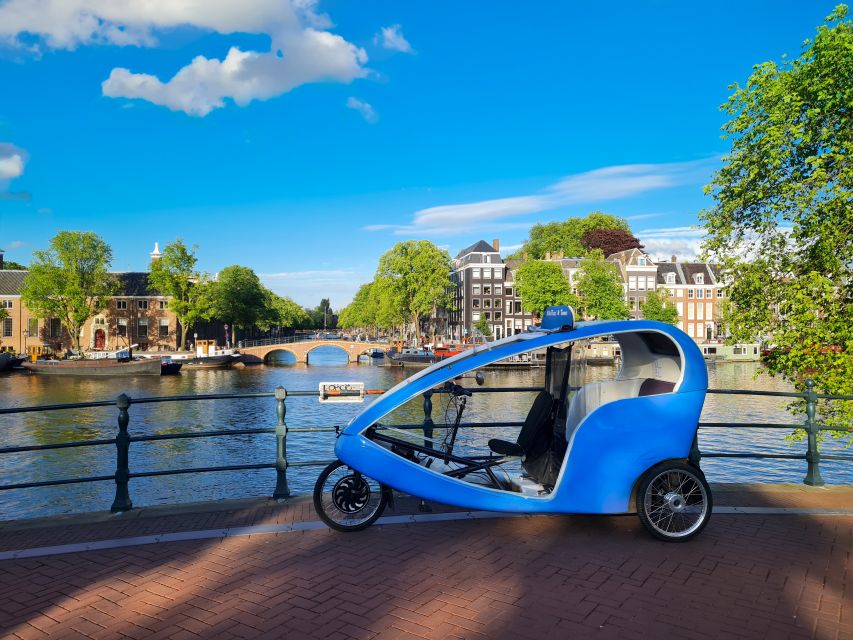
Comfort-wise, the pedicab includes a blanket if it’s cold. You’ll also want warm clothing, because weather can change quickly along the river and open squares. The route moves city blocks and small streets, so you’ll feel wind even on days that start mild.
Safety and fit
There’s a clear limit: the maximum combined passenger weight is 200 kg. It’s also not suitable for people over 220 lbs (100 kg). If you’re choosing this with someone who’s near those limits, double-check before booking so the ride stays safe and comfortable.
Guide style you’ll appreciate
Bram is the local guide here, and the standout feature is how he explains what you’re seeing. He uses visual aids like photographs and maps to show how Amsterdam changed over time. That kind of explanation helps you understand the city’s evolution rather than just memorizing names.
You can also set a desired location to finish the tour before you start, which is handy if you want to end near a café, hotel, or museum without retracing the full route.
Food and drinks are on you
Food and drinks aren’t included. If you tend to get hungry, plan a snack break before or after, especially because the ride packs several focused stops into two hours.
Should you book this Amsterdam private pedicab tour with Bram?
Book it if you want a shortcut to understanding Amsterdam’s core neighborhoods without doing a lot of legwork. This is especially worth it when you care about the story behind the buildings: Dam Square’s origin, the dike-era context at Zeedijk, the defense tower and river lookout, and the Jewish quarter stops with their strong historical anchors.
Skip it—or at least reconsider—if you need a lot of long stop time at each location. The route is designed to cover many highlights in one go, so you’ll move along quickly. Also, if cold weather comfort is a big deal for you, dress warmly even though you’ll have a blanket.
If you’re traveling in a pair and you like the idea of a guide-focused, street-level perspective, this tour offers good value for the time and the personal attention you get.
FAQ
How long is the Amsterdam private pedicab historical sightseeing tour?
The tour lasts 2 hours.
What does the tour price include?
Pickup from your hotel and drop-off are included, along with a blanket for cold weather and an in-depth explanation about the sights.
Where does the tour start, and how do I meet the guide?
The tour starts at Dam Square. For pickup, you’ll wait outside in front of your hotel.
What languages are available for the live guide?
The live guide offers English, Dutch, and German.
Are there weight limits for this tour?
Yes. The maximum combined passenger weight is 200 kg, and it is not suitable for people over 220 lbs (100 kg).
Can I choose where to end the tour?
Yes. You can set a desired location to finish the tour before you start.
Is free cancellation available?
Yes. You can cancel up to 24 hours in advance for a full refund.